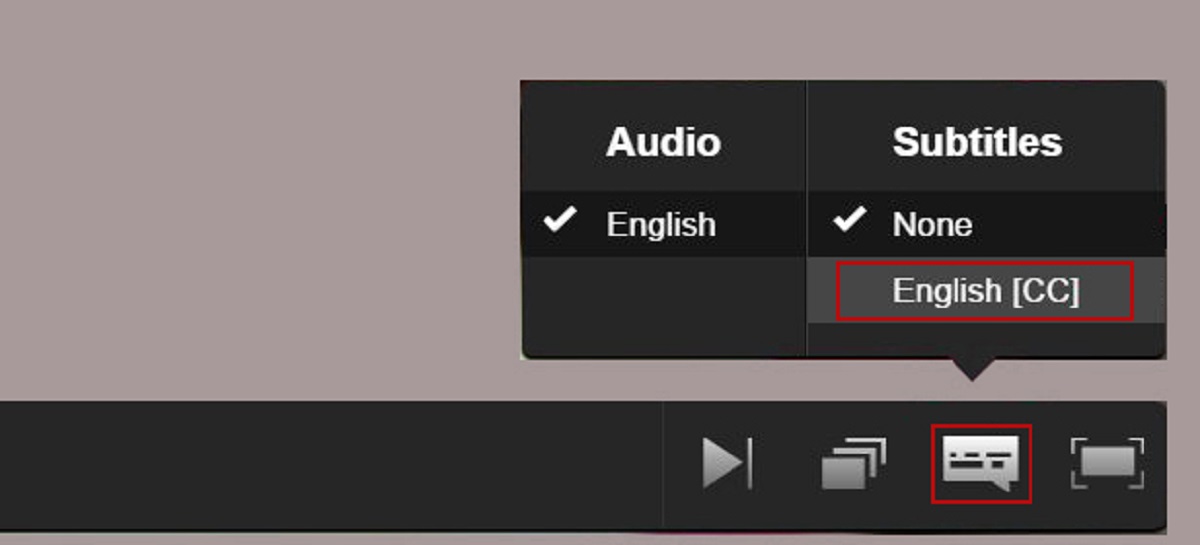
Before you start: how to turn on subtitles vs. captions vs. audio descriptions
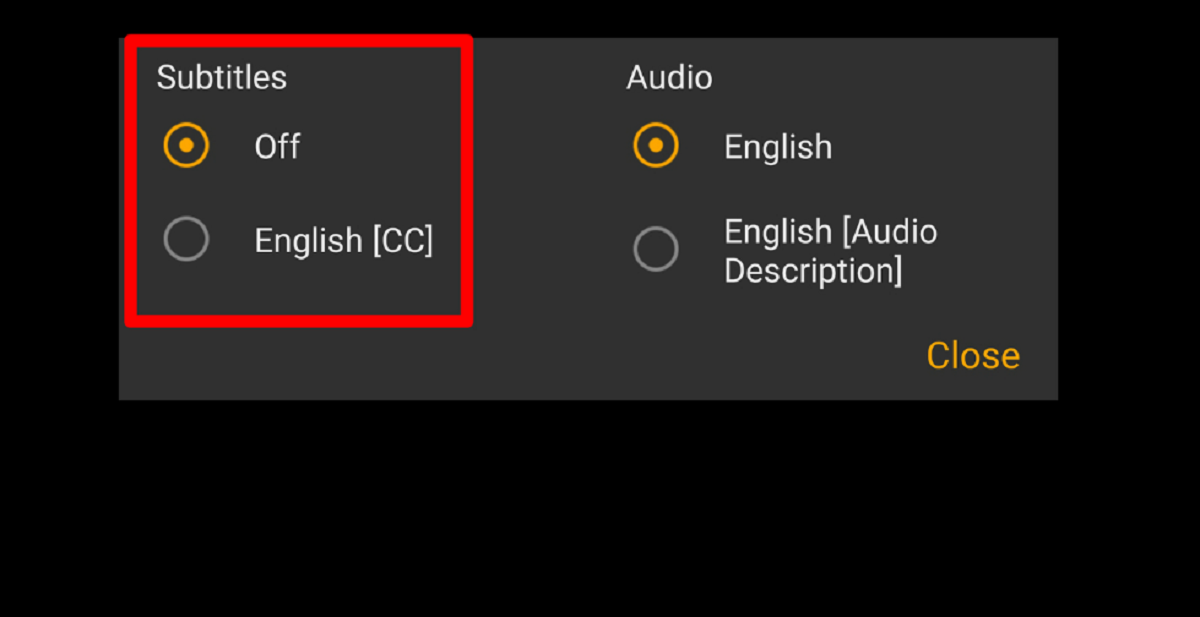
If you need to turn on subtitles, streaming platforms and device makers use overlapping terms that can be confusing. Knowing the difference between subtitles, closed captions, and audio descriptions will help you find the right control the first time. Subtitles typically assume you can hear the audio but need the dialogue displayed on screen. They often appear in a different language. Closed captions go further. They include sound effects, speaker changes, and other audio cues for viewers who are deaf or hard of hearing. Audio descriptions are a separate track that narrates visual elements, such as actions, settings, and character expressions, during pauses in dialogue. This track is designed for blind or low-vision users. If you accidentally activate this track and hear a voice describing every scene, you can turn off audio description on Amazon prime through the video's language or audio options. On the other end of the spectrum, if you only need dialogue text, you can turn on subtitles on tubi from the playback menu while the show is running. A critical detail to remember: many smart TVs and streaming sticks have their own system-wide assistive menus. These menus can override whatever you set inside an app. If your in-app toggle does nothing, check your device's main configuration panel. You can also look for an assistive shortcut on your remote. That system-level preference will often take priority. It can silently enable or disable the feature you are trying to control.
Turn on subtitles on streaming services
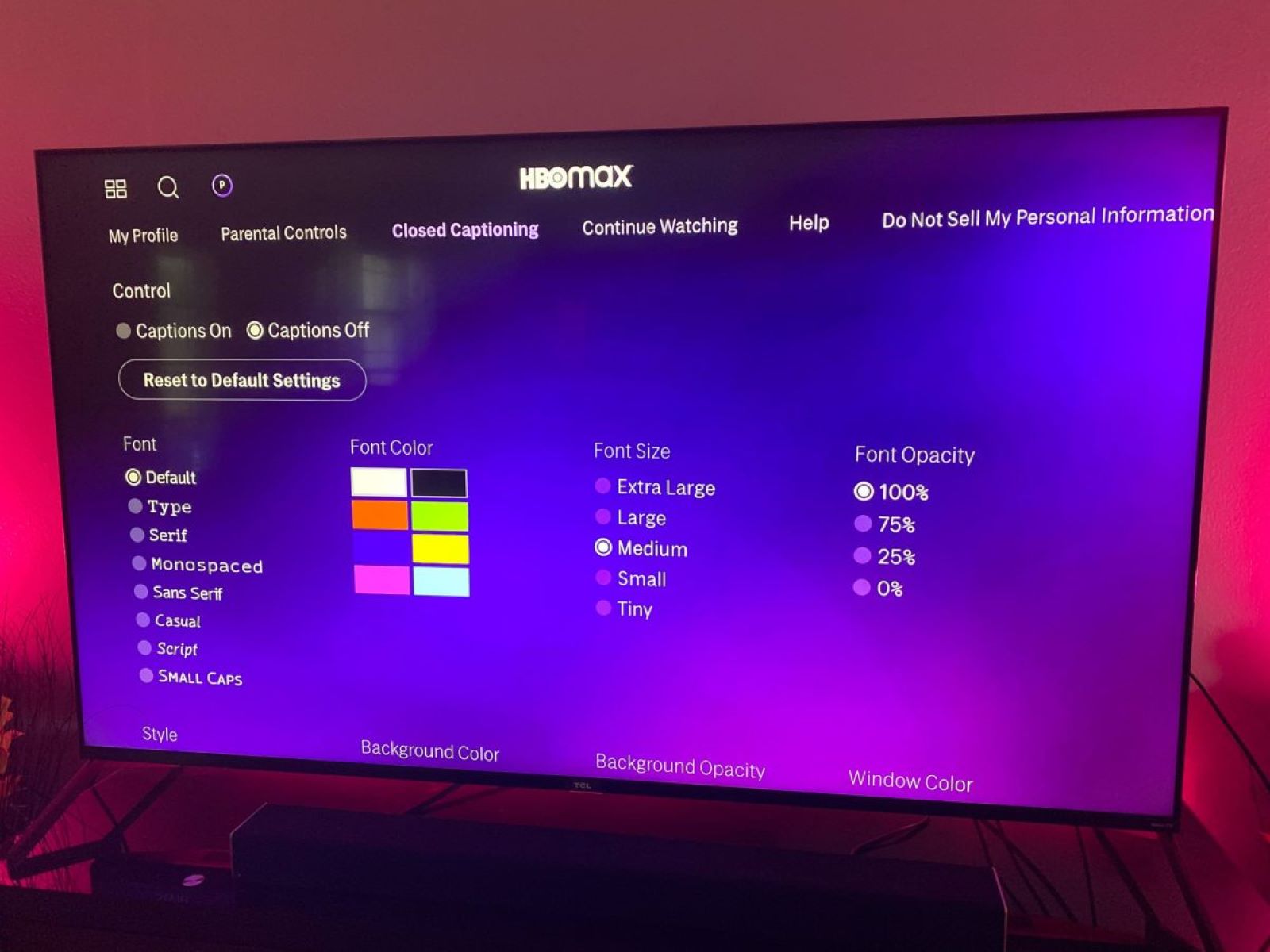
Start by opening the settings menu inside the app you are using. On Netflix, for example, tap the audio and subtitles icon during playback. If the option does not appear, or if changes do not stick, the problem is often your device overriding the app. Many smart TVs and streaming sticks have their own system-wide accessibility menus that control captioning. For instance, on a Roku device you can press the star button on the remote during a show to bring up a quick menu. The actual toggle may live in Settings > Accessibility > Captions mode, but the exact path can vary by Roku model and software version. The same logic applies if you want to turn on closed caption on Amazon prime. Look first in the video player for a speech-bubble icon. If it is missing, check your Fire TV or smart TV accessibility settings. When you need to put subtitles on Disney plus, the gear icon during playback is the fastest route. A system-level caption toggle on an Apple TV or Samsung TV will override that choice every time. Similarly, if you try to turn subtitles on Peacock and the in-app menu does nothing, your device's accessibility shortcut is the real control. This is often an accessibility shortcut configured in your device's settings. And to turn on subtitles on HBO max, open the audio and subtitles panel from the player. If the screen goes blank or the setting resets, exit the app. Enable captions in your console or TV's main settings first.
Turn off or remove subtitles on streaming apps
If subtitles appear on your screen and you cannot seem to silence them through the app's own controls, start by looking at the video player during playback. Many services hide the subtitle toggle behind a speech-bubble or "CC" icon. If that option is grayed out or unresponsive, the issue is often a system-wide assistive feature on your device. For example, if you need to turn off closed caption on Amazon prime, open the show you are watching. Press the pause button and select the subtitle icon. From there, you can choose "Off." Should that not work, you can turn subtitles off prime video by going into your device's main preferences panel. On a Fire TV, navigate to Settings, then Accessibility, then Subtitles & Captioning, and disable the feature entirely. The same logic applies to nearly every other major platform. For instance, if you need to turn off the subtitles on Disney plus, you can follow the dedicated guide for that service, just as you would if you wanted to turn subtitles off on Paramount plus or turn subtitles off on ESPN plus. Conversely, if you wish to turn subtitles on Paramount plus or turn on subtitles amc plus, the process is equally straightforward. You will find similar steps for turning off subtitles on Disney plus, which is helpful when you want to turn off subtitles on Disney plus to enjoy a cleaner viewing experience without text overlay. Each of those platforms follows the same basic pattern. Open the video player, find the subtitle icon, and switch it off. The exact label or location may vary slightly by app. To choose the right set of instructions, simply match the name of the service you are currently using to the corresponding entry in the list below.
Manage subtitles on smart TVs and cable boxes
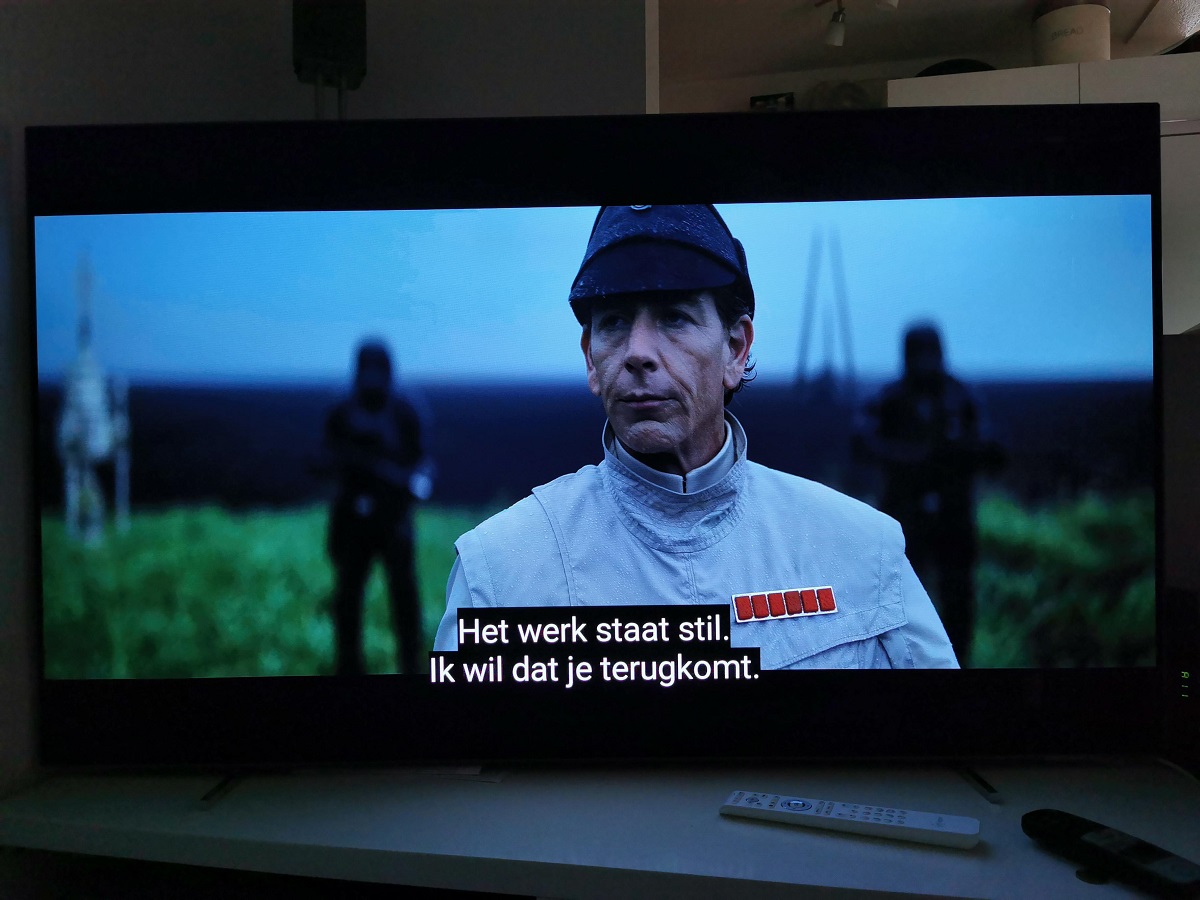
If subtitles refuse to disappear after you've turned them off in the app, the issue is often hiding in your TV's own system menu. Many smart TVs and cable boxes apply a system-wide closed caption override. This override can dominate whatever you do inside Netflix, Hulu, or live channels. To fix this, grab your remote and press the Menu or Settings button. Then look for "Accessibility," "Closed Captions," or simply "Subtitles."
If you have lost the remote, most modern TVs have a physical joystick or a small set of buttons on the bottom edge. Use them to navigate to the same system options. On some cable boxes, you may need to press the Info or Options button while watching a channel. For example, if you need to get subtitles off my TV but the app toggle does nothing, checking the TV's own audio or assistance menu is the fastest fix. If you are trying to turn on subtitles on LG smart TV, the system menu is where you will find the permanent setting that overrides any app-based controls.
If you own a Roku TV and want to put subtitles on TCL smart TV, use the Roku remote's star (*) button to open the playback options menu during a show. For Dish satellite users, the procedure is slightly different. Press the Menu button, select "Setup," then "Closed Captioning." You can turn off subtitles on dish from that screen. Because every brand has its own menu layout, we have collected a set of step-by-step instructions for the most common models.
The list below groups together guides for specific brands and models. It covers how to enable or disable on-screen text on LG, Philips, Toshiba, and others. Simply find your TV's brand in the list to see the exact button presses for your remote. For instance, you can turn off subtitles on Philips TV by diving into the accessibility settings, or turn off subtitles on Toshiba TV by locating the caption toggle in the main menu. If you need to turn off captions on smart TV models from various manufacturers, the same system menu approach applies. Meanwhile, if you want to turn on subtitles on LG TV, the steps are nearly identical to the smart TV version but tailored to older menu layouts.
Fix stubborn subtitles on specific TV brands
If subtitles remain stuck on a Panasonic or Toshiba TV even after you've turned them off in your streaming app, the problem is almost always a system-level override. A feature buried in the TV's main menu is forcing the text to appear. On many Panasonic models, you can use the remote's menu button to navigate to the settings or assistance features and look for "Closed Caption" or "Subtitle" toggles. If your remote is broken or lost, you can still get rid of subtitles on Panasonic TV without remote by using the physical buttons on the TV itself. These are usually a small joystick or button cluster on the bottom or side edge. Use them to access the on-screen menu and disable the text overlay there. For Toshiba sets, the issue often hides in a similar place. Check the settings or accessibility menu. The subtitle setting may be enabled independently of any app. Once you find the system switch, you can also adjust how the text looks. Many smart TVs let you change subtitle font size and background on a smart TV through that same assistance panel. You can make the text smaller or the background transparent if you want the dialogue text on but less intrusive. If the TV has a dedicated "CC" or "Subtitle" button on the remote, pressing it cycles through off/on/mute modes. Tap it once to confirm it's not stuck in a permanent-on state. This is the only place where a single button press overrides the digital menu system. Always check the TV's own audio or closed caption preferences before assuming the app is broken.
Add or change subtitles on YouTube
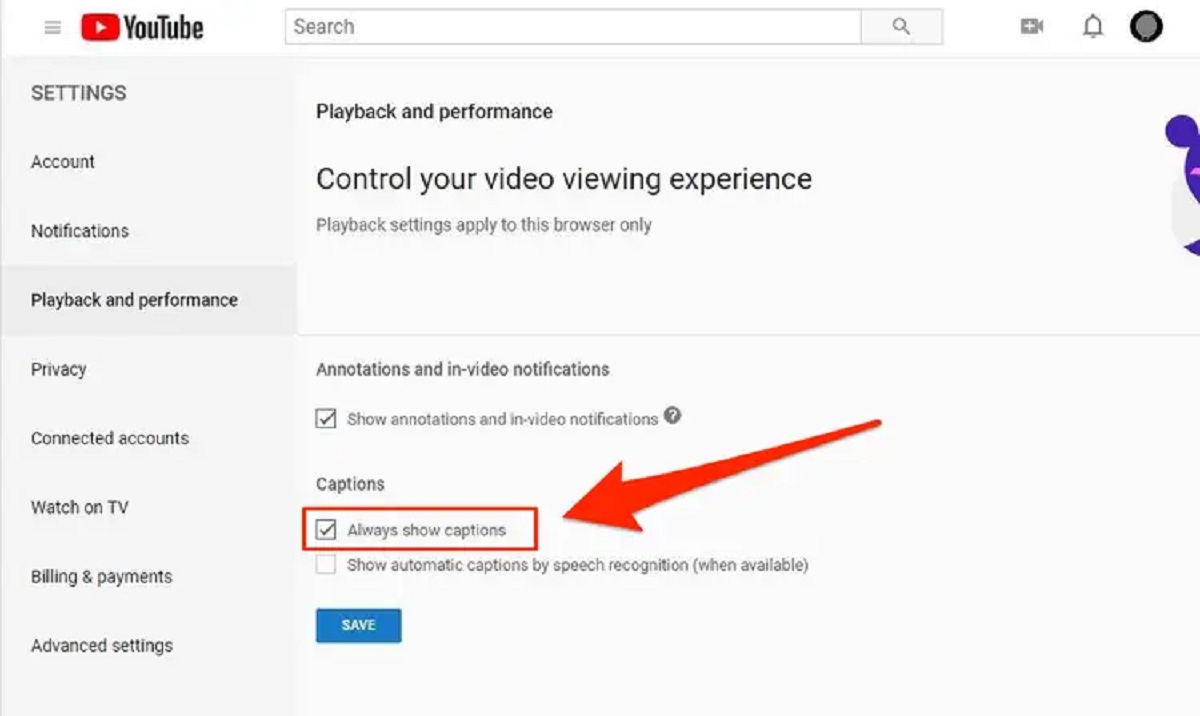
To turn on subtitles for a video you are watching, start by clicking the 'CC' button at the bottom-right of the video player, or tap the gear-shaped Settings icon in the player. Look for the "Subtitles/CC" option. If it is grayed out, the uploader may not have added any captions.
If you need to put subtitles on YouTube for your own video, you can upload a caption file or type them manually in YouTube Studio. When a video already has subtitles but in the wrong language, you can change subtitles on YouTube to english by selecting "Auto-translate" from the same menu. Then pick English from the list.
For videos without any captions at all, you can make automatic subtitles on YouTube only if the creator has enabled auto-generated captions for that video. YouTube will generate them using speech recognition. Accuracy varies with background noise or accents.
If you want to keep the subtitles for offline viewing, you can download a YouTube video with subtitles using a third-party tool or a premium subscription that includes caption files. Remember that many smart TVs and streaming sticks have their own system-wide hearing menu that can override the in-app text options. If the toggle inside YouTube does not work, press the remote's "Menu" or "Settings" button. Then look for "Accessibility" or "Closed Captions."
One sentence that could not appear on a competitor's page: YouTube is the only major platform where you can change subtitles on YouTube to english using its built-in auto-translate feature without leaving the player, while also being able to download a YouTube video with subtitles through its own premium service for offline viewing.
Work with subtitles in social media and other apps
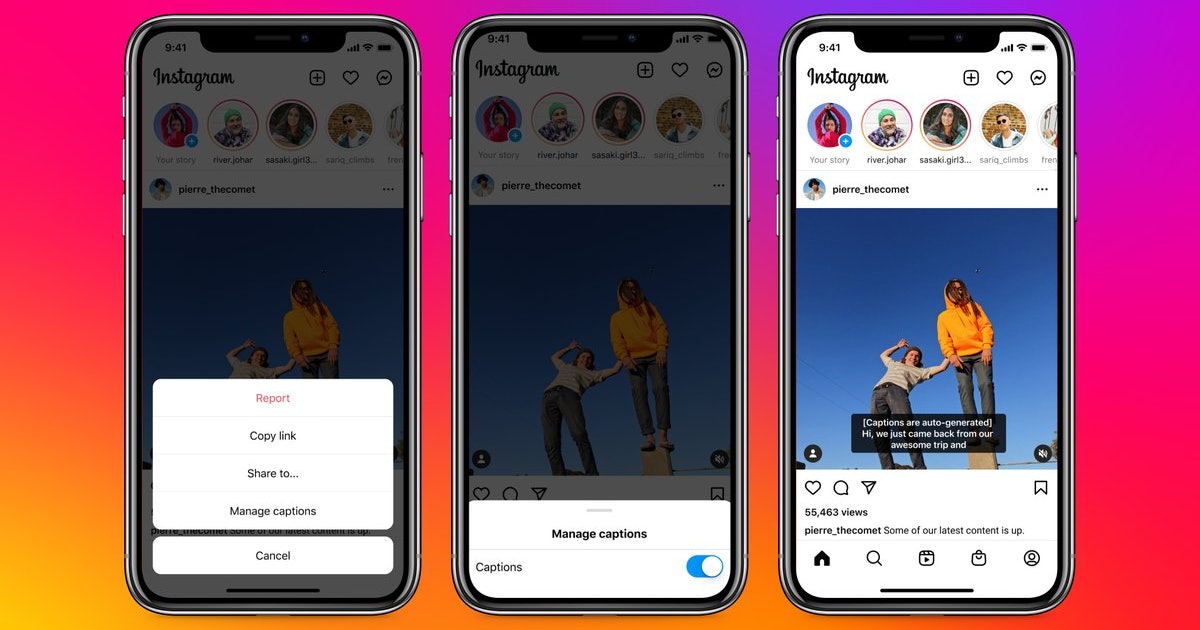
When you are editing a video in a mobile app, the process for adding text overlays varies by platform. For example, to add subtitles to Instagram reels, you typically use the built-in text sticker tool. You place these stickers on each clip and sync them to the audio track. The workflow is different if you want to turn on subtitles on TikTok. There, you can enable the auto-captions feature after recording. This feature generates text from your spoken words, though you should review it for accuracy.
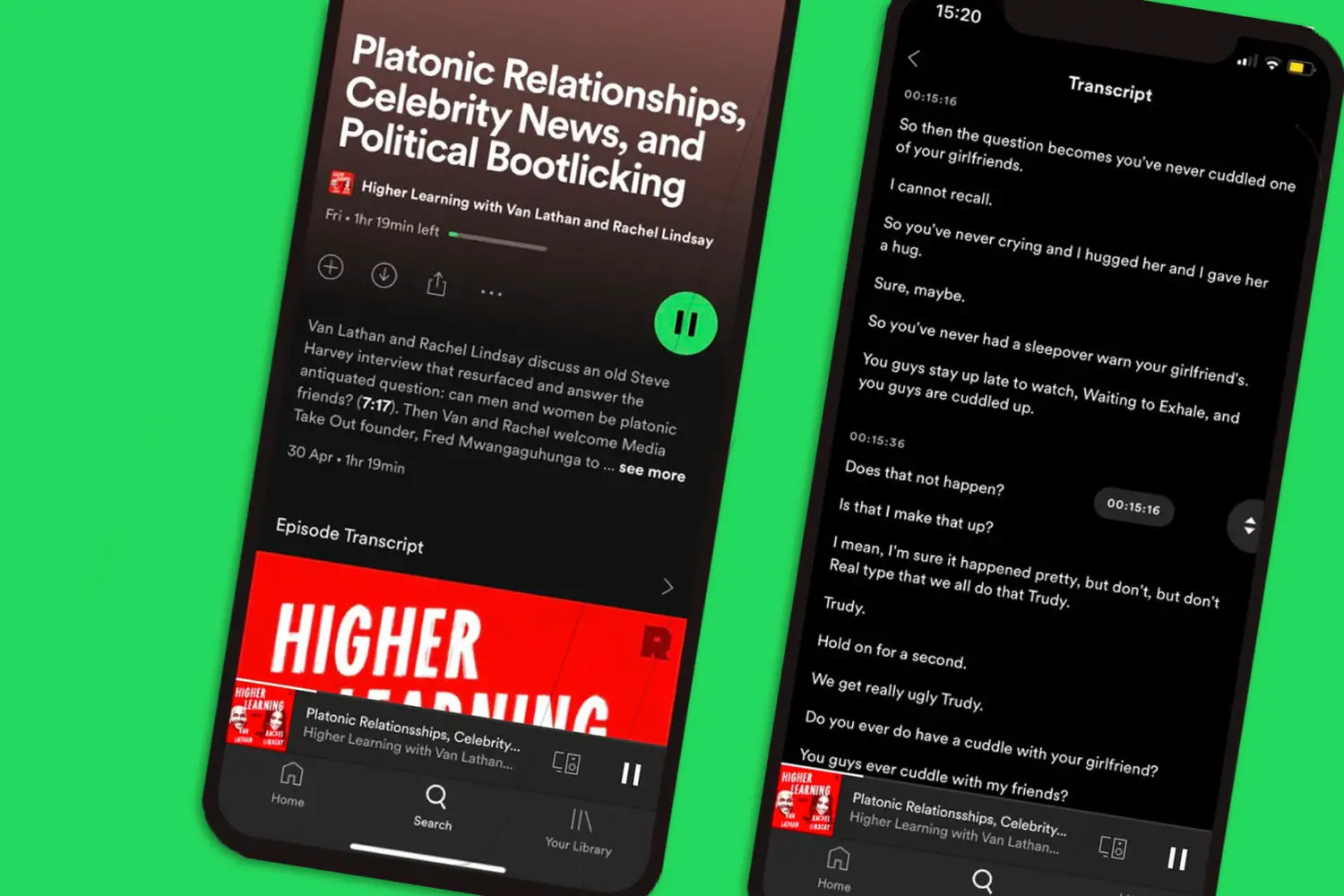
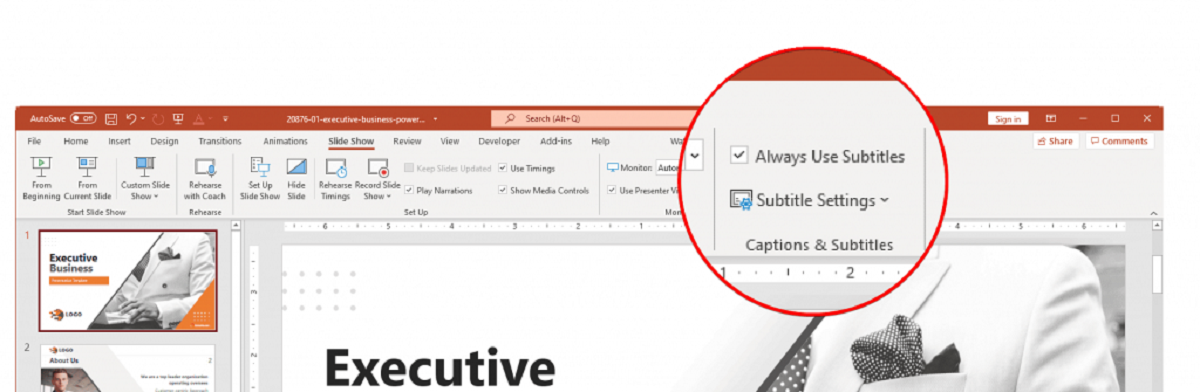
For a presentation, you can add subtitles in PowerPoint by turning on the relevant option in the presentation settings. Choose your spoken language to display real-time on-screen text as you speak. A less obvious scenario is when you want to get subtitles on a Spotify podcast. This usually requires the podcast creator to upload a transcript file. You can then toggle the "Show Transcript" button in the Now Playing view. Keep in mind that if the in-app toggle does not work, your device's system-wide assistive menu might be overriding it. Check your phone or tablet's main configuration panel first.
Advanced subtitle tasks and troubleshooting
If you need to make subtitles a permanent part of a video file, for example, to share with someone who cannot adjust their display, you can embed subtitles into video permanently in vlc by using the "Convert" feature. Open the File menu (macOS) or Media menu (Windows/Linux) and choose Convert/Stream or Convert/Save. Add your video file. Under the "Subtitles" tab, check the box to include them. Then select a profile like "Video - H.264 + MP3 (MP4)" and pick a destination file. VLC will produce a new file with the text burned directly into the frames. They cannot be turned off.
On a separate note, if you are watching on your phone while tethered to a hotspot, you might wonder whether subtitles using data on a mobile hotspot add to your usage. The answer is no. The subtitle text itself is a tiny stream of characters sent alongside the video. It typically amounts to just a few kilobytes per hour. The video stream is what consumes the bulk of your data. Turning captions on or off will not meaningfully change your hotspot consumption.
If text still refuses to appear after checking both the app and the video file, remember the central issue. Many smart TVs and media players have their own system-level assistive menus. These can override in-app caption controls. Look in your device's main system panel under Universal Access, Hearing, or a similar menu. Toggle the on-screen words on there.