To embed subtitles permanently in VLC, you must use the Convert/Save function to hardcode the subtitle track into the video file itself. This process, known as transcoding, burns the text from a subtitle file like SRT directly into the video frames, ensuring the subtitles display on any device or player without needing a separate file.
Why embed subtitles permanently in VLC?
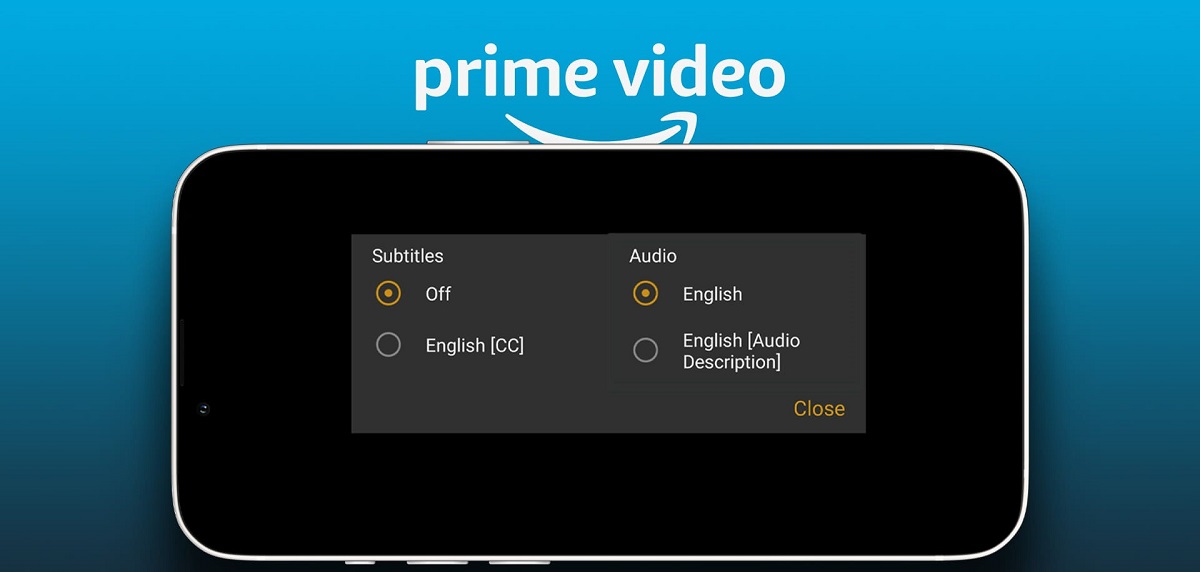
Hardcoding subtitles solves the common problem of subtitle files being lost, misnamed, or unsupported by certain media players. When you soft-load a subtitle file (like an SRT), the video plays without subtitles if that file is missing or the player cannot read it. Embedding them permanently, also called burning in, creates a single video file that always shows the text, making it ideal for sharing videos with others or playing them on smart TVs, game consoles, or portable devices that lack subtitle support. This is particularly useful when you need to turn on subtitles for a video but cannot rely on external files, or when you want to avoid the frustration of a player’s settings overriding your preferences. If you later stream the video on a service that forces its own captions, you may need to turn subtitles off prime video to prevent overlapping text.
Before you start: subtitle format and sync check
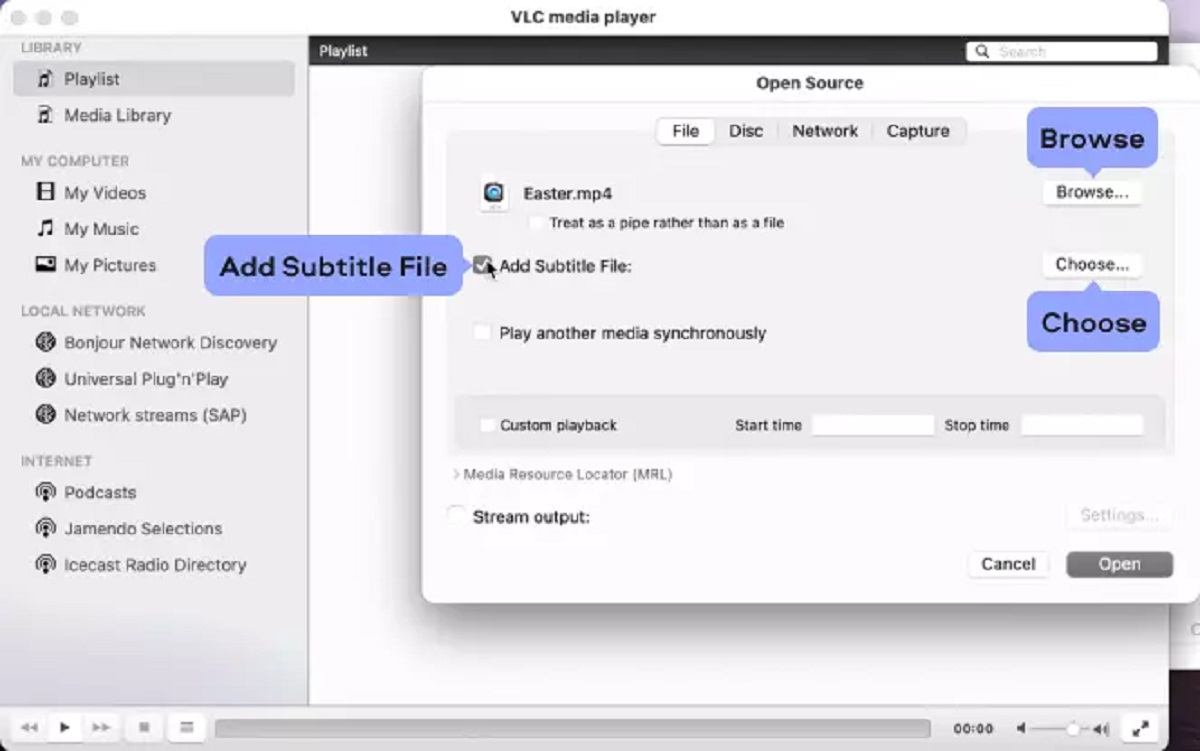
VLC supports many subtitle formats for playback, including .cdg, .idx, .srt, .sub, .utf, .ass, .ssa, .aqt, .jss, .psb, .rt, and .smi. For permanent embedding, text-based formats like SRT (SubRip) work best because they can be rendered directly into the video. Image-based subtitle formats (such as those from DVDs or SVCDs) cannot be customized and may not embed correctly. Before beginning the hardcoding process, verify that your subtitle file is synchronized with the video. Open the video in VLC, load the subtitle file via the Subtitle menu, and watch a few minutes to confirm the text timing matches the audio. If the subtitles are off, adjust the delay using the Subtitle Track options until they align perfectly. This step is critical because once embedded, you cannot edit the subtitle timing without re-encoding the entire video.
How to embed subtitles permanently in VLC
The correct method uses VLC’s Convert/Save dialog with the subtitle filter enabled. Follow these steps:
- Open VLC and go to Media > Convert/Save.
- Click the Add button to select your video file. Do not add the subtitle file here.
- Click the Convert/Save button at the bottom of the window.
- In the Convert dialog, choose a destination filename and location. Use a new name to avoid overwriting the original.
- Click the wrench icon (Edit selected profile) next to the profile dropdown.
- In the Profile edition window, go to the Video codec tab.
- Scroll down to the Subtitles section. Check the box labeled Subtitle overlay. This enables the burning of subtitles into the video.
- Click Save to apply the profile changes.
- Back in the Convert dialog, click Start. VLC will begin transcoding the video with the subtitles burned in. The process may take several minutes depending on video length and your computer’s speed.
After completion, you will have a new video file with the subtitles permanently displayed. Test it by playing the file on a different media player or device to confirm the subtitles appear without any external file.
Troubleshooting common hardcoding issues
Subtitles not appearing in the output
If the converted video lacks subtitles, the most common cause is forgetting to enable the Subtitle overlay checkbox in the profile settings. Re-check this option and re-run the conversion. Also ensure the subtitle file is in a text-based format like SRT; image-based formats may not burn in correctly. If you need to download a YouTube video with subtitles for this process, make sure the downloaded file includes the SRT track before attempting to embed it.
Font customization limitations
VLC allows you to change subtitle font type, size, color, outline thickness, background, and position under Tools > Preferences > Subtitles/OSD. However, these settings apply only to playback and may not carry over to the hardcoded output. The transcoding profile uses its own rendering defaults. To achieve specific font styling in the embedded subtitles, you may need to pre-edit the SRT file with a subtitle editor or use a more advanced tool like FFmpeg with custom font parameters.
Format compatibility advice
Some older video formats like AVI may not handle subtitles well during transcoding, often resulting in missing or garbled text. For reliable hardcoding, choose a modern container format such as MP4 or MKV. These formats support subtitle tracks natively and produce consistent results across devices. If your source file is in AVI, consider converting it to MP4 first before attempting to embed subtitles.