Adjusting time and date on your Fitbit
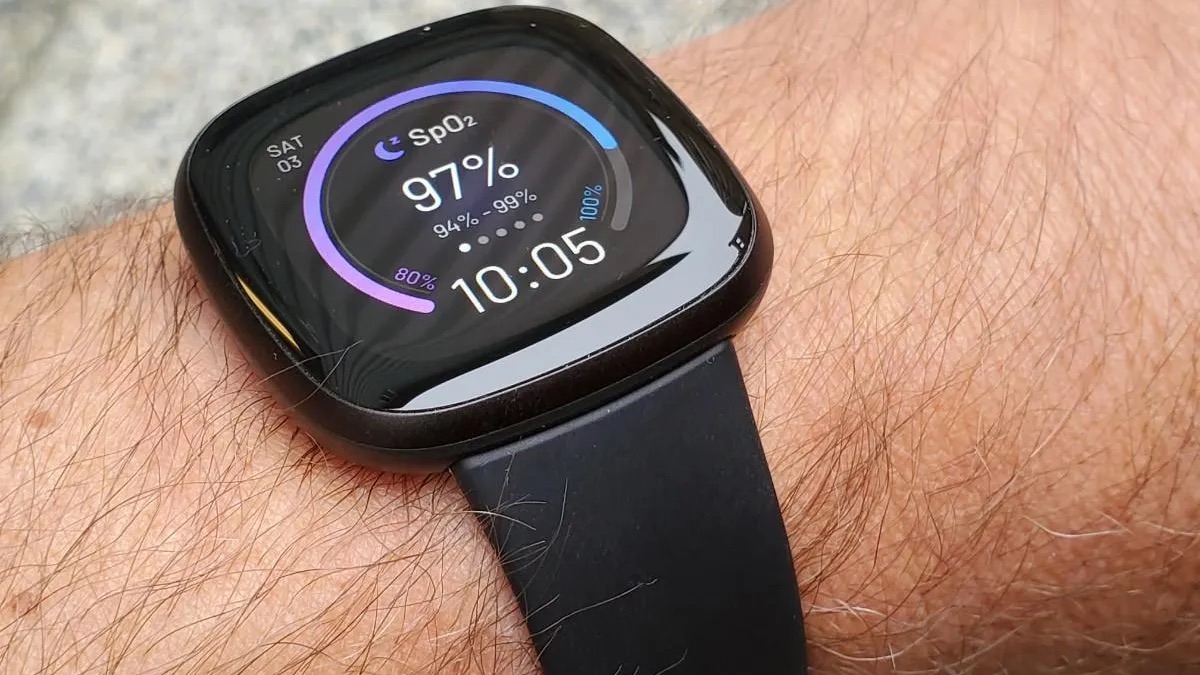
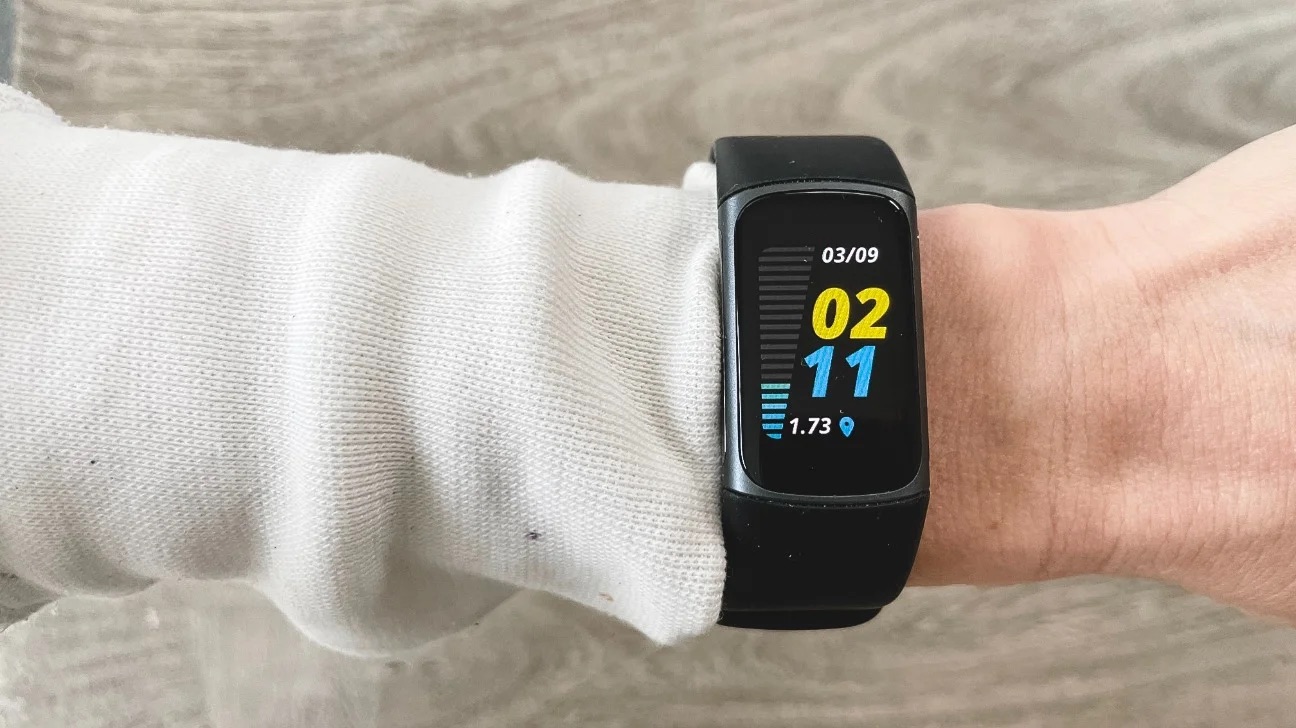
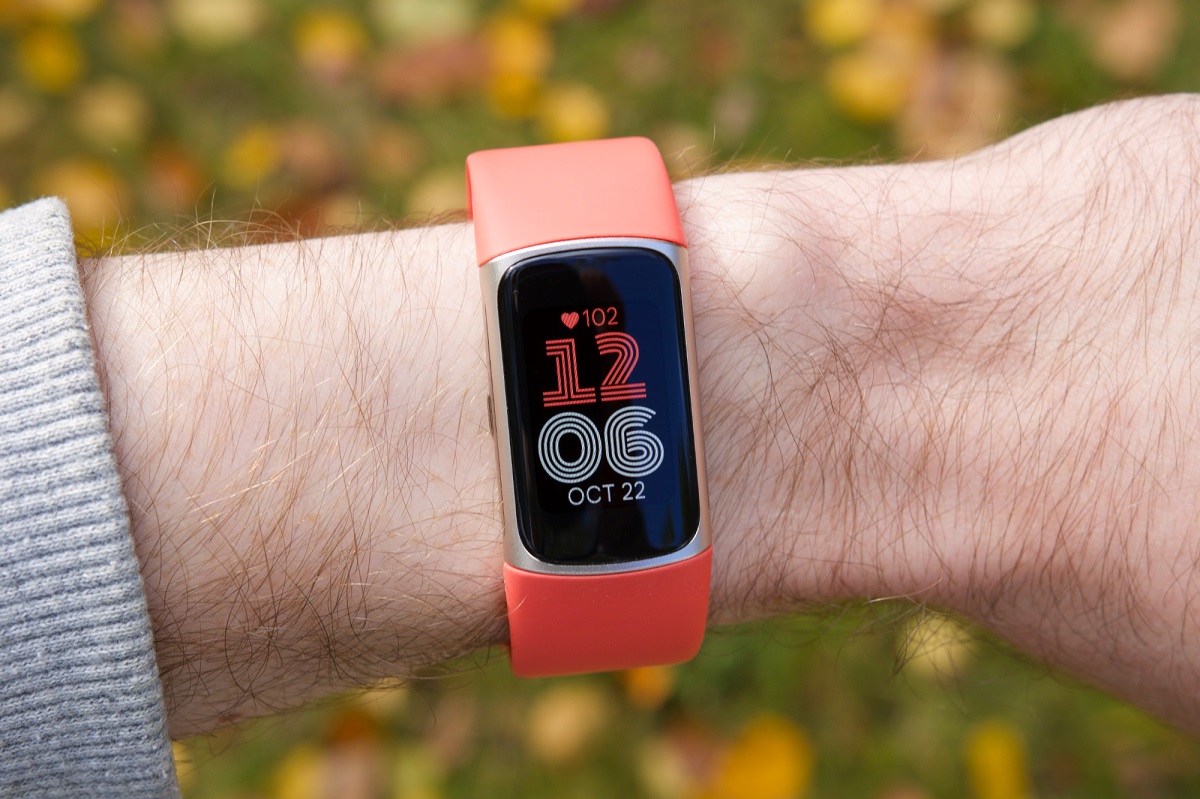
If you need to change time on Fitbit, the fix usually depends on whether the device syncs automatically or needs a manual nudge. For most models, open the Fitbit app and let it sync. This pulls the correct time from your phone. If you are looking for a quick guide to resetting time and date on Fitbit, first ensure your phone’s own clock is accurate. Otherwise the watch will just copy a wrong time. For the Charge 5 specifically, force a sync by pulling down on the app’s dashboard. Wait for the “Syncing” indicator to finish. This covers the specific process of changing time on Fitbit Charge 5 when the automatic update fails. On the Versa 3, the time is tied to your phone’s time zone setting. If you travel or observe daylight saving time, update your phone’s location or time zone in its settings, then sync the watch. This completes the process of changing the time on Fitbit Versa 3. Adjusting the time zone inside a browser or web app only affects how websites interpret your location, not the Fitbit device's clock itself. If your Fitbit keeps showing the wrong time after a reboot, try logging out of the Fitbit app, then logging back in, and syncing again.
Changing time zone in your browser
To override your browser's reported location, use developer tools to change browser timezone without touching your system clock. In Chrome, open DevTools. Use the Customize and Control DevTools menu to navigate to More tools > Sensors. There you will find a dropdown to change time zone on Chrome to any region you need for testing or accessing region-locked content. Some users have reported that the Chrome sensors override disappeared after update. If you do not see the option, check your Chrome version's DevTools documentation for how to re-enable it. Alternatively, use a temporary workaround like changing your system time zone directly. This override only affects what websites see, your actual system clock remains unchanged. For a more persistent privacy solution, users of Firefox can install a browser extension that spoofs time zone data, though these can sometimes conflict with site functionality. For quick one-off tests, the DevTools method is the most reliable and does not require restarting your browser.
Fixing clock problems on a Chromebook
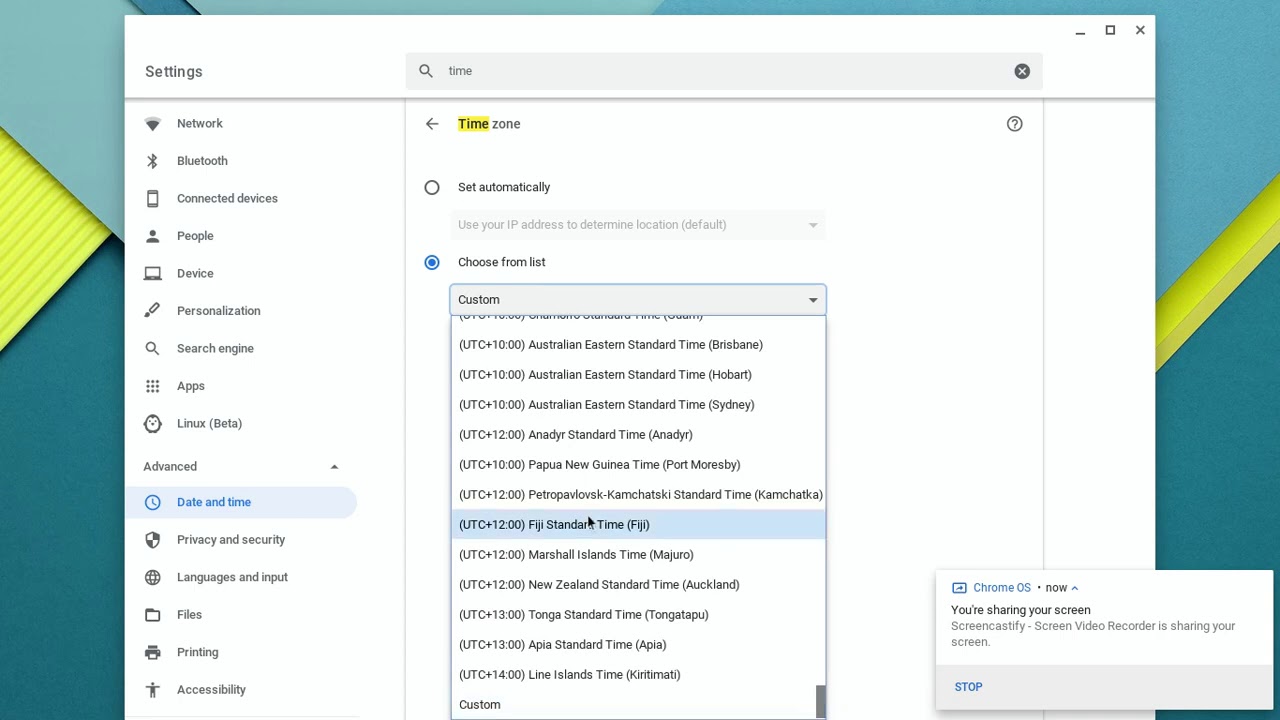
If your Chromebook shows the wrong time, first check whether the clock updates automatically. Open Settings and go to "Date and time." Ensure 'Set automatically' is selected under 'Time zone' to let your Chromebook determine the time zone automatically. To manually adjust the clock, turn that option off. Then change the time on a Chromebook by selecting the correct hour and minute from the dropdowns, which is useful when you need to know how to change the time on a Chromebook for offline or travel situations. School or work devices often gray out these time zone settings. You must then request time zone unlock on a managed Chromebook from your IT administrator, as you would request time zone unlock on a managed Chromebook to gain control over the clock when your employer restricts it. They control these restrictions from the management console.
A clock that resets after every power-off points to a hardware issue. The typical cause of a persistent Chromebook clock reset after shutdown is a dead or weak CMOS battery on the motherboard, which explains why your Chromebook clock reset after shutdown keeps happening. This small internal battery keeps the system clock running when the main battery is disconnected. Replacing the CMOS battery requires opening the case. On many newer Chromebooks, this part is soldered in place. This means a repair shop or a replacement device may be your only option. Before going that route, perform a full power drain. Shut down the device and remove the battery if possible. Hold the power button for 30 seconds. Then reconnect the battery and restart. If the problem persists, the motherboard battery is almost certainly the culprit.