For Fitbit family account setup, you must be the Family Manager of a Google Family group, and the Fitbit app needs to be installed on the primary phone or tablet your child will use to sync their device. This guide walks you through creating a child account, pairing a Fitbit Ace, switching between parent and kid views, and managing parental controls so you can monitor your child’s activity and keep their experience safe.
Before you begin: Fitbit family account setup requirements
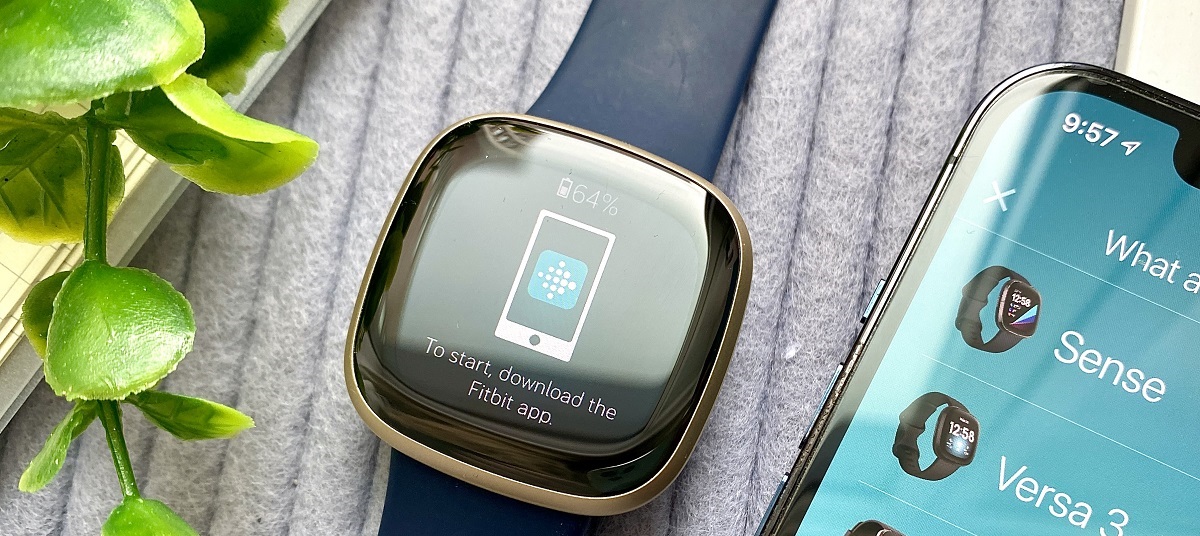
The essential prerequisite for a Fitbit family account setup is that the Google Account you use must be the Family Manager of a Google Family. If you haven’t already created a Google Family group, you’ll need to do that first; it’s the backbone that links your account to your child’s supervised profile. Additionally, the Fitbit app must be installed on the primary phone or tablet your child will use to sync their Fitbit. Without both of these in place, the child account creation process won’t work. Fitbit recommends children be at least 6 years old to wear a Fitbit, and parental consent is required for accounts for children under 13.
How to create a child account in the Fitbit app
Once your prerequisites are met, the child account creation happens inside the Fitbit app on the child’s device, but you’ll be logged in with your own Fitbit account to do it. Follow these steps:
- Tap your profile icon in the Fitbit app.
- Select “My Family.”
- Tap “Add child” (or the “+” icon on Android).
- Choose “Create Child Account.”
- Enter your Fitbit password to confirm your identity.
- Accept the privacy terms.
- Provide your child’s name, username, age, and height.
That last step is where you’ll define the child’s profile details. The age you enter matters because it determines whether the account is treated as a supervised child account (under 13) and what parental controls are available. After you finish, the child account is linked to your family group, and you’ll be ready to pair their Fitbit device.
Setting up a Fitbit Ace device for your child
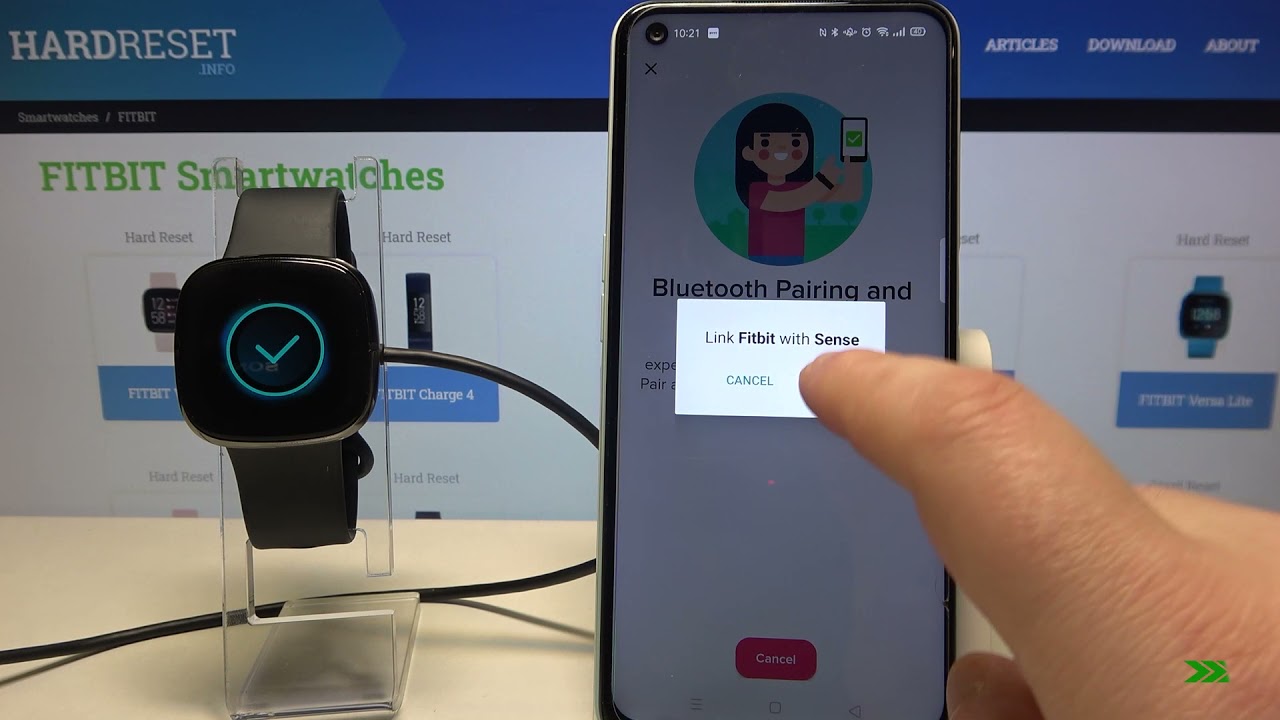
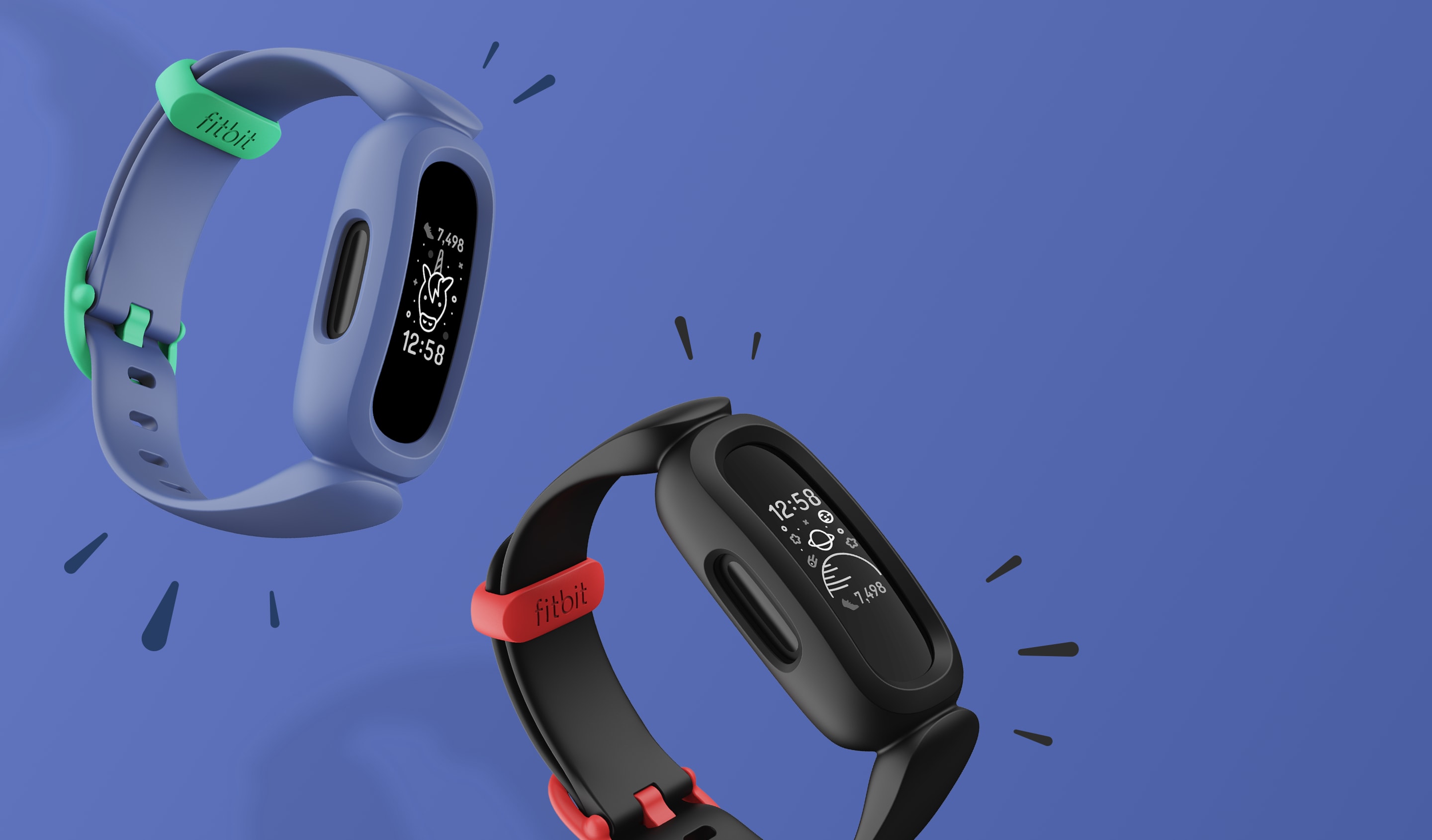
The Fitbit Ace series, such as the Ace 3, is specifically designed for children aged 6 to 13 and uses supervised Google Accounts managed through the Fitbit Ace app. This means the device isn’t tied to a standard adult Fitbit account; it works exclusively with the child profile you just created. To pair the device, open the Fitbit app on the child’s primary device, ensure you’re in the child’s profile (you may need to switch from your parent view first), and follow the on-screen prompts to connect the Ace via Bluetooth. The app will guide you through the syncing process, and once paired, the child’s steps, sleep, and activity data will flow into their supervised account. If you run into issues during Fitbit setup and syncing, the most common fixes are checking that Bluetooth is enabled, the device is charged, and the app is updated. If you're also adding a smart scale to the family, you can follow a step-by-step guide to syncing your Fitbit aria air scale to bring weight and BMI data into the same dashboard.
Switching between parent view and kid view
After setup, you’ll want to toggle between your parent view and your child’s view to see what they see and manage their experience. This is done from the “You” tab in the Fitbit app. Tap the “Family” tile, then select “Switch to child profile” on Android or “Switch profiles” on iOS. Switching to kid view lets you verify that the child’s dashboard looks correct, check their step count from their perspective, and confirm that challenges or messages from approved family members appear as intended. To return to your own account, repeat the same steps and select your profile. This back-and-forth is essential for troubleshooting what your child experiences and for ensuring parental controls are working as expected.
Managing parental controls and privacy settings
As the parent, you have full control over your child’s account within the family account and can view their complete data, including activity, sleep, and any connected metrics. For Fitbit Ace LTE devices, if the child’s Google account is supervised by Family Link, you can manage additional settings like School time, location monitoring, and battery level directly from the Family Link app. This gives you real-time oversight of where your child is and when the device is in a focused mode. Beyond device-level controls, privacy is built into the family structure: a child’s username, name, activity, and picture are shared only with approved connections within the family account. Only family members can send direct messages or challenge invitations, so your child won’t receive unsolicited contact from strangers. You can also review and adjust who is an approved connection at any time, ensuring the social features stay within your trusted circle. These controls are the core of keeping your child safe while they enjoy the benefits of fitness tracking.
\nRelated reading: Wallet Setup: A Guide To Setting Up Your Wallet In Fitbit.