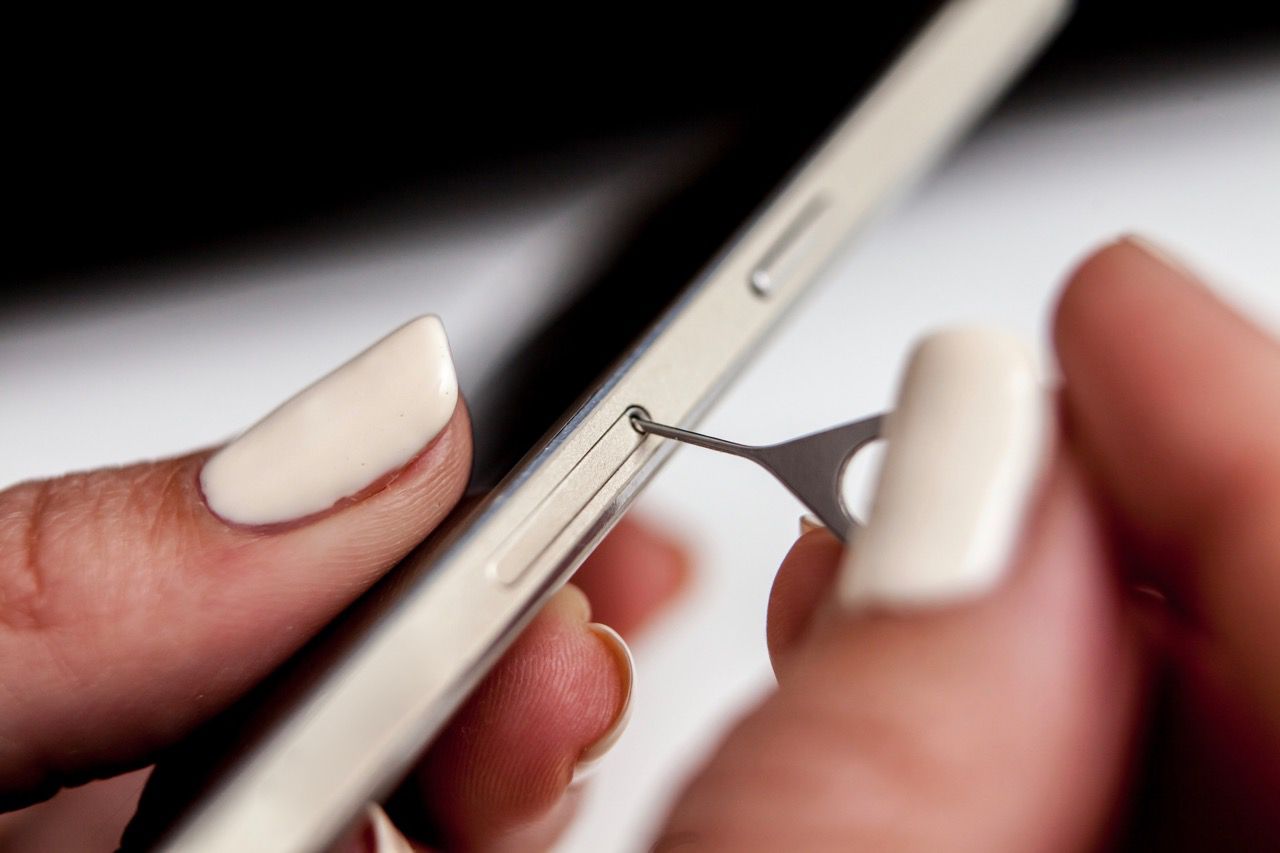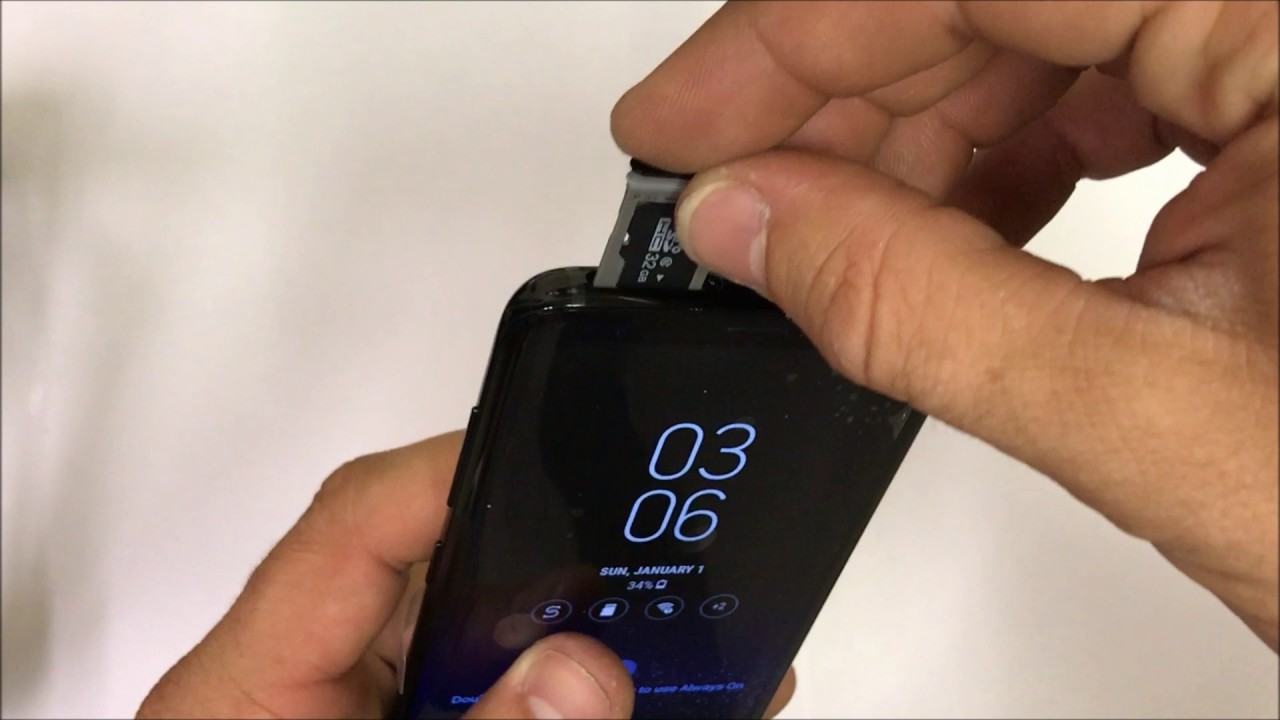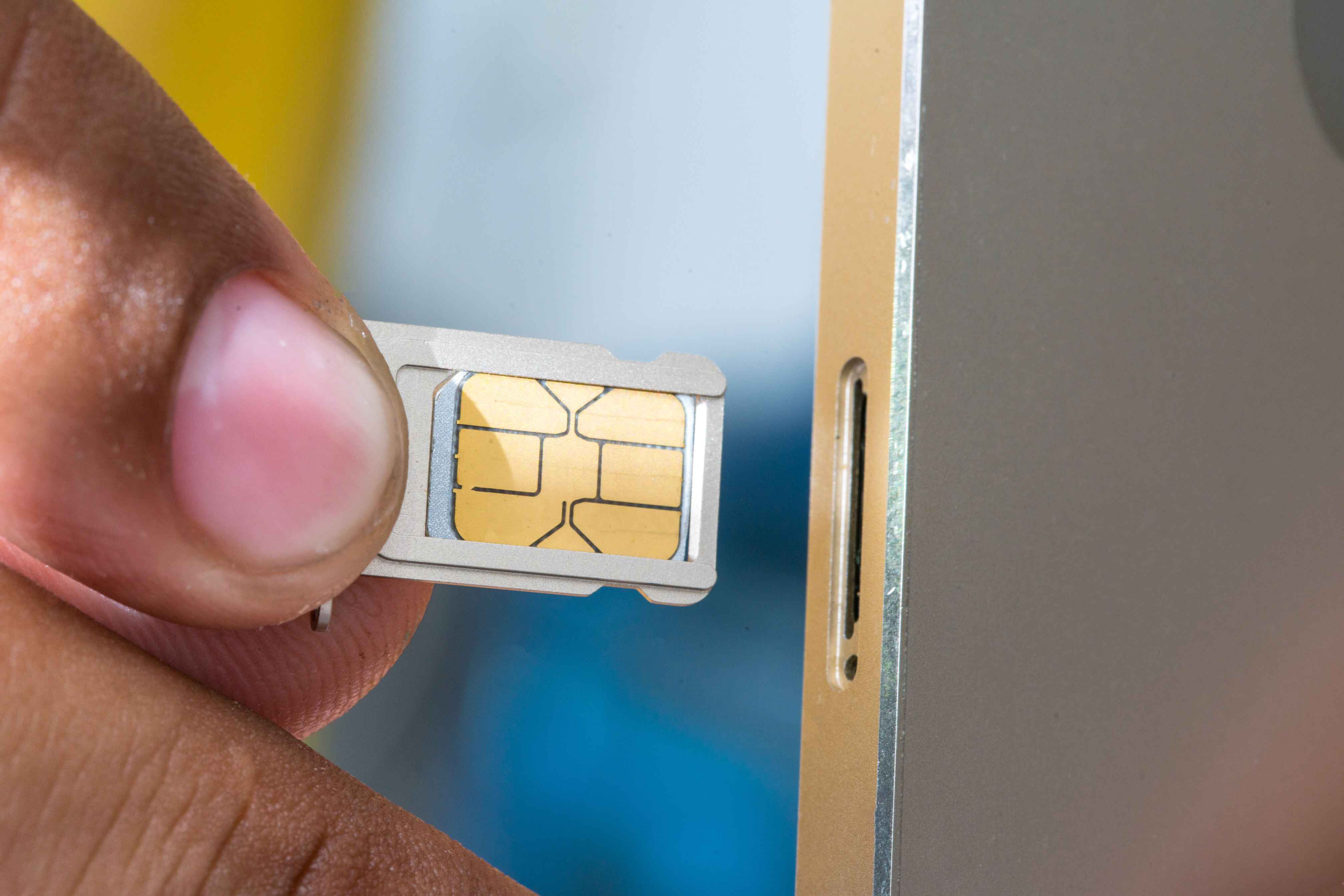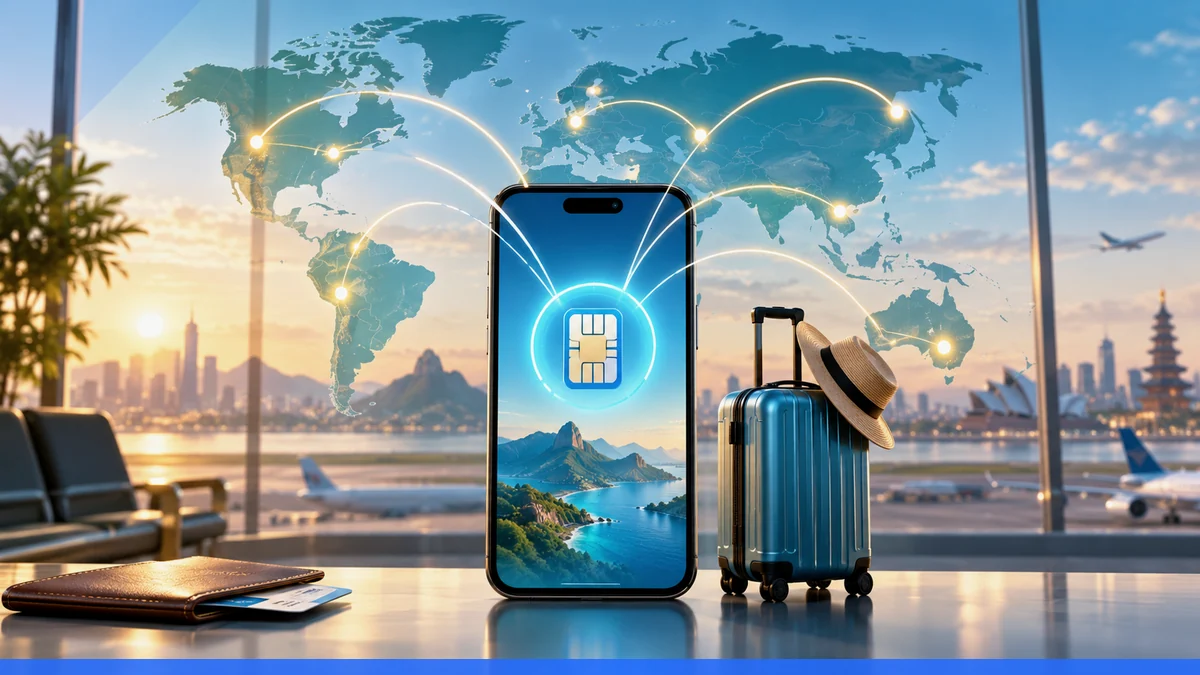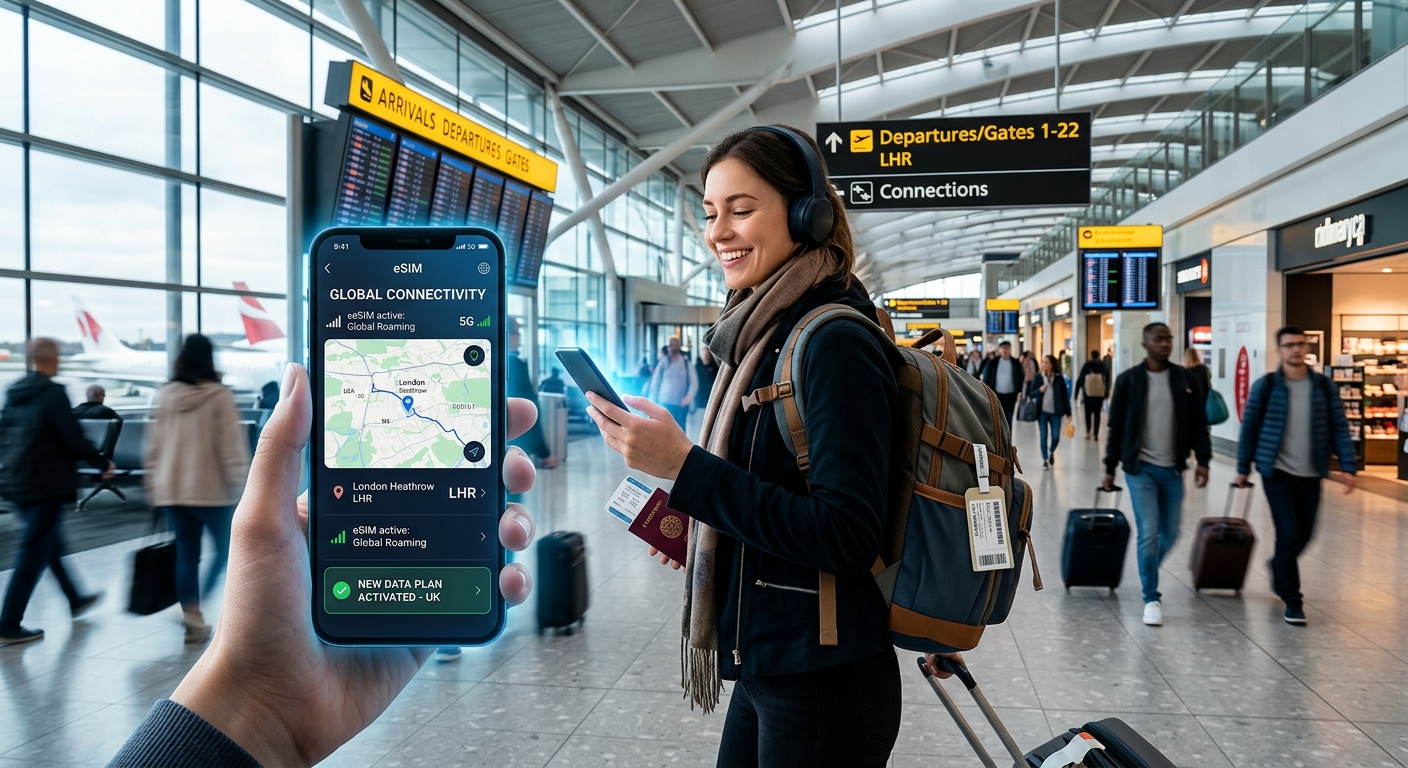
Traveling internationally used to mean one guaranteed headache: the SIM card hunt. You'd land at a foreign airport, drag your bags to a kiosk, hand over cash for a flimsy plastic card, fumble with a SIM ejector pin, and pray you didn't drop the tiny thing on the airport bathroom floor. That whole ritual is going away fast, and if you travel with an unlocked phone, you're already positioned to skip it entirely. eSIM technology has quietly matured into one of the most practical upgrades for frequent travelers, and the way it works in practice is more seamless than most people expect.
Key Takeaway: eSIM lets travelers load a local carrier plan onto their phone before they even board the plane, skipping physical SIM cards entirely. Japan is the clearest test case for why this matters, with dense carrier infrastructure but limited airport SIM availability. A fast eSIM devices compatibility check is the only prerequisite, and the whole setup takes minutes rather than a layover stop at a carrier kiosk.
What eSIM Actually Is, and Why It Matters Now
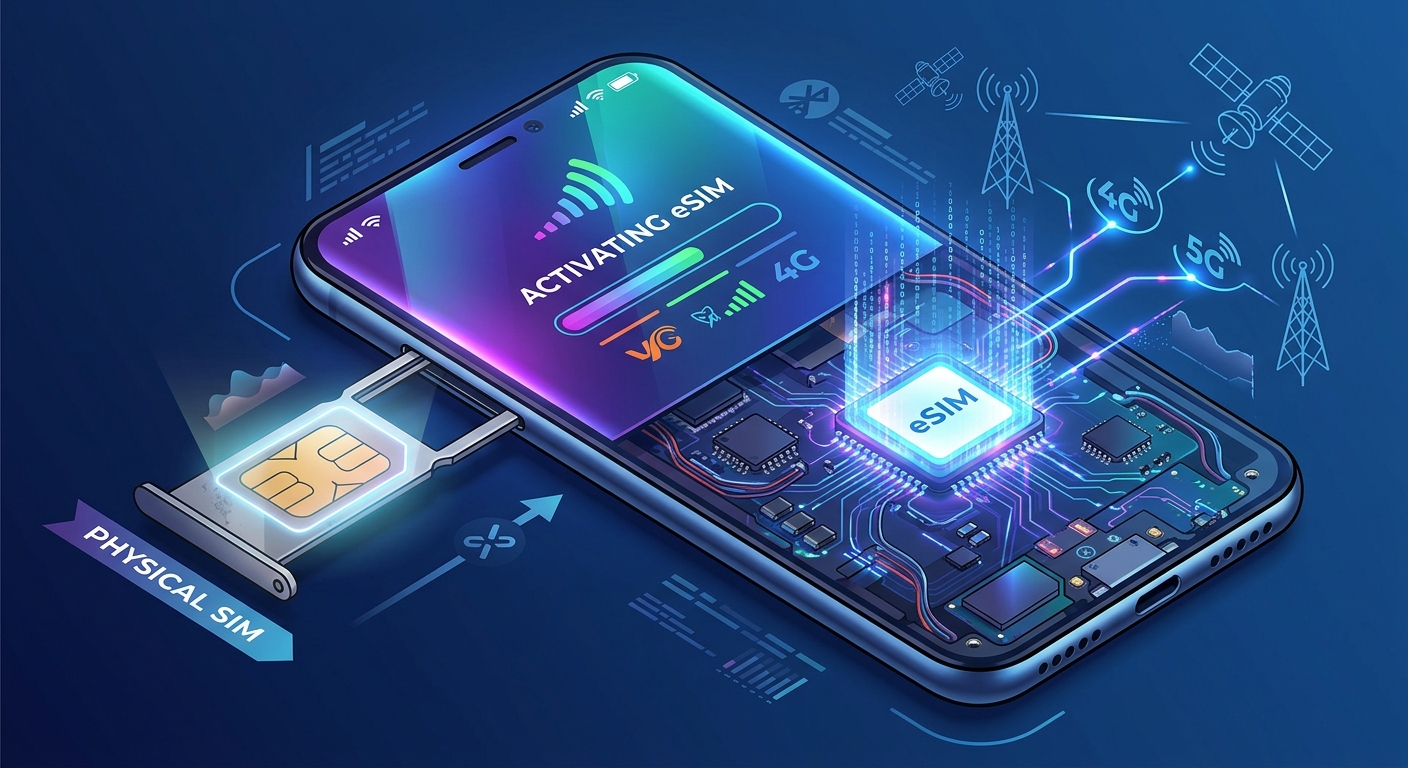
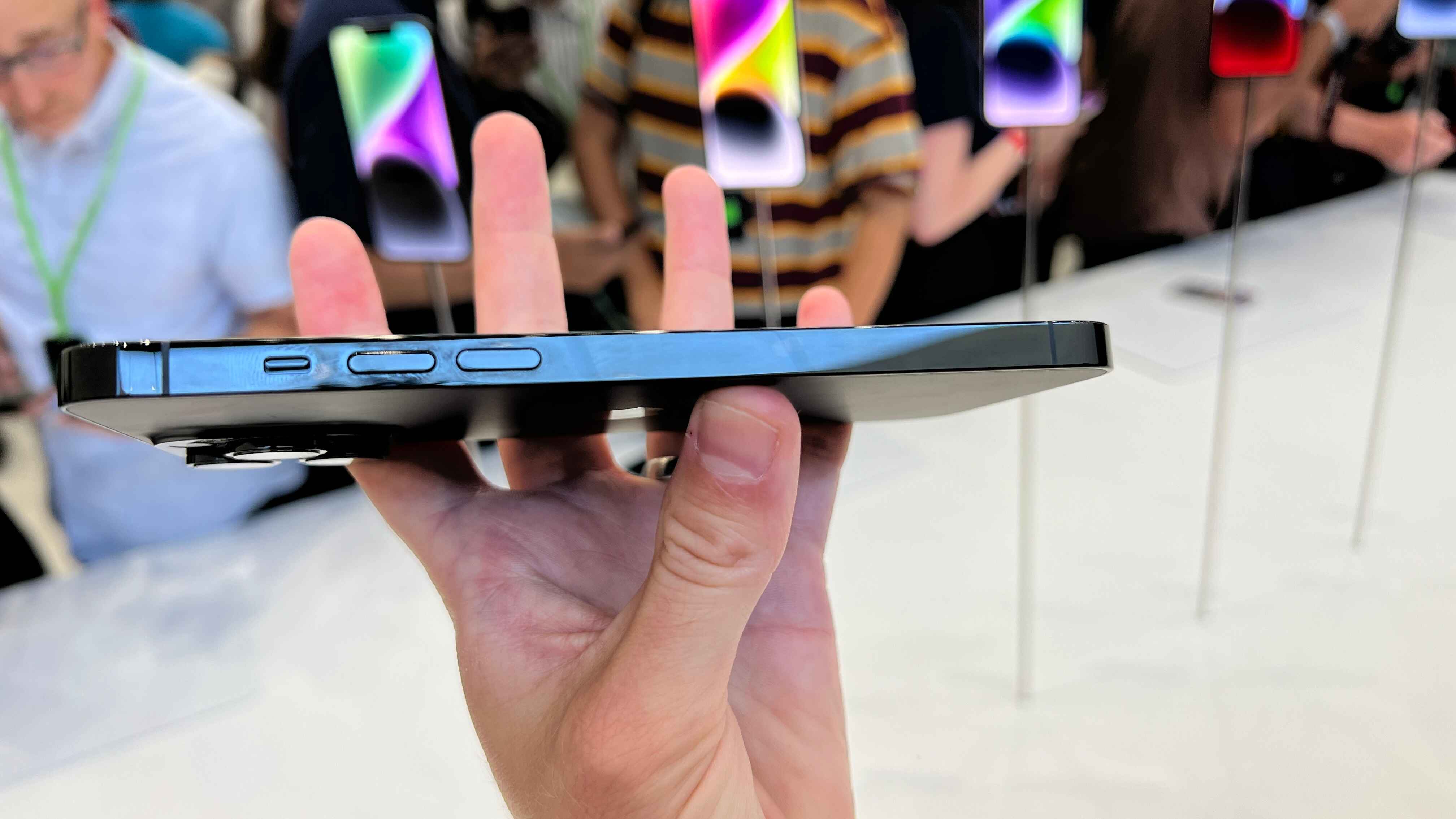
The "e" in eSIM stands for embedded. Instead of a removable chip that gets inserted into a tray, an eSIM is a small programmable chip that's already soldered into your phone's motherboard. Carriers can write a plan to it wirelessly, meaning you can switch between plans or add a new one without physically touching the hardware.
This technology has been standardized and managed by the GSMA, the industry body that coordinates global mobile standards. According to GSMA technical specs, eSIM has been part of the M2M standard since 2012 and became available for consumer devices starting around 2017, with Apple's Apple Watch Series 3 being among the first mainstream products to feature it. Since then, adoption has spread to iPhones, Android flagships, and a growing number of budget devices. The hardware is now widespread. The real shift has been on the carrier side, with more providers building the infrastructure to sell and provision eSIM plans remotely.
For travelers, this convergence matters a lot. You no longer need to find a specific carrier store or airport kiosk in each country. You can purchase a local data plan before you land, activate it on the plane, and step off with a working connection.
Why Japan Is the Definitive Test Case
Japan is a fascinating example of how eSIM adoption has accelerated in a market where the old alternatives were already subpar. The country has some of the most reliable and fast mobile networks in the world, with carrier coverage extending into subway tunnels, rural mountain towns, and remote coastal areas. The infrastructure is exceptional.
But physical SIM access for short-term visitors has always been awkward. Most major international airports have SIM kiosks, but they're concentrated in arrivals halls at Tokyo's Narita and Haneda. If you arrive at a regional airport, take a connecting domestic flight, or arrive outside peak hours, your options get thin. Vending machines that dispense SIM cards exist but are far less common than the internet suggests. Convenience stores sell some options, but language barriers and store-specific stock create friction.
A japan eSIM plan eliminates that friction entirely. You can compare plans, purchase, and download the carrier profile days before departure. By the time you clear customs, your phone is already registered on a Japanese carrier network. No kiosk, no waiting, no language negotiation with a retail associate.
Japan's dense carrier infrastructure also means the eSIM performs exceptionally well once active. You're not using some throttled tourist tier on a single network, you're getting the same multi-band LTE and 5G coverage that locals use.
The Five-Second Check That Saves a Wasted Trip
Here's where a lot of people trip up. Not every phone that looks modern actually supports eSIM. Some budget Android devices skip the feature. Some older flagship models have eSIM hardware but it's locked to a specific carrier, particularly phones bought directly from a US carrier on a payment plan.
Before you purchase any eSIM plan, the smart move is to verify your phone. This is genuinely a quick lookup on your device's settings page or on a carrier compatibility tool. Checking your phone's supported eSIM capabilities takes under a minute and tells you definitively whether your device can accept an eSIM plan, and how many it can hold simultaneously.
It's the kind of step that feels obvious in hindsight but gets skipped constantly. Someone buys a travel eSIM, lands in Tokyo, tries to activate it, and discovers their phone is carrier-locked. That's a frustrating way to start a trip. The five-second check is the only mandatory prerequisite.
Comparing eSIM and Physical SIM for International Travel
The table below maps out the practical differences between the two options for a typical international trip.
| Factor | eSIM | Physical SIM |
|---|---|---|
| Purchase timing | Before departure | Usually on arrival |
| Activation speed | Minutes via QR or app | 10-30 minutes at kiosk |
| Airport dependence | None | High (kiosk availability varies) |
| Risk of loss | Zero | Real (tiny card, easy to drop) |
| Multi-destination use | Switch plans digitally | Requires new card per country |
| Device requirement | eSIM-compatible phone | Any unlocked phone |
| Language barrier | None (online purchase) | Possible at retail |
The physical SIM column isn't all negatives. It works on older phones, and in some countries it's significantly cheaper if you're staying for weeks rather than days. But for the typical tech-savvy traveler doing a one to two week trip with an unlocked flagship phone, eSIM wins on almost every practical dimension.
How Setup Actually Works in Practice
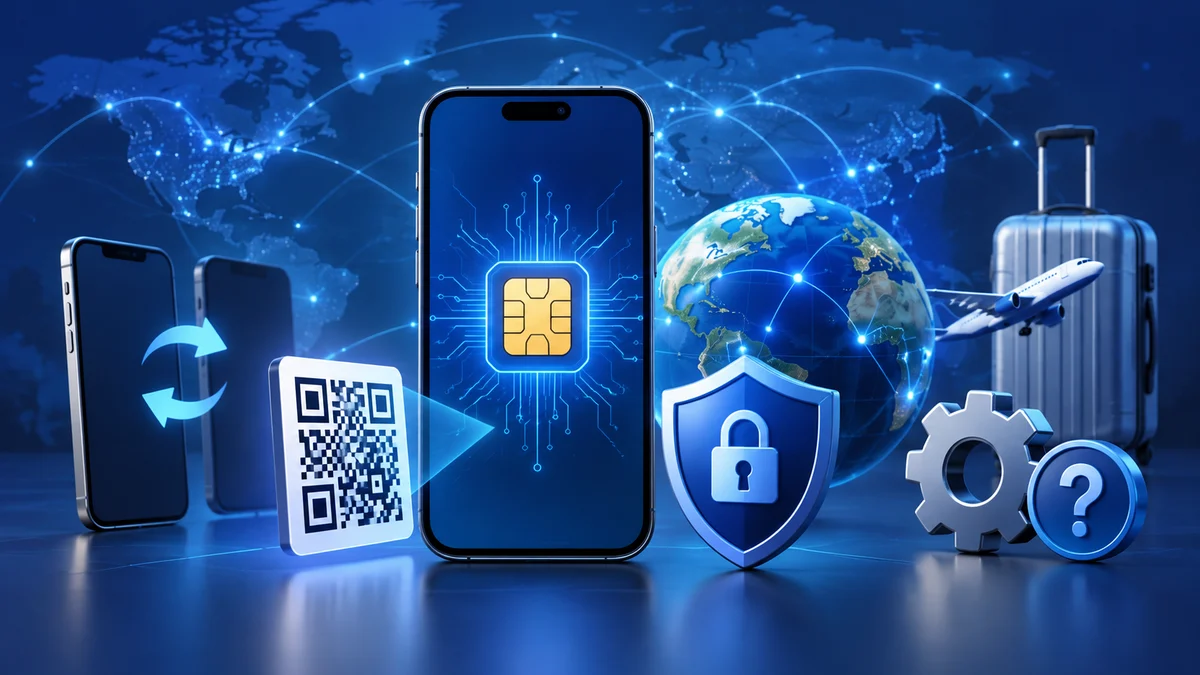
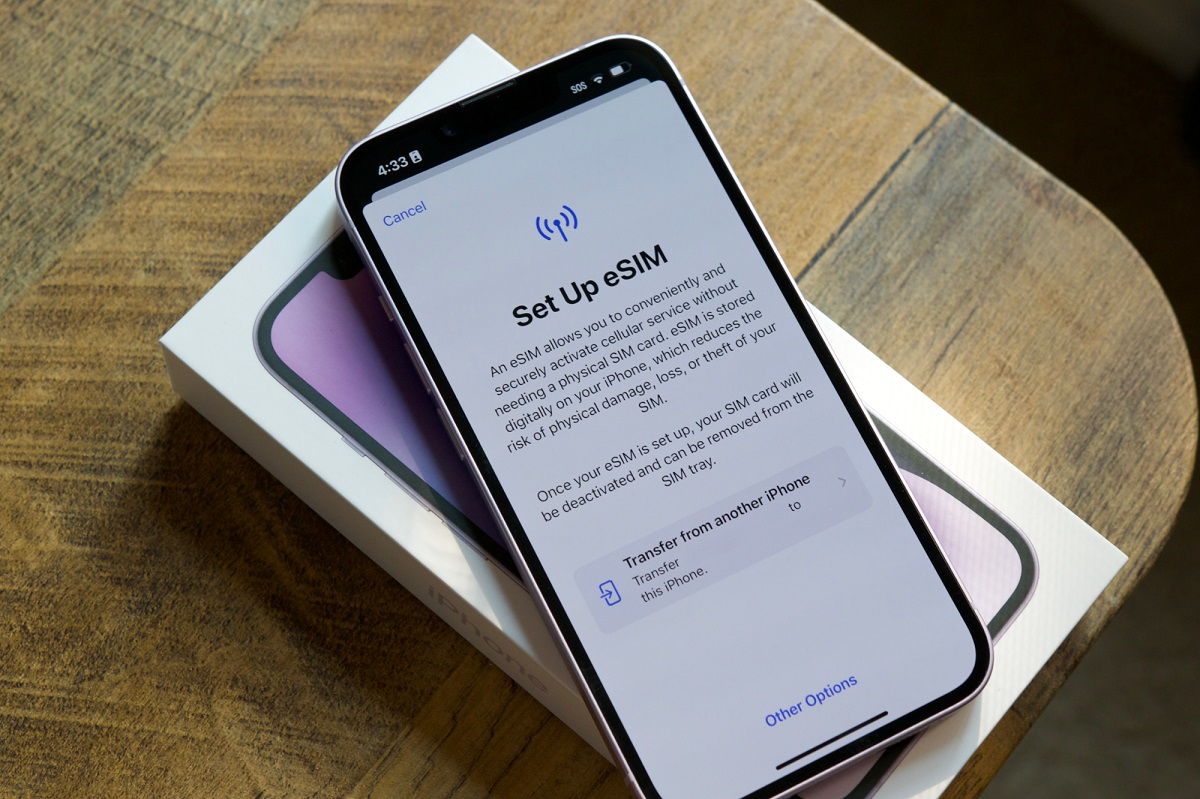
The process varies slightly between carriers and operating systems, but the general flow is consistent. You purchase a plan online, receive a QR code, and scan it through your phone's settings. The phone downloads the carrier profile, and you assign it a label like "Japan Trip" so you can manage it easily alongside your home plan.
On iPhone, this lives under Settings, then Cellular, then Add eSIM. Android devices have the same function under Network or Connections settings, depending on the manufacturer. The QR scan takes about ten seconds. The profile downloads in another thirty seconds or so over Wi-Fi. From there, you can toggle between your home plan and the travel plan with a couple taps, which is particularly useful if you want to receive calls or texts on your regular number without running up international roaming charges.
Most modern phones support dual SIM configurations, meaning your physical home SIM and the eSIM can coexist. You pick which plan handles data, which handles calls, and the phone manages the rest transparently.
What Tech Travelers Often Overlook
Data limits and speed caps are the two most common points of confusion. Some eSIM plans advertise "unlimited" data but apply speed throttling after a few gigabytes. That's fine for casual browsing but frustrating if you're uploading video content or relying on high-resolution maps in areas with weak signal.
Read the plan terms before purchasing. Look specifically for the high-speed data allowance, the throttle threshold, and whether the plan includes calling or just data. For most travelers, a data-only plan is sufficient since modern apps handle voice over IP calls without needing traditional calling minutes.
Roaming within a region is another consideration. Some Japan eSIM plans are Japan-only, while others cover multiple Asian countries under a single plan. If your trip includes a side journey to South Korea or Taiwan, check whether your plan covers those too or whether you'd need a separate activation.
The Technology That Travels as Well as You Do
eSIM won't replace every aspect of mobile travel planning, but it removes the single most friction-heavy part of international connectivity setup. The shift from physical hardware to downloadable profiles mirrors how travel itself has moved from paper tickets to digital boarding passes. It's a behind-the-scenes infrastructure change that makes the whole experience feel lighter.
For anyone carrying an unlocked phone on their next international trip, the workflow is straightforward: verify compatibility first, choose a reputable carrier with strong local network partnerships, purchase before you leave, and scan the QR code on your couch rather than in an airport arrivals hall. Japan remains the clearest demonstration that this approach is ready for mainstream use. The infrastructure is there, the carrier coverage is outstanding, and the alternative of hunting for a physical SIM at a Japanese airport is genuinely a worse experience for most travelers. eSIM isn't a niche feature anymore. It's the sensible default.
More eSIM resources: Browse our eSIM guides and troubleshooting resources for compatibility, setup, travel-data and account-safety advice.
\nRelated reading: How eSIM Works and Why Your Next Phone Might Not Have a SIM Slot, Opening The SIM Card Slot: A Step-by-Step Guide, and The Complete eSIM Guide: Setup, Transfers, Security and Travel Data.