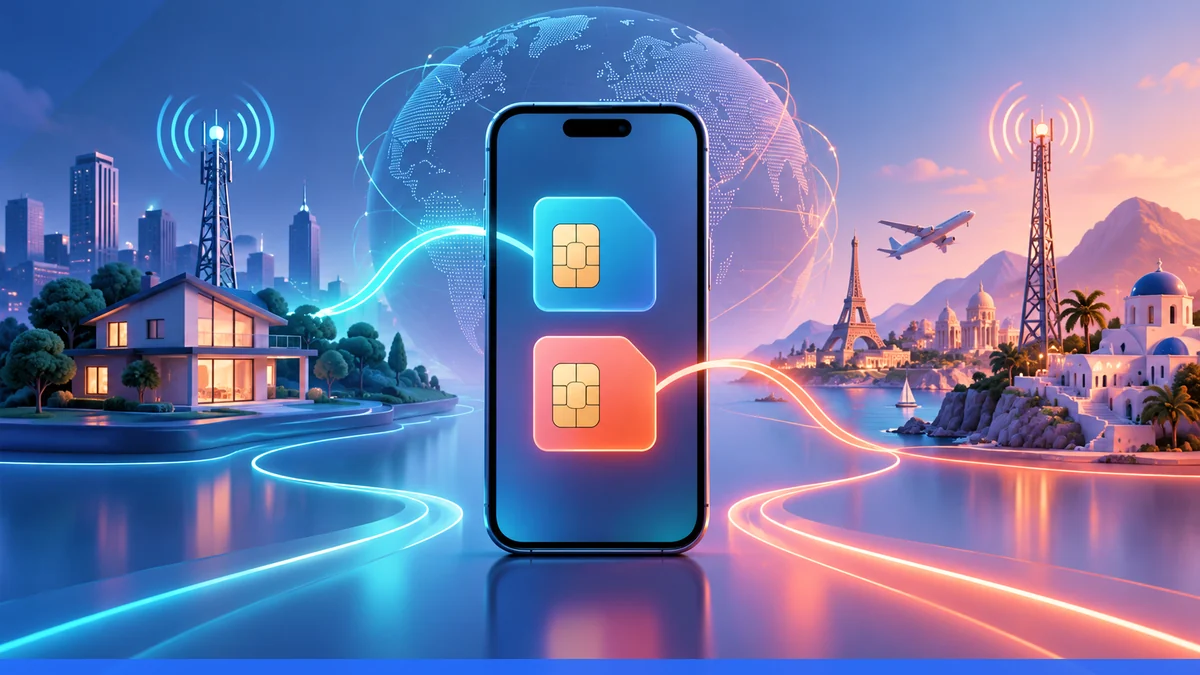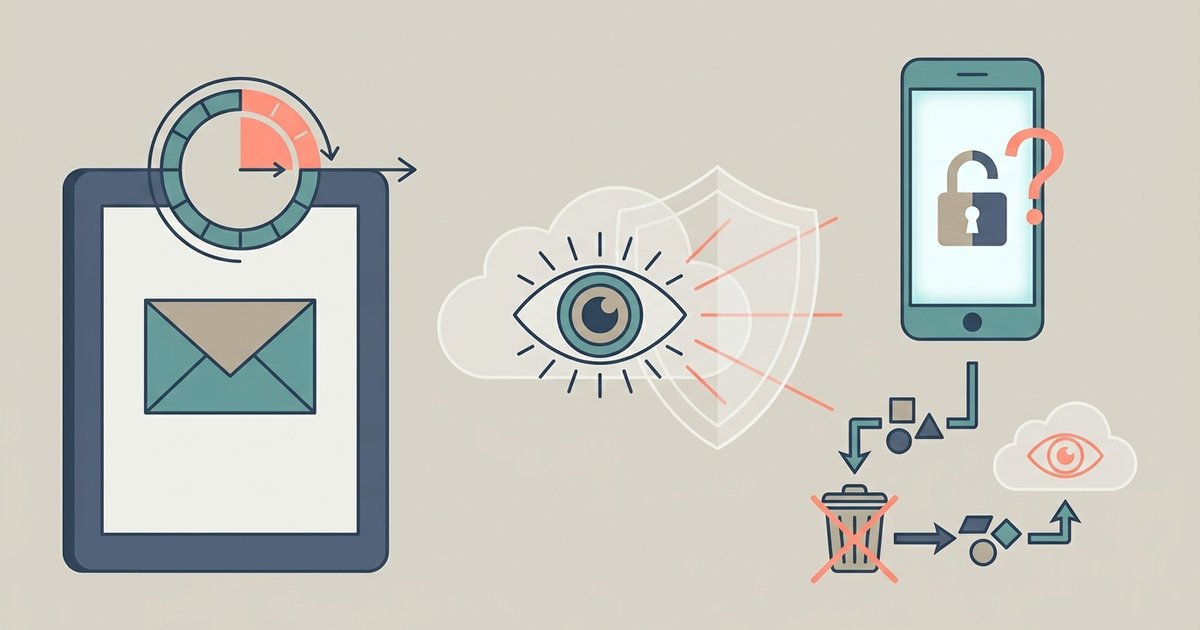






How much travel eSIM data you need depends on what you do on the road, not on a universal number. Apple says you can turn cellular data on or off in Settings > Cellular and manage roaming and network options there, and it also points travelers to their carrier’s international plans or a travel eSIM; the FCC says to check roaming rules and rates before you travel and to confirm your device will work abroad. [Apple's cellular-data guidance][FCC's international roaming guidance]
Start with behavior, not a headline data bucket
Travel data use changes sharply with app mix, trip length, and whether you rely on maps, messaging, browsing, uploads, or video. The cleanest way to estimate usage is to identify what your phone will actually do each day and size the plan around that pattern rather than buying a fixed amount because it sounds “safe.”
For a consumer tech reader, that usually means separating light use from heavy use:
- Light use: messages, email, rides, maps, and occasional web use.
- Moderate use: regular social posting, photo uploads, navigation, and music streaming.
- Heavy use: frequent video, hotspot use, cloud backups, and long app updates.
What uPhone documents about plan structure
uPhone’s eSIM data plans page frames its offers as prepaid plans: you pay upfront for a fixed amount of data, and when it is used up, you buy more. The same page contrasts that with postpaid plans, which bill at the end of a monthly cycle and are described there as better for residents and long-term stays than for a 1–2 week holiday.
uPhone also says its plans are organized by destination, with destination pages and a global option. Its home page says it offers eSIM data plans for 150+ countries, plus an unlimited-data option and a “Globetrotter Plan” for 150+ countries with one eSIM.
Use the device settings to control usage
Apple’s cellular-data guidance says iPhone users can go to Settings > Cellular to turn Cellular Data on or off, and can tap Cellular Data Options to manage roaming and network options. Apple also says that if an iPhone has multiple SIMs, users can go to Settings > Cellular and then tap Cellular Data to choose which line handles cellular data.
That matters because the easiest way to reduce travel usage is to stop background traffic on the main line and keep the travel eSIM for the jobs you actually need. Apple’s page also says that to stay connected while traveling, users can contact their carrier about international plans or add a travel eSIM.
How to estimate your own need
Use your normal phone behavior as the baseline, then add the travel-specific tasks you expect to do every day. If your trip mainly needs navigation, booking confirmations, messaging, and light browsing, a smaller prepaid bucket is usually the right shape; if you expect repeated video calls, cloud backups, or hotspot use, a larger plan fits better.
A practical way to size a plan is to ask four questions before you buy:
- Will the phone be online all day or only when needed?
- Will maps be used continuously or only for short transfers?
- Will photos and videos be uploaded on mobile data or only on Wi‑Fi?
- Will other devices connect through the phone’s hotspot?
Those answers tell you more than a generic “travel plan size” ever will.
How to reduce usage without breaking the trip
Apple’s settings page gives the main control point on iPhone: Settings > Cellular. From there, users can shut off cellular data when it is not needed, and can manage roaming and network options before or during a trip. That is the most direct way to stop accidental usage from background app refresh, updates, and automatic syncing while abroad.
- Keep cellular data off until you need it.
- Use the travel eSIM only for the line that needs data.
- Reserve photo and video uploads for Wi‑Fi.
- Check roaming and network options before leaving home.
The FCC’s international roaming guidance also says to understand roaming rules and rates before you travel, and to confirm whether your phone is unlocked or otherwise able to use service abroad. It notes that mobile networks differ from country to country and that some functions may work differently than expected.
What to check before you buy
Before choosing among uPhone travel eSIM plans or any other travel plan, check the destination, validity period, and whether the plan is prepaid or unlimited. If the trip spans more than one country, confirm whether the plan covers all of them; uPhone’s home page and plan pages distinguish single-destination offers from its 150+ country options.
If your trip is short and your phone use is predictable, a fixed bucket is easier to control. If your use is uncertain, the safest approach is to keep cellular data tightly managed in iPhone settings and buy a plan that matches the trip’s actual pattern rather than a guessed average.
More eSIM resources: Browse our eSIM guides and troubleshooting resources for compatibility, setup, travel-data and account-safety advice.
\nRelated reading: The Complete eSIM Guide: Setup, Transfers, Security and Travel Data.