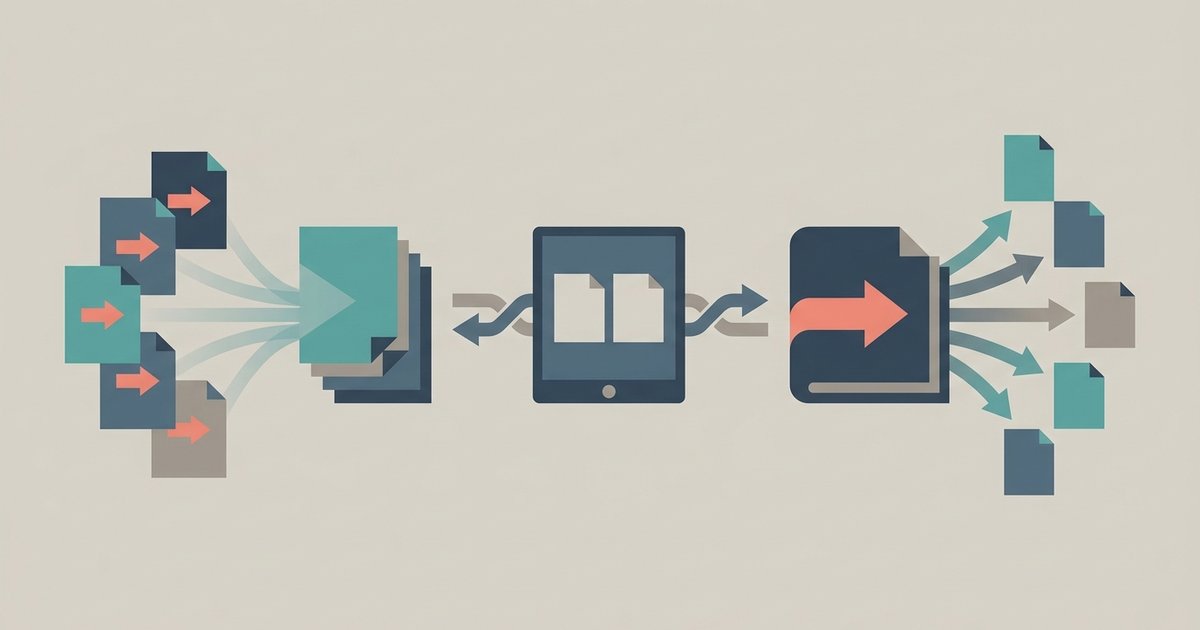
To project laptop screen to wall without projector, you will connect your laptop to a wall-mounted TV or large monitor using one of three practical paths: a wired HDMI connection, a wireless Miracast or AirPlay mirror, or a streaming adapter like Chromecast or Apple TV. This guide covers each method step by step, so you can choose the one that fits your laptop and display setup.
What you need to project laptop screen to wall without projector
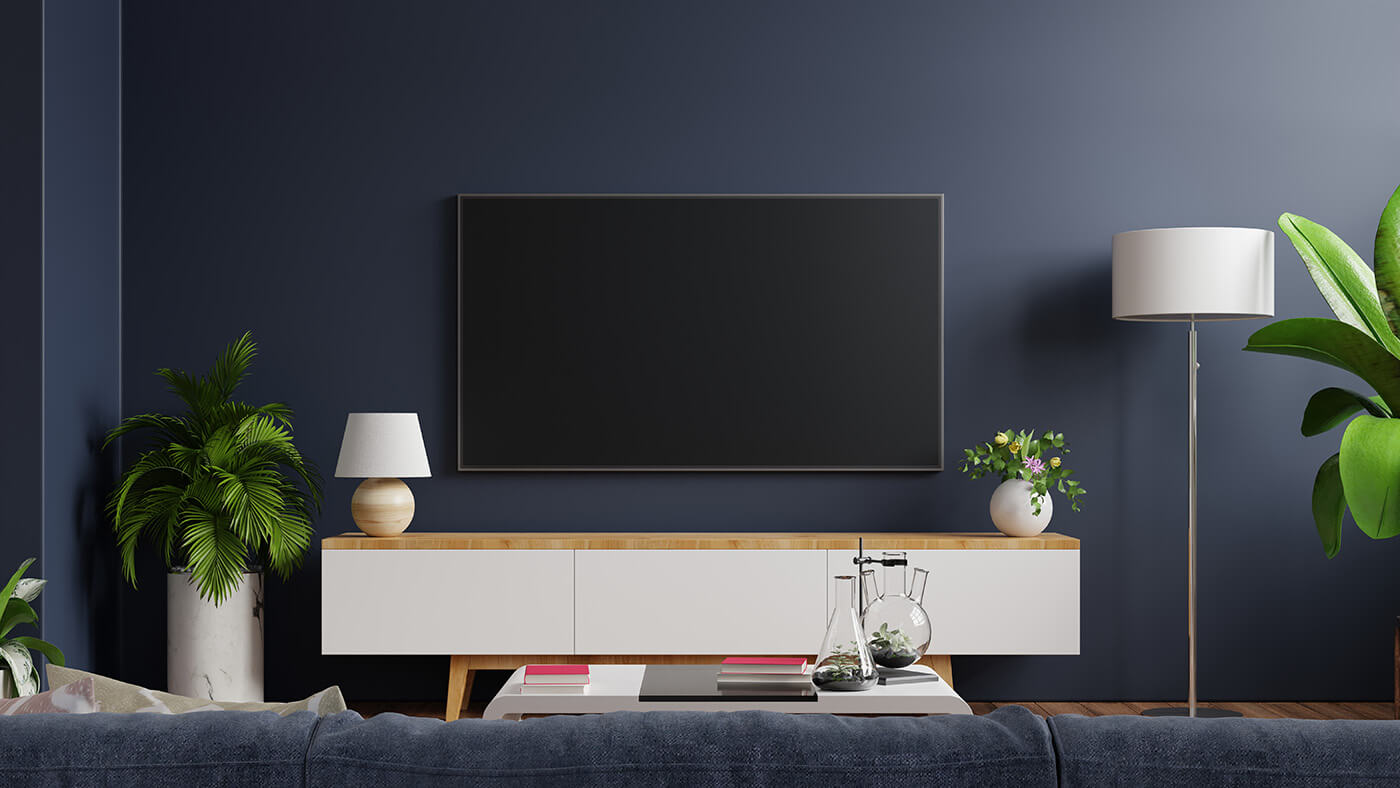
First, a clear clarification: this guide does not involve projecting onto a bare wall. Instead, you will be mirroring your laptop screen to a wall-mounted TV or a large monitor that is already fixed to the wall. The three main paths are: wired (using an HDMI cable and adapters if needed), wireless (using built-in Miracast or AirPlay), and adapter-based (using Chromecast or Apple TV). For tracing tasks where you need an enlarged template on paper, you can also project an image to trace without a projector using a simple DIY setup. If your wall-mounted display is a smart TV, you can often turn on projector without remote by using the physical power button or a mobile app. Each method has different requirements, but all will get your laptop screen onto that large wall display without a traditional projector.
Wired method: Use an HDMI cable (and adapters if needed)
The most reliable way to project your laptop screen to a wall-mounted TV is with a standard HDMI cable. This method gives you a stable, high-quality connection with no lag, which is ideal for presentations or watching movies.
Start by connecting one end of the HDMI cable to your laptop’s HDMI port and the other end to an available HDMI input on the wall-mounted TV. If your laptop does not have an HDMI port, you can use adapters like USB-C to HDMI or DisplayPort to HDMI to connect to an HDMI-compatible TV. Once the cable is connected, turn on both devices.
If the image appears stretched or blurry, adjust the resolution settings. This ensures the projected image is sharp and fills the screen properly.
Wireless method 1: Screen mirror with built-in Miracast
If you want to avoid cables entirely, Miracast is a wireless display standard that allows you to mirror your Windows laptop screen to a compatible smart TV or a display connected to a Miracast adapter. One of the biggest advantages of Miracast is that it often establishes a direct connection without needing a Wi-Fi network, so you can use it even in locations without internet access.
For Windows laptops, Miracast requires Windows 8.1 or Windows 10/11, Wi-Fi capability, and driver support. The receiving display must also support Miracast natively or use a Miracast receiver. Many modern smart TVs come with built-in screen mirroring functionalities, often supporting Miracast or similar technologies, allowing for a direct wireless connection from your laptop.
To connect via Miracast on Windows 10/11, press the Windows logo key + K to open the “Cast” panel. Your laptop will scan for available wireless displays. Select your TV or wireless display from the list of available devices, and the connection will be established. Once connected, your laptop screen will appear on the wall-mounted TV, and you can move around freely without being tethered by a cable.
Wireless method 2: Cast via Chromecast or Apple TV
If your laptop or TV doesn’t support Miracast, you can use a Chromecast or Apple TV device as an alternative wireless adapter. These devices plug into the HDMI port of your wall-mounted TV and allow you to stream your laptop screen over your Wi-Fi network.
For Chromecast, make sure the device is plugged into the TV and both your laptop and Chromecast are on the same Wi-Fi network. Open the Google Chrome browser on your laptop, click the three-dot menu in the top right corner, and select “Cast.” Choose your Chromecast device from the list, and your laptop screen will be mirrored on the TV. This method works well for presentations, streaming videos, or sharing a browser tab.
On a Mac, click the AirPlay icon in the menu bar and select your Apple TV. Your laptop screen will then appear on the wall-mounted TV. These streaming devices are practical alternatives when Miracast is unavailable, and they offer a seamless wireless experience for both work and entertainment.
Avoid this: Why makeshift lens tricks won't work
You might be tempted to try a DIY “homemade projector” using a magnifying lens and your laptop, but claims of creating a clear, high-quality projection this way are generally not practical. These makeshift setups will not produce a usable wall projection, the image will be dim, distorted, and nearly impossible to focus. The physics of projecting a bright, sharp image require a proper lens system and a powerful light source, which a laptop screen simply does not provide. Instead of wasting time on tricks that won’t work, stick to the wired or wireless methods described above. They are reliable, easy to set up, and will give you a crisp, clear image on your wall-mounted TV or monitor.