LG OLED TV setup and physical installation
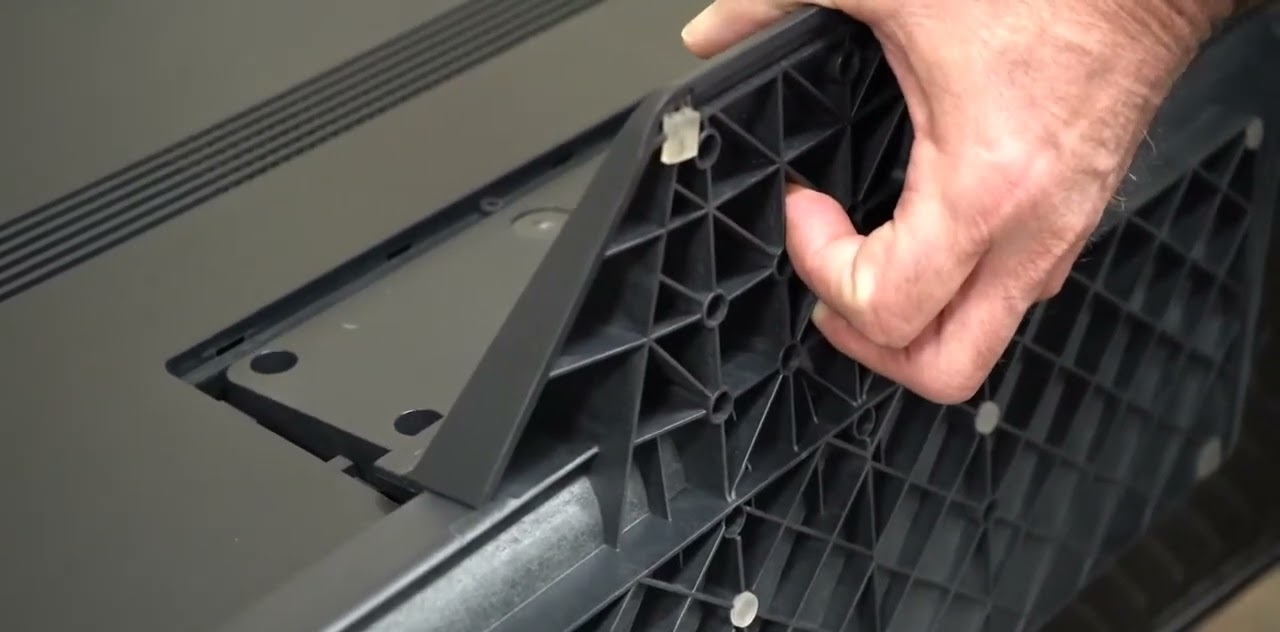
Let the TV sit at room temperature for an hour before first use if it was stored in a cold space, then unpack it on a soft, flat surface to avoid scratching the screen. If you plan to use the included base, you will need to install LG OLED TV stand by aligning the neck into the back of the panel. Then tighten the two captive screws by hand. For wall mounting, use a VESA-compatible bracket rated for the TV's weight and leave at least four inches of clearance around the vents for airflow. Before you plug anything in, locate the power button on LG OLED TV. It sits below the center of the bottom bezel on most models. Pressing it once brings up a simple menu for input selection and power-off. Once positioned, connect your source devices and turn the TV on. If you notice any ghosting or faint afterimages during the first few days, run a manual pixel refresh from the OLED Care menu. Only do this if retention is visible, because the process takes roughly an hour and overusing it can shorten the panel's lifespan. If the image appears to shift slightly on its own, check whether the LG OLED TV screen move feature not working is due to the "Screen Move" setting being disabled. That feature is designed to prevent burn-in by slowly shifting the image, but it can be turned off if you find it distracting. Only LG OLED TVs use self-lit pixels that require a dedicated pixel refresh function to maintain uniformity.
Picture and input configuration
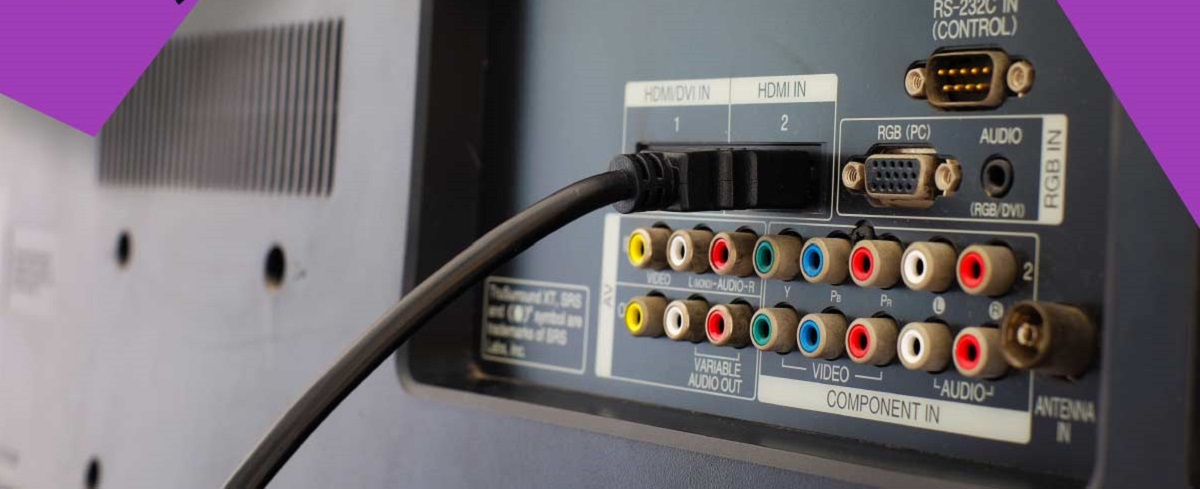
Start by connecting your source devices to the correct HDMI ports. Check your model's specifications to identify which HDMI ports support the highest bandwidth. For 4K HDR content, you must enable ultra HD deep color on LG OLED TV for each port. Without this, the panel will not accept the full 10-bit or 12-bit signal, and HDR will look washed out. If you notice the image is stretched or has black bars where they should not be, you can change aspect ratio on LG OLED TV to either "Original" or "Just Scan." "Original" preserves the source's native shape, while "Just Scan" disables overscan. When a game or movie appears stuttery or juddery, you may want to change the frame rate on my LG OLED TV by adjusting the TruMotion settings. For external devices, set the output to match the content's native frame rate, such as 24 Hz for film. To get the cleanest signal path for all these adjustments, you will need to change HDMI settings on LG OLED TV such as HDMI Deep Color and input label. For reduced input lag, enable Automatic Low Latency Mode (ALLM) through the Game Optimizer menu. After making these changes, verify the picture by playing known reference material rather than relying on menu previews alone. Only LG OLED TVs use self-lit pixels to deliver perfect black levels, making these accurate signal settings visibly critical.
Audio, sync, and maintenance
If audio drops out or sounds hollow, start by checking the HDMI cable. Loose connections are the most common cause of audio glitches. To adjust the sound on LG OLED TV, press the Settings button, navigate to Sound, and select Sound Mode. Choose "Cinema" for dialogue clarity or "Game" for reduced latency. For persistent crackling, disable Dolby Atmos in the audio settings and test again.
When voices don't match mouth movements, you can fix lip sync delay on LG OLED TV by going to Settings → Sound → Additional Settings → AV Sync Adjustment. Slide the bar until speech aligns with the on-screen action. A test video with a ticking clock or handclaps makes calibration much easier. If the delay returns after changing inputs, set AV Sync to "Pass Through" in the HDMI input settings.
Image retention, a faint ghost of a previous image, signals that the panel needs maintenance. Run the pixel refresher from Settings → Support → OLED Care → Pixel Refresher. Note that an LG OLED TV pixel refresh duration will power off automatically when finished. Do not run this more than once per week. Overusing it slowly wears down the organic materials in the panel. For minor retention, try the shorter "Pixel Cleaning" option first. It runs automatically while the TV is in standby. Only an LG OLED TV uses self-lit pixels that can be individually calibrated by the Pixel Refresher to restore uniformity.