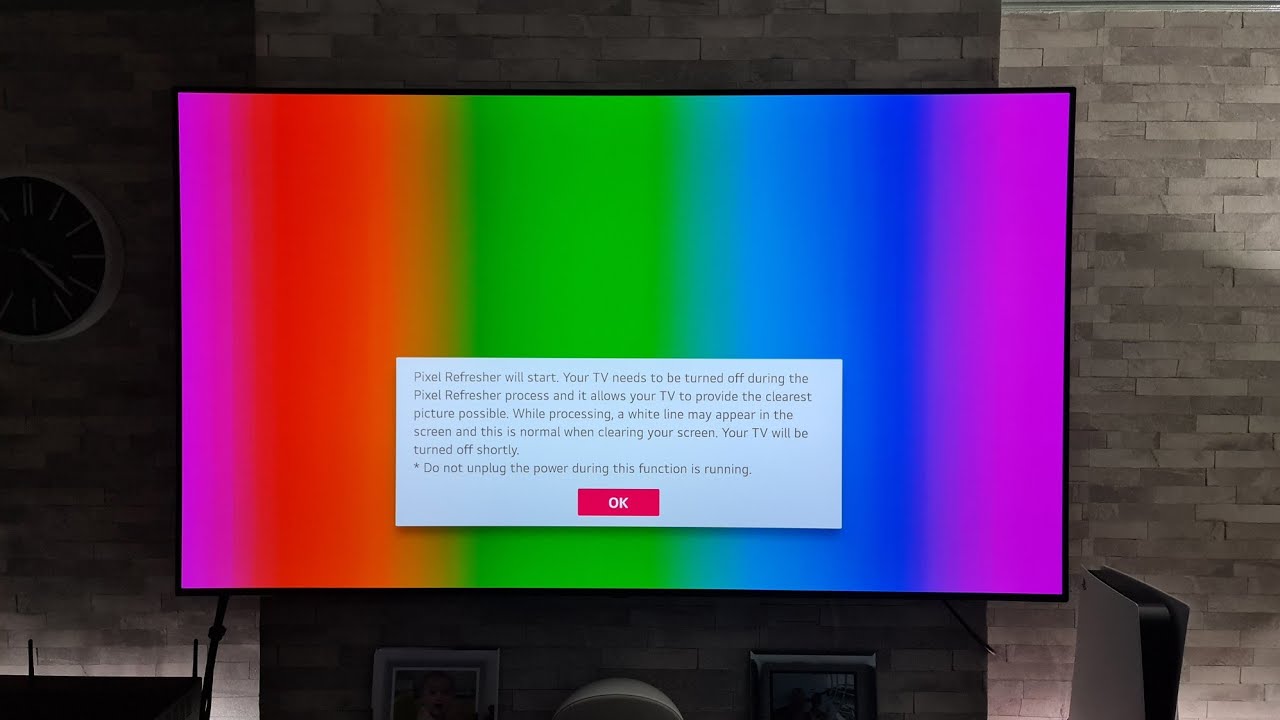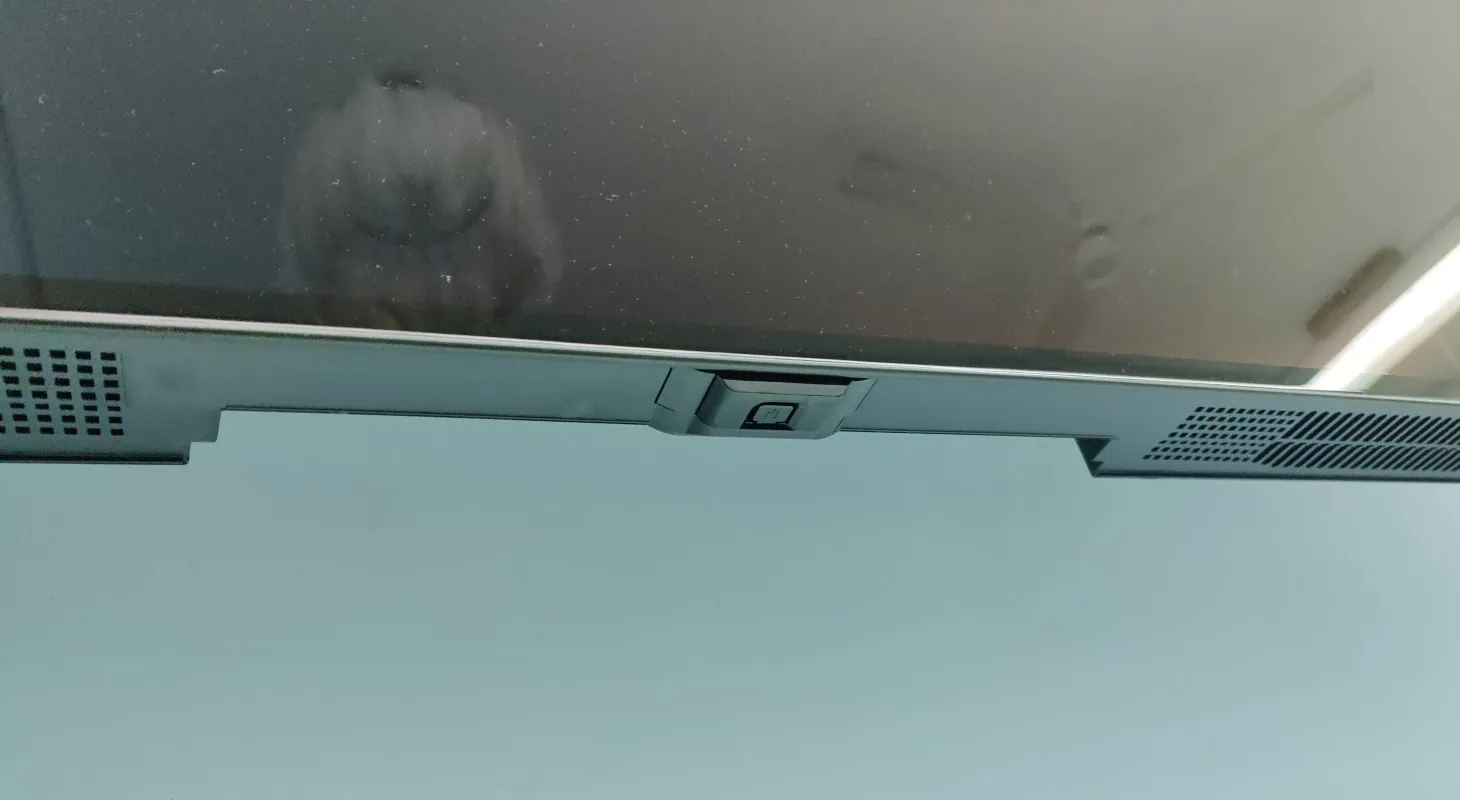
If you’ve lost the remote or the batteries just died, the LG OLED TV power button is hiding in one of three places: directly under the center LG logo, on the back panel near the bottom edge, or along the left or right side of the screen. The exact spot depends on your specific model, so if you don’t see it in one location, check the other two before giving up. If you’re powering down to run a maintenance cycle, knowing an LG OLED TV pixel refresh duration helps you plan the downtime.
Lost Your Remote? Here's Where the LG OLED TV Power Button Is Hiding
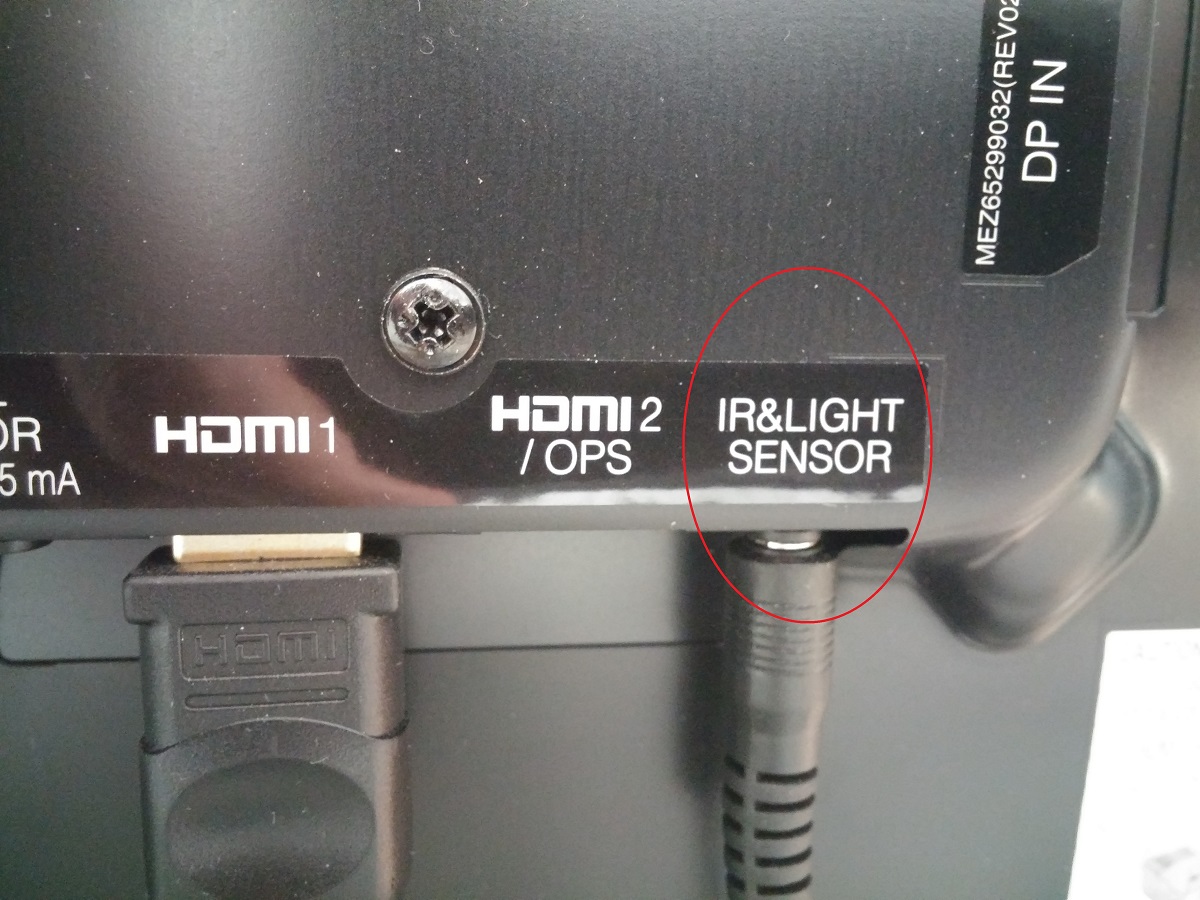
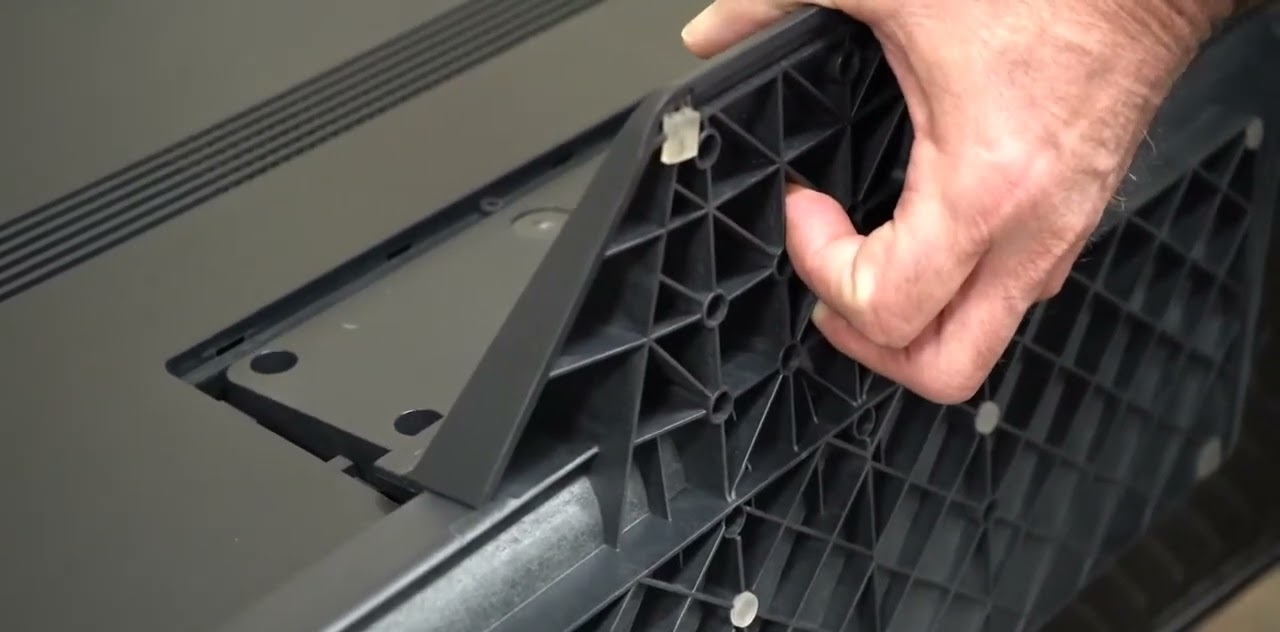
LG designs OLED TVs with a minimalist front bezel, so the power button rarely sits on the front face where you’d expect it. Instead, you’ll find it tucked away to preserve the clean look. On many models, the button is a small, flush circle or a narrow strip located under the LG logo at the bottom center of the TV. On others, it’s on the back panel, usually near the lower-left or lower-right corner when you’re facing the screen. A few models place it on the side edge, either left or right, so run your fingers along the edges if the front and back don’t reveal it. If you’re still unsure, the user manual for your exact model includes a diagram showing the precise location.
Is It a Button or a Joystick? How to Identify Your TV's Control Type
Before you start pressing random spots, know that LG uses two different physical controls across its OLED lineup. Some models have a single press-only button, it does nothing except toggle power. Other models use a jog button, which is a small joystick-like nub that you can press in, push up, down, left, or right. This jog control lets you navigate the on-screen menu, change volume, and switch inputs when you don’t have the remote. To identify which one you have, look for a small protruding nub versus a flat, recessed circle. If it moves in multiple directions when you push it, it’s a joystick. If it only clicks when pressed straight in, it’s a press-only button.
How to Turn Your LG OLED TV On and Off Without the Remote
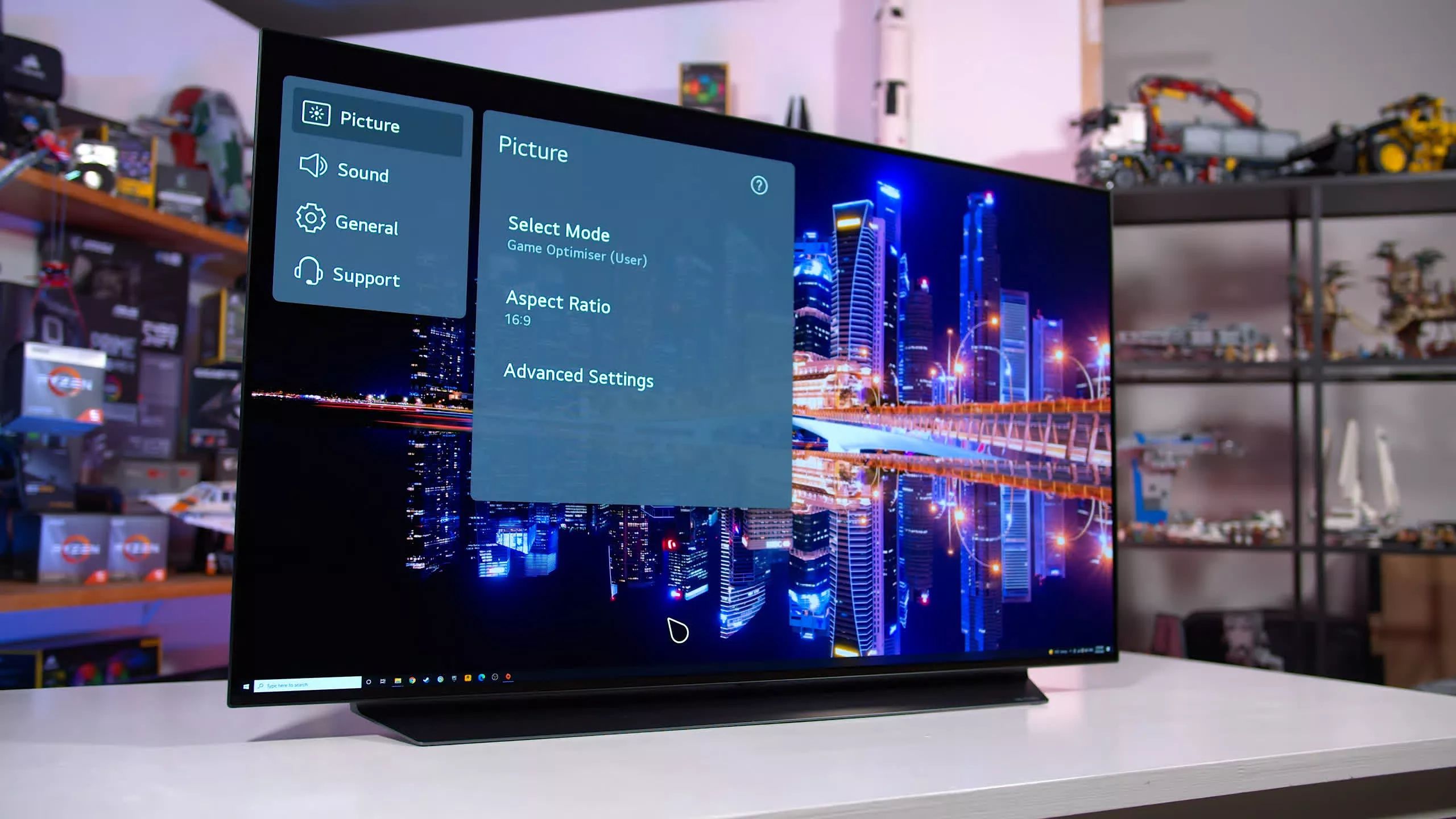
Once you’ve located the control, the operating logic is straightforward. To power on the TV, press the button once. If your TV has a jog button, a single press also turns it on. To turn it off, press the button once, but watch the screen. This two-step process prevents accidental power-offs when you’re just trying to adjust settings. Remember, the physical button is intended for basic control only; for full feature access and comprehensive settings, you’ll want the remote. That means you can turn the TV on and off, and maybe adjust volume if you have a joystick, but you won’t be able to change picture modes, access streaming apps, or dive into the LG OLED TV settings without a remote or an alternative control method. If the joystick volume control feels limited, you can adjust the sound on LG OLED TV with more precision using the remote’s dedicated audio modes.
Quick Alternatives When You Can't Find the Physical Button
If the physical button is too hard to reach or you simply can’t locate it, you have a few temporary workarounds. The LG TV Plus app, available for smartphones and tablets, turns your phone into a remote once both devices are on the same Wi-Fi network, it can power the TV on and off and control most functions. Voice assistants like Google Assistant or Amazon Alexa can also handle power commands if you’ve linked your LG account and enabled the skill. These alternatives are handy in a pinch, but they require the TV to be connected to your network, so they won’t help if the TV has never been set up or the Wi-Fi is down.
Troubleshooting an Unresponsive Power Button
If the physical button doesn’t respond at all, work through these steps in order. First, check the power cable, make sure it’s fully inserted into both the TV and the wall outlet, and try a different outlet if possible. Next, perform a power cycle: unplug the TV from the wall, wait a few minutes, then plug it back in and try the button again. This clears minor software glitches that can freeze the control. If the button still does nothing, the issue may be deeper. A factory reset can resolve software-related failures, but it wipes all your personalized settings and installed apps, so only do this as a last resort. If the button remains unresponsive after a reset, contact LG customer support or a certified technician, the hardware itself may be faulty, and that requires professional repair rather than a DIY fix.