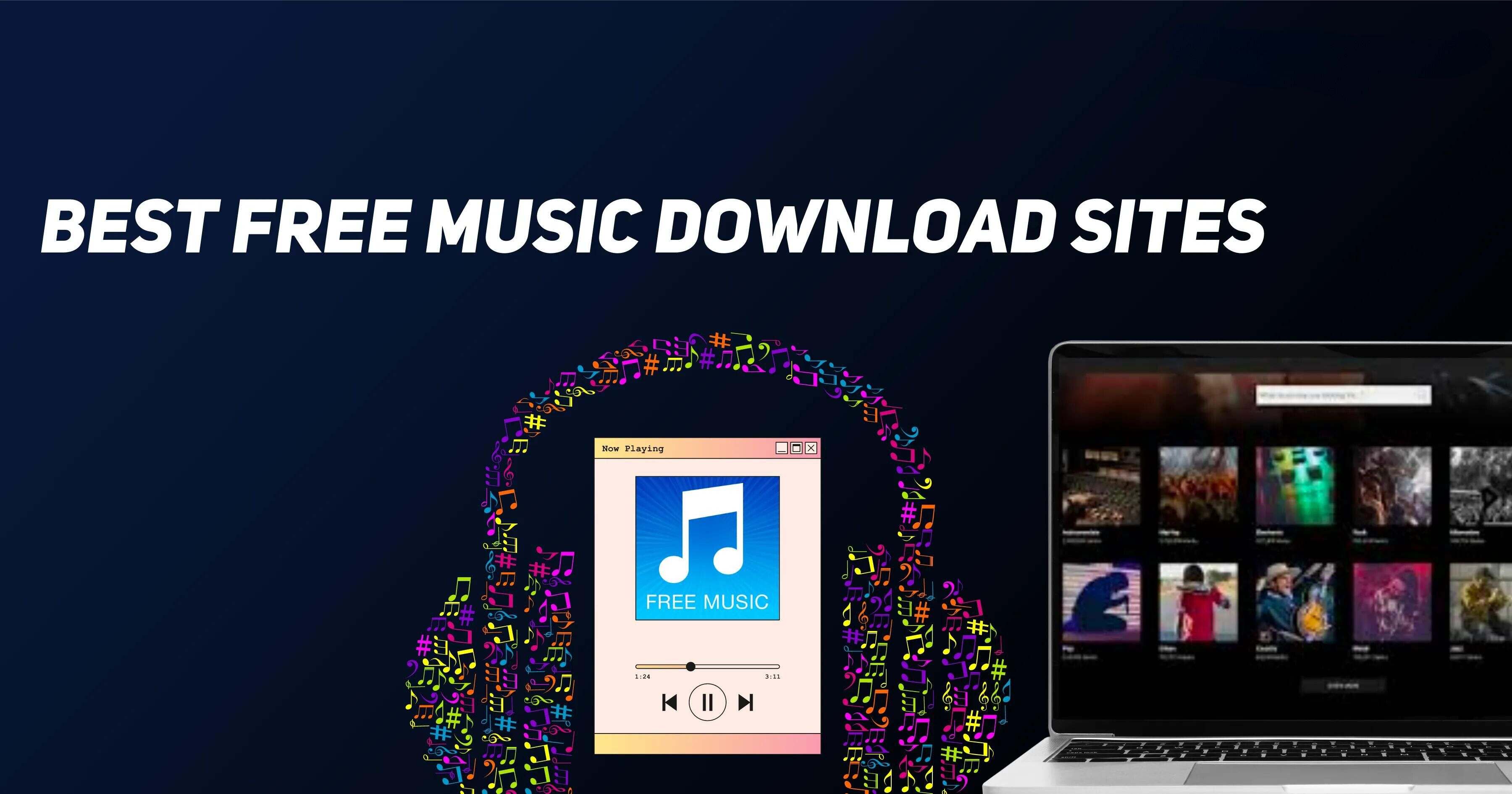
You can download music to laptop for free from legal sources like Free Music Archive, Jamendo, and SoundCloud Creative Commons, which offer MP3 files you can keep for offline listening. This direct method lets you build a permanent music collection without relying on an internet connection or streaming subscriptions.
Where to find free music to download to your laptop legally
Free Music Archive is a curated library of high-quality, legal downloads spanning genres from classical to electronic, all offered under Creative Commons licenses. Jamendo features music from independent artists who explicitly allow free downloads, often in MP3 format. SoundCloud hosts a vast Creative Commons section where musicians share tracks you can download directly. For sheet music and compositions, you can similarly download musescore music for free to build your library. These platforms are designed for legal, safe acquisition, and each provides a straightforward way to download MP3 music files to your laptop storage.
How to identify safe and legal free music downloads
Creative Commons licenses are the key indicator: look for terms like CC BY or CC BY-NC, which grant permission to download and keep the music. Public domain music has no copyright restrictions, meaning it is free to use and download. Some artists also offer free downloads on their official websites or Bandcamp pages as promotional material. Before downloading, check for a clear license statement or a direct "free download" label from the artist. If you prefer a simpler, legal route for mainstream tracks, you can download music from Spotify to my computer for offline listening with a Premium subscription. Avoid any site that hosts popular commercial songs without authorization, as these are almost certainly illegal.
Step-by-step: How to download the music file
- Go to a legal source like Free Music Archive or Jamendo and use the search bar to find a song or artist.
- Browse the results and click on the track you want. Look for a download button or link, often labeled "Download" or shown as a down-arrow icon.
- Select the MP3 format and a quality setting, such as 320kbps, if options are available. Higher bitrates mean better audio quality.
- Click the download button.
How to save and verify your downloaded music files
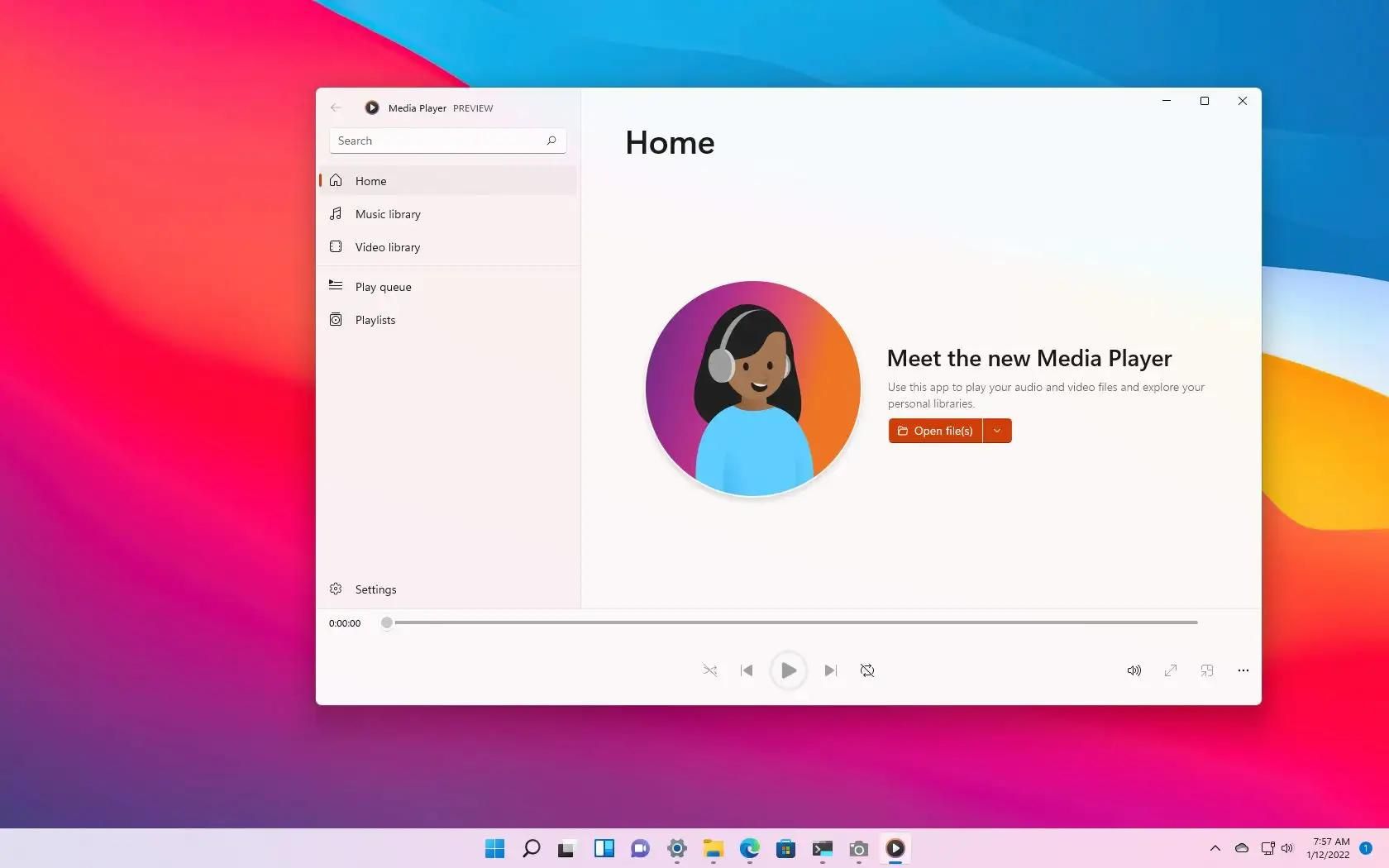
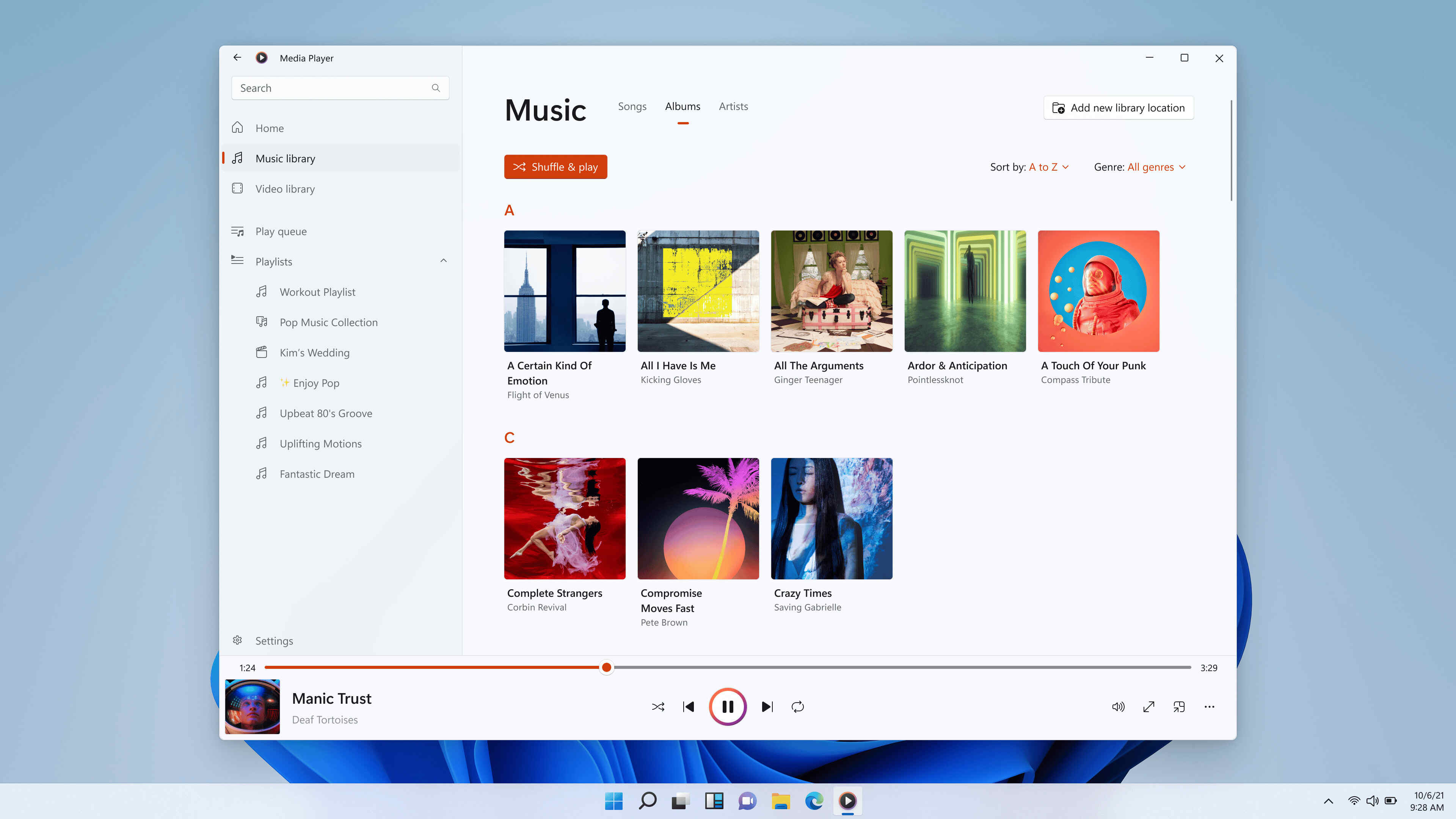
After the download finishes, open your Downloads folder and locate the MP3 file. Move it to a dedicated Music folder on your laptop by dragging it or using cut and paste. Double-click the file to play it in your default media player and confirm the audio plays smoothly without skips or errors. For safety, run a virus scan on the file using your antivirus software before adding it to your main collection.
Organizing your free music library on your laptop
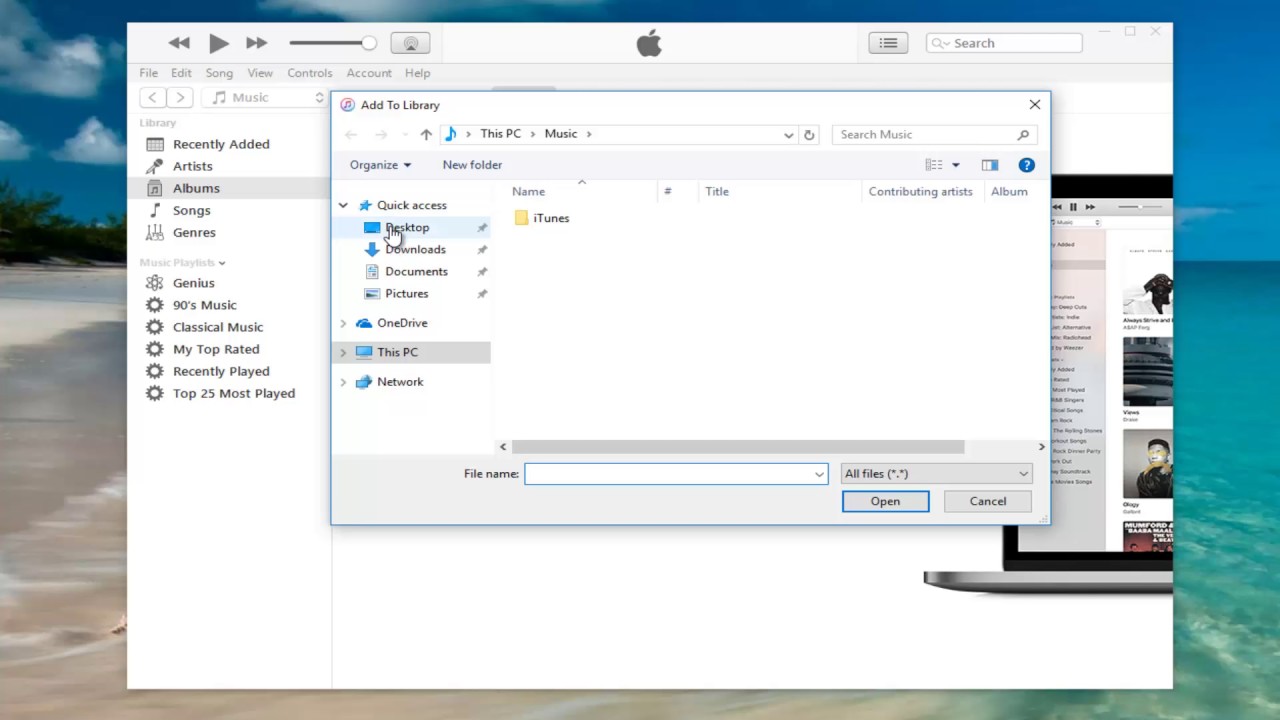
Create a main Music folder, then add subfolders for each artist or genre to keep everything tidy. Use a free music management tool to edit metadata tags like artist, album, and track number, which helps your media player display the information correctly and makes searching easier.
Free music apps vs. browser downloads: What's the difference?
Free music apps like Spotify's free tier let you stream music online, but their offline listening features are limited, often requiring a paid subscription to download tracks for offline use and restricting playback to within the app. If you want full ownership and control, downloading MP3 files directly is the better choice. For more on streaming options, see the sibling article on free music apps.