Before you chase the cash app glitch
Before you do the Cash App glitch, you need to understand what your profile can actually do. Your first hard limit is the Cash App withdrawal limit, which caps how much cash you can pull from an ATM. No trick can bypass that number, and trying to force it will just trigger a fraud alert. Similarly, the maximum amount you can send on Cash App is set by your verification status and usage history. If you try to exceed it, the transaction simply fails. Repeated attempts can look like money-laundering behavior to the system. Worse, if Cash App flags your activity as abusive, you face Cash App banning your money. Your funds get frozen while support investigates. That process can take weeks with no guarantee you'll ever see the cash again. A common "glitch" people claim works involves exploiting an unverified profile. You cannot even attempt most advanced features until you update your age on Cash App to match your real ID. Lying about it will get your profile locked the instant the system runs a verification check. Every real limit exists for a reason: your activity is monitored, and the fastest way to lose access is to pretend those limits do not apply.
Setting up an account that can move money
Before you can attempt anything that looks like a glitch, you need a funded profile that Cash App considers legitimate. If you do not already have one, you will need to create a new Cash App account using a phone number or email that has not been flagged before. If you have an old profile you can no longer sign into, you might try to access an old Cash App account without email or phone number by using the app's recovery tools. This often fails if you cannot verify your identity. A more reliable path is to simply start fresh. You must be able to access Cash App without phone number or email only if you have previously set up a PIN or a trusted device. Otherwise, you are locked out entirely. Once you are in, link a real funding source. You can add debit card to Cash App on Android by tapping the banking tab and entering the card details manually. This is the fastest way to get money into the app. If you do not have a card handy, you can add money to Cash App without a debit card by using a linked bank account or a Cash App Card reload at a store. The most common method is to add cash to Cash App from a bank account. Without a verified funding source and a positive available amount, there is nothing to "glitch." Cash App's fraud detection will block any unusual transaction attempt immediately.
Finding the numbers and codes you need
To follow along with many of the tutorials you see online, you first need to locate your own credentials. Open the Cash App and tap the profile icon in the top-right corner. Navigate to the section that displays your account details. That screen shows the routing and account numbers for the bank that is associated with Cash App. Knowing the bank name associated with Cash App helps you confirm that the routing number matches the correct institution and avoid deposit errors. If a tutorial asks you to find your Cash App account number, this is the nine-digit number listed there. Never share it with strangers.
Some guides also reference referral or promo codes. Tap your profile icon again and look for the option to copy your referral or promo code. If a glitch video tells you to put in a code on Cash App, open the app, tap your profile icon, and look for the option to enter a promo code. A common but dangerous trick asks you to find someone's number on Cash App by searching their name or email. Remember that contacting strangers this way is a red flag for scams. Keep these numbers private. Sharing them is how profiles get compromised.
Many fake glitch tutorials revolve around exploiting a temporary credit or refund window. The core illusion is that you can spend funds you do not have. The reality is that every transaction finalizes on the backend. A declined transaction will simply reverse. The one sentence you will not find on any other guide is this: the glitch is never a hidden software flaw but always a social engineering trick that convinces you to send real money to a stranger first.
- bank is associated with Cash App — Which Bank Is Associated With Cash App?
Loading cash and fixing declines
Before you attempt any workaround, you need to have funds in your setup to work with. The most straightforward way to do that is to deposit cash into Cash App at a participating retailer like Walgreens, Walmart, CVS, or 7-Eleven. If the deposit goes through but the total does not update, or if the app simply refuses to accept the transfer, you are likely dealing with the Cash App add cash failure issue. This can stem from issues like a temporary server timeout, an unlinked bank profile, or an expired debit card on file. Even after the money shows up in your funds, you might tap the card at a register only to see a decline. If that happens, you are experiencing the common problem of your Cash App card declining with money in the account. This can be caused by issues like a daily spending limit being hit, a merchant category block, or a mismatch between the card's zip code and the store's terminal. A successful glitch attempt depends on understanding the Cash App transaction process. Specifically, the split second between when the app authorizes a payment and when the network actually settles it is critical. Any delay or error at that stage will trigger a reversal and freeze your profile. Fix declines by checking your card settings, verifying your identity, and making sure your funds are not pending rather than available.
Using ATMs and stores without getting caught
If you are tempted to try pulling cash or making purchases without a linked funding source, understand that the supposed "glitch" relies on timing a deposit that never actually clears. Some people attempt to use an unverified profile at an ATM. They hope the machine will dispense money before the system rejects the transaction. The reality is that most ATMs are free for Cash App users only when you have sufficient funds and use an in-network machine. The moment your available amount is insufficient, the withdrawal simply fails. Repeated attempts trigger a fraud alert. Another common fantasy involves trying to use Cash App at a gas station without a card by generating a temporary code at the pump. This does not bypass authorization. The station's terminal will decline the payment instantly if the profile shows zero or negative funds. You might also look up the list of Cash App accepted stores and attempt to buy prepaid gift cards with a pending deposit. You hope the merchant will not check the available amount. That will not work either. The merchant's system verifies the payment in real time. You cannot see pending deposits on Cash App in a way that lets you spend money that has not actually arrived. Cash App's fraud detection watches for these exact patterns. It flags multiple declined attempts, rapid location changes, or cardless requests from unknown devices. The system will lock your profile within minutes. Once locked, your funds are frozen indefinitely. Recovering them requires contacting support with proof of identity. This process can take weeks with no guarantee of success. The one sentence no competitor will tell you is that the "glitch" is not a software exploit but a deliberate fraud pattern that instantly flags your identity.
Controlling what others can see
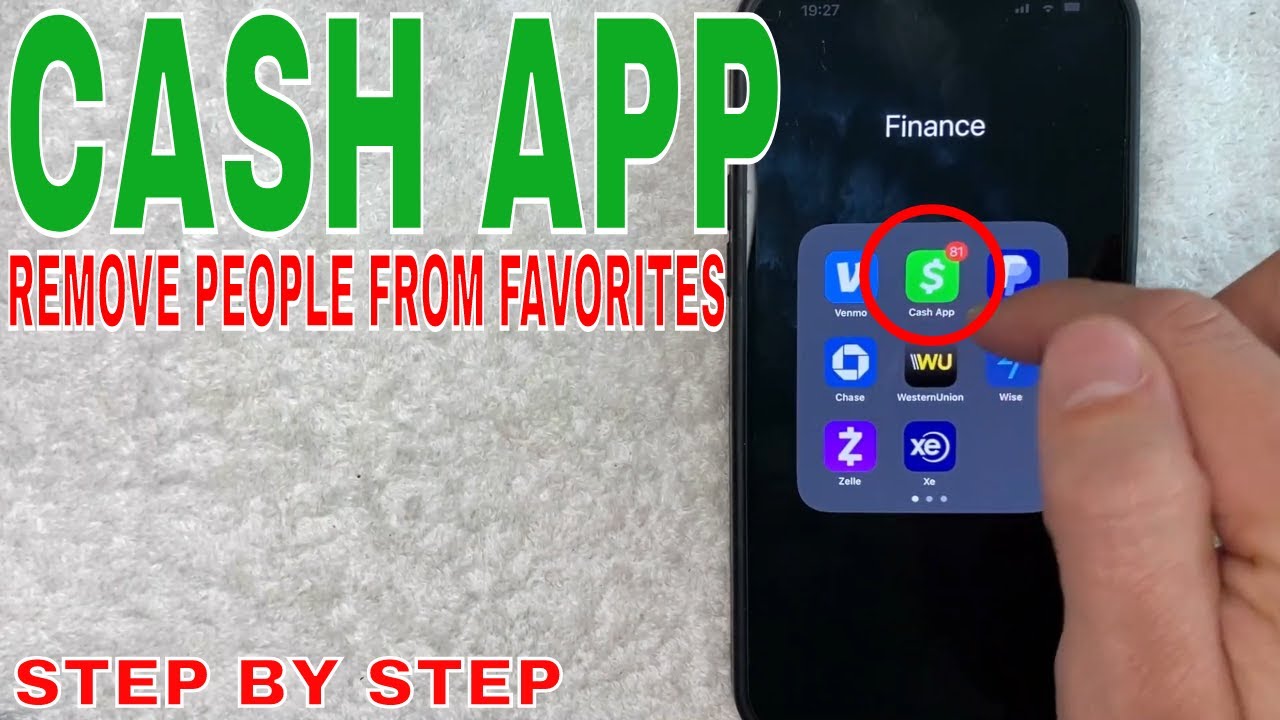
If you are moving money in ways that could raise a flag, start by learning how to hide Cash App transactions from your main feed. Open the activity tab on Cash App and locate the specific payment you want to conceal. Tap it, then select the three-dot menu and choose "Hide from feed." The transaction will still exist on your history. But it will not appear in the scrollable list that other users can see when they borrow your phone. For contacts you no longer want connected to your profile, you can remove someone from Cash App entirely. Visit their profile, tap the three dots, and select "Remove." This deletes their name from your contact list. If a merchant or business profile keeps sending you unwanted requests or notifications, you can block a merchant on Cash App through the same profile menu. This prevents them from initiating any future transfers. Remember that hiding or blocking does not protect you from Cash App's automated fraud systems. Unusual patterns, even if hidden from your friends, still trigger reviews. Those reviews can freeze your funds for weeks.
Locking down your card and pin
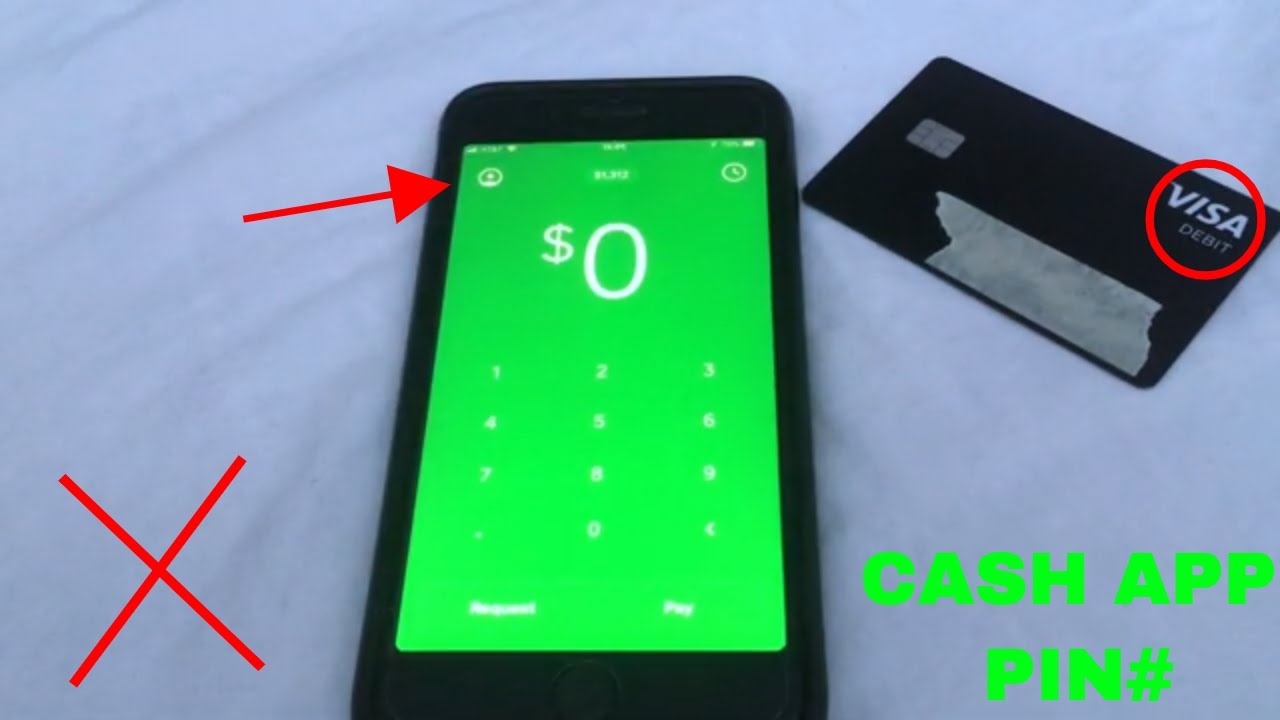
Before you attempt any workaround, you need to know exactly where your card and PIN stand, because a real glitch will lock you out of both. If your physical card disappears or stops working, you might need to unlock a Cash App card without using the app, this is possible through the website. You can only do this if you have your profile details handy. Similarly, if a new card never shows up, you can check the mail or the app to know when my Cash App card is delivered. The tracking status inside the app is usually more reliable than the postal service. If the card is compromised or you suspect a glitch has exposed your number, you should immediately cancel your Cash App card from the settings menu. This action blocks all future transactions. After that, you will need to reset your security code. Look up my Cash App pin in the app's security settings to reset it if needed. Then use the security settings to change your Cash App pin to something you haven't used before. Cash App's fraud detection treats repeated PIN failures as suspicious. If you get locked out after a few wrong tries, expect a multi-day hold before support will help you back in.
Undoing moves and moving money out
If you already attempted a glitch and now see unwanted charges, your first step should be to dispute a charge on Cash App through the app's transaction details screen. This is the official channel for contesting a payment, not a workaround. Moving funds out quickly rarely helps. Cash App can freeze your funds the moment it flags suspicious activity. So trying to transfer money from PayPal to Cash App? That would only compound the problem by bringing new funds into a restricted profile. Instead, withdraw whatever legitimate money remains. Keep in mind the Cash App withdrawal limit for standard bank transfers. Then stop using the service entirely. If your profile gets locked, expect to wait weeks for a support response. Submitting identity documents early can speed things up. There is no guarantee you will recover frozen funds. Reversing a completed payment after a failed glitch is nearly impossible. Cash App treats instant transfers as final. Your only real option is to contact the recipient directly and ask for a refund. They have no obligation to comply. Treat any glitch that requires sending money first as a scam. Do not expect the platform to bail you out.