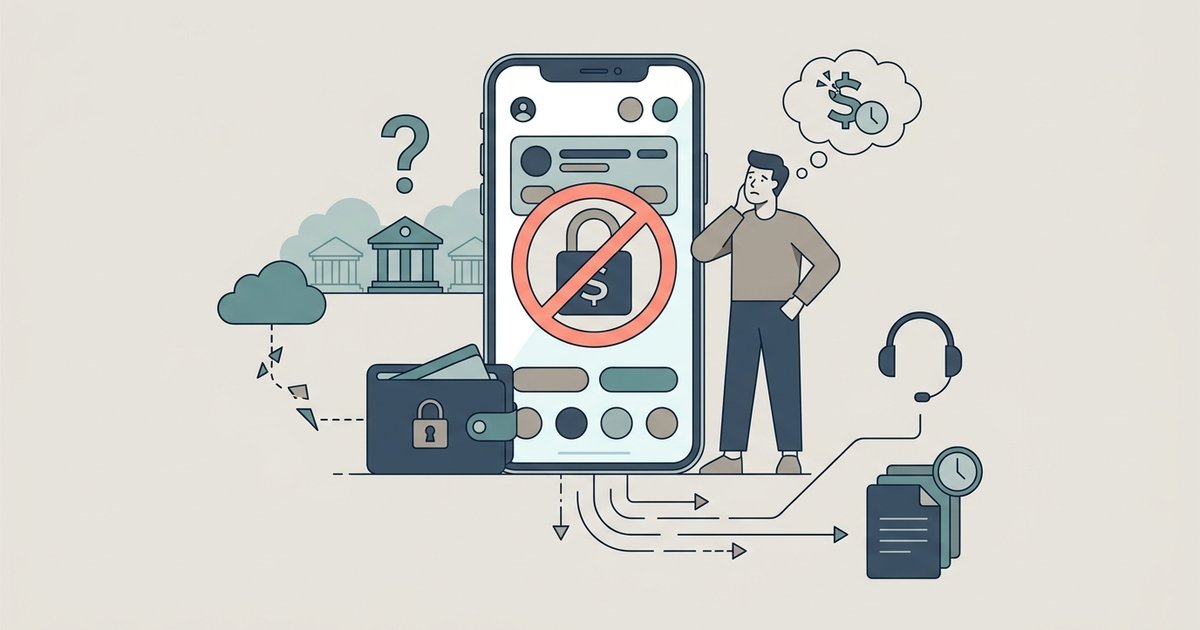
If Cash App banned your account, you are still legally entitled to withdraw your remaining balance. You can typically cash out to a linked bank account or debit card. However, you will lose access to all other features. The moment you receive a ban notification, your account is locked for sending, receiving, or trading. The withdrawal function remains active for a limited window, usually 30 days, to comply with consumer protection laws.
How to withdraw money if Cash App banned you
After a ban, open the Cash App and tap the profile icon on your home screen. To contact support, tap the profile icon on your Cash App home screen, select "Support," then "Start a Chat" or navigate to the issue and tap "Contact Support." If the app blocks you, use the website at cash.app/account and log in with your phone number. On the dashboard, you will see options to access your remaining balance. Tap it, enter an amount up to your balance, and confirm the transfer to your linked bank account or debit card. Note that the Cash App withdrawal limit still applies here. Cash App itself sets withdrawal limits, and you should check the app’s current limits screen for the exact figures that apply to your account today. If your balance exceeds those caps, you will need to withdraw in multiple daily batches. For users who tried to exploit the Cash App glitch method, which involves manipulating pending transactions to create artificial balances, the withdrawal button may be grayed out entirely. In that case, you must contact support via email to request a manual check.
Once a ban is issued, you should withdraw your funds as soon as possible through the app interface.
When you cannot get your money
Funds become inaccessible in three specific scenarios. First, if Cash App is actively investigating your account for fraud, such as using a stolen debit card or filing false chargebacks, the balance is frozen indefinitely. This freeze lasts until the investigation closes. Second, if you have pending chargebacks from a buyer or a bank reversal, Cash App will hold the disputed amount until the resolution is final. A ban does not speed up that process. Third, any money received via recent payments is subject to a holding period. If you received a payment from a friend on the same day you were banned, that amount may not appear in your withdrawable balance until the hold expires. The exact holding timeline is set by Cash App’s risk team and varies by transaction, so you must consult your in-app balance details for the release date. Additionally, if your ban was triggered by the Cash App add cash failure issue, where repeated attempts to load funds from a card that declined caused a risk flag, the system may treat those failed attempts as suspicious activity. It can lock even your existing balance for an additional review.
What happens to pending transactions
Pending transactions are handled differently based on type. A scheduled direct deposit that has not yet arrived will be returned to the originator within 3-5 business days. Your employer will receive a notification that the account is closed, so you must update your payroll details immediately. For Bitcoin transfers that were initiated but not confirmed on the blockchain before the ban, you may still be able to sell your bitcoin. You will not be able to trade or send that Bitcoin again. Payments sent to you that show “Pending” in the activity log will bounce back to the sender. You should inform anyone expecting a payment from you to check their own account. In every case, the Cash App transaction process pauses all new activity. However, settled transactions, those marked “Completed” before the ban, remain part of your withdrawable total. To avoid losing money that is still in transit, withdraw your settled balance as soon as you receive the ban notice. Do not attempt to send any new payments. Those will fail and may trigger additional holds.