Check the basics on your TV no sound issue
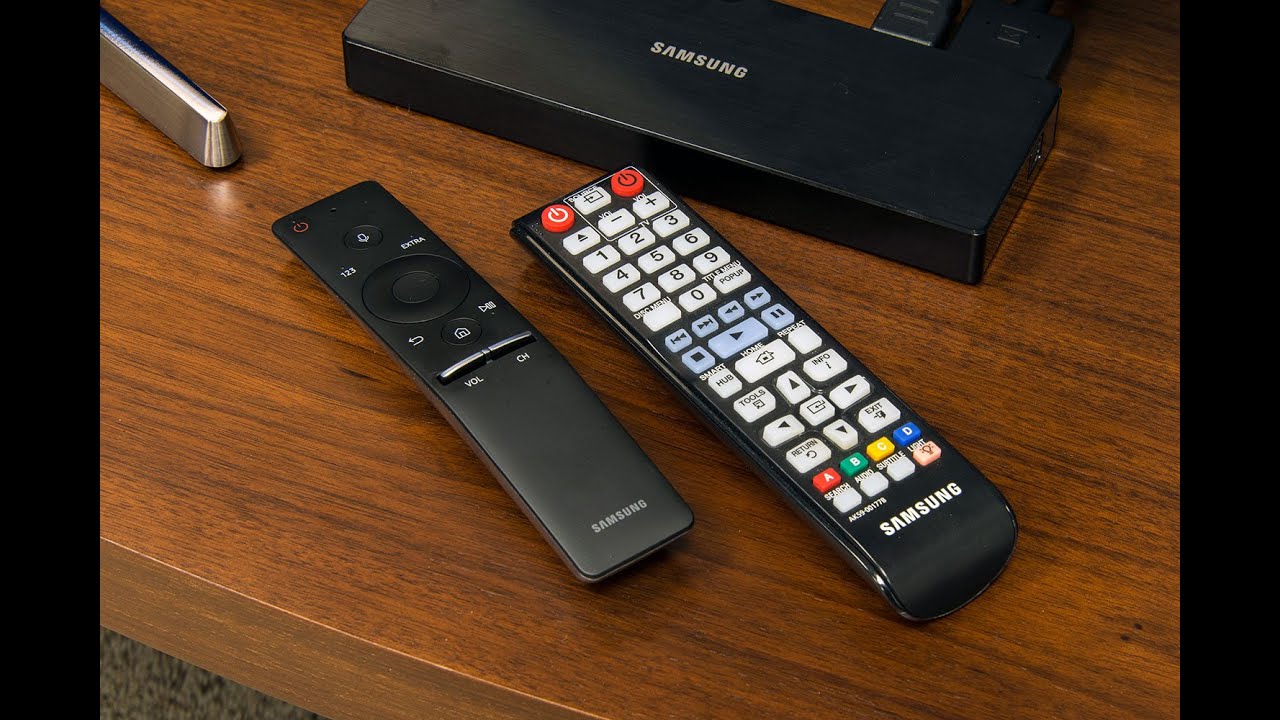
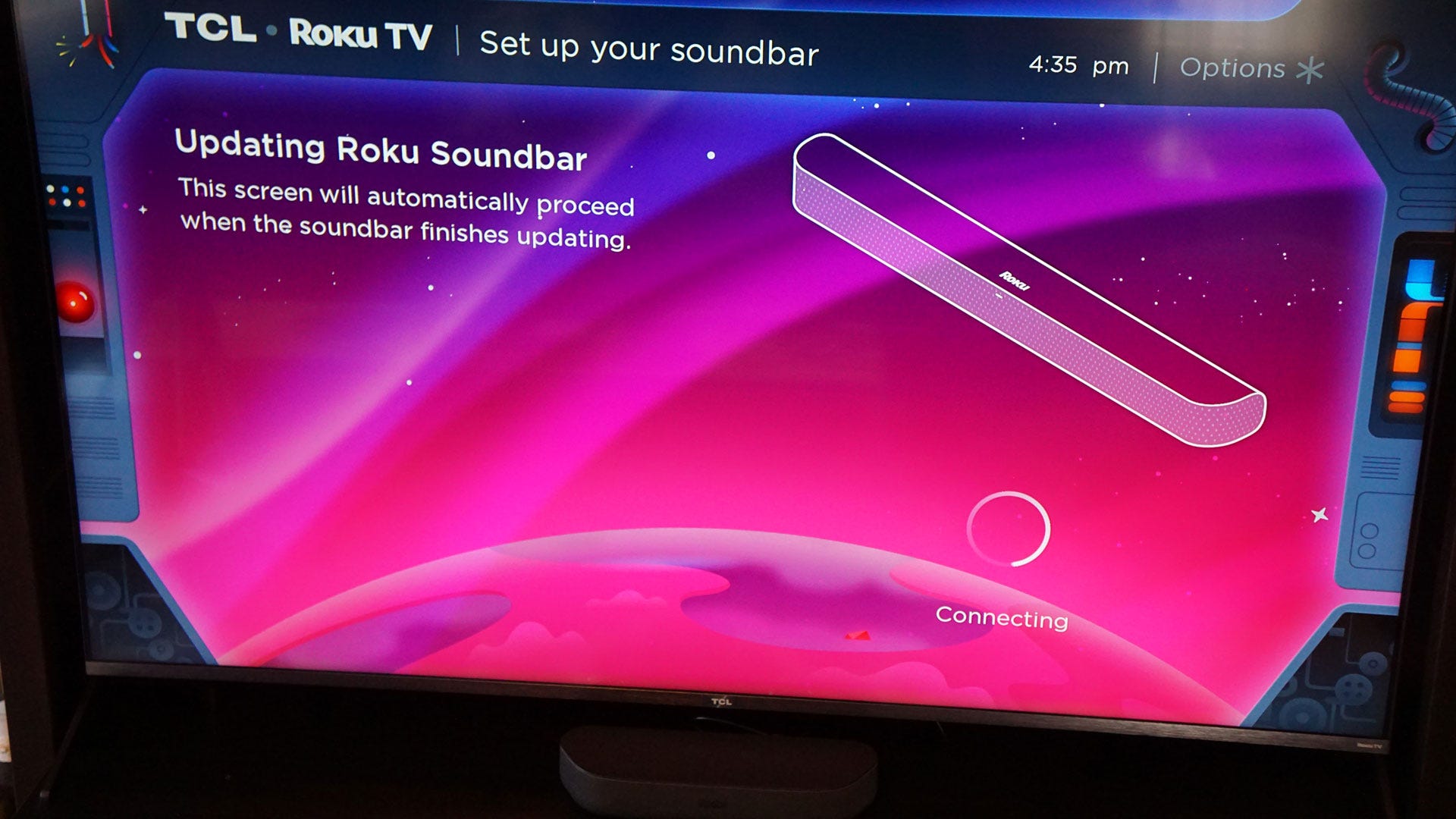
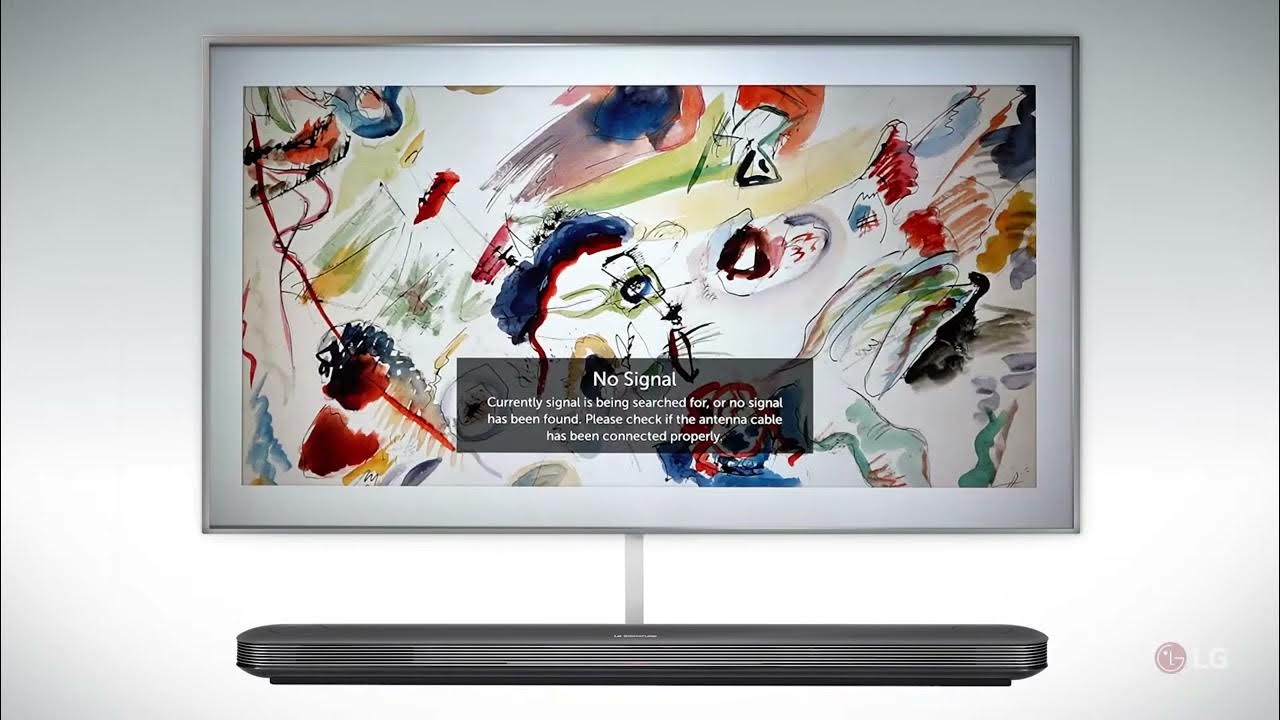
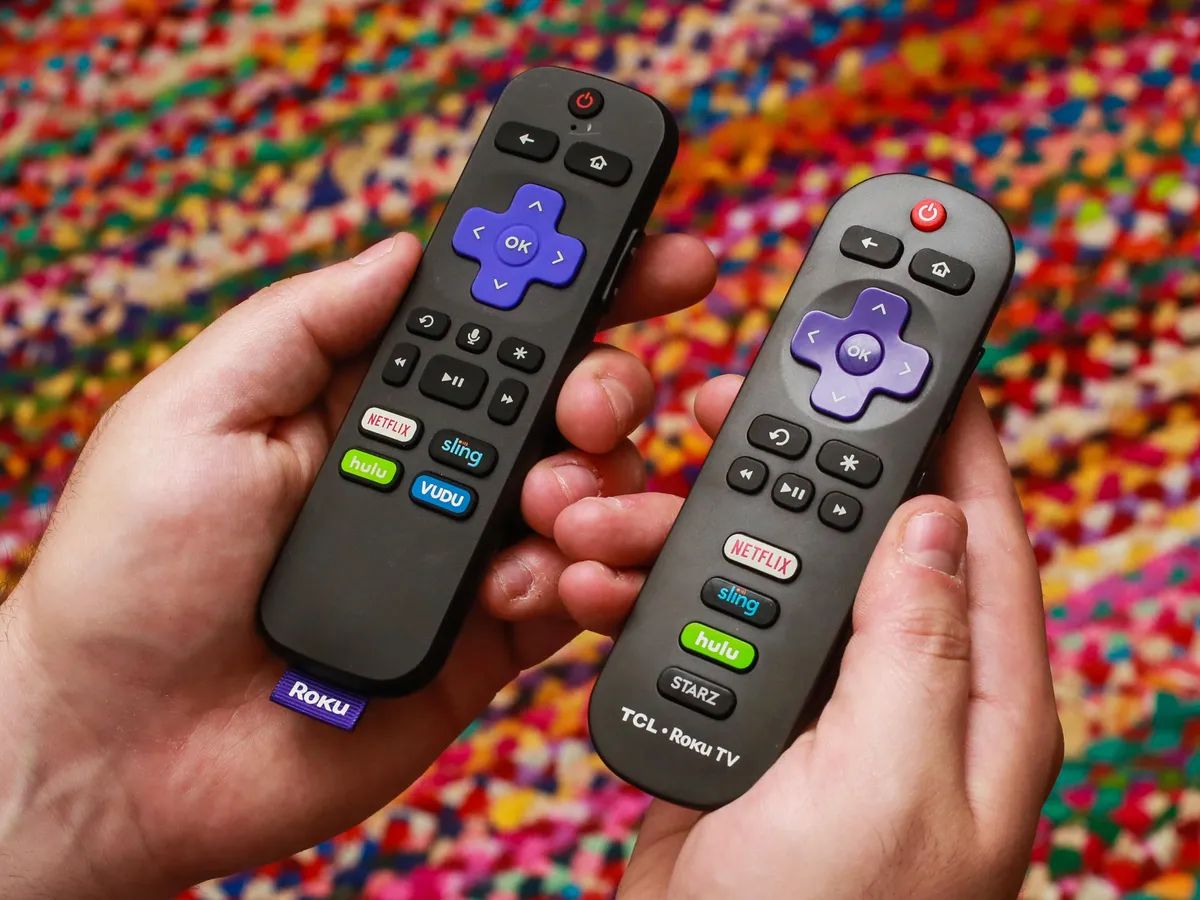
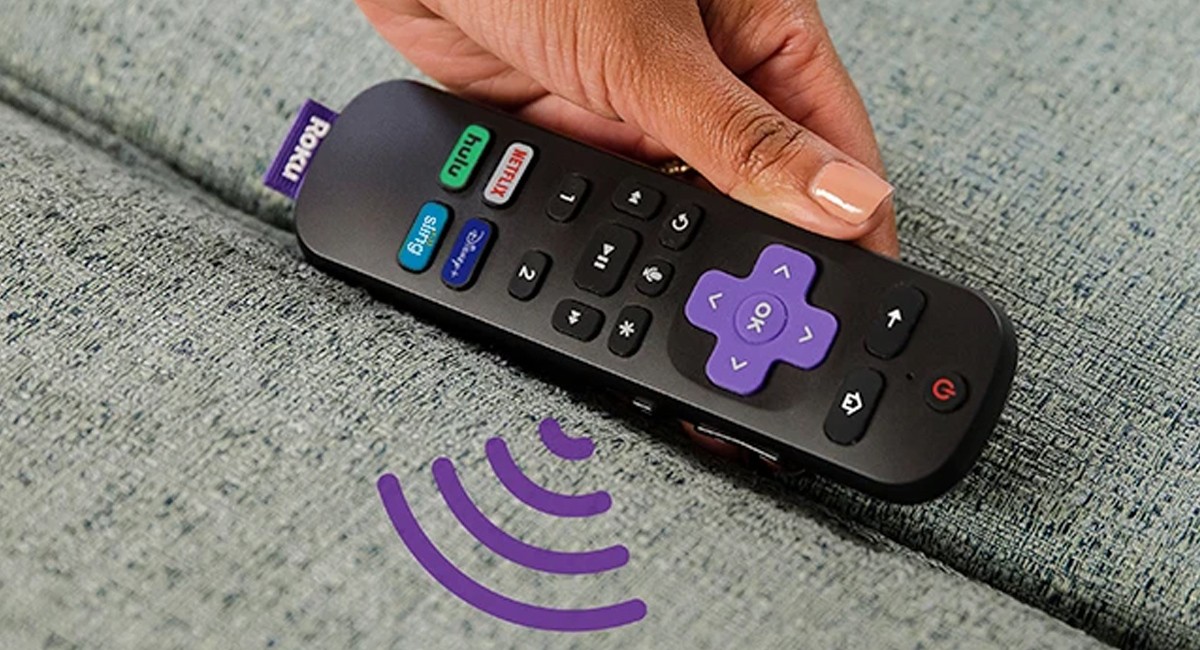
If your TV no sound issue just started, begin with the remote in your hand. Press the volume-up button several times and watch the on-screen indicator. If you see a mute icon or the volume bar stays at zero, you have found the problem. Next, check the physical mute button. On many remotes it is easy to press by accident while picking the remote up from a couch cushion. If you are using a streaming device, repeat the same check on the device's own remote and on the TV remote. Each has independent volume control. For example, if you search online for why there no sound on my Roku TV, you will find a dedicated article that walks you through each step, which is exactly what you want when the audio cuts out unexpectedly. Before you dig into HDMI cables or audio formats, verify that the player's own volume is turned up and that the TV's speakers are not set to zero. If you are using a television from another brand, such as when your LG smart TV not playing sound, the same rule holds. Check both the TV's internal volume and the external soundbar or receiver. Only after confirming both devices are unmuted and turned up should you consider deeper troubleshooting. If you need to restore default audio behavior without reinstalling all your apps, you can factory reset audio settings on Roku without losing apps by navigating to the audio settings menu and choosing the reset option, which is the ideal solution when you want to fix the sound without starting over from scratch. This clears only audio configurations while keeping your installed channels intact.
- factory reset audio settings on Roku without losing apps — how to factory reset audio settings on Roku without losing apps
- there no sound on my Roku TV — Why Is There No Sound On My Roku TV
Fix sound in a specific app or service
If the audio drops out only when you're using a specific app, say, a streaming service or a game, the problem is almost certainly inside that app's own settings or the content you've selected, not your TV or soundbar. Before you dig into the app's menus, confirm the basics. Your TV volume is up, your speaker system isn't muted, and the app itself isn't showing a mute icon on the playback screen. Many streaming apps have their own independent volume slider inside the video player. Tap the screen or press the remote's "OK" button to see if a speaker icon or volume bar appears and is turned all the way down. If you run into an issue like there no sound on HBO max, for example, the culprit is often that the app's internal audio output got switched to a format your TV can't decode. The specific movie or show may also have been encoded with a faulty audio track. Try playing a different title first to see if the silence is content-specific. If the problem follows you across multiple titles, go into the app's settings, not your TV's settings, and look for an "Audio Output" or "Sound Format" option. Switching from "Auto" or "Dolby Digital Plus" to "PCM" or "Stereo" forces the app to send a simpler signal that nearly every TV handles correctly. Restart the app completely after changing that setting. The app's internal audio output setting is one control that can override your TV's global sound configuration from inside a single application.
Restore audio on mobile devices and external speakers
If you need to get the sound back on my tablet, start by checking that the volume is turned up and the device is not in silent or vibrate mode. Many portable devices also let you adjust volume independently for media, alarms, and notifications. Check your sound or volume settings for separate sliders. If the on-screen controls seem incomplete, a tablet speaker icon missing from quick settings panel sometimes happens after a system update or when the device is in a restricted mode. Try restarting the device to restore the audio toggle. For standalone computer speakers, the problem is frequently a loose connection or a misconfigured audio output. If you are facing Logitech speaker volume issues, check that the speaker’s physical volume wheel isn’t turned all the way down. Also ensure the USB or 3.5mm jack is fully seated in the correct port on your computer. On the software side, access your sound settings and confirm that your external speakers are set as the default output device, not your monitor’s internal speakers. A quick test with a different audio cable can rule out a damaged wire.