How to turn off auto-detect HDMI on your Samsung TV
To turn off auto-detect HDMI on your Samsung TV, you need to disable Anynet+ (HDMI-CEC), the feature that lets connected devices automatically switch your input. You can do this through the TV's settings menu or by entering a secret remote code, and both methods are covered below.
Method 1: Disable Anynet+ (HDMI-CEC) in the TV menu
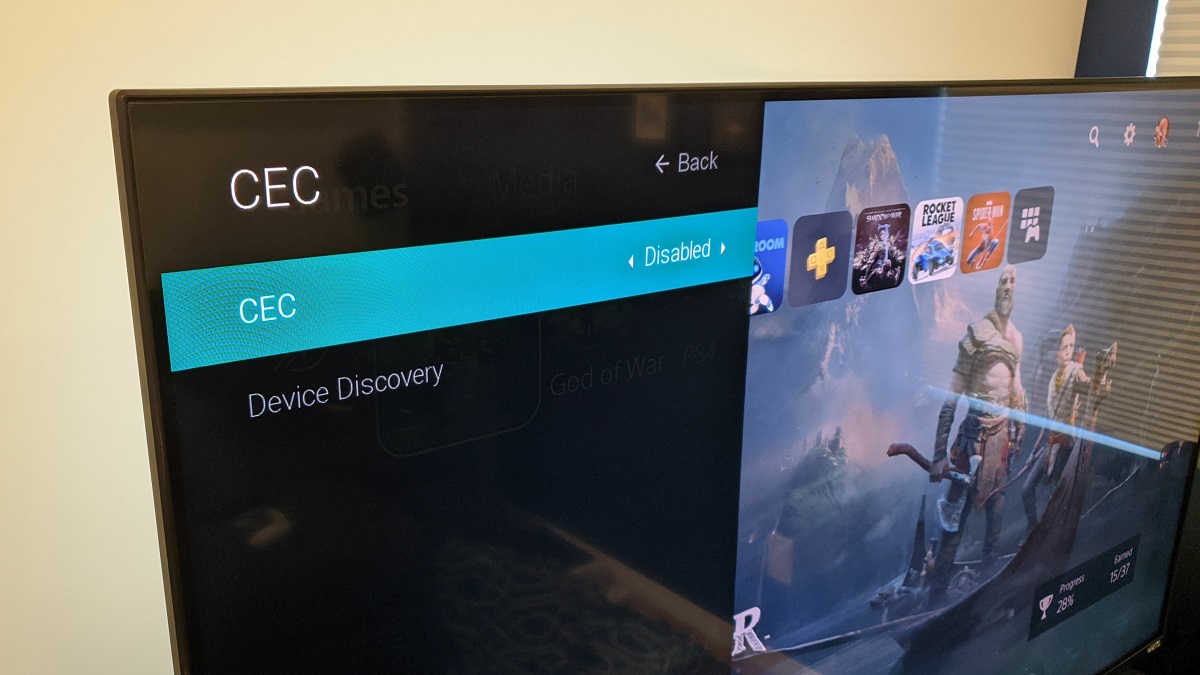
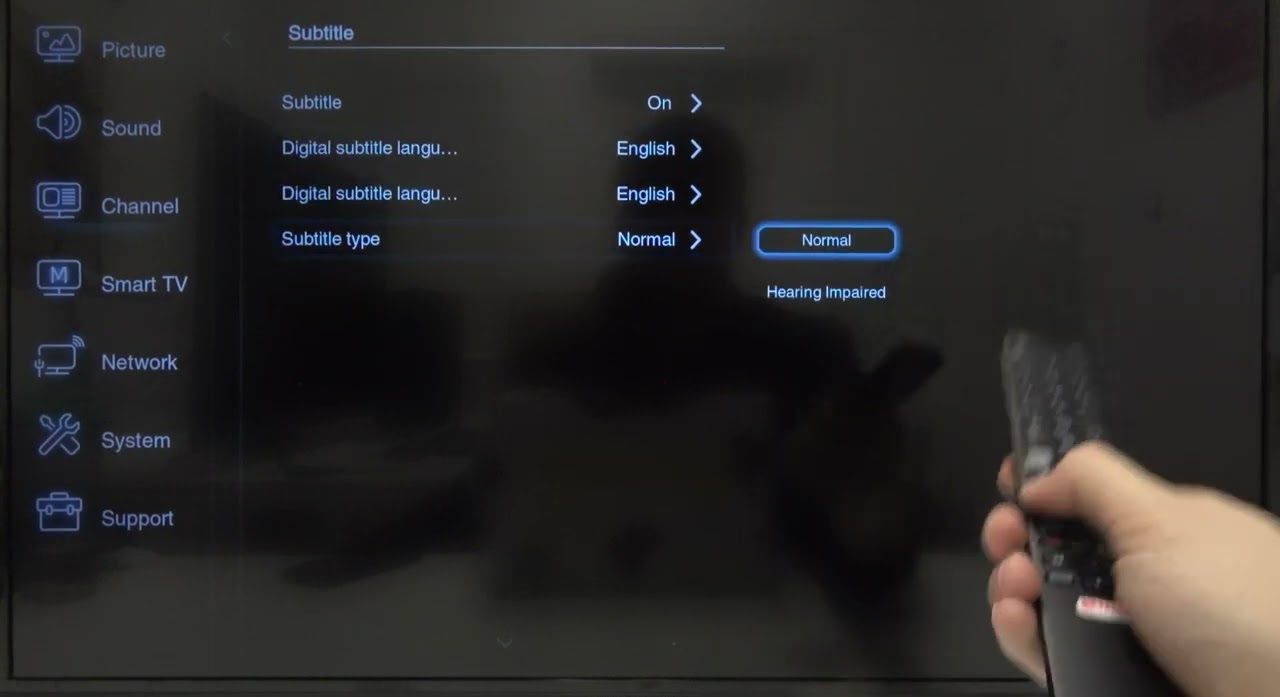
The most reliable way to stop your Samsung TV from jumping to a newly detected HDMI device is to turn off Anynet+ (HDMI-CEC). This setting is what allows devices like a Blu-ray player, game console, or streaming stick to send commands to your TV, including switching the source. Disabling it keeps the TV on whatever input you've selected, so you won't lose your show mid-scene to an unexpected source change. If your screen is stuck in a restricted mode instead, you may need to turn off safe mode on Philips smart TV.
- Press the Home or Menu button on your Samsung remote to open the TV's settings.
- Navigate to Settings (the gear icon).
- Select General from the list of options.
- Scroll down and choose External Device Manager.
- Find Anynet+ (HDMI-CEC) and toggle it to Off.
- Exit the menu. The TV will no longer auto-switch to a connected HDMI device when that device powers on or sends a signal.
This is the primary method because it directly removes the communication channel between your TV and the connected devices. Once Anynet+ is off, the TV won't respond to HDMI-CEC commands from any device, so you'll have full manual control over which input is displayed. If you have multiple devices plugged in, you'll need to switch sources using the Source button on your remote, but the TV won't do it for you anymore.
Method 2: Use the secret IR remote code
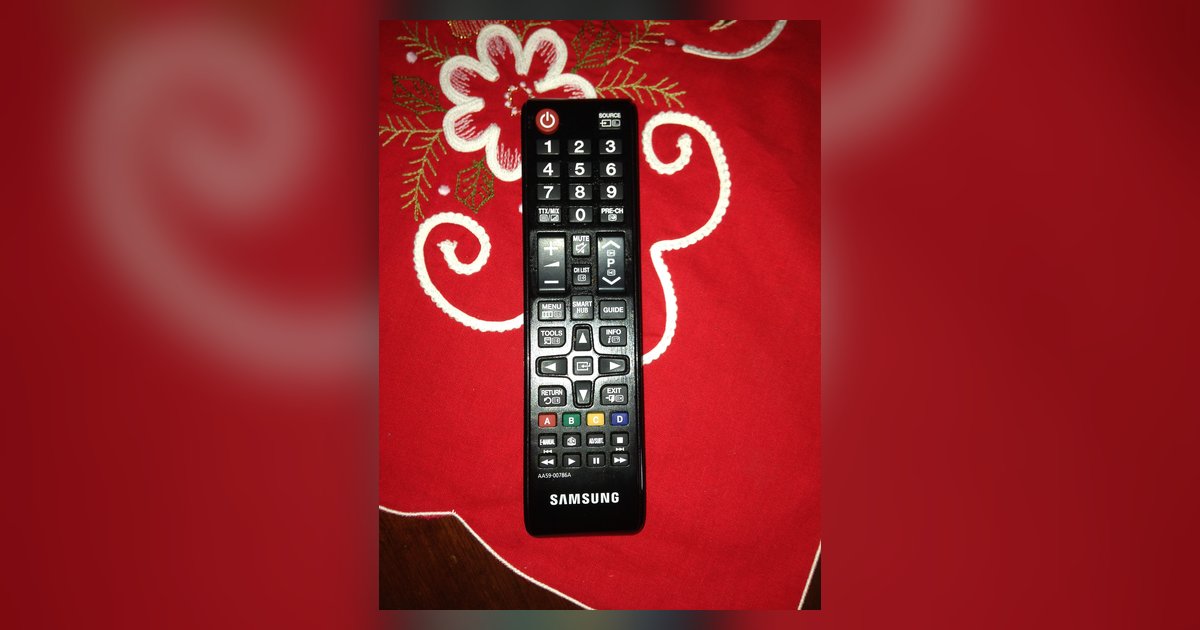
If you prefer not to dig through the menu, or if the menu option doesn't seem to fully solve the problem, Samsung also provides a hidden remote code that disables automatic source switching. This code works on most Samsung TVs that come with an IR (infrared) remote, which is the standard remote that uses a visible light signal. Note that this won't work with a Bluetooth-paired Smart Remote, so you'll need the original IR remote that shipped with the TV or a compatible universal IR remote.
- Turn on your Samsung TV and make sure it's on the TV source (not an HDMI input).
- Ensure the TV is not muted, unmute it if necessary.
- Point the IR remote directly at the TV's sensor.
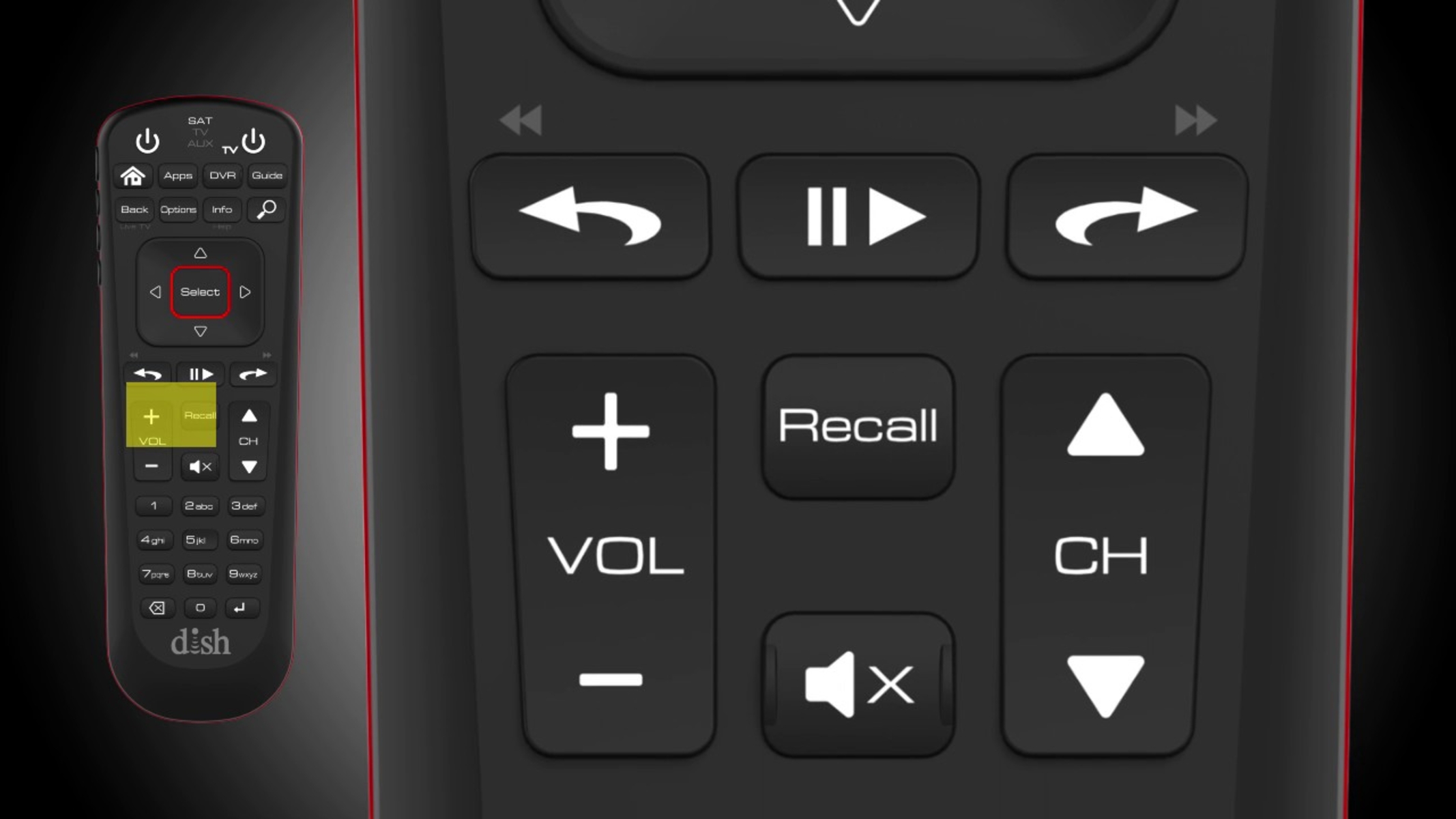
- Quickly press the following buttons in sequence: Mute, 7, 2, 9, Exit.
- There will be no confirmation message on the screen after you enter the code.
To verify the code worked, power on a connected HDMI device (like a game console or streaming stick) and see if the TV stays on its current input. If it still switches, try the alternative code: Mute, Volume Down, Channel Down, Mute, entered the same way, on the TV source, not muted, with the IR remote pointed at the TV. Again, you won't see any on-screen confirmation, so test by powering on a device afterward. If a persistent input label still appears, you can also get rid of HDMI banner on Sony TV screen with a similar setting.
Troubleshooting: Still switching inputs?
If your Samsung TV continues to auto-detect HDMI devices after you've tried both methods, the issue could be timing or firmware. First, make sure you entered the remote code quickly, Samsung's system requires the button presses to happen within a few seconds of each other, so a slow or interrupted sequence won't register.
Next, check that your TV's firmware is up to date. Some Samsung models require a software update to fully disable automatic source switching, so go to Settings > Support > Software Update and select Update Now if available. After updating, re-enter the remote code or disable Anynet+ again, as a firmware update can reset some settings.
Finally, remember that the auto-detection isn't always initiated by the TV, it can also come from the external device itself. Many HDMI devices have their own HDMI-CEC settings that trigger the TV to switch inputs. For example, a PlayStation 5 has an "HDMI Device Link" option that sends a signal to the TV when the console turns on. If you've disabled Anynet+ on the TV but the device is still sending CEC commands, the TV may still respond. Go into the settings of each connected device and turn off any HDMI-CEC or device link features (often labeled as "HDMI Device Link," "Bravia Sync," "SimpLink," or similar) so they stop requesting input changes. Once both the TV and the devices are configured to ignore CEC, the auto-detect behavior should stop completely.
\nRelated reading: How To Stop Samsung TV Remote From Controlling Other Devices.