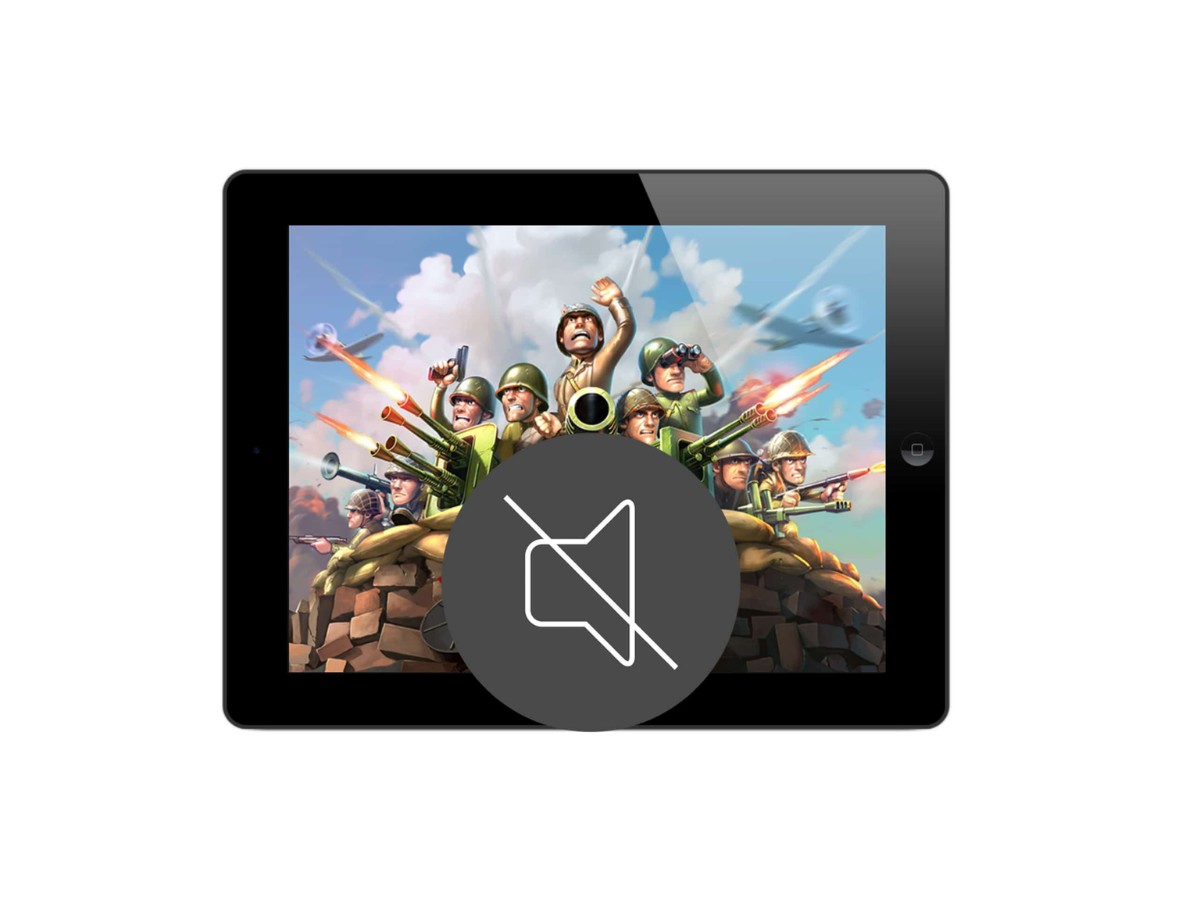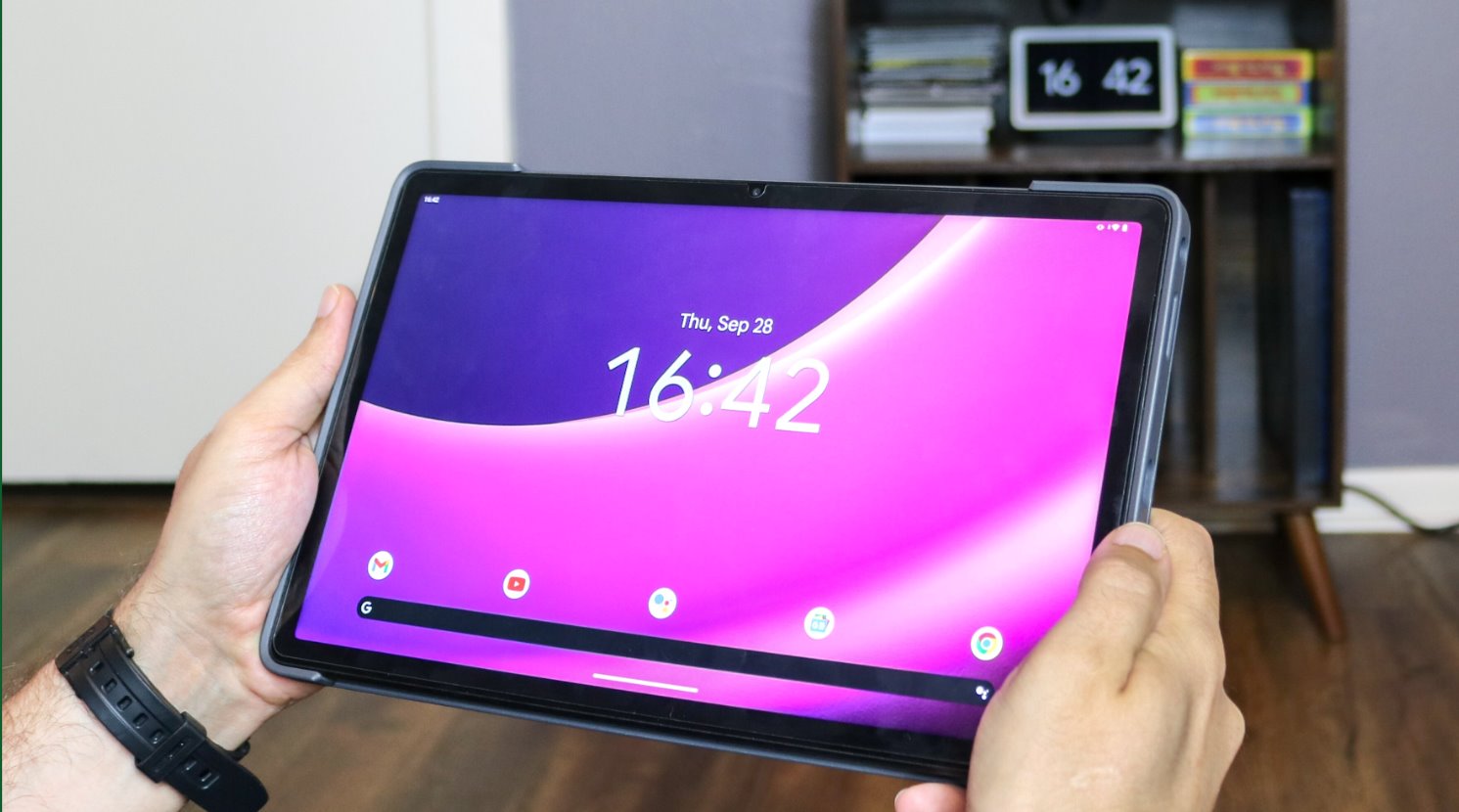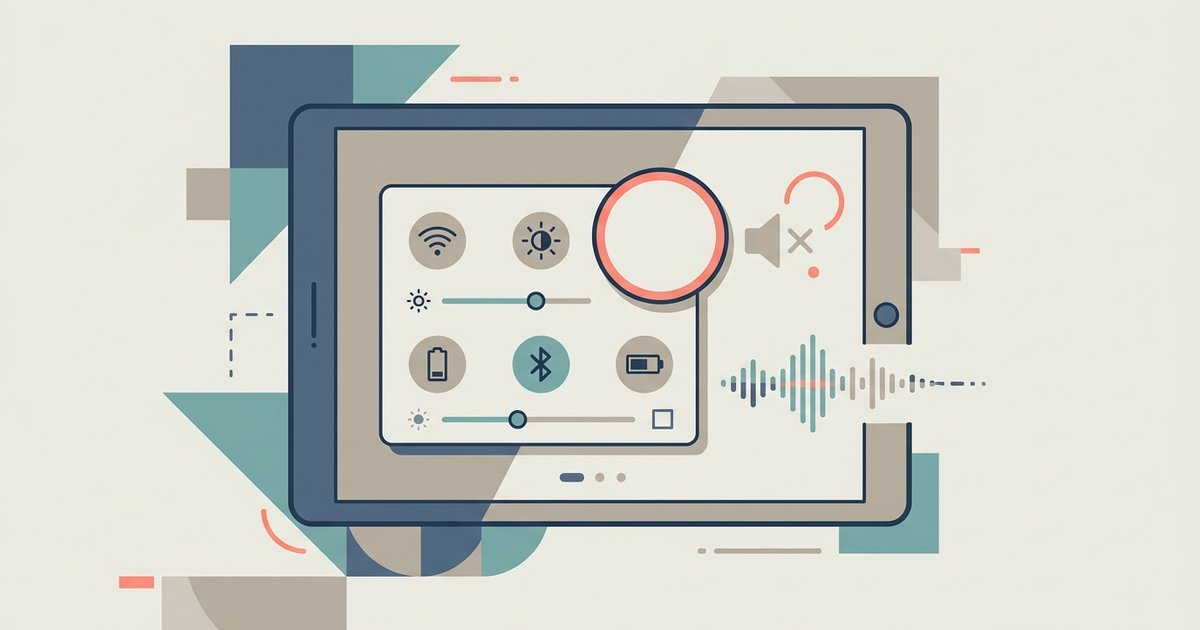
When the tablet speaker icon is missing, your tablet sees only one audio output or a stuck connection. Swipe down twice to fully expand the panel. Use the media player card to access the output switcher if the dedicated icon is gone. This is the fastest way to get the sound back on your tablet without hunting through settings menus. The media player card acts as a fallback output selector even when the standalone speaker icon is hidden.
Why the tablet speaker icon vanishes
Android tablets hide the speaker icon from the quick settings panel for two primary reasons. First, the system only shows the icon when it detects at least two distinct audio output paths. Examples include the built-in speakers and a Bluetooth device, or headphones and a USB-C DAC. If your tablet sees only the internal speakers, it removes the icon to simplify the panel. Second, a stuck Bluetooth connection or an active phone call can trick the system. It then thinks an external device is already in use. If a Bluetooth speaker remains paired but is turned off, Android may hide the speaker switcher. A voice-call app holding the audio channel causes the same behavior. This is similar to why you might search for "there is no sound on my Roku TV" when the TV fails to detect an HDMI audio return channel, a problem that also leads to no sound on your TV or speakers when source switching gets stuck. It also explains why an LG smart TV not playing sound often occurs when the TV locks onto an inactive ARC device. On a tablet, the same logic applies. The icon vanishes when the system believes no alternative output is available. It also vanishes when a phantom connection occupies the audio path.
The media player trick
When the speaker icon is missing, use the active media playback card as your fallback output switcher. Swipe down twice from the top of the screen to open the full panel. Look for the large card showing currently playing or recently played media. It often displays album art, a progress bar, and playback controls. Tap that card to expand it into a larger view. In this expanded card, you will see a small icon that looks like a speaker or a Bluetooth headset. Tap that icon to change the audio output on your tablet. Select the built-in speakers, a paired Bluetooth speaker, or a USB audio device. This trick works even when the dedicated speaker icon in the quick settings row is gone. Android always includes the output switcher inside the media player card as long as any media session exists. If you have experienced Logitech speaker volume issues on a desktop, this is similar. The output path must be manually re-selected when automatic detection fails.
When the icon won't come back
If the speaker icon remains missing, the problem is likely that no media session is active. Without a media session, no app is currently playing or has recently played audio. The media player card itself may not appear. You will be left with no output switcher at all. Start any audio app like YouTube or Spotify. Play a short clip to force a media session. If the icon still does not reappear, the tablet's audio subsystem may be stuck. Perform a full restart by holding the power button and selecting Restart. After the reboot, the system will re-enumerate all audio devices. The speaker icon should return if multiple outputs are detected. If the problem persists, unpair all Bluetooth devices from Settings > Connected Devices > Bluetooth. Pair them again one at a time. This forces Android to re-detect each output and rebuild the output list. It usually restores the speaker icon to the quick settings panel. If none of these steps work, a factory reset may be required. That is rare and typically indicates a deeper firmware issue.