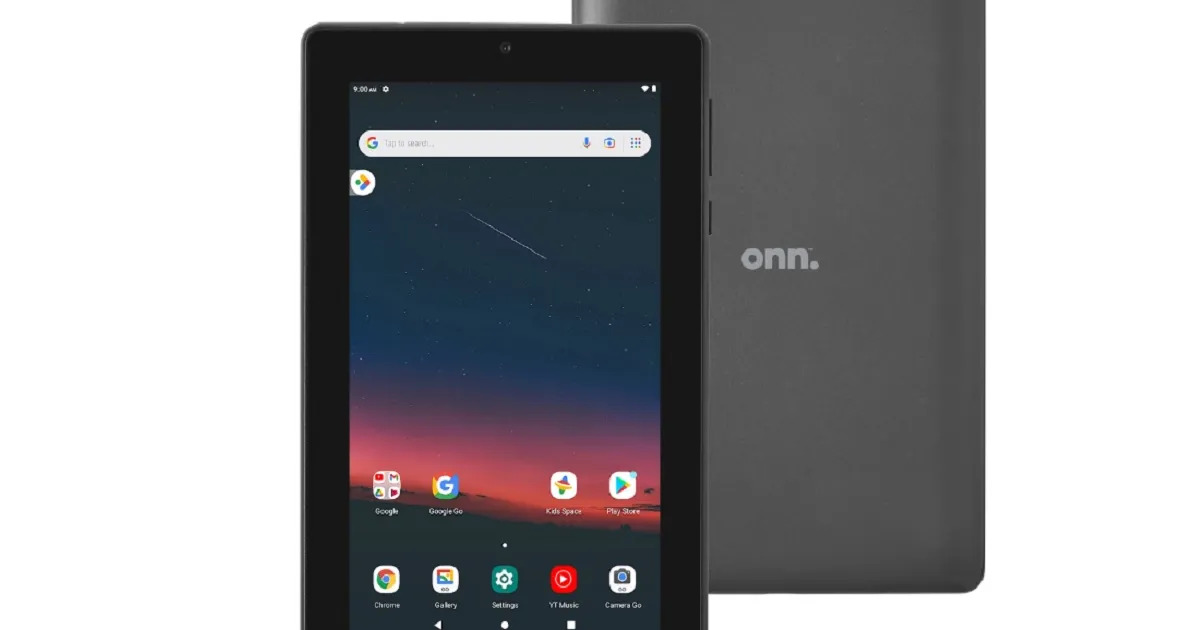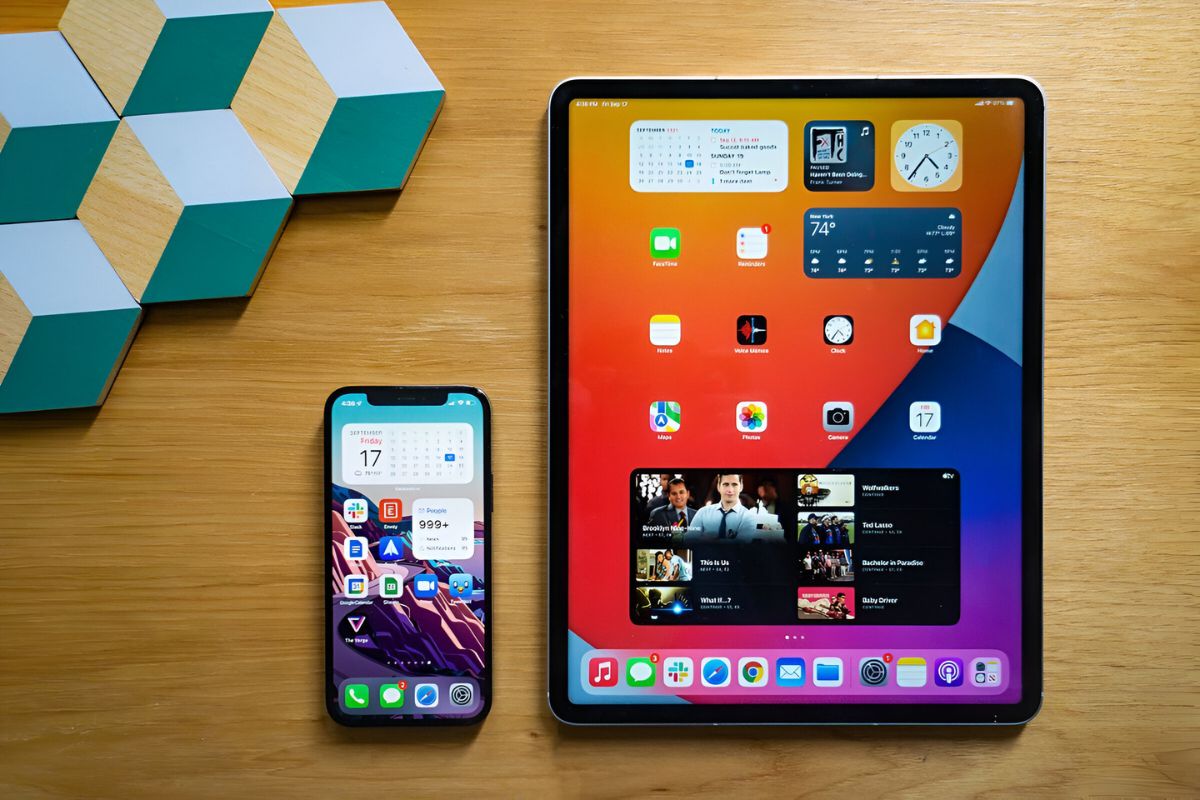
To unsync tablet from phone, you need to stop the automatic data sharing between the two devices by either turning off sync for specific services or removing your shared account entirely. The method you choose depends on whether you want to keep the account on the tablet but stop certain data from syncing, or if you want to sever the connection completely.
How to unsync tablet from phone by turning off Google account sync
If you want to stop your Android tablet from sharing data like contacts, calendar events, or Drive files with your phone without removing your Google account, you can disable sync for individual services. This is the best option when you still want to use the same account on both devices but need to control what gets shared. Open the Settings app on your Android device. Navigate to "Accounts" or "Passwords & Accounts" (in Android 12 and above), or "Accounts and Backup", "Accounts & Sync", "Data Synchronization", or "Cloud and Accounts". Choose the Google account you want to disable sync for. Tap on "Account sync". Unmark (toggle off) all the items you want to unsync, such as "Sync Contacts" or "Sync Calendar". To turn off all automatic app data sync, unmark "Automatically sync app data". This stops your tablet from syncing with your phone without removing the account itself.
How to unsync an iPad from an iPhone by signing out of your Apple ID
For iOS and iPadOS users, the verified way to stop iCloud data, messages, and FaceTime from syncing between an iPad and an iPhone is to sign out of your Apple ID on the tablet. On your iPhone, open the Settings app. Scroll down and tap "Sign Out". If you chose to erase your iPad, tap "Sign Out" and then tap "Sign Out" again in the confirmation popup. This removes the Apple ID from the device, stopping all syncing of iCloud data, messages, and FaceTime between the two devices.
How to unsync by removing the account from your tablet completely
If you want to sever all data ties between your tablet and phone, deleting the shared account from the tablet is the most thorough method short of a factory reset. On an Android tablet, go to Settings, then "Accounts" or "Users & Accounts", select the Google account, and choose "Remove Account". On an iPad, go to Settings, tap your name, scroll down, and tap "Sign Out". Confirm the removal to delete the account and all associated data from the tablet. This ensures no information is shared between the devices, including when you might need to sync your Android phone to your tablet later with a different account.
How to unsync a lost or stolen tablet using Find My Device
If you no longer have access to your Android tablet but it remains synced to your phone, you can remotely unsync it using Google's Find My Device service. On a phone or computer, open a browser and go to myaccount.google.com. In the left panel, open "Security". Go to "Your devices" > "Manage devices". Select the device you want to deactivate and choose to remove it. If you no longer have access to the device, you can use the "Find My Device" app on another device or go to Google.com/android/find, sign in to your Google account, and select "Erase Device". This signs the tablet out of your Google account or erases it, ensuring your data is no longer synced.
How to unsync local connections: Bluetooth and Link to Windows
Beyond cloud syncing, your tablet and phone may be connected locally through Bluetooth or Microsoft's Link to Windows service, sharing notifications or files. To stop this, start by unpairing Bluetooth. On your Android tablet, open Settings, scroll down and tap on "Connections" or "Connected devices". Tap "Bluetooth". View the "Previously Connected Devices" list, tap the Settings icon (gear icon) next to the device you want to remove, then tap "Unpair" or "Forget". For Link to Windows, go to Settings -> Connected Devices -> Link to Windows, or swipe down to access Quick Panel and select Link to Windows. Click on your Microsoft Account. Tap "Sign out". If Bluetooth paired, remove your mobile device from your PC via Windows Settings -> Bluetooth & devices and unpair your PC from your mobile device in its Bluetooth settings. This stops local data sharing and notifications, which is useful when you are moving files between phone and tablet and want to stop automatic transfers.
How to unsync with a factory reset as a last resort
If other methods fail or you need a completely clean, unsynced state, a factory reset wipes all data and accounts from the tablet. This is irreversible, so back up anything important first. On Android, go to Settings > System > Reset options > Factory data reset. On iPad, go to Settings > General > Transfer or Reset iPad > Erase All Content and Settings. After the reset, the tablet will have no accounts and no syncing connection to your phone. Note that if you need to reset Android tablet with computer, you can use recovery mode via a USB connection to perform the reset. Also, remember that if you later factory reset your phone, you may need to unlock Google account on Android phone after factory reset to regain access. This method ensures the tablet is completely independent from your phone.