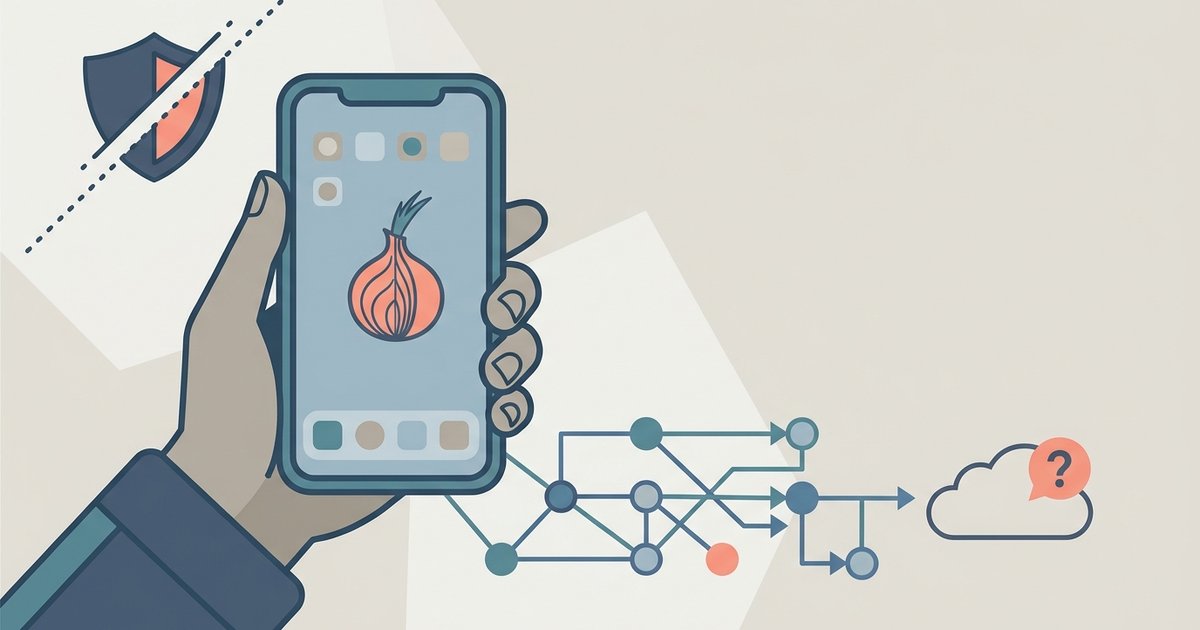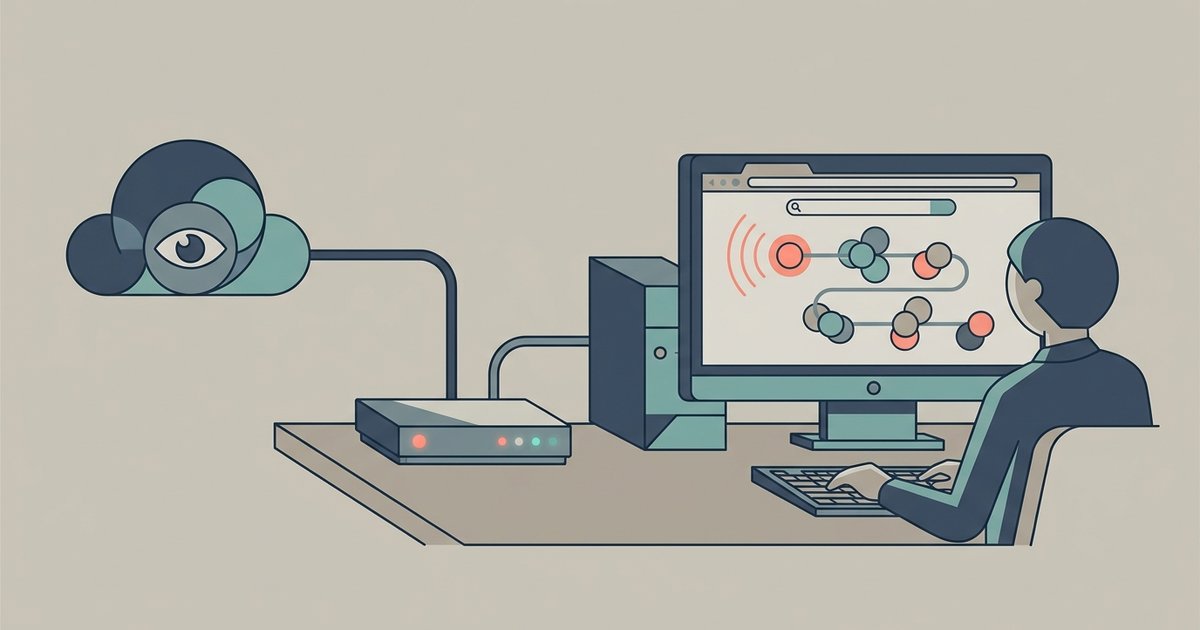
Yes, your ISP can see you are using Tor because the connection to the entry node is not hidden, but they cannot see what you do inside the Tor network. Using Tor is legal in most countries, so your ISP typically won't care unless you are in a restrictive regime.
What your ISP tracking Tor reveals
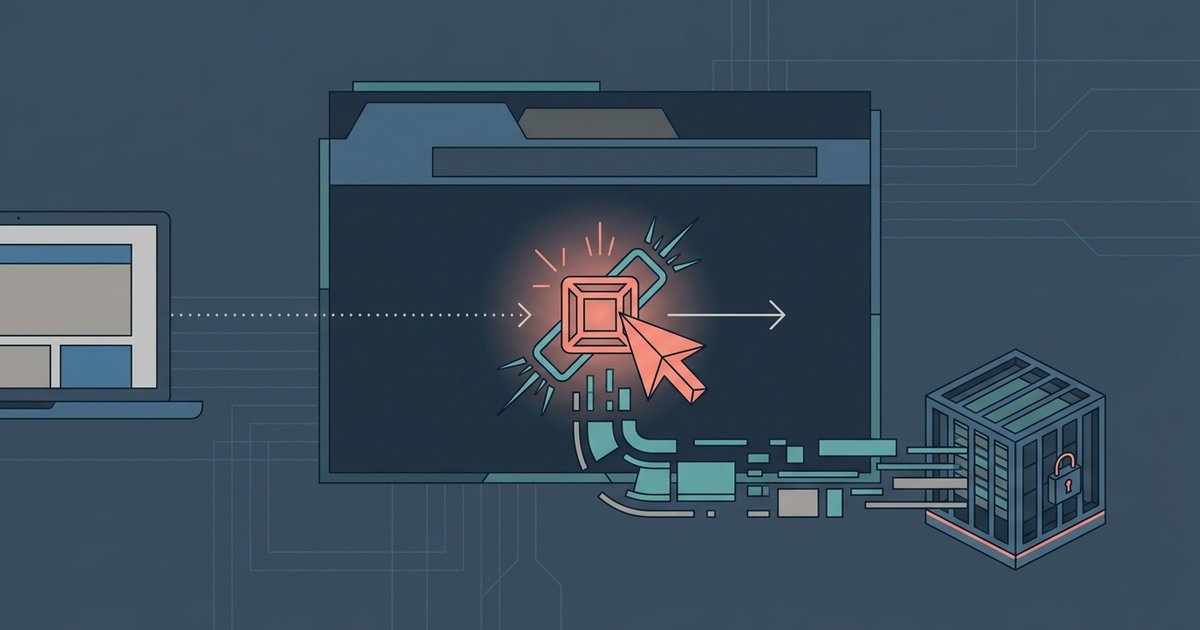
When you launch Tor Browser, your computer sends a connection request to a public IP address listed in Tor’s directory. Your ISP logs this destination IP. It belongs to a Tor entry node, which is a volunteer-run server that relays traffic into the network. The data leaving your router is encrypted with TLS, so your ISP cannot read the payload. However, they can identify the server as a Tor node because those IPs are published in open lists. Your ISP still only sees the initial handshake with the entry node, not that you are visiting a .onion site. They also cannot see whether you download videos on Tor or read text pages. The encryption hides the content and the final destination.
The legal vs. suspicious myth
Many people assume Tor use is inherently suspicious, but in the United States, Canada, the European Union, and most democracies, running Tor is a protected activity under net neutrality and free speech principles. ISPs treat Tor traffic like any other encrypted service. They see a connection to a VPN-like relay, not evidence of wrongdoing. The myth that Tor equals criminal activity persists because media often links it to illicit markets, but the majority of Tor users are journalists, activists, and privacy-conscious individuals. You can get on the dark web on Tor Browser without triggering alarms. The browser itself is just software that routes traffic through three relays. Your ISP has no way to tell if you are reading a blog, checking email, or accessing a legal forum. Even the onion browser for iOS may use a similar principle, but users should verify its trustworthiness independently. Your mobile carrier sees an encrypted tunnel to a Tor bridge or guard, nothing more.
When your ISP might take action
The failure case occurs in authoritarian countries or restrictive networks where Tor is actively blocked. In China, Russia, Iran, and some Middle Eastern states, ISPs receive government-mandated lists of Tor node IPs and either throttle the connection or inject reset packets to drop it. In these environments, your ISP will know you are using Tor and may flag your account for monitoring, regardless of whether you browse legal sites. Corporate networks and university firewalls also sometimes block Tor by default. They use deep packet inspection to detect the TLS handshake pattern unique to Tor’s protocol. If you live in a free country, your ISP almost never takes action. They are legally bound to treat encrypted traffic neutrally, and Tor usage alone is not a violation of terms of service. The only time an ISP cares is if your account generates a complaint from a copyright holder or law enforcement. That requires evidence of specific illegal activity, not mere Tor connection logs.
Your ISP sees only an encrypted handshake with a known Tor guard relay, never which .onion site you visit or what content you access inside the onion routing layers, and if you're curious about how to get to the dark web on DuckDuckGo, that's a broader topic worth exploring on its own.