This tag collects articles that explore how encryption and privacy tools intersect with everyday technology use. It is written for curious consumers who want to understand what their devices, apps, and internet connections do with their data, and who are looking for clear, practical explanations rather than alarmist warnings. Whether you are managing a forgotten password on a hard drive, reviewing your phone bill, or considering a cloud backup service, these pieces help you make informed decisions about your digital footprint.
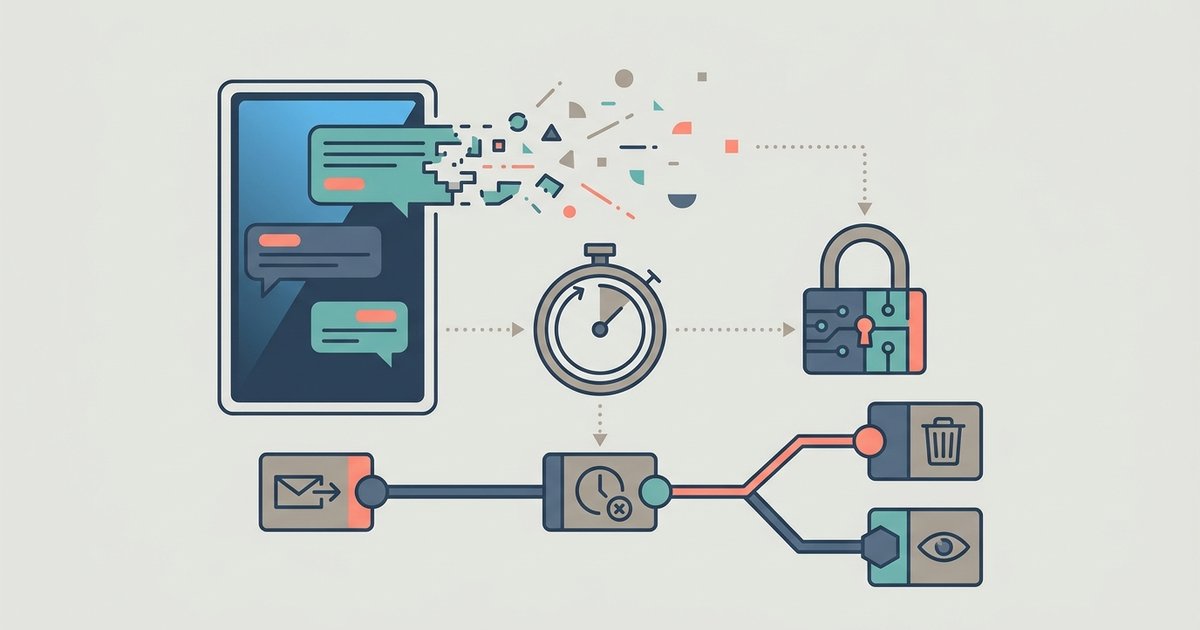
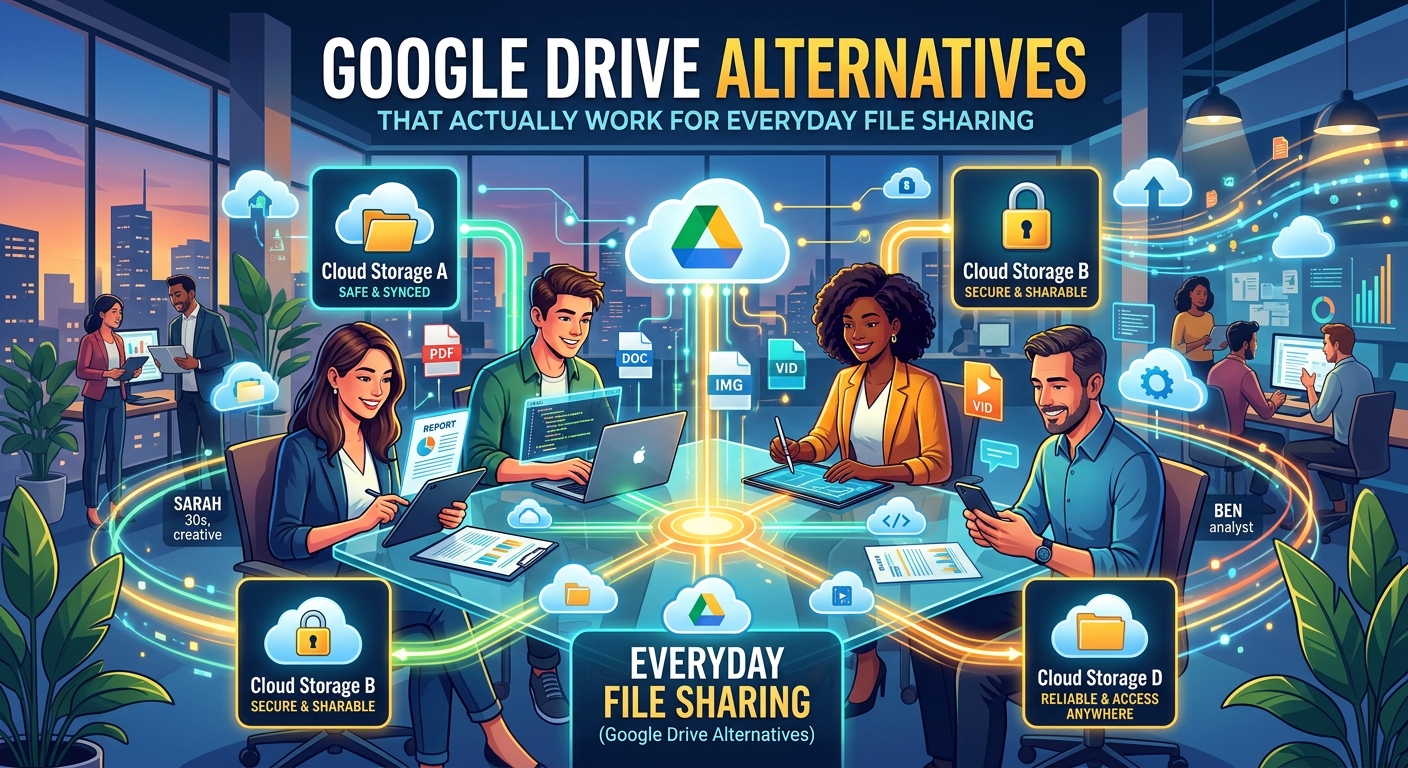
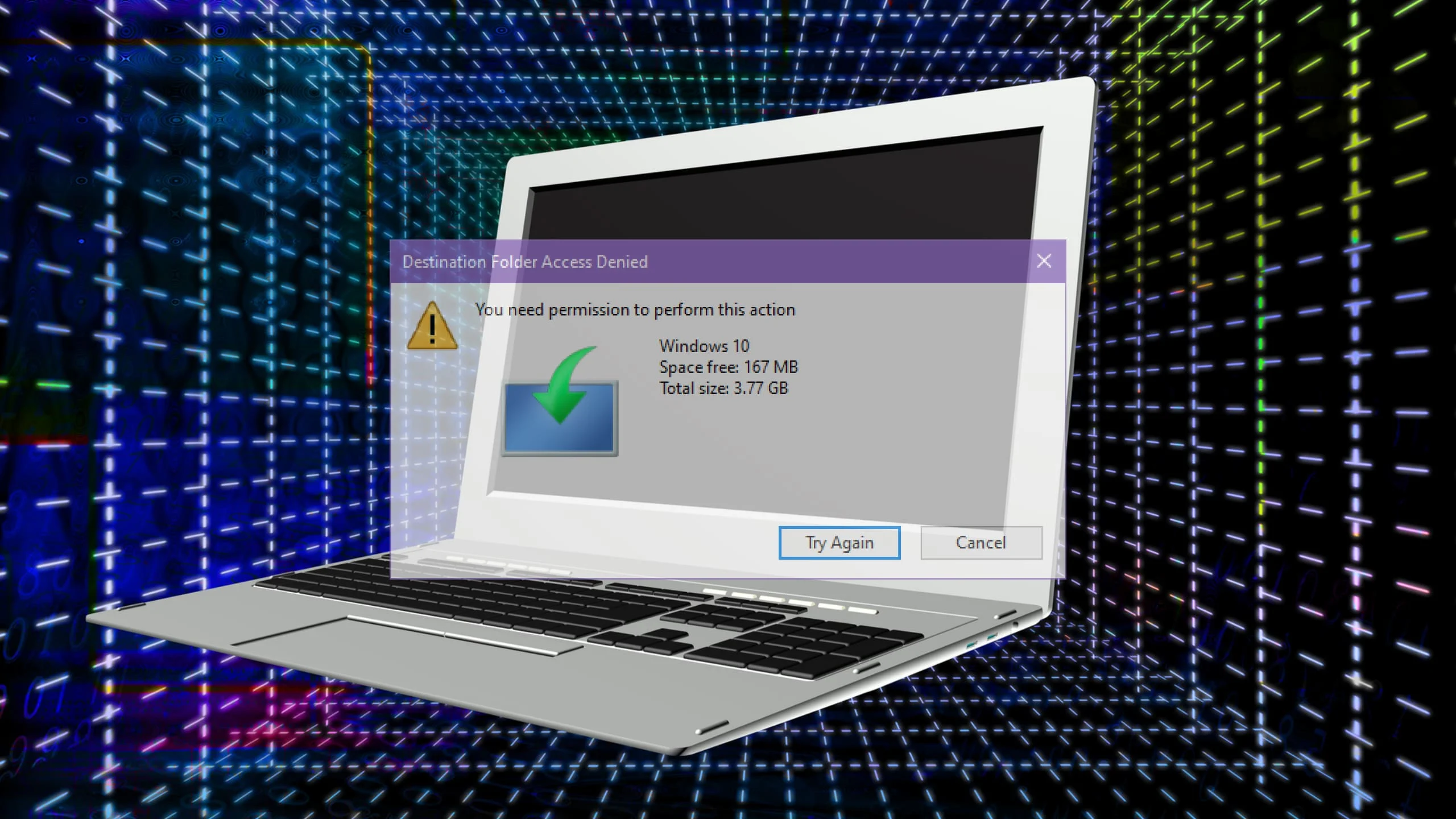
The articles fall into two broad themes. The first is practical data recovery and access: one piece walks through the steps to unlock a Western Digital external drive when the password is lost, while another compares cloud backup solutions for Linux users, focusing on how encryption protects files at rest and in transit. The second theme is privacy in communication and browsing. Here, you will find discussions of why the dark web resists shutdown, what your ISP can and cannot see when you use Tor, and how to read iMessage history on a Verizon bill, not as a way to spy, but to understand what metadata is stored and shared. A related article covers the file format DIRECTV uses for exported recordings, touching on how copy protection and encryption shape that format.
Several pieces take a safety or legal-alternatives angle rather than a “how to get away with it” approach. For example, the article on cybersecurity’s importance in modern society frames encryption as a baseline defense for personal and financial data, while the Tor and ISP piece clarifies the legal and technical boundaries of anonymous browsing. Together, these articles help readers assess risks, recover their own data legitimately, and choose privacy tools with realistic expectations, without venturing into questionable territory.