Why can't the dark web be shut down? Because it is not a single website or server but a distributed network of volunteer-operated relays spread across the globe, protected by layered encryption that makes tracing users or content nearly impossible. No single government or law enforcement agency has the jurisdiction to dismantle it, and its operators continuously adapt to any enforcement action taken against them.
Why can't the dark web be shut down: the short answer
The dark web cannot be shut down for four core reasons. First, it relies on a decentralized volunteer network where no central server exists to target. Second, it uses multi-layer encryption that obscures both the user and the content. Third, the network spans every country, creating a jurisdictional maze for law enforcement. Fourth, operators of dark web services constantly evolve their techniques in response to takedown attempts, ensuring the network persists. This resilience is precisely why illicit marketplaces where criminals buy credit cards on dark web forums remain so difficult to eradicate.
How Tor's decentralized network prevents takedowns
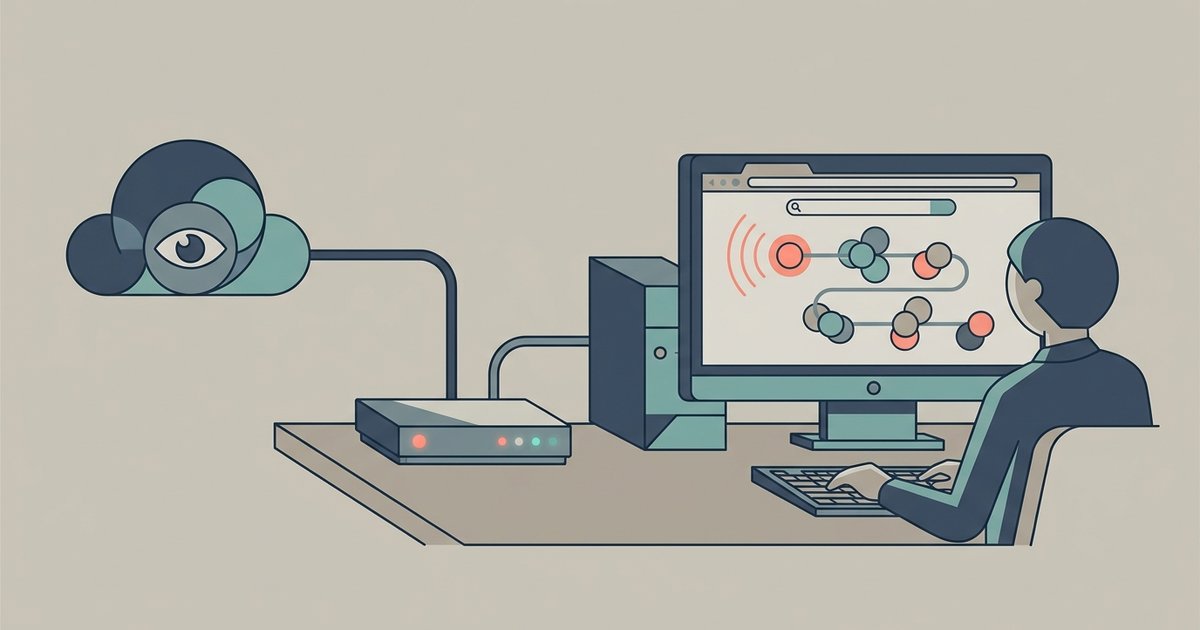
The dark web is built on privacy-focused networks, primarily Tor (The Onion Router), which routes internet traffic through multiple volunteer-operated servers called relays across the world. Because these relays are run by volunteers in different countries, there is no single server or entity that can be targeted to disable the entire network. Hidden services on the dark web are distributed across many nodes, meaning that even if law enforcement takes down one relay or server, the rest of the network continues to function. This distributed nature makes it impossible to shut down the dark web by attacking a single point of failure.
Layered encryption and anonymity measures
Tor encrypts data multiple times, with each layer peeled off by a different relay, making it extremely difficult to trace users or servers. This means that even if an attacker or law enforcement agency controls one relay, they cannot see both the origin and destination of the traffic. Websites on the dark web use .onion addresses that are only reachable through the Tor network, further hiding their physical location. Users operate under pseudonyms and rely on cryptocurrency for transactions, which obscures financial trails. These measures combine to make identifying and prosecuting individuals exceptionally hard.
For those curious about access, you can reach the dark web via DuckDuckGo by using a Tor-enabled browser, but doing so requires understanding the risks involved. The anonymity provided by these tools is powerful, but it also means that users must be aware of the dangers of the dark web, including scams, malware, and exposure to illegal content.
Jurisdictional and international collaboration challenges
The dark web operates across borders, with relays and servers located in multiple countries, each with its own legal framework. Law enforcement agencies face the challenge of determining which jurisdiction has authority over a particular crime or server. Even when a crime is identified, obtaining evidence often requires cooperation from multiple nations, each with different laws regarding data privacy and surveillance. Extradition of suspects can be a lengthy and politically complex process. The lack of a unified international legal framework for cybercrime means that efforts to shut down the dark web are fragmented and slow.
The ongoing cat and mouse game
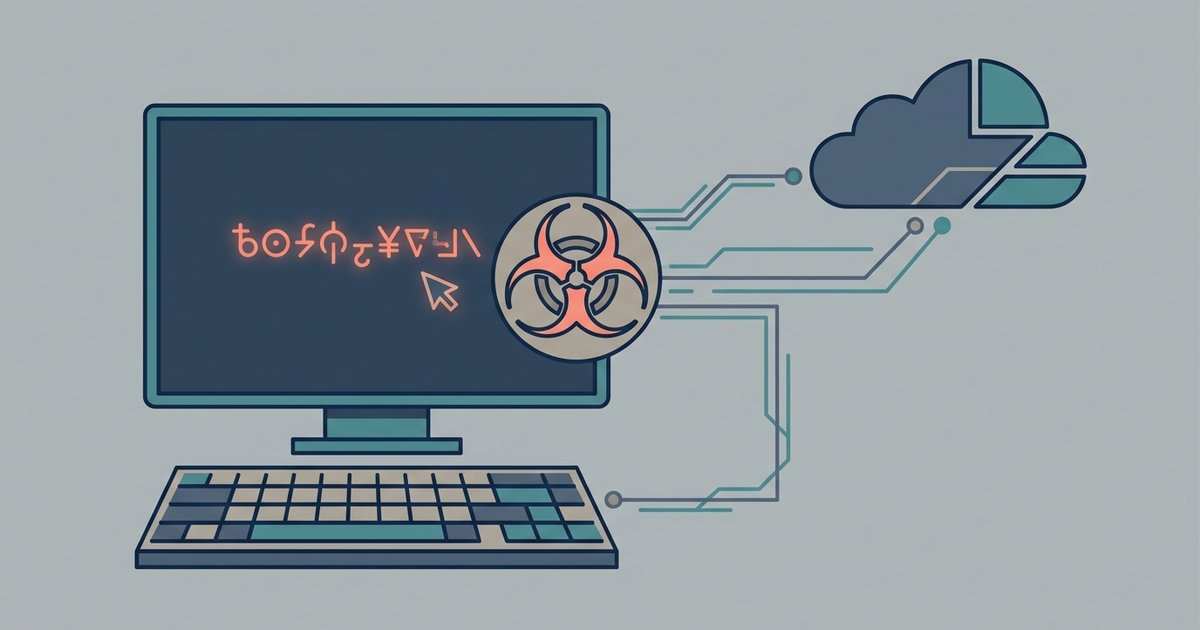
Dark web operators continuously adapt with new encryption techniques and obfuscation methods in response to law enforcement tactics. When authorities develop a method to deanonymize users or take down a marketplace, operators respond by implementing stronger encryption, moving to new platforms, or using different cryptocurrencies. This constant evolution ensures that the network remains resilient. Law enforcement agencies must constantly update their tools and strategies, but they are always reacting to changes made by those running dark web services. This cycle of adaptation and counter-adaptation means the dark web cannot be permanently shut down.
Legitimate uses that complicate a shutdown
The dark web is not only used for illegal activities. Journalists, activists, and privacy advocates rely on it to communicate securely and evade censorship, especially in oppressive regimes. Whistleblowers use it to share sensitive information without fear of surveillance. These legitimate uses create ethical and legal arguments against a complete shutdown. Any attempt to dismantle the dark web would also remove a vital tool for free speech and privacy protection, making governments and law enforcement hesitant to pursue total elimination. The presence of these lawful activities ensures that the network has defenders who argue for its preservation, further complicating any effort to shut it down.