Your Social Security Number can be traded on the dark web for as little as a few dollars, becoming a tool for identity theft and financial fraud that can devastate your credit and personal life. Understanding how to protect your SSN on the dark web starts with knowing exactly how this illegal marketplace operates and why your information is so valuable.
What happens to your SSN on the dark web
When your Social Security Number ends up on the dark web, it becomes a commodity. Cybercriminals buy and sell these numbers in bulk, often packaging them with other stolen personal data like birth dates, addresses, and mother's maiden names. The scale of the problem is staggering: millions of SSNs circulate through hidden marketplaces at any given time, each one representing a real person whose financial life can be turned upside down. For anyone concerned about identity theft, this is the front line of the battle.
What is the dark web
The dark web is a hidden network of websites that require special software, such as Tor (The Onion Router), to access. Unlike the surface web you use every day through search engines like Google, the dark web operates on encrypted layers that mask both the user's identity and the server's location. Websites on this network use .onion addresses instead of .com or .net, and they are not indexed by standard search engines. This anonymity is what attracts illegal SSN trading, as buyers and sellers believe they can operate without being traced. If you want to learn how to get to the dark web on DuckDuckGo, you would need to use the Tor browser, as DuckDuckGo itself cannot directly access .onion sites without it. Understanding the dangers of the dark web is critical, as the same anonymity that protects whistleblowers also shields criminals who trade in stolen identities.
What is a Social Security Number
A Social Security Number is a unique nine-digit identification number assigned to U.S. citizens and residents by the Social Security Administration. Its legitimate purposes include tracking earnings for Social Security benefits, reporting taxes to the IRS, and verifying identity for employment. The first three digits, called the area number, historically indicated where the SSN was issued, but since 2011 the Social Security Administration has used randomization and the digits no longer have geographic significance. The middle two digits are the group number, and the last four are the serial number. Criminals target SSNs because they are the master key to a person's financial identity. With an SSN, a criminal can open bank accounts, apply for credit cards, file fraudulent tax returns, and access government benefits. This makes SSNs one of the most valuable pieces of personal information on the black market.
Why criminals buy and sell SSNs on the dark web
The motivations behind SSN trafficking are driven by financial gain and the desire to operate under a false identity. Identity theft is the most common use, where criminals assume another person's identity to make purchases or take out loans. Financial fraud includes opening credit card accounts, obtaining mortgages, and draining bank accounts. Government benefit fraud involves using stolen SSNs to claim unemployment benefits, welfare, or healthcare services. Another growing tactic is synthetic identity fraud, where criminals combine a real SSN with fake names and addresses to create entirely new identities that are harder for banks to detect. Each of these crimes leaves victims struggling to repair their credit and prove their true identity to authorities.
How SSNs end up on dark web marketplaces
Social Security Numbers reach the dark web through several common sources. Data breaches at major corporations, hospitals, and government agencies expose millions of records at once, which are then sold in bulk. Phishing attacks trick individuals into voluntarily giving up their SSN through fake emails or websites that look legitimate. Insider theft occurs when employees with access to customer or patient databases steal information and sell it online. Once stolen, these numbers are packaged and listed on marketplace sites where buyers can browse by price, quality, and the type of accompanying data.
Risks and consequences of dark web SSN trading
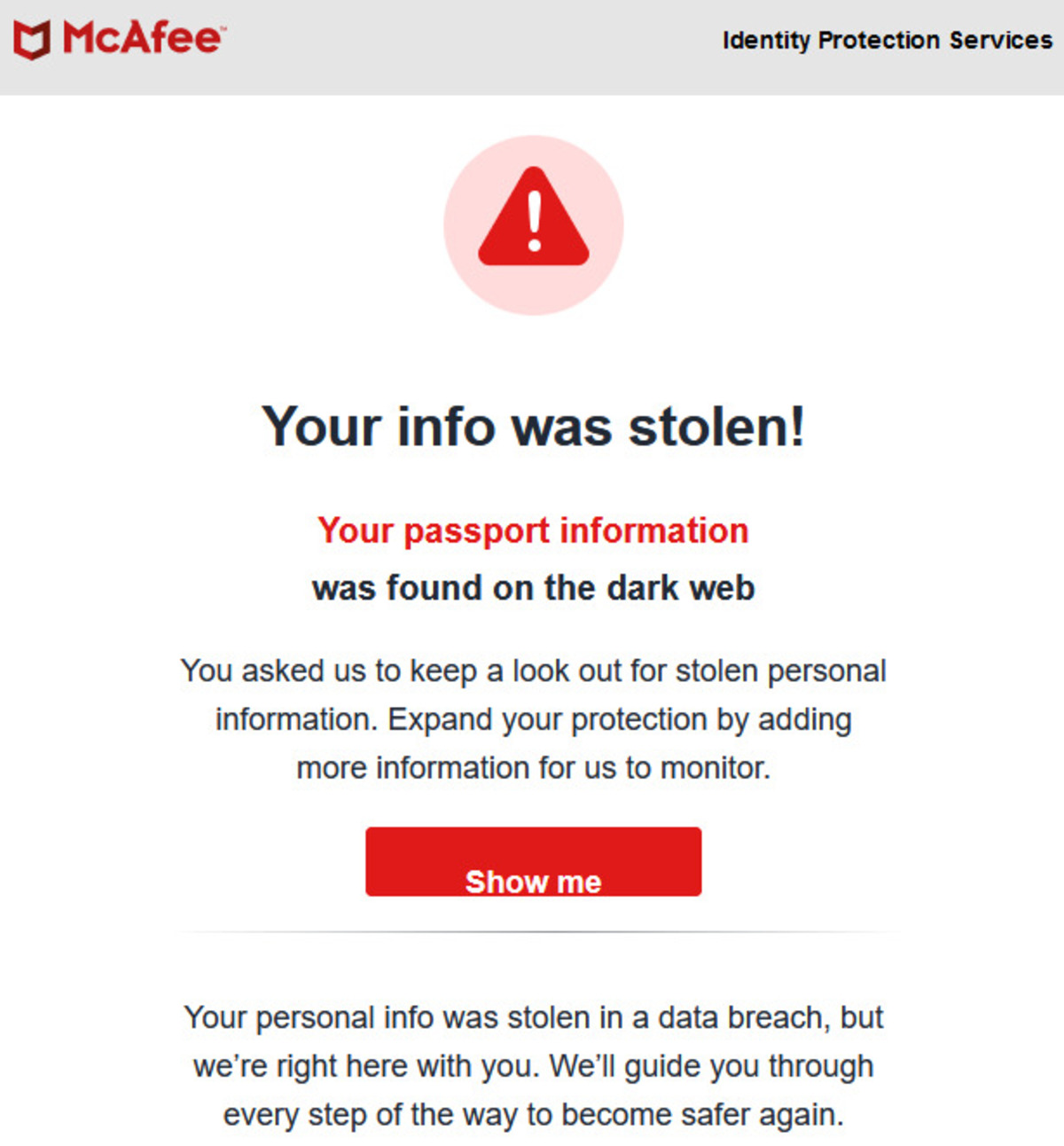
The legal penalties for buying or selling SSNs on the dark web are severe. Federal charges can include identity theft, fraud, and conspiracy, each carrying potential prison sentences and substantial fines. For victims whose SSNs are sold, the consequences can last years. They may find loans denied, jobs lost due to failed background checks, and tax refunds intercepted by fraudsters. Law enforcement agencies actively track these transactions through undercover operations, blockchain analysis of cryptocurrency payments, and monitoring of dark web forums. It is important to understand what it means when McAfee says your info is on the dark web: it indicates that your personal data has been found in a known breach database or marketplace listing, signaling an elevated risk of identity theft. The inability to shut down the dark web completely stems from its decentralized, encrypted structure, which makes it resilient to takedowns, though individual marketplaces are frequently seized by authorities.
How to check if your SSN is on the dark web
Monitoring whether your personal information has been compromised requires a combination of tools and vigilance. Credit monitoring services can alert you to new accounts or inquiries made in your name. Many identity protection companies offer dark web scans that search known breach databases and marketplace listings for your email, phone number, and SSN. You can also attempt to search yourself on the dark web using specialized scanning tools, though this requires technical knowledge and caution. Warning signs that your SSN may be compromised include unexpected credit card charges, collection calls for debts you did not incur, IRS notices about tax returns you did not file, and denial of credit applications you did not submit. Regularly reviewing your credit reports from the three major bureaus is essential for catching fraudulent activity early.
Steps to take if your SSN is compromised
If you discover your SSN has been exposed on the dark web, immediate action is required to limit damage. Place a credit freeze with all three major credit bureaus to prevent criminals from opening new accounts in your name. File a fraud alert on your credit reports, which requires lenders to verify your identity before extending credit. Report the identity theft to the Federal Trade Commission at IdentityTheft.gov and file a police report with your local law enforcement. Contact the Social Security Administration to report the compromise and request a replacement number if necessary. Long-term protection strategies include continuing to monitor your credit reports, using identity theft protection services, and being vigilant about any suspicious activity for years after the incident.
Protecting your SSN from dark web exposure
Preventive measures are the best defense against your SSN ending up on the dark web. Handle physical documents containing your SSN securely, shredding old tax forms, bank statements, and medical records before discarding them. Be extremely cautious with phishing attempts: never provide your SSN in response to an unsolicited email, phone call, or text message, even if the request appears to come from a legitimate company. Minimize sharing your SSN whenever possible, asking if alternative identifiers can be used. Use identity theft protection services that monitor the dark web and alert you to exposures. Strengthen your online accounts with strong, unique passwords and two-factor authentication to reduce the risk of data breaches that could expose your information. By taking these steps, you significantly reduce the chances of your SSN being traded on the dark web and protect yourself from the devastating consequences of identity theft.