What is hyperbaric oxygen therapy?
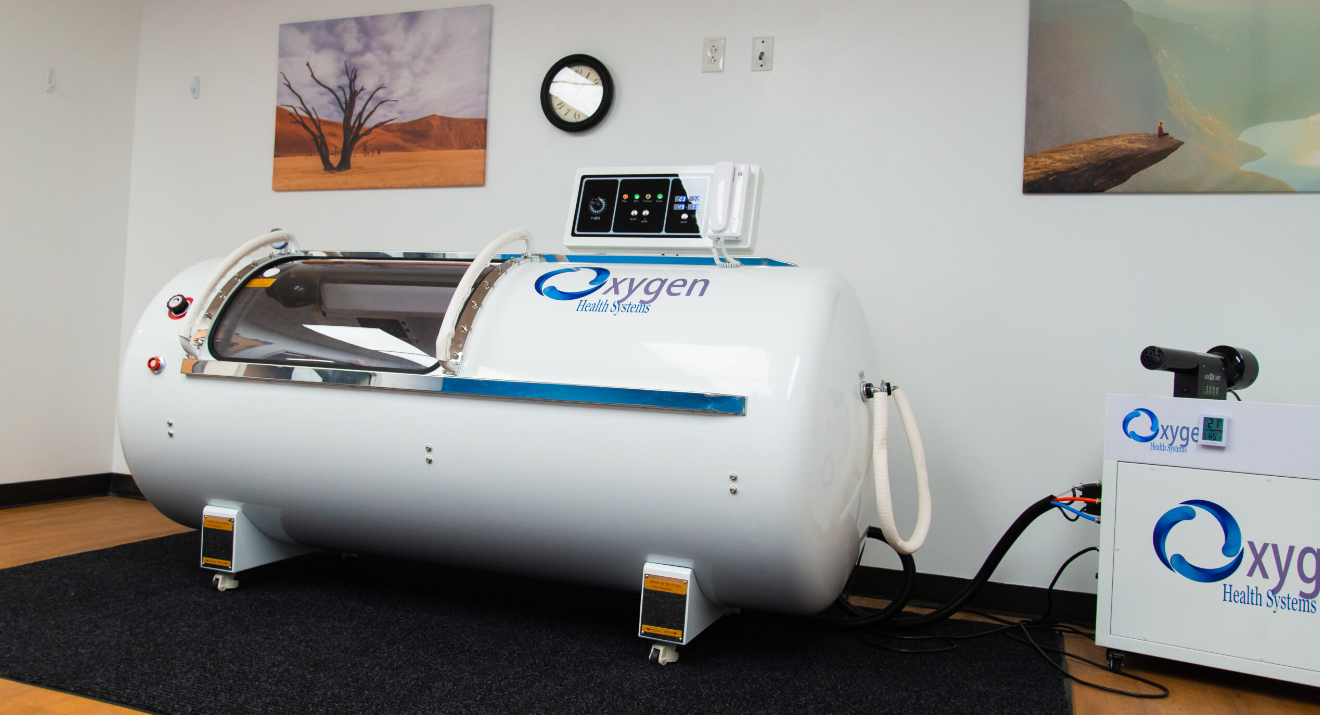
Hyperbaric oxygen therapy (HBOT) is a medical treatment where you breathe 100% oxygen inside a pressurized chamber, typically at 1.5 to 3 times normal atmospheric pressure. This increased pressure allows oxygen to dissolve directly into blood plasma and other body fluids, enabling it to reach areas with diminished circulation that red blood cells alone cannot adequately oxygenate. Because oxygen becomes physically dissolved in the plasma rather than relying solely on hemoglobin, it can bypass blocked or damaged blood vessels and deliver therapeutic oxygen to tissues that are starved of it.
How does hyperbaric oxygen therapy work?
The mechanism is straightforward: under pressure, your lungs take in far more oxygen than they could at normal air pressure. This excess oxygen saturates your blood plasma, creating a concentration gradient that drives oxygen deep into tissues, including areas with poor blood flow, swelling, or infection. The result is enhanced cellular repair, reduced inflammation, and stimulation of new blood vessel growth. Treatment occurs in either a monoplace chamber designed for one person or a multiplace chamber that accommodates several patients simultaneously, often with a technician present. A typical session lasts 1.5 to 2 hours, during which patients can relax, watch TV, or nap while the pressure gradually increases and decreases around them. Most people feel only a fullness in the ears, similar to descending in an airplane, which resolves as pressure equalizes.
14 FDA-approved medical uses of HBOT
The U.S. Food and Drug Administration (FDA) has approved HBOT for 14 specific conditions, reflecting its broad therapeutic range. These include:
- Decompression sickness, the original use for divers who surface too quickly
- Carbon monoxide poisoning, where high oxygen displaces carbon monoxide from hemoglobin
- Gas gangrene, a bacterial infection that thrives in low-oxygen tissue
- Crush injuries, where compressed tissue needs oxygen to survive
- Diabetic foot ulcers, chronic wounds that fail to heal due to poor circulation
- Delayed radiation injury, tissue damage that appears months or years after radiotherapy
- Air or gas embolism, bubbles in blood vessels that block circulation
- Osteomyelitis, a persistent bone infection
- Skin grafts and flaps, to improve survival of transplanted tissue
- Sudden hearing loss, where oxygen delivery to the inner ear is critical
- Retinal artery occlusion, sudden vision loss from a blocked artery in the eye
- Necrotizing soft tissue infections, flesh-eating bacterial infections
- Chronic refractory osteomyelitis, bone infection that has not responded to other treatments
- Compromised skin grafts, where oxygen helps the graft integrate with surrounding tissue
Is hyperbaric oxygen therapy safe?
HBOT is generally safe when clinically supervised, with common mild side effects including ear pain or sinus pressure, similar to sensations experienced during airplane travel. These effects are temporary and typically resolve as pressure equalizes during the session. The only absolute contraindication for HBOT is an untreated pneumothorax (collapsed lung), because the pressure change can convert a small air pocket into a life-threatening tension pneumothorax. Beyond that single exclusion, most people tolerate treatment well, but clinical supervision is essential to monitor oxygen levels, manage pressure changes, and respond to any adverse reactions promptly. A physician trained in hyperbaric medicine should always evaluate your medical history before you begin treatment.
Common myths about HBOT
One persistent myth is that HBOT is only for scuba divers, but its applications have expanded significantly beyond treating decompression sickness. Another misconception is that HBOT is experimental or alternative medicine, yet it is a scientifically accepted medical treatment, FDA-cleared for many conditions, and supported by clinical studies. Some people believe that more oxygen is always better, but HBOT is carefully dosed and monitored precisely because oxygen at high pressure can be toxic if overused. Others assume that one session provides permanent healing, but most conditions require a series of treatments over weeks to achieve lasting results. Finally, some think that HBOT can cure any ailment, but it is a targeted therapy with specific indications, not a universal remedy. Understanding these facts helps patients make informed decisions about whether HBOT is appropriate for their condition.
\nRelated reading: Robots Acquires SpyOnTech, What Is A Monitor, and What Makes A Good Digital Forensics Workstation.