Getting started with Chrome developer mode and settings
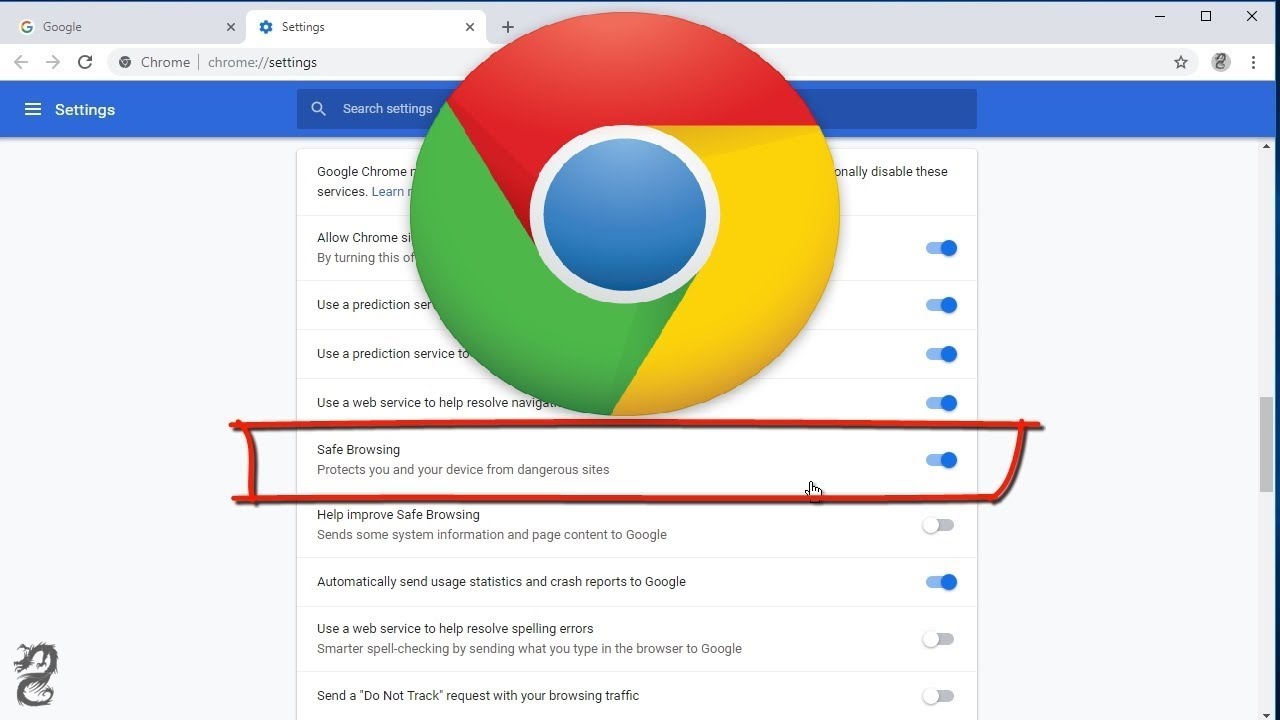
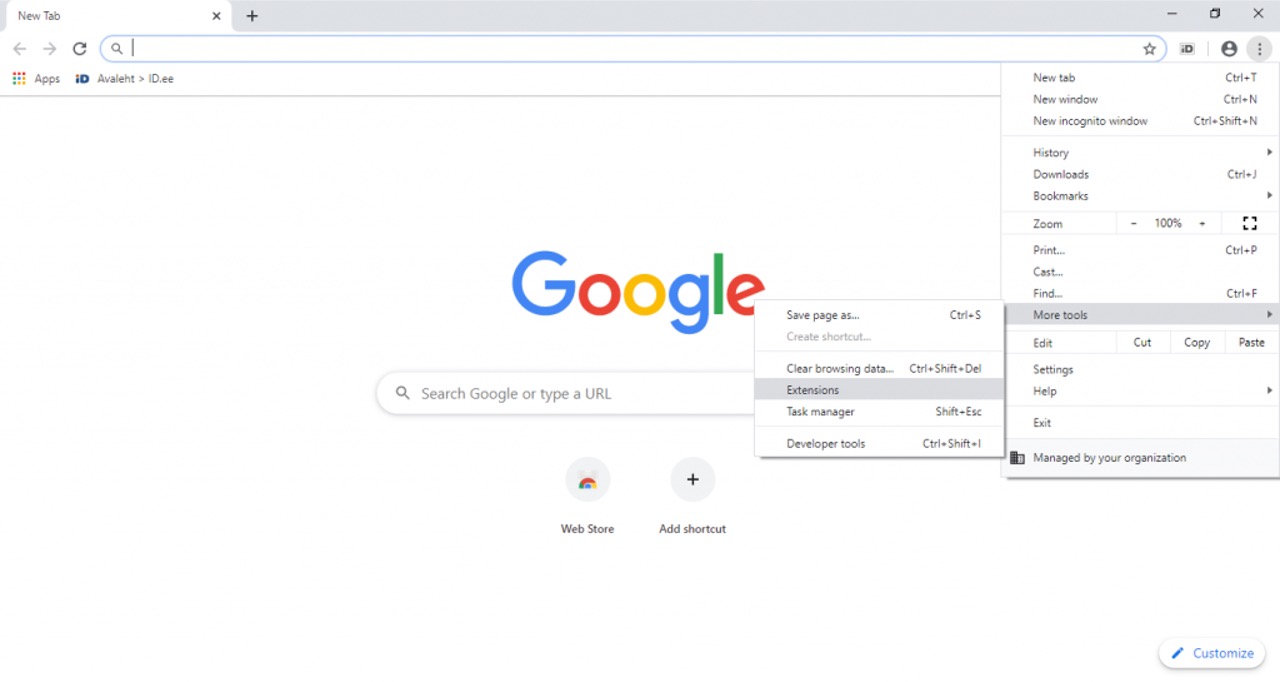
To access experimental features, you first need to know how to turn on developer mode on Chrome. This setting lives in the Extensions management page, which you can reach by typing chrome://extensions into the address bar, clicking the Extensions puzzle icon and selecting "Manage Extensions," or navigating through the Chrome menu. Once there, toggle the "Developer mode" switch in the upper-right corner. That action unlocks the ability to load unpacked tools and see detailed error logs. After you have done that, you should also know how to check browser settings in Google Chrome for any conflicts that might block a tool from loading. Navigate to chrome://settings and review permissions, site access, and privacy controls. An over-aggressive security setting can silently prevent an add-on from running.
If you need to test how a site behaves in a sandboxed environment, you may want to enable HTML5 in Chrome, which is actually controlled via the content settings under chrome://settings/content rather than a single toggle. For more advanced adjustments, you can visit chrome://flags to activate experimental APIs. Many enterprise-managed devices restrict this page. If you encounter a situation where Chrome flags not working on managed device how to bypass becomes your immediate question, the answer is usually that you cannot bypass it. The policy is enforced by your IT administrator at the system level. Finally, if you are testing a flag on your own machine and find that it resets after closing the program, you need to stop Chrome from reverting flags after reboot by launching the client with the --flag-switches-begin command-line arguments or by editing the shortcut to include persistent flags. You cannot add these tools to Chrome on Android or iOS the same way; the mobile app deliberately lacks this capability, so no developer mode or flags interface appears there. Neither approach gives you the always-on, persistent experience you get on a laptop. Chrome lets you load self-signed unpacked extensions without any external marketplace review, making it one of the mainstream clients where your own experimental code runs as a first-class citizen.
Installing and managing extensions on desktop
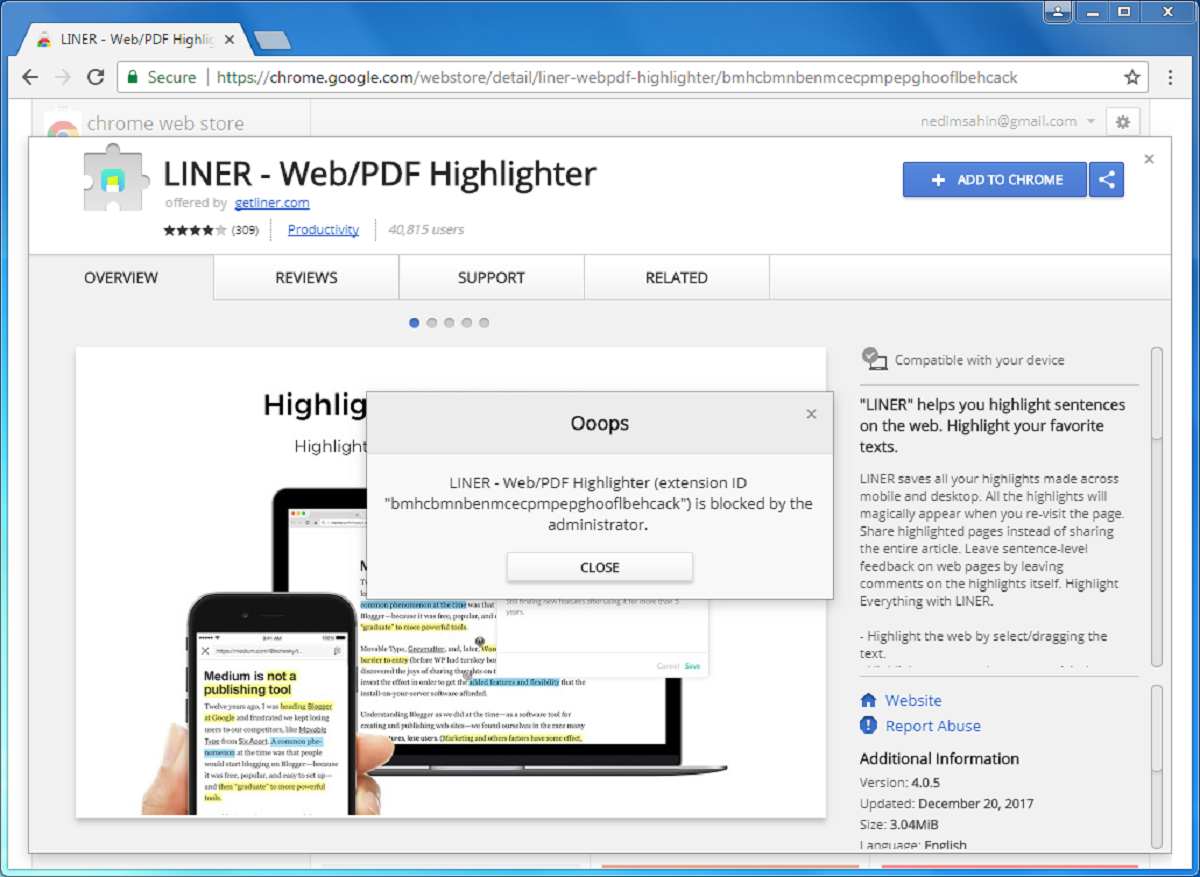
You install an extension on a desktop Chrome browser by opening the Chrome Web Store, locating the tool you want, clicking "Add to Chrome," and confirming the permissions. The add-on then appears to the right of the address bar after a brief download. If you encounter a message that an extension is blocked, your organization or school may have imposed restrictions. You cannot simply bypass these settings, but you can look for alternatives within the allowed list or, in some cases, use a different profile on the same machine. For items disabled because Chrome flags them as unsafe, you may be able to re-enable them on the Extensions page if the option is available, but this carries security risks. This carries security risks. You cannot add extensions to Chrome mobile on Android or iOS the same way, the mobile version deliberately lacks this capability, so if you need one, you must use a desktop computer or switch to a mobile client that supports add-ons. The method to get Chrome extensions blocked by admin is not something you can override from the application itself. You would typically need to contact your IT department or use a personal device. Extensions can help you disable captcha in Chrome on desktop by automating verification, but this only works on the full program, not the mobile app. If you are trying to make unity work on Chrome, you will need a desktop browser running the appropriate plug-in or WebGL support. Mobile Chrome cannot handle Unity-based content in the same way. The core reality that separates this guide from any other is that Chrome’s mobile version was built from the ground up to reject the desktop extension model entirely, forcing every workaround to rely on external apps or alternative browsers.
Using extensions on phones and tablets
Trying to get extension-like functionality on a phone or tablet means accepting that Chrome's mobile versions simply do not support the extension API. On Android, the only way to use Chrome extensions on Android without sideloading is to switch to an alternative like Kiwi or Yandex. These apps have built the necessary framework to load desktop-style add-ons directly from the Chrome Web Store. Even then, you are limited. Many tools that rely on native desktop features, such as modifying the new tab page or interacting with system-level file pickers, will either crash or refuse to install. On iOS, the situation is even more restricted because Apple's app sandboxing and security policies do not permit Chrome to run its own add-on system. If you want to use Chrome extensions on iPhone, your only practical options are either to use the Safari add-ons that some developers have ported over, which are far fewer in number and often less capable, or to set up a remote desktop connection to a computer that has the full desktop version of Chrome running. The core limitation remains: there is no hidden developer-mode toggle inside mobile Chrome that unlocks add-on support.