To enter the dark web on Android, you need to install Tor Browser, which routes your traffic through the Tor network to access .onion sites. This guide provides a safe, step-by-step process to install and use Tor Browser on your Android phone, while also explaining the risks involved, accessing the dark web itself is legal, but engaging in illegal activities there is not.
What you need to enter the dark web on Android
Entering the dark web on Android requires only two things: a compatible device and the Tor Browser app. Tor Browser encrypts your connection and bounces it through volunteer servers, letting you reach hidden services with .onion addresses. Before proceeding, understand that while browsing the dark web is legal in most jurisdictions, using it for illegal purposes is not, and you are responsible for your actions.
Prepare your Android device and connect a VPN
Before launching Tor Browser, take two preparatory steps to strengthen your security. First, update your Android operating system to the latest version to patch known vulnerabilities, and set a screen lock (PIN, password, or biometric) to protect your device if it is lost or stolen. Second, connect to a reputable VPN service. A VPN encrypts your internet traffic before it reaches the Tor network, hiding your Tor usage from your internet service provider and adding an extra layer of network security. Choose a VPN that does not keep logs and has a strong privacy policy, then connect to a server before opening Tor Browser.
Download and install Tor Browser for Android
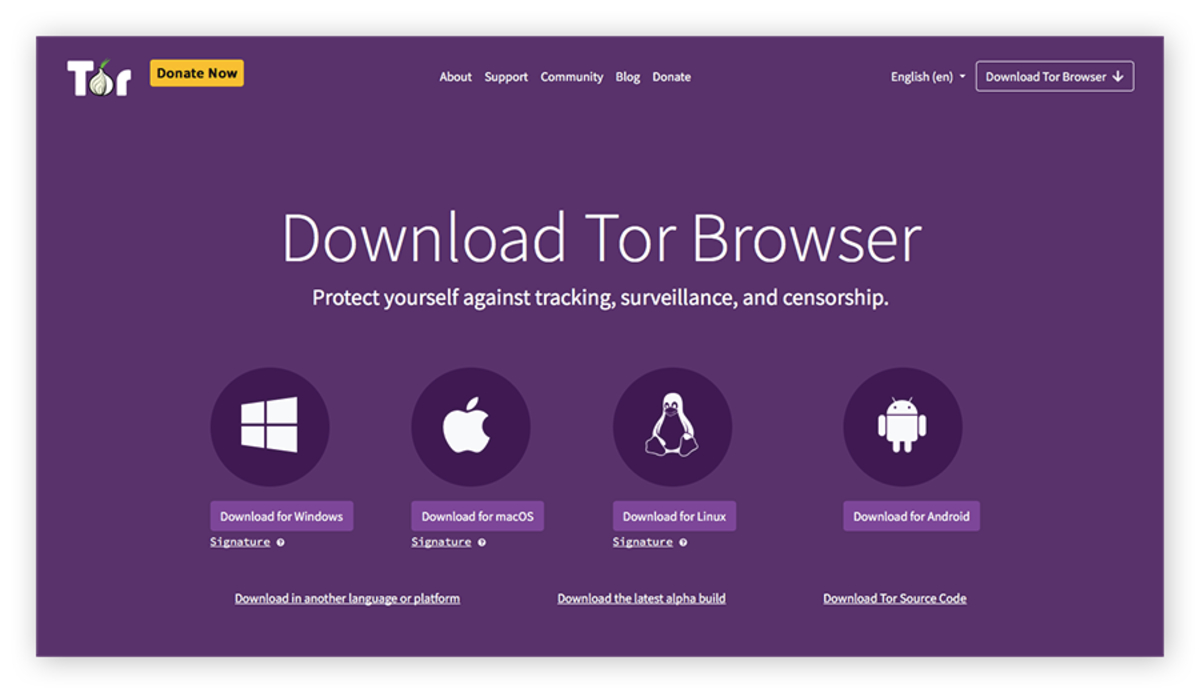
Tor Browser for Android requires Android 5.0 or newer and supports Aarch64, Arm, x86_64, and x86 architectures. You can download it from the Google Play Store, F-Droid, or the official Tor Project website. On the Play Store, search for "Tor Browser" and install the app published by The Tor Project. On F-Droid, search for the same app and install it from that repository. If you prefer to download directly, visit the Tor Project website on your phone and download the APK file, then enable "Install from unknown sources" in your settings to complete the installation.
Connect to the Tor network
- Open the Tor Browser app on your Android device.
- Tap the "Connect" button on the initial screen. The app will build a circuit through the Tor network, which may take several minutes.
- Once the circuit is built, the browser will open to the Tor start page. For future launches, you can enable "Always connect automatically" on the initial connection screen or later in the app's settings.
After connecting, your IP address is hidden, and you can browse the web anonymously. The browser will display a message confirming you are connected to Tor.
Configure bridges if your connection is blocked
If your internet service provider or network blocks direct connections to the Tor network, you can use bridges, private relays that are harder to block. To set up a bridge:
- On the initial connection screen, tap "Configure Connection" instead of "Connect." Alternatively, after connecting, go to Settings (⚙️) > Connection > Config Bridge.
- Toggle on "Use a Bridge."
- Select a built-in bridge type such as obfs4, Snowflake, or meek-azure. These obfuscate your traffic to look like random data, bypassing censorship.
- Alternatively, choose "Provide a Bridge I know" and enter a custom bridge address. You can obtain bridge addresses from bridges.torproject.org, by emailing bridges@torproject.org (from a Riseup or Gmail account), or via the Telegram bot @GetBridgesBot.
After configuring a bridge, return to the main screen and tap "Connect." The app will use the bridge to reach the Tor network.
Adjust your security level for safer browsing
Tor Browser offers three security presets that control which web features are allowed, reducing the risk of malicious scripts or content. To change the security level:
- Tap the three-dot icon (⋮) or kebab menu in the top-right corner.
- Select "Settings."
- Navigate to "Privacy and security" and tap "Security Level."
The presets are:
- Standard: All browser features are enabled. Suitable for most sites, but offers the least protection against web-based attacks.
- Safer: Disables JavaScript on non-HTTPS sites and blocks some fonts and media. This prevents many common exploits while still allowing most websites to function.
- Safest: Disables JavaScript on all sites, blocks most video and audio formats, and restricts some font and image rendering. This provides maximum protection but may break many websites, including some .onion services.
Start with the "Safer" level and only lower it to "Standard" if a trusted site requires JavaScript. Use "Safest" when visiting unknown or suspicious .onion sites.
Access .onion sites and stay safe
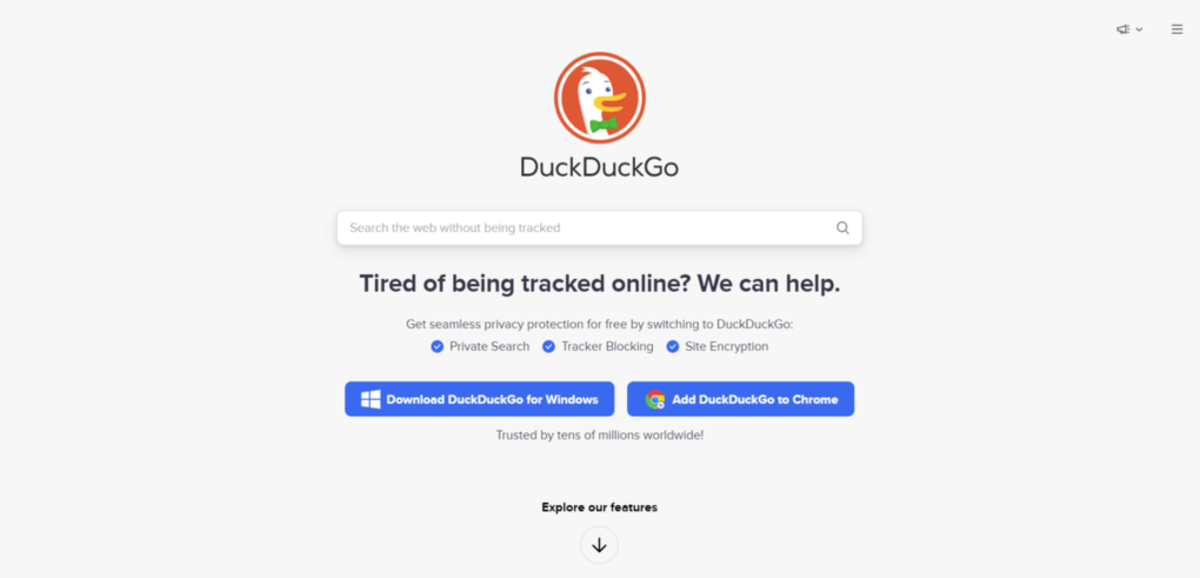
To access .onion sites, simply type or paste a .onion URL into the Tor Browser address bar and press Enter. The browser will route your request through the Tor network and load the hidden service. To find .onion addresses, you can use directories or search engines like DuckDuckGo, where you can get to the dark web on DuckDuckGo by searching for "onion links" or "hidden wiki," though results vary. Be aware of the dangers of the dark web: malware, scams, phishing sites, and exposure to illegal or disturbing content are common. Never download files from untrusted sources, avoid sharing personal information, and do not engage in illegal transactions. To get on the dark web on tor browser safely, always verify that a .onion site is legitimate before interacting with it, and exit immediately if something feels suspicious. Keep your Android device updated, use strong passwords for any accounts, and consider disabling JavaScript entirely by setting the security level to "Safest" for maximum protection. Your safety depends on your vigilance, treat every .onion site as potentially hostile until proven otherwise.