What you need to know before you get to the dark web on DuckDuckGo
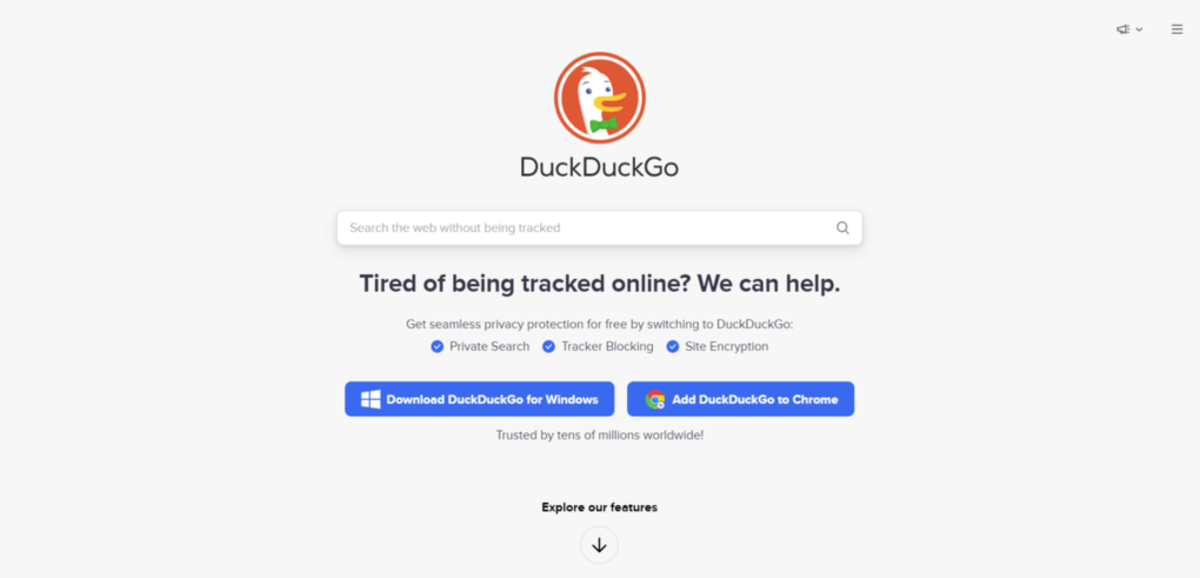
To get to the dark web on DuckDuckGo, you cannot simply type an address into Chrome or Safari; the dark web is not a place you can search into from your normal browser. It is a separate layer of the internet that requires specific software to access. Even then, the experience is fundamentally different from the surface web. The most common route is the Tor Browser. This application routes your traffic through multiple relays to hide your identity and location. Once you are inside Tor, you can use DuckDuckGo's own onion site as a search engine. But it primarily indexes the surface web and does not extensively index .onion sites. You should be aware of the dangers of the dark web before venturing in. Scams, malware, and disturbing content are common. A key technical reality is the inability to shut down the dark web due to its decentralized architecture. This means law enforcement and hosting providers have very limited control over the sites that exist there. If you ever receive a notification from a security tool, it is important to understand what does it mean when McAfee says your info is on the dark web. Typically it means credentials from a known data breach have been found in a public dump. It does not mean someone is actively watching you. Finally, you will almost certainly encounter references to illegal material. You must know what people mean by cp on the dark web. Stumbling onto it can have serious legal and psychological consequences. Reporting it is the only safe course of action.
Getting set up and staying anonymous
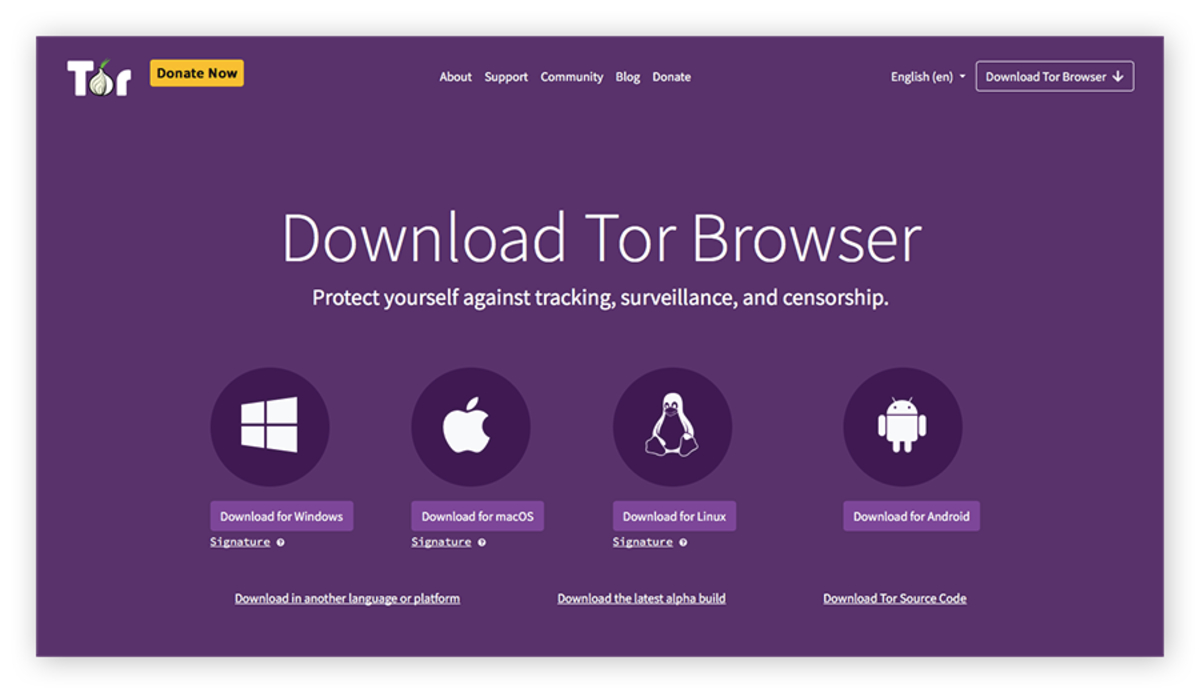
To get on the dark web on tor browser, you first need to download the official Tor Browser from the Tor Project’s website. Avoid app stores, which may host tampered versions. Once installed, launch the client and understand that your ISP can see you are using Tor. However, they cannot see which .onion sites you visit or what you do inside them. The key difference between Tor and the onion browser is that the latter is often a misleading name for third-party apps on mobile. The real Tor Browser is the only reliable way to access hidden services.
If you need to enter the dark web Android, install Tor Browser for Android from the Tor Project’s official download page. Do not use Google Play if you want the strongest privacy guarantees. For Apple users, getting Tor Browser working on iPhone or iOS is not officially supported by the Tor Project because Apple restricts the rendering engine. Instead, use Onion Browser, which is a Tor-powered alternative that routes traffic through the network but has limitations. A common worry is whether your ISP can see Tor use even if you don't browse illegal sites. The answer is yes, they see the Tor connection itself. But they cannot see your destination or activity inside the application. This is the same protection you get whether you visit a forum or a library catalog.
Navigating safely once you're inside
Once you have the Tor Browser running and you're inside a dark web marketplace or forum, the biggest risk isn't getting caught. It's losing your device to malware. You can get a virus just by clicking a link on the dark web if the site exploits a vulnerability in the client, so always keep Tor and your operating system fully updated. Before you interact with any resource, you need to know how to verify a dark web link is safe before clicking it. Verify any address through reputable sources rather than trusting a random post. The real danger isn't just malware, though. Clicking a honeypot link by accident can route your traffic to law enforcement or a scammer's server. This is why you should never click shortened links or addresses that look slightly misspelled. To find anything in dark web content worth visiting, rely on curated directories from trusted communities, not a search box, because most useful sites aren't indexed. And if you're worried about your own data, you can search yourself on the dark web using a dedicated onion service that checks leaked databases. Never enter your personal information into a site that asks for it directly. Treat every click like it could be your last.
Buying, selling, and downloading
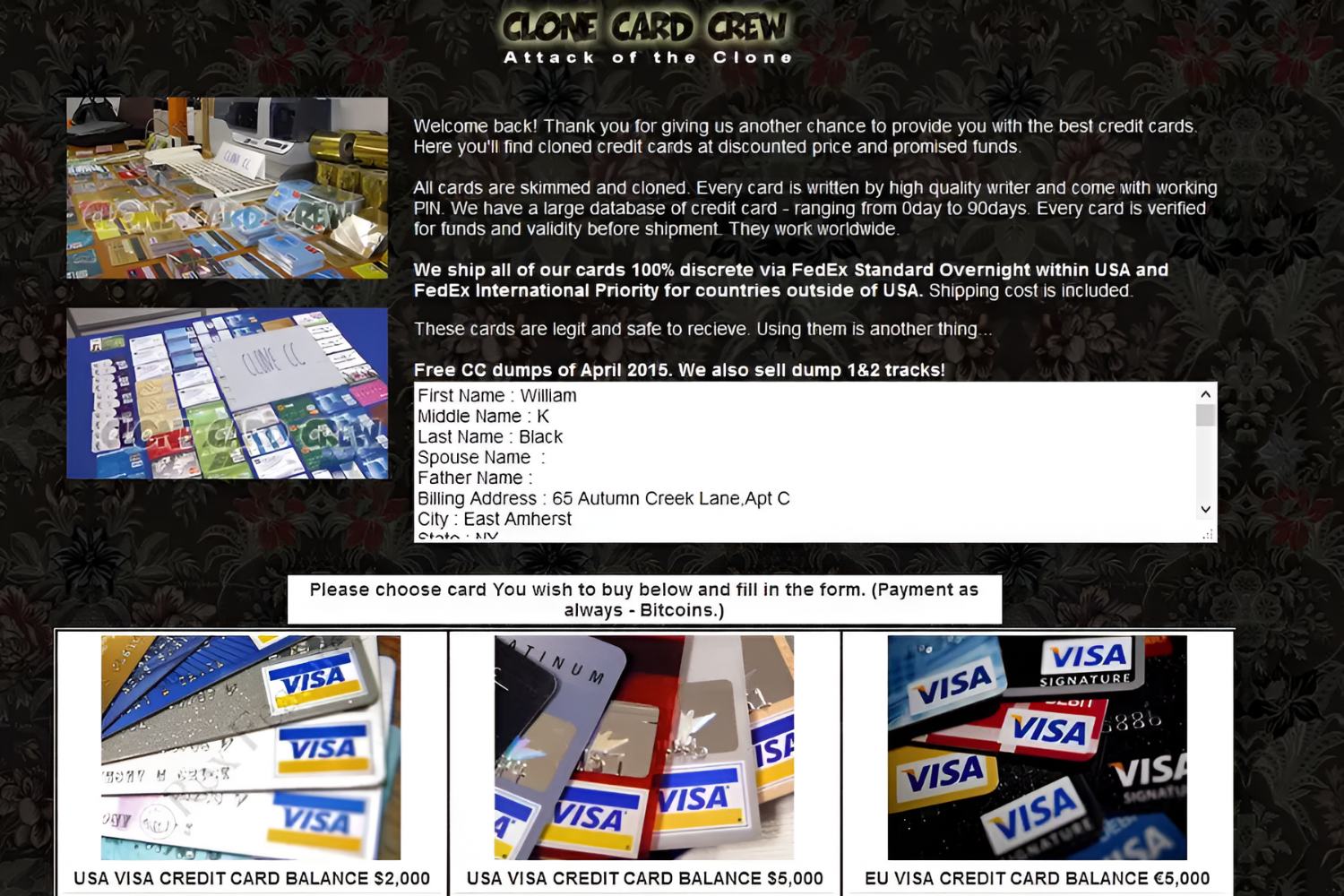
Commerce on the dark web works nothing like eBay or Amazon. You first need to establish a secure identity. This usually means setting up a PGP key for encrypted communications with vendors. When you want to buy off the dark web, you will almost certainly need to acquire cryptocurrency, typically Bitcoin or Monero. You must transfer it to a wallet that is not tied to your real name. A marketplace will list products, but never assume a vendor is trustworthy. Escrow systems exist, but scams are common. If you are foolish enough to try and buy credit cards on dark web markets, you are almost certainly walking into a trap. Most listings are either stolen credentials that have already been burned or outright frauds. Similarly, to buy SSN on the dark web is to engage with criminals who often sell data that is fabricated or re-sold from previous breaches. For those looking to sell on the dark web, the process requires building a reputation through forums. It also demands creating detailed product listings and managing a secure drop system for shipping physical goods. Media files are handled differently: to download videos on tor, you must use a torrent client configured to route traffic through the Tor network. This method is slow and can expose your real IP if misconfigured. Always remember that no search engine, including DuckDuckGo's onion service, will help you find these vendors, as it does not index .onion sites. You rely on word-of-mouth directories and forum links that change constantly. Unlike the surface web, the dark web has no customer support line to call when a deal goes bad.
Hiring and being hired for shady work
Most people who imagine they can simply search to "find a hacker on the dark web" are picturing a marketplace where skilled criminals post résumés and rates. The reality is far more dangerous. Nearly every public forum or directory claiming to offer such connections is operated by scammers or law enforcement.
If you post a request on a .onion forum, you will likely receive private messages from users demanding payment upfront. They usually ask for Bitcoin. Then they vanish without delivering anything. Even if you manage to locate an actual hacker offering services, the transaction itself carries extreme risk. The person you hire could be an undercover officer. The payment trail you leave can be traced back to your wallet and identity.
The dark web's anonymity is fragile. Law enforcement agencies actively monitor hiring channels for illicit work. What you see advertised is rarely what you get. The price of a mistake can include criminal charges, extortion, or the permanent loss of your funds. The safest assumption is that any offer to perform illegal work for hire is either a trap or a scam. The only thing you will successfully acquire is a police record.