To get on the dark web, you need to use Tor Browser, a privacy-focused browser that routes your traffic through the Tor network and lets you access .onion sites. This guide gives you the exact, legitimate steps to download, install, and launch Tor Browser on your operating system, then safely visit dark web addresses.
What You Need to Get On the Dark Web
Tor Browser is the essential tool for accessing the dark web. It is a modified version of Mozilla Firefox ESR that routes your internet traffic through a volunteer-operated network of relays, hiding your real IP address and preventing tracking. This is how you reach .onion sites, which are hidden services with addresses ending in ".onion" that regular browsers cannot open. Your Internet Service Provider (ISP) can see that you are using Tor, but they cannot see your activity inside the Tor network. Tor only supports TCP traffic; UDP and ICMP traffic are not routed through the network, so you don't need any other special software to get started. However, even with this protection, you can still get a virus just by clicking a link on the dark web if you aren't careful.
Download Tor Browser for Your Operating System
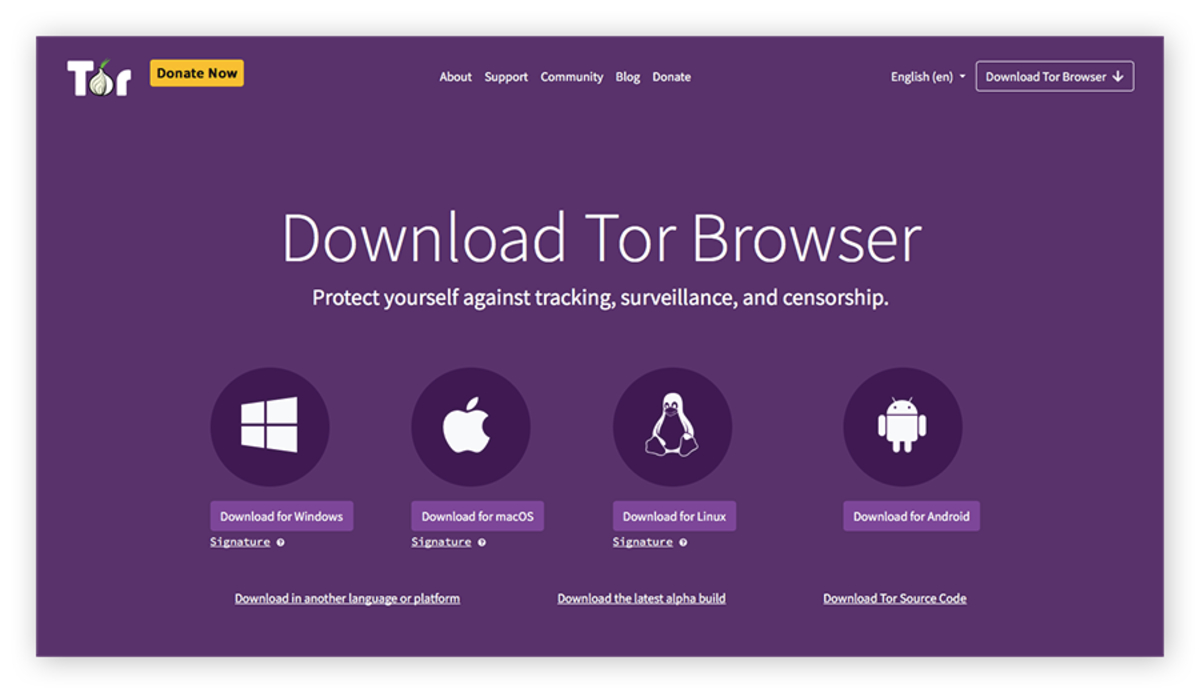
Go to the official Tor Project website (torproject.org) and download the correct version for your system. You must always download from the official source to avoid malicious copies. The steps are specific to each operating system:
- Windows: Download the
.exefile, double-click it, and follow the installation wizard. - macOS: Download the
.dmgfile, double-click it, and complete the installation wizard. - Linux: Download the
.tar.xzfile, verify its signature, and then follow either the graphical or command-line installation method. - Android: Install the F-Droid app, add the Guardian Project Official App Repository, then search for and install "Tor Browser for Android".
After downloading, locate the file in your Downloads folder. For Windows and macOS, the installer will guide you through the setup. For Linux, you'll extract the archive and run the start-tor-browser script. The entire process takes a few minutes depending on your internet speed.
Install and Launch Tor Browser
Once the download is complete, run the installer. On Windows, double-click the .exe and follow the prompts, choosing your language and installation location. On macOS, open the .dmg and drag the Tor Browser icon into your Applications folder. For Linux, extract the .tar.xz file to a location like your home directory, then open the folder and double-click start-tor-browser.
Upon its first launch, Tor Browser will automatically connect to the Tor network. A status bar will show the connection progress. Otherwise, just wait for the connection to complete, and the browser window will open. You are now ready to browse anonymously.
Access .onion Sites on the Dark Web
To access an .onion site, you must know its address, which consists of 56 letters and numbers followed by ".onion". Type this address directly into the Tor Browser's URL bar and press Enter. The browser will route your request through the Tor network, and the site will load. If a regular website has an onion counterpart and uses the Onion-Location feature, a purple ".onion available" suggestion will appear in the URL bar, allowing you to redirect to the onion site with one click.
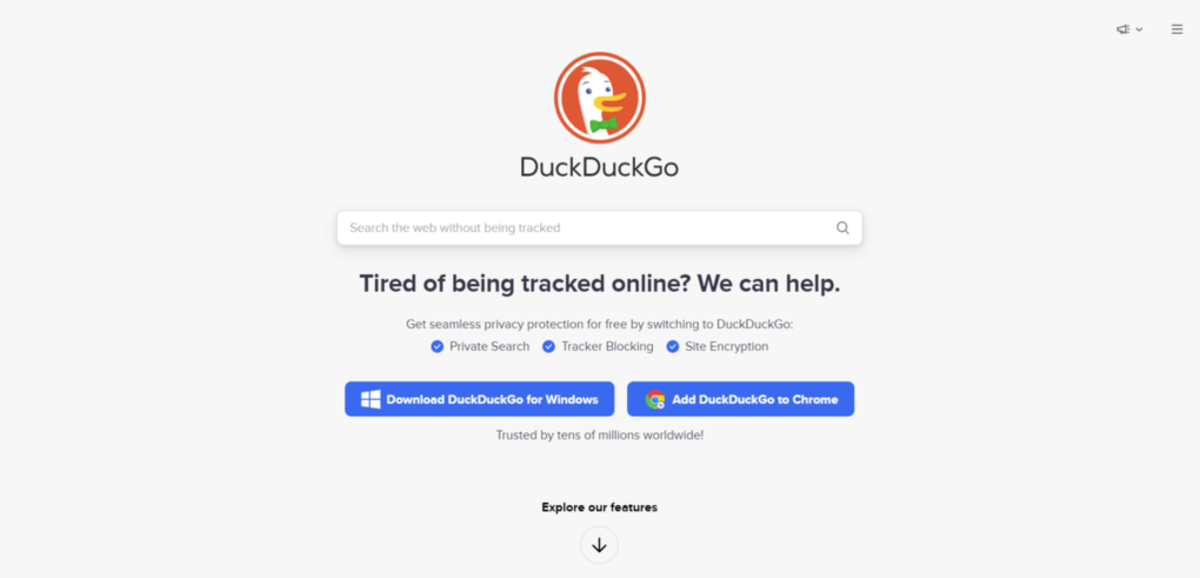
If you don't have a specific address, you can use dark web directories like The Hidden Wiki or TorLinks to discover sites. These directories categorize hidden services, making it easier to find content. You can also use a dark web search engine like DuckDuckGo's onion service, which maintains an onion version of its search engine that indexes hidden services. This is often the fastest way to find anything in dark web directories, but always verify the legitimacy of any site before interacting with it.
Navigating with Directories and Search
When you first start, directories are your best starting point. They list links to forums, blogs, and marketplaces. However, be cautious: some links may be outdated or lead to scams. A more reliable approach is to use an onion search engine like DuckDuckGo's onion service. Type duckduckgogg42xjoc72x3sjasowoarfbgcmvfimaftt6twagswzczad.onion into the address bar to access it. From there, you can search for specific topics or services. Remember that the dark web is unregulated, so exercise judgment with every link you click.
Staying Safe on the Dark Web
Understanding the dangers of the dark web is crucial before you start exploring. While there are legitimate uses, like whistleblower platforms, privacy-focused forums, and censorship circumvention, there is also illegal activity. To minimize risk, follow these safety practices:
- Keep Tor Browser updated: Regularly check for updates and install them promptly. Updates patch security vulnerabilities.
- Disable JavaScript: This reduces the risk of malicious scripts.
- Never provide personal information: Avoid using your real name, email, or phone number. Create a new identity for any dark web activity.
- Be careful with downloads: Do not download files from unknown sources, as they may contain malware.
- Use a VPN (optional): Some users add a VPN before Tor for an extra layer of encryption, though this is debated by privacy experts. If you do, ensure your VPN does not log activity.
These steps reduce your exposure, but they do not guarantee absolute security. Always think before you click, and avoid engaging with illegal content or services.
Final Tips for Responsible Exploration
Your behavior on the dark web determines your safety. Stick to well-known, reputable sites and forums. If you want to find specific content, use search engines that index .onion sites, but verify the authenticity of any service before providing information or making a transaction. Avoid using personal usernames or identifiable information on the dark web. Be mindful of online behavior, do not participate in illegal activities, and refrain from downloading suspicious files. Stay informed about current security practices by following privacy-focused communities. With the right precautions, you can explore the dark web with enhanced privacy and security, but always prioritize your online safety.
For the wider topic, see get to the dark web on DuckDuckGo.