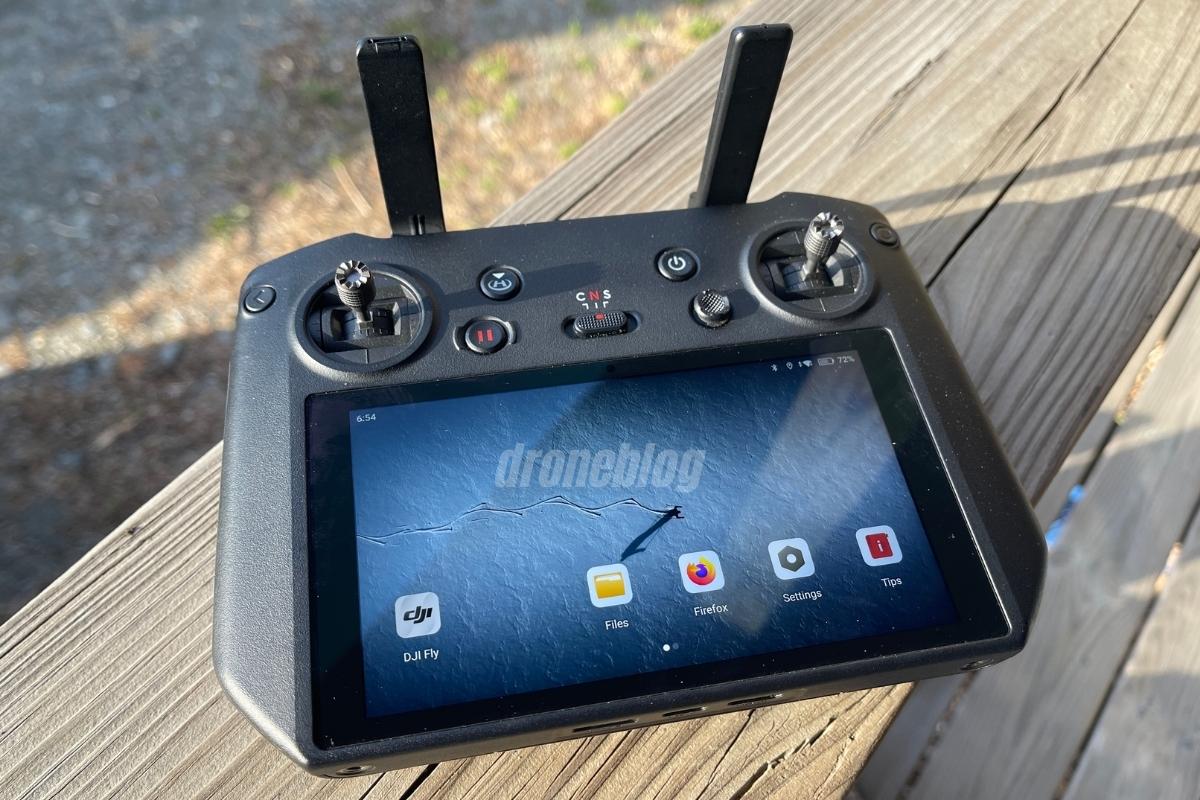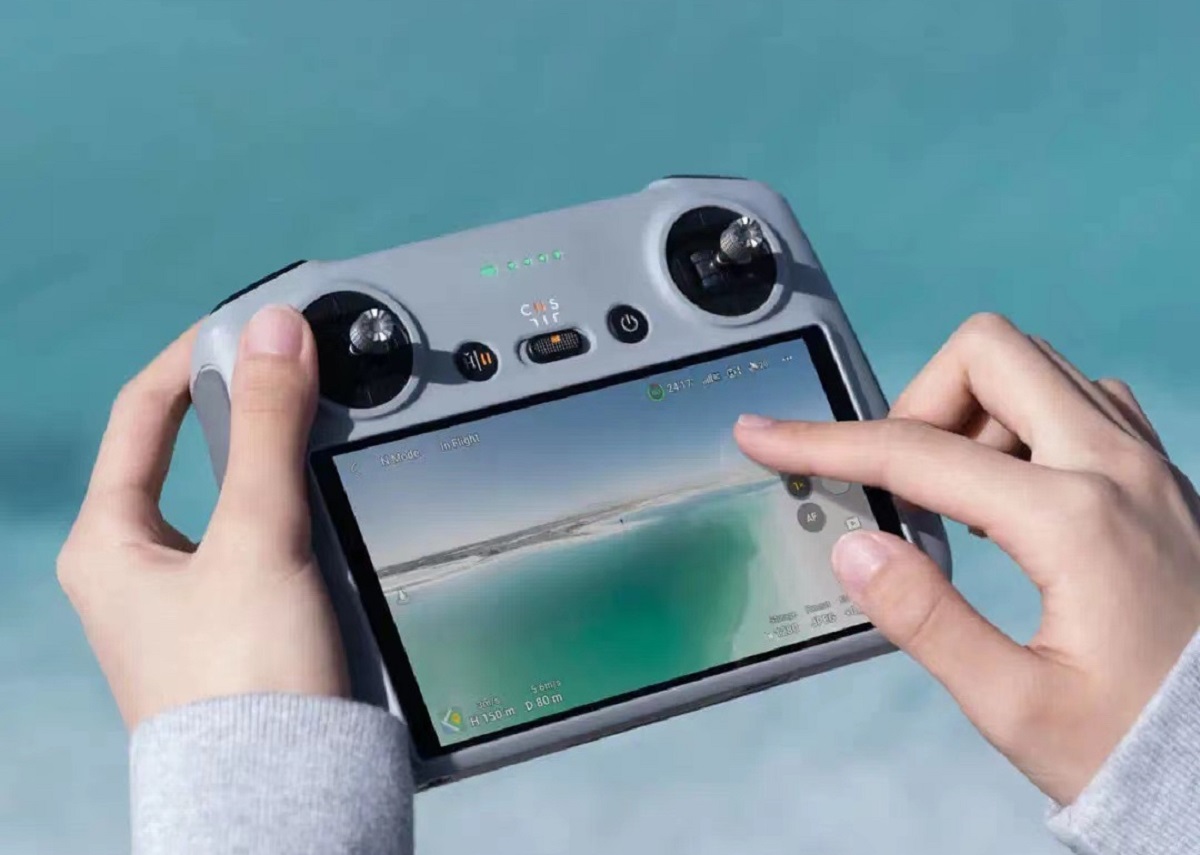
To connect dji rc to wifi, turn on the controller, swipe down from the top of the touchscreen, and select your home network from the Wi-Fi list. This gets the remote itself online for firmware updates, map loading, and DJI account features, it does not pair the RC with your phone or drone.
Why connect your DJI RC to Wi-Fi
Putting the RC on your home or hotspot network lets the controller reach the internet directly. That means the remote can download firmware updates without a phone, load cached maps for flight planning, and sync your DJI account for features like flight logs and profile settings. This is about getting the RC online by itself, not about linking it to a mobile device or establishing the drone link. If you later need to connect dji controller to PC, that uses a USB cable, but for internet access, Wi-Fi on the RC is the direct path.
Power on your DJI RC and unlock the screen
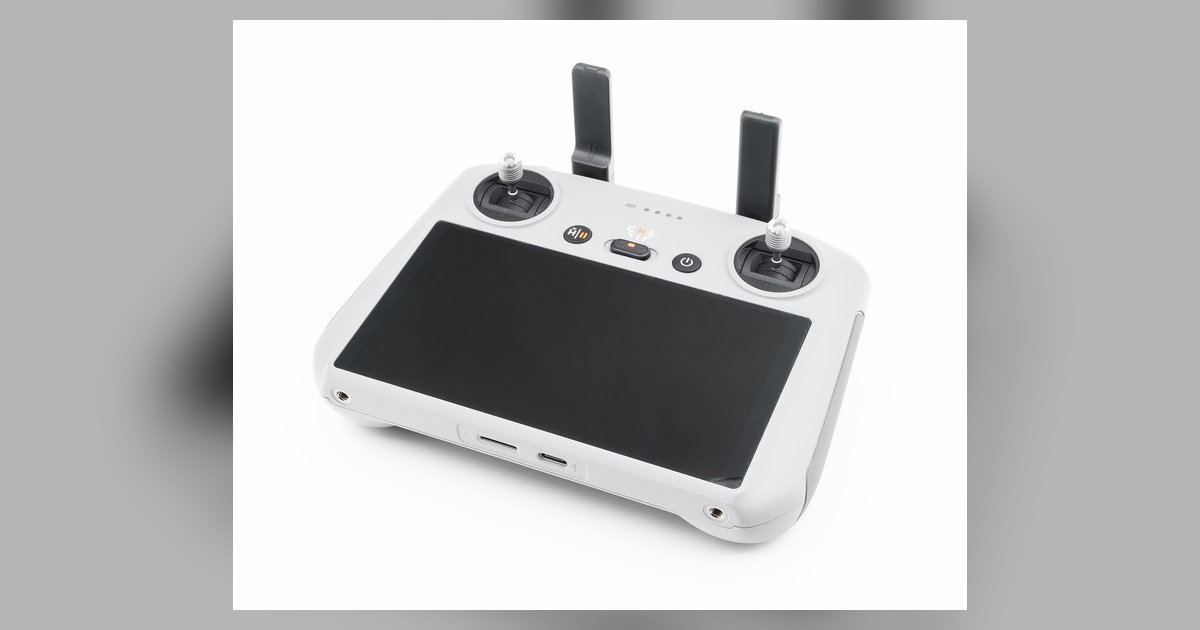
Press the power button on the top or side of the controller and hold it until the LED lights up. Wait for the home screen to appear on the built-in display. If the screen is locked, swipe up or enter your PIN/password to unlock it. You should see the main DJI Fly interface before proceeding.
Open Wi-Fi settings on the DJI RC
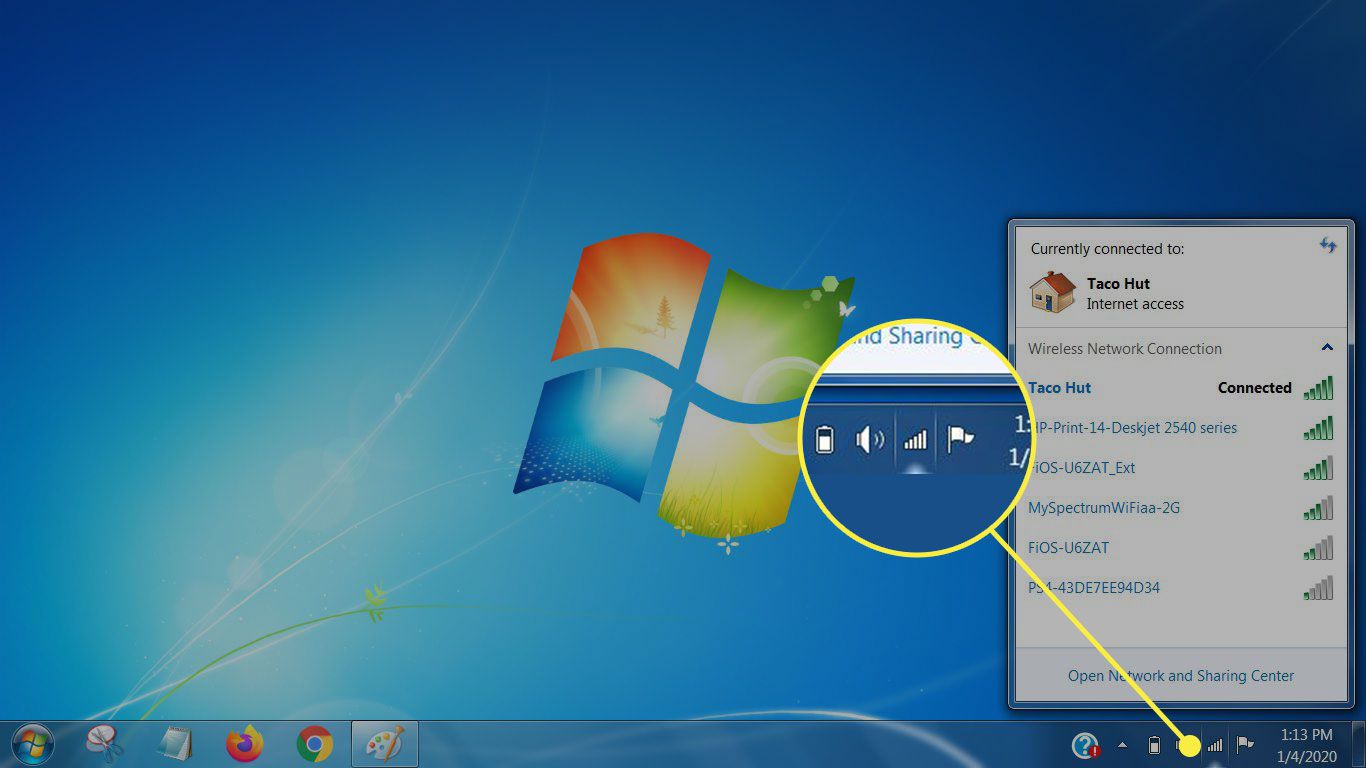
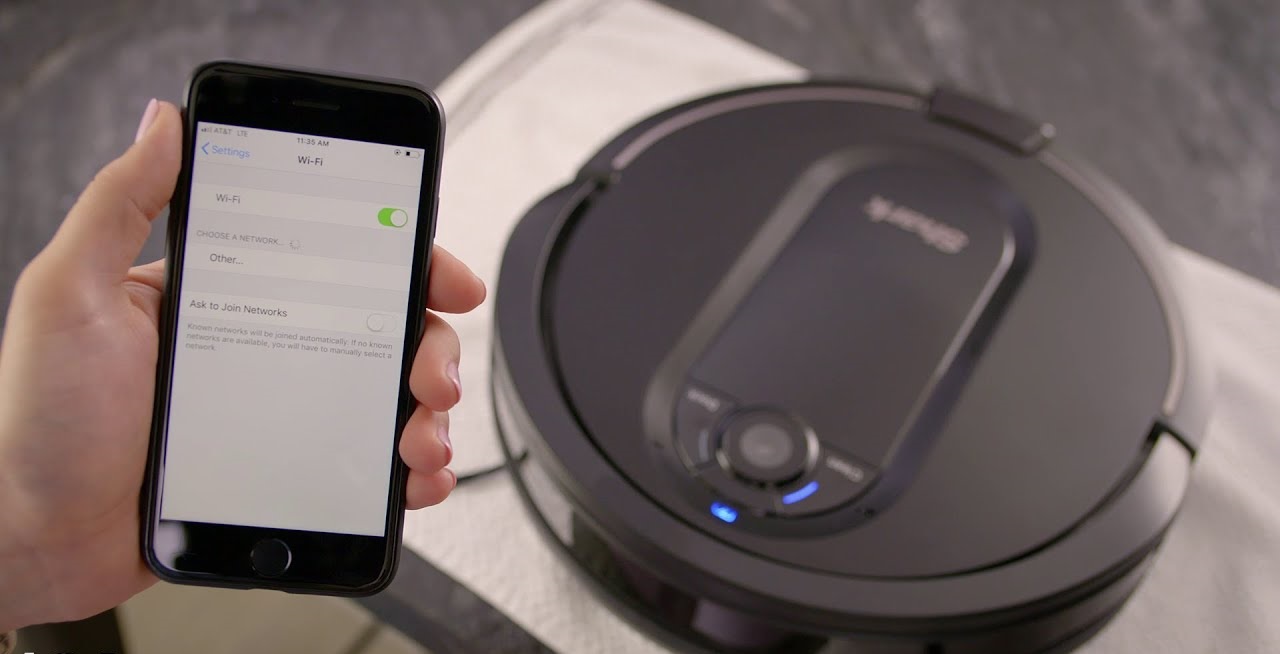
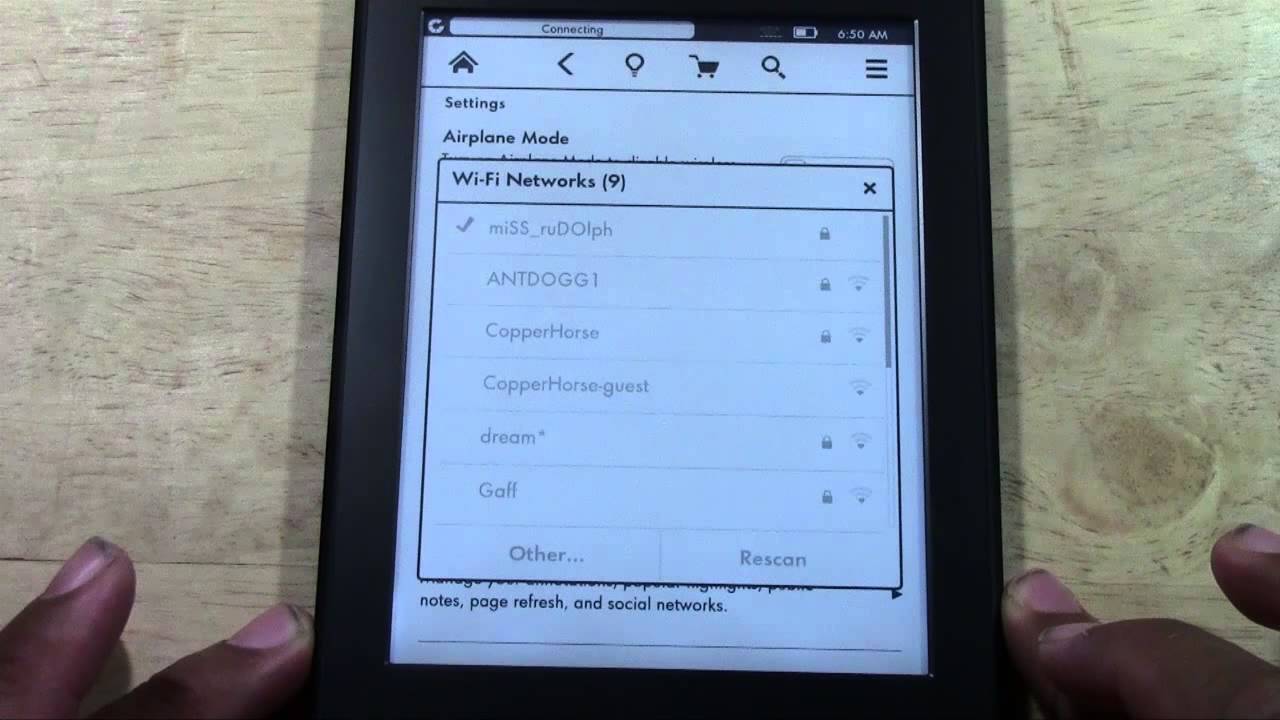
Swipe down from the top of the RC touchscreen to reveal the Quick Settings panel. Look for the Wi-Fi icon, it looks like a fan or a set of arcs, and tap it. This opens the list of available networks. The RC supports 802.11 a/b/g/n Wi-Fi protocols, so it can see both 2.4 GHz and 5 GHz networks in the 2.400-2.4835 GHz and 5.150-5.250 GHz / 5.725-5.850 GHz bands.
Select and connect to a Wi-Fi network
From the list, choose your home network or a hotspot. If you have a dual-band router, pick the 2.4 GHz SSID for better range or the 5 GHz SSID for faster speeds, both work with the RC. Tap the network name, then use the on-screen keyboard to type the password. Double-check that the password is correct, especially for uppercase letters and symbols. Tap Connect and wait a few seconds while the RC authenticates. If you ever need to connect dji controller to Wi-Fi again after moving locations, repeat this same process.
Confirm the connection is successful
Look at the status bar at the top of the RC screen. The Wi-Fi icon should now be filled or solid, not hollow or grayed out. To verify actual internet access, open the map view in DJI Fly, if tiles load and the map pans smoothly, the connection is live. You can also go to the firmware update screen in settings; the RC will check for updates automatically when online. A successful connection means the controller can now handle tasks that require internet, like syncing your flight records or downloading offline maps. If you run into trouble, see the next section for fixes.
Troubleshooting Wi-Fi connection issues
If the RC fails to connect or drops the network, start by moving closer to the router, walls and metal objects weaken the signal. Restart the RC by holding the power button and selecting restart, then try again. If the network shows but won't connect, go into Wi-Fi settings, tap the network name, and choose Forget or Remove. Then re-select the network and enter the password from scratch. Verify that the password is correct and case-sensitive; a common mistake is a stray space or a lowercase letter where an uppercase one is needed. If the remote still drops the signal, reboot your router and try again. In rare cases, a firmware issue on the RC itself can cause instability, connect the RC to a PC using a USB cable and update the controller's firmware via DJI Assistant 2. If the software doesn't detect your device, see why your DJI controller not showing up in DJI assistant 2. This is also the method to use if you need to connect dji controller to PC for other maintenance tasks.
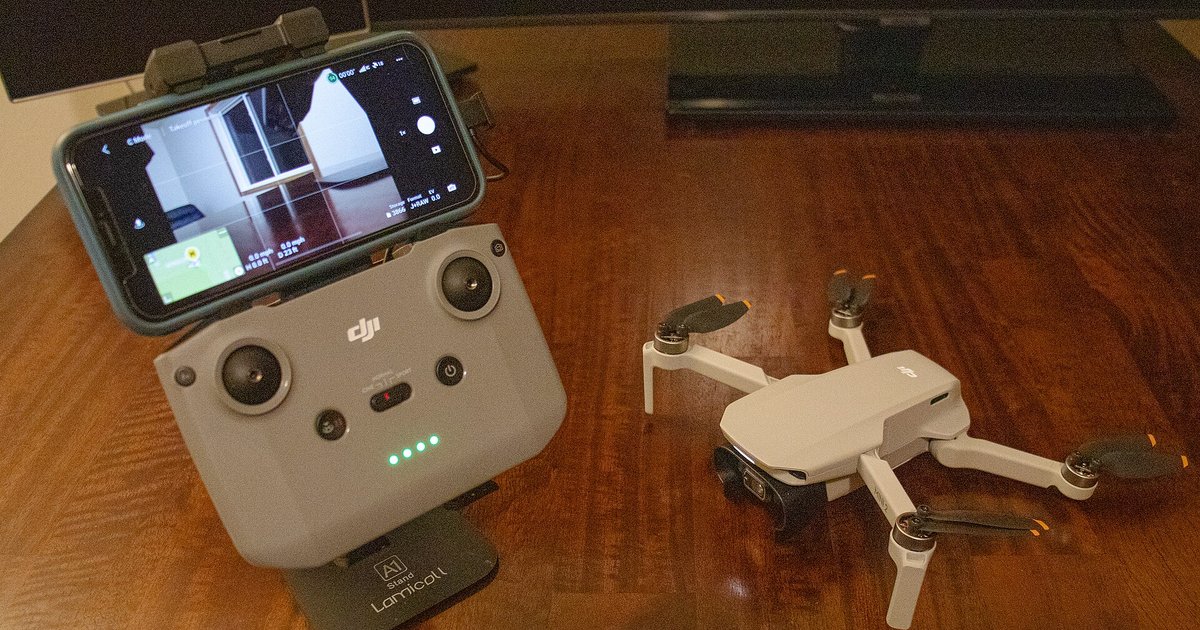
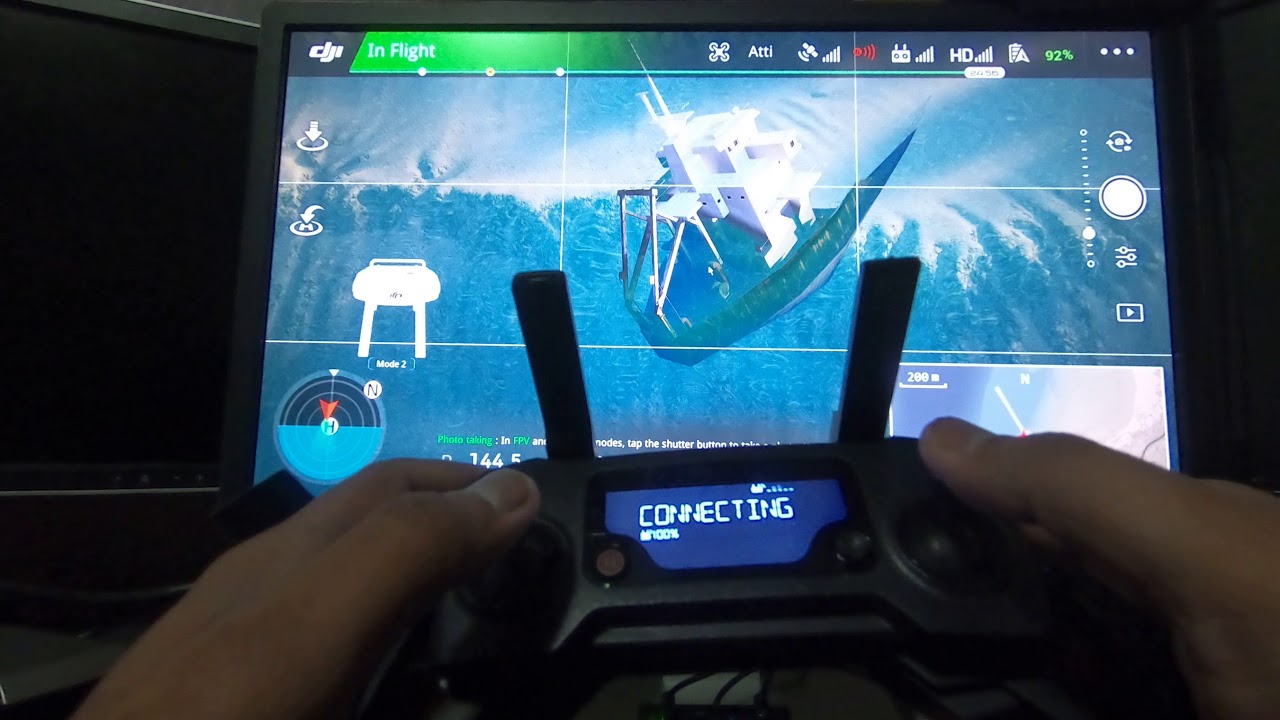
One specific issue some users see is that the DJI controller Wi-Fi connection keeps disconnecting from PC when they use the RC as a USB modem; that's a different scenario from connecting to a router. For the normal Wi-Fi setup described here, the disconnection is usually due to router settings like band steering or power saving. If you're trying to pair drone with remote controller at the same time, do that after the Wi-Fi connection is stable; the drone link uses a separate radio, but it can interfere with Wi-Fi if the drone is too close to the RC during setup.
After the Wi-Fi connection is confirmed, the RC will stay online as long as it's within range of the router. You can now use the internet features without a phone. For firmware updates, the RC will download them directly over Wi-Fi. For maps, zoom and pan the map area you plan to fly in while connected, the tiles will cache for offline use. And for DJI account features, sign in once while online; the RC will sync your data automatically thereafter.
If you ever need to switch networks, just repeat the steps from the beginning. The RC remembers previously connected networks, so returning to a known router is quick. If you move to a new location with a different Wi-Fi network, open the Wi-Fi settings and select the new SSID. The same process works for a phone hotspot, just enable the hotspot on your phone and connect the RC to it.
So even if the RC has no Wi-Fi connection, you can still fly, you just won't have maps, firmware updates, or account features. For those, the Wi-Fi connection needs to be active. If the connection drops mid-session, the RC will show a notification in the status bar. Reconnect by swiping down and tapping the Wi-Fi icon again.
Finally, if you're having persistent trouble with a specific router, try resetting the router's network settings or updating its firmware. Some older routers have compatibility issues with the RC's 802.11 a/b/g/n radio. In that case, switching to a different router or a phone hotspot usually resolves the problem. Once connected, the RC will stay online reliably as long as the signal is strong and the router doesn't reboot.
For the wider topic, see connect dji controller to PC.