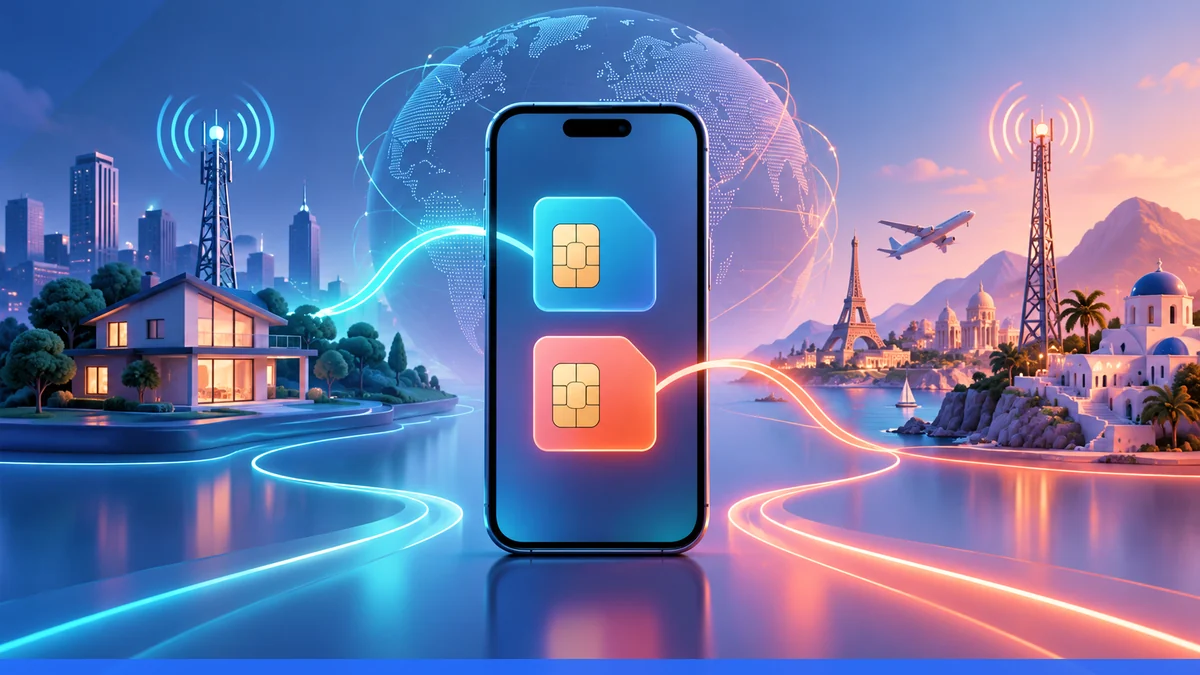
The ResMed AirSense 10 does not connect to Wi-Fi; instead, it uses resmed airsense 10 cellular connectivity to automatically send your therapy data to your healthcare provider. This built-in cellular modem means you can track your sleep data without any manual setup or home network configuration.
Understanding resmed airsense 10 cellular connectivity
The AirSense 10, including the CPAP, AutoSet, and Elite models, comes with a built-in cellular modem. This is not Wi-Fi, it uses the same cellular network as a mobile phone to transmit your therapy data. After each session, the device automatically uploads your data to AirView, ResMed's cloud-based system, typically within one hour. No separate wireless module or home internet connection is needed, and no user setup is required for this feature to work.
Initial setup for your AirSense 10
Before your device can transmit data, it must be set up correctly. Follow these steps to complete the initial configuration:
- Assemble the CPAP machine by attaching the humidifier chamber to the main unit, ensuring all components fit securely.
- Fit your mask according to the manufacturer's instructions, adjusting the straps for a comfortable, leak-free seal.
- Connect the power cord to the back of the device and plug it into a wall outlet. The power light will illuminate.
- Press the power button on top of the device to turn it on.
- When prompted, select your language preference using the dial, then set the correct date and time following the on-screen instructions.
Once these steps are complete, your device is ready to begin therapy and automatic data transmission.
How automatic data upload works
Your AirSense 10 uploads data automatically when it is plugged into a power outlet and not in Airplane Mode. The device uses cellular connectivity to send information to AirView, and this transmission depends on network availability. If you are in an area with poor cellular coverage or traveling overseas, data may not be transmitted wirelessly. In these situations, the device stores your therapy data internally and will transmit it automatically once cellular coverage becomes available again.
Managing Airplane Mode on your device
To ensure your data transmits, Airplane Mode must be turned off. To check or change this setting:
- From the home screen, turn the dial to navigate to "My Options" and press the dial to select.
- Scroll to highlight "Airplane Mode" and press the dial.
- Select "Off" and press the dial to save the setting.
When Airplane Mode is off, the device will automatically attempt to upload data after each therapy session, provided cellular coverage is available.
Using the SD card for manual data transfer
All AirSense 10 devices are equipped with an SD card slot, which can be used to store and transfer data if cellular coverage is poor. The SD card records your therapy data continuously, giving you a backup method to share information with your healthcare provider. To use this feature, insert a standard SD card into the slot on the side of the device. Your provider can then read the card directly or guide you on how to transfer the files.
Accessing your sleep data with myAir
Once your data has been uploaded via cellular connectivity, you can view it through the myAir app or online platform. myAir provides an overview of your therapy, including usage hours, mask fit, and your AHI (Apnea-Hypopnea Index) score. This information helps you monitor your progress and share insights with your healthcare provider. Meanwhile, your provider uses AirView, ResMed's professional system, to remotely monitor your therapy and make adjustments as needed.
\nRelated reading: How To Connect Kindle To Wifi, How To Connect To Spectrum In-Home Wifi, and How To Buy Wifi On United.