No, you cannot reliably use wireless charging with an RFID blocking card in place. The metal layer that blocks RFID signals also interferes with the Qi charging coil, and attempting to force it can cause overheating or damage.
Why wireless charging rfid cards block power
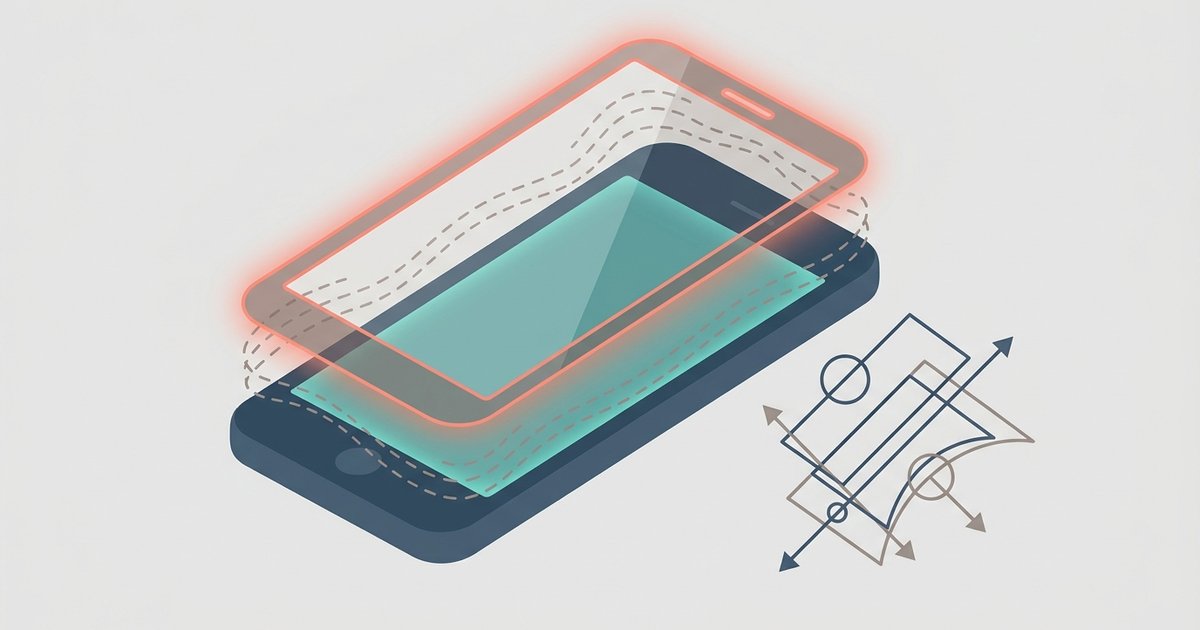
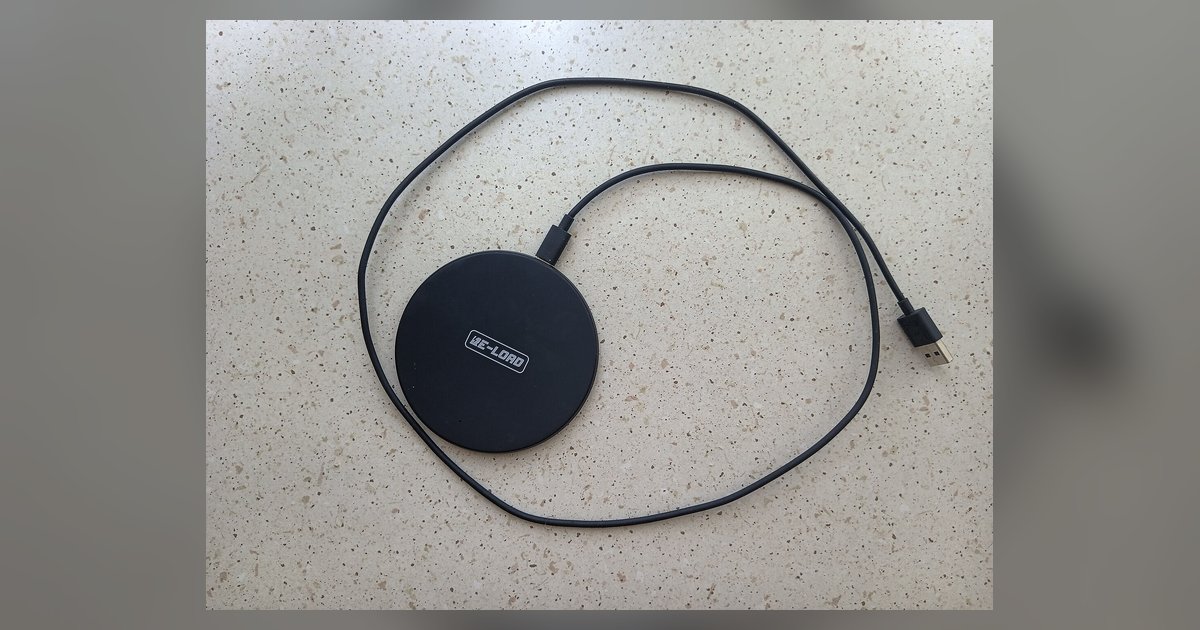
Qi wireless charging creates an alternating electromagnetic field between a coil in the pad and a coil in your phone. The RFID blocking card contains a thin metal shield. That shield absorbs or reflects radio waves used by RFID scanners. The same metal disrupts the electromagnetic field used by Qi wireless charging. When you place the card between the pad and the phone, the metal absorbs the magnetic energy instead of letting it reach the receiver coil. The charging circuit detects the energy loss. It either stops power delivery or tries to compensate by increasing current. If you want to understand the material science behind these shields, you can research how to make rfid protector designs that use specific alloys tuned for frequency blocking. None of those designs are compatible with inductive power transfer. If you need to digitize a card instead, you can copy rfid card to iPhone and leave the physical blocker behind while charging.
The overheating risk
Leaving the RFID card in place while charging creates a fire and battery damage hazard. Many pads cannot reliably distinguish an RFID shield from a phone back. The pad keeps pumping power. The metal layer in the card heats up due to eddy currents. That heat transfers into your phone’s battery. Temperatures above 45°C accelerate lithium‑ion degradation. Above 60°C you risk thermal runaway. The card itself may warp or become unusable. The phone’s wireless charging coil can delaminate.
When it might appear to work
You might see the phone’s battery icon show a charging symbol for a few seconds. The pad’s LED might flicker green. This is the misleading edge case where charging starts intermittently. The phone registers a tiny trickle of power, often less than 1 watt instead of the normal 10-15 watts. The Qi controller rapidly cycles between “power detected” and “power lost” states. This creates a pulsing heat spike on the card’s metal. Over a 30‑minute session, the phone may gain only 2% charge while the internal temperature climbs 10°C above normal. The intermittent connection also confuses the phone’s battery management system.
How to keep both protections
Remove the RFID blocking card before placing the phone on the pad. Keep the card in a separate pocket. Stick it to the outside of the case with a removable adhesive tab. For a permanent solution, buy an adhesive RFID‑blocking back sticker that sits outside the charging coil area. Place the sticker over the NFC zone near the camera bump. Skip any sticker that covers the center of the phone’s rear glass. Even thin layers of foil to block rfid work only when placed directly over the chip. An NFC tag on a public poster uses a small printed coil as its antenna. Shield it with a sticker the size of a quarter. Position your shield away from the Qi coil. This preserves wireless charging speed and avoids the overheating hazard entirely.
An RFID blocking card placed between a phone and a Qi pad will break wireless charging and create a real safety risk, because the same metal shield that blocks skimming also absorbs the magnetic energy meant for the battery.