Understand what you're protecting against to make rfid protector
To make RFID protector shields for your cards, you first need to understand what you are up against. Many modern credit cards, IDs, and passports contain tiny radio-frequency identification (RFID) or near-field communication (NFC) chips. These chips broadcast data when a reader is nearby. For example, the rfid chip in us passport sits inside the back cover. It stores your photo and personal details, ready to be read by a scanner at airport security, which is why you would want to read that article to locate the chip before building your protector.
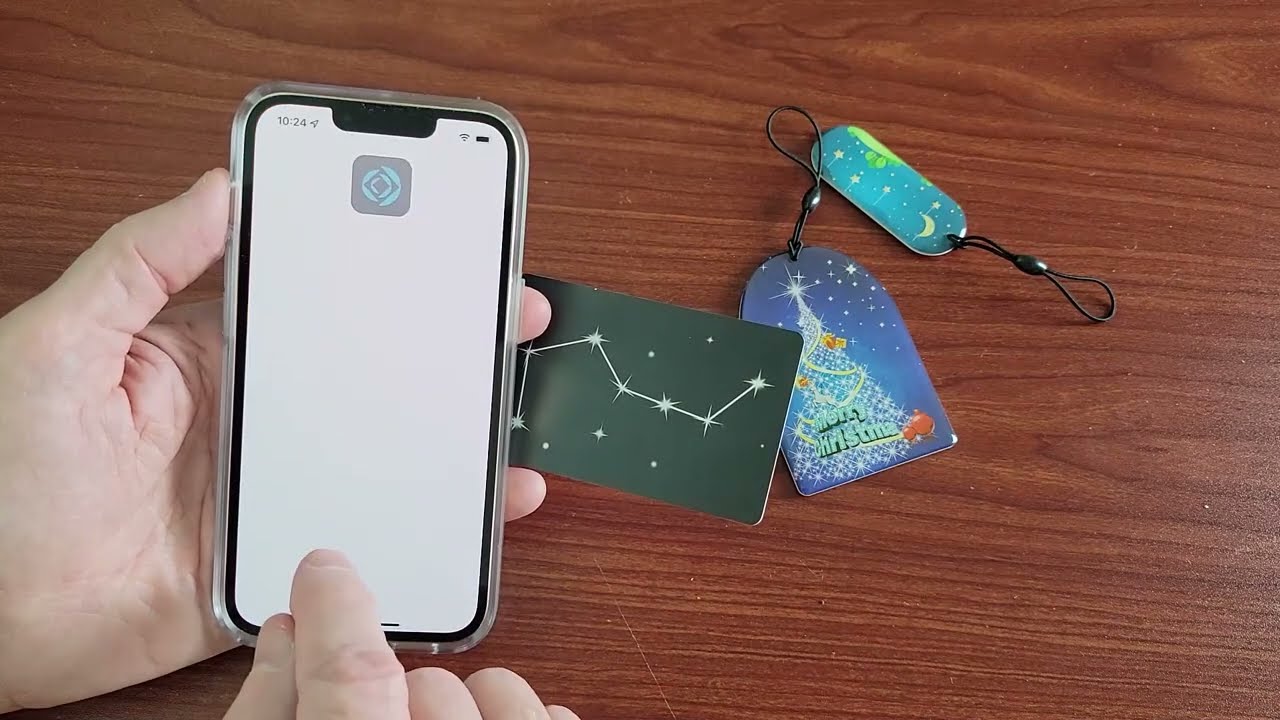
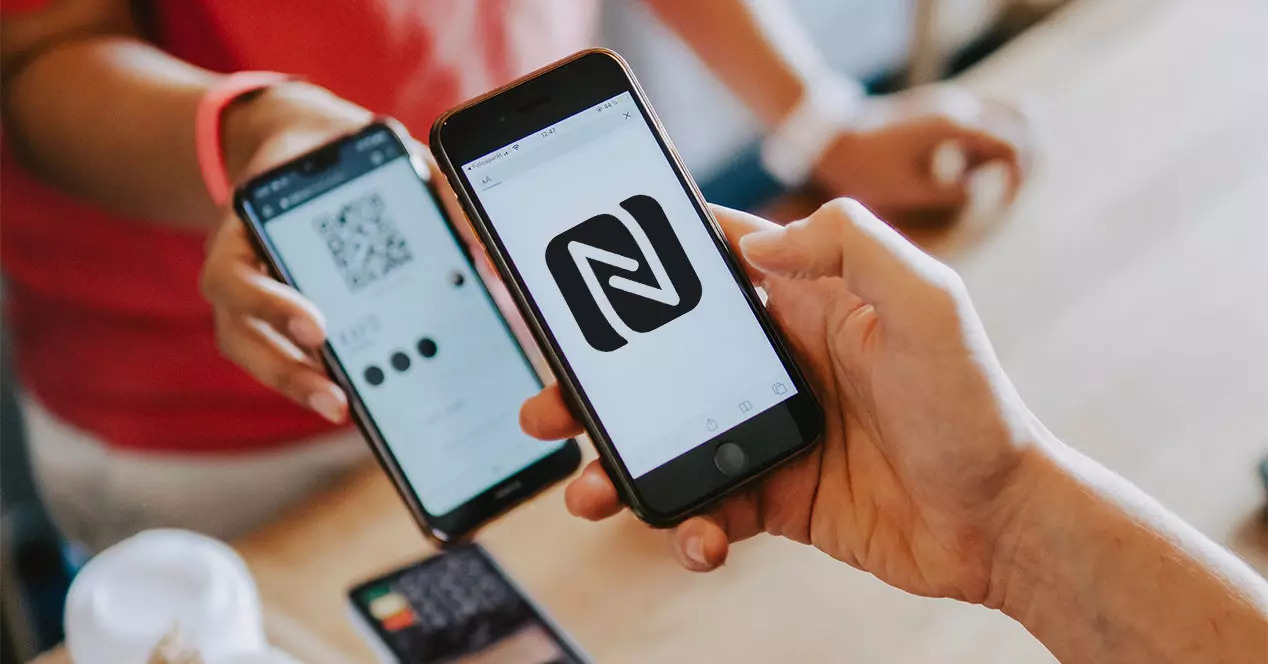
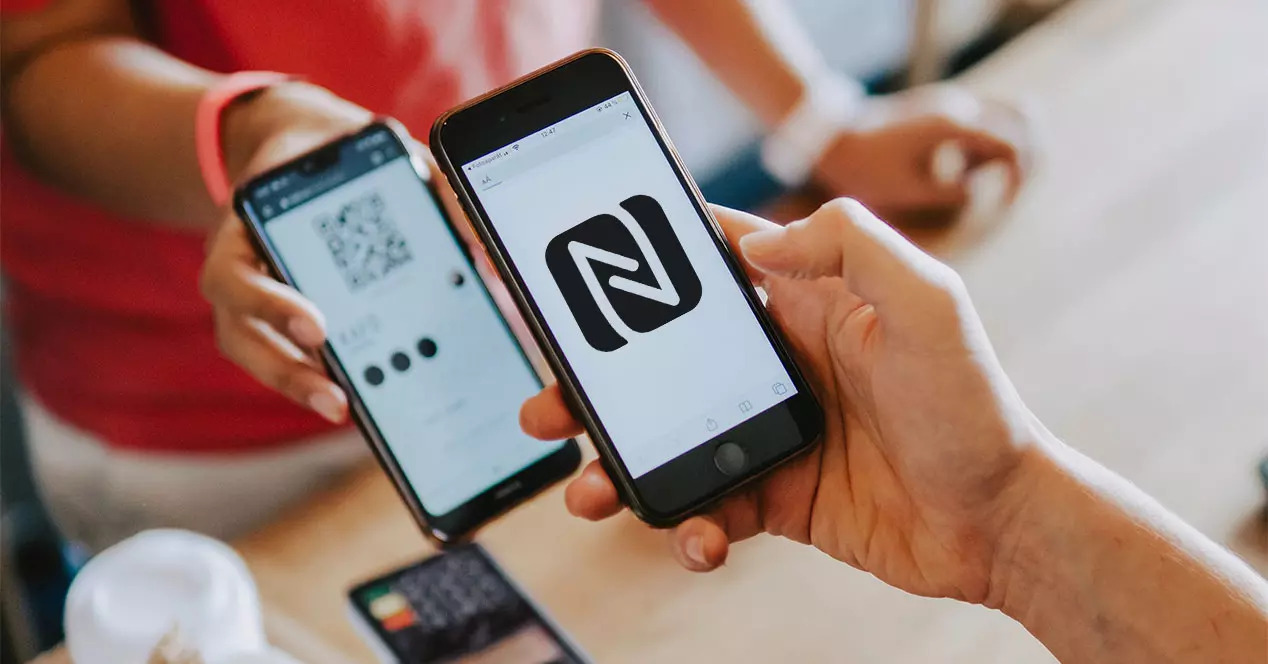
You might wonder how to know if I have a rfid chip in your wallet. A quick test for NFC-enabled cards is to hold a card near an NFC-enabled phone with the screen unlocked and see if a notification pops up. If you see a message asking what does it mean when it says "NFC tag detected", it simply means your phone has picked up a chip's signal, and you would want that article to recognize when your cards are being scanned without permission. Your phone is now waiting for your next action. This process shows how easily these signals can be detected, though modern cards use encryption that makes duplication difficult.
However, the real threat is a thief walking past you with a hidden reader, not a sci-fi movie scenario. Before you build a protector, consider a practical test: can you still use wireless charging through an RFID blocking card? Many blockers create a dead zone that stops your phone from charging, so you will want to check the article on that topic to avoid ruining your daily charging routine. Rough materials like foil can potentially scratch the surface of your cards over time. Testing your current wallet's actual shielding with a phone app is a smarter first step than building a blocker from scratch.
- wireless charging through an RFID blocking card — Can I still use wireless charging through an RFID blocking card
- it mean when it says "NFC tag detected" — What Does It Mean When It Says "NFC Tag Detected"
- check for an RFID chip — How Do I Know If I Have A RFID Chip
- copy an NFC card to iPhone — How To Copy An NFC Card To iPhone
- rfid chip in us passport — Where Is RFID Chip In Us Passport
- website NFC tag mean — What Does Website NFC Tag Mean
Check if you already have protection
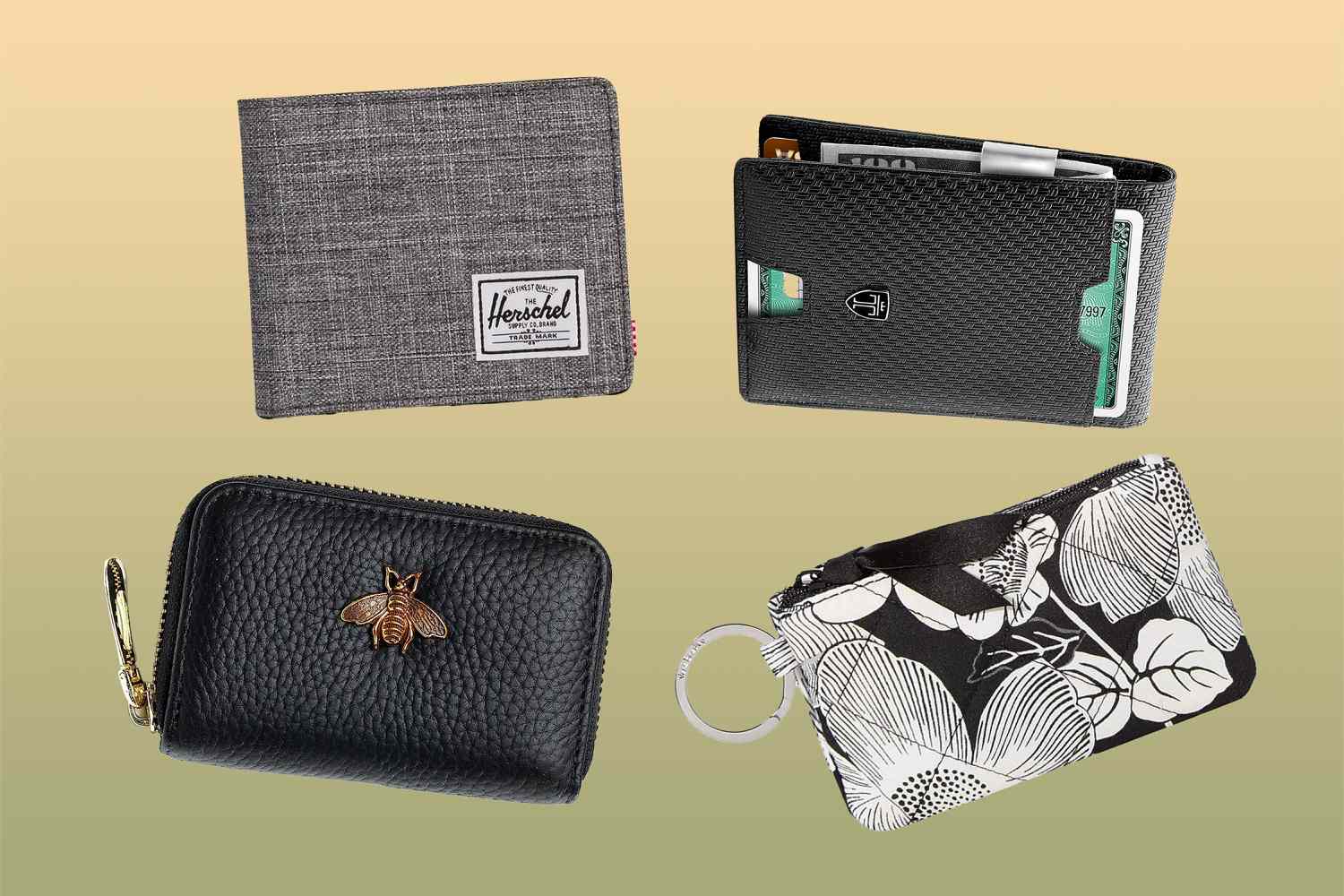
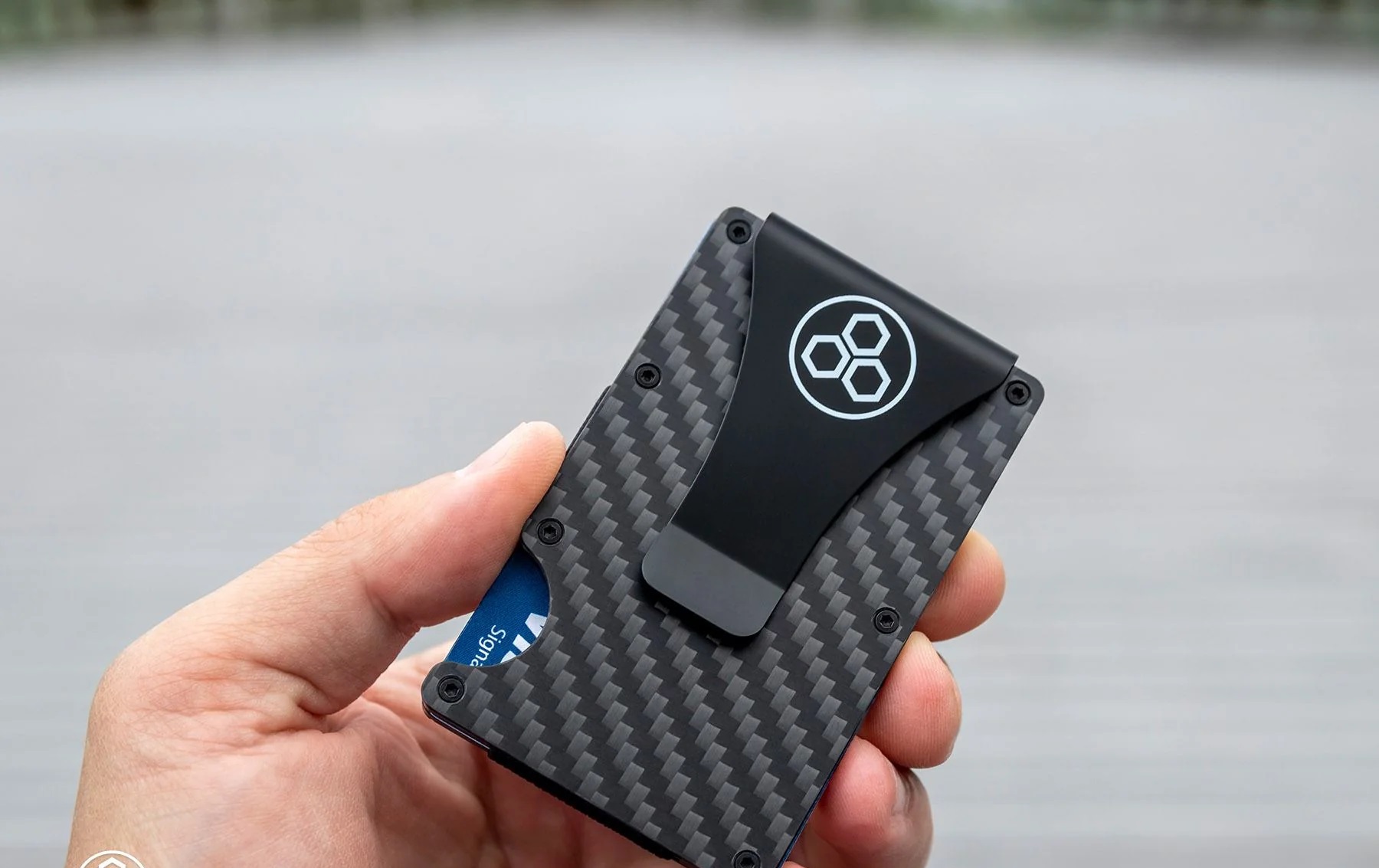
Before you reach for the foil or buy a new wallet, test what you already carry. Many modern wallets include a thin metallic lining you might not see. You can simply place a contactless card inside, close the wallet, and hold it near a card reader to see if the transaction fails. If you are wondering how to tell if my wallet is rfid protected, a quick way is to use a smartphone with NFC enabled. Put a card in the wallet, tap the wallet to the phone, and see if the phone reads the card number. If it does not, the wallet is likely blocking the signal.
For older access badges, you might want to test a low frequency 125 khz badge at home without a reader by shielding it and checking if a nearby door reader stops responding, though simple materials like aluminum foil may not be foolproof. If the foil works, your wallet probably does too. Be aware that some people try to copy rfid card to iPhone for convenience, but that process assumes your card is readable in the first place. A blocked card cannot be copied. Also watch for the common issue of rfid protector interference with hotel key cards, which use magnetic stripes that strong magnets can demagnetize, or RFID signals that a metal-lined wallet might block, leaving you locked out of your room. Testing your existing setup first saves time and avoids scratching your cards with rough DIY materials.
Build or choose your blocking material
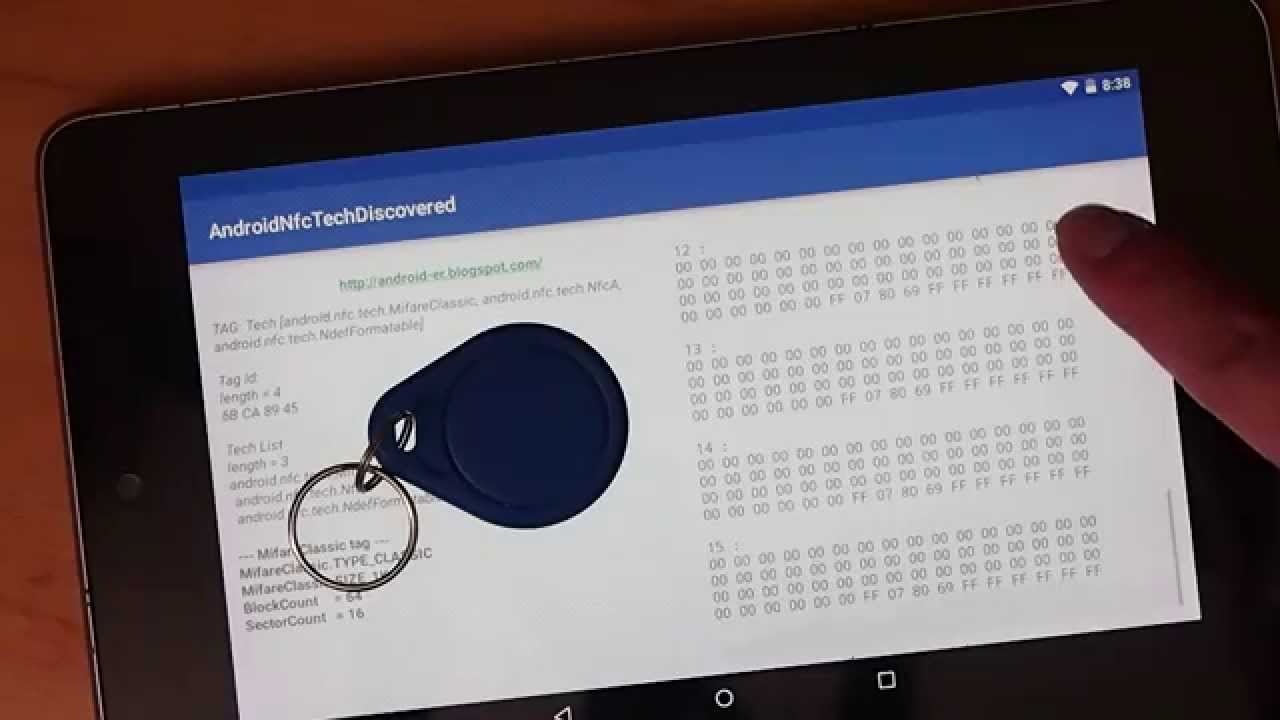
Start by testing what you already have. Slip a card into your wallet, close it, and try to scan it with your phone. If you have an iPhone, you can scan RFID with iPhone using a third-party utility. Android users can read RFID tags with Android through similar apps. If the wallet already blocks the signal, you may not need to add anything. If it doesn't, you have two paths: a DIY shield or a commercial blocker.
The simplest DIY approach uses layers of foil to block RFID. But there is a real risk of aluminum foil damage to credit card chip contacts over time. Foil edges can scratch the gold pads. Repeated friction may eventually disable a RFID chip entirely. Commercial sleeves or wallets avoid that problem because they use soft conductive fabric rather than abrasive metal. They cost more and can still interfere with hotel key cards or wireless charging if you stack them carelessly. Before you commit to either option, test your actual setup with your own cards and phone. The goal is shielding that works without physically harming what you are trying to protect.
Read, copy, and emulate chips with your phone
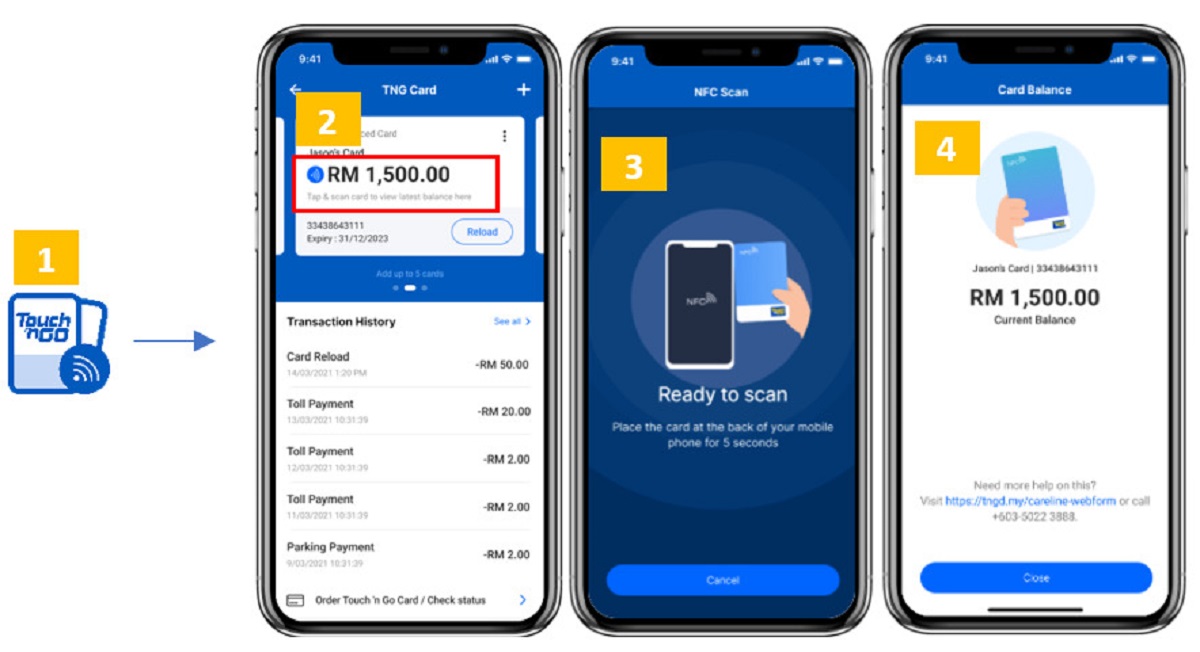
Before you reach for the foil, try a more precise approach. Your phone can already interact with the chips in your wallet. Most modern iPhones and Android devices have built-in NFC hardware. This means you can scan a card to see what frequency it uses. You can also check whether it is actually broadcasting a readable signal. If you want to test your wallet's current shielding, simply open a tag-reader app and hold your wallet near the phone. If nothing appears, your existing materials are already doing the job. For deeper experimentation, you can even copy an NFC tag from a legitimate card you own. This stores its data payload on your phone for testing purposes. This lets you verify whether a blocker you build actually stops the signal. A real-world test beats any theoretical design. You can also use your phone as an NFC card to emulate a card for testing purposes, though this may be limited by your device and operating system. This is useful for checking if your wallet blocks a simulated signal the same way it blocks the original. Just be careful. Emulating a card you do not own is illegal in many places. Scratching a chip with sharp foil edges can ruin a card you actually need.