Two layers of tightly wrapped aluminum foil are the recommended minimum for a reliable DIY RFID shield. This is the definitive answer to how many layers of foil to block RFID for a credit card or passport, as a single layer is too inconsistent for real-world protection.
Why one layer of foil is unreliable
A single layer of aluminum foil can block RFID signals in some cases, especially for NFC-type cards, but it is unreliable due to potential gaps, tears, and exposed edges. Even a tiny crease or a fold that leaves a millimeter of card exposed can allow a reader to power up the chip and read its data. For high-frequency (HF) signals at 13.56 MHz, one layer might work in a perfect, static test, but in a pocket or wallet, the foil shifts, tears, and loses its seal. For ultra-high frequency (UHF) RFID, which operates from 860 to 960 MHz and is used in some supply-chain tags, a single layer is even less effective. Small gaps, tears, or loose wrapping can allow RFID signals to still pass through the foil, making one layer a gamble you do not want to take with your personal data. If you are specifically concerned about your travel document, knowing the precise location of the rfid chip in us passport helps you reinforce the right spot.
How to wrap your card with two layers of foil
Creating an effective shield is straightforward. Follow these steps to ensure a complete enclosure:
- Cut a piece of aluminum foil slightly larger than the card you want to protect.
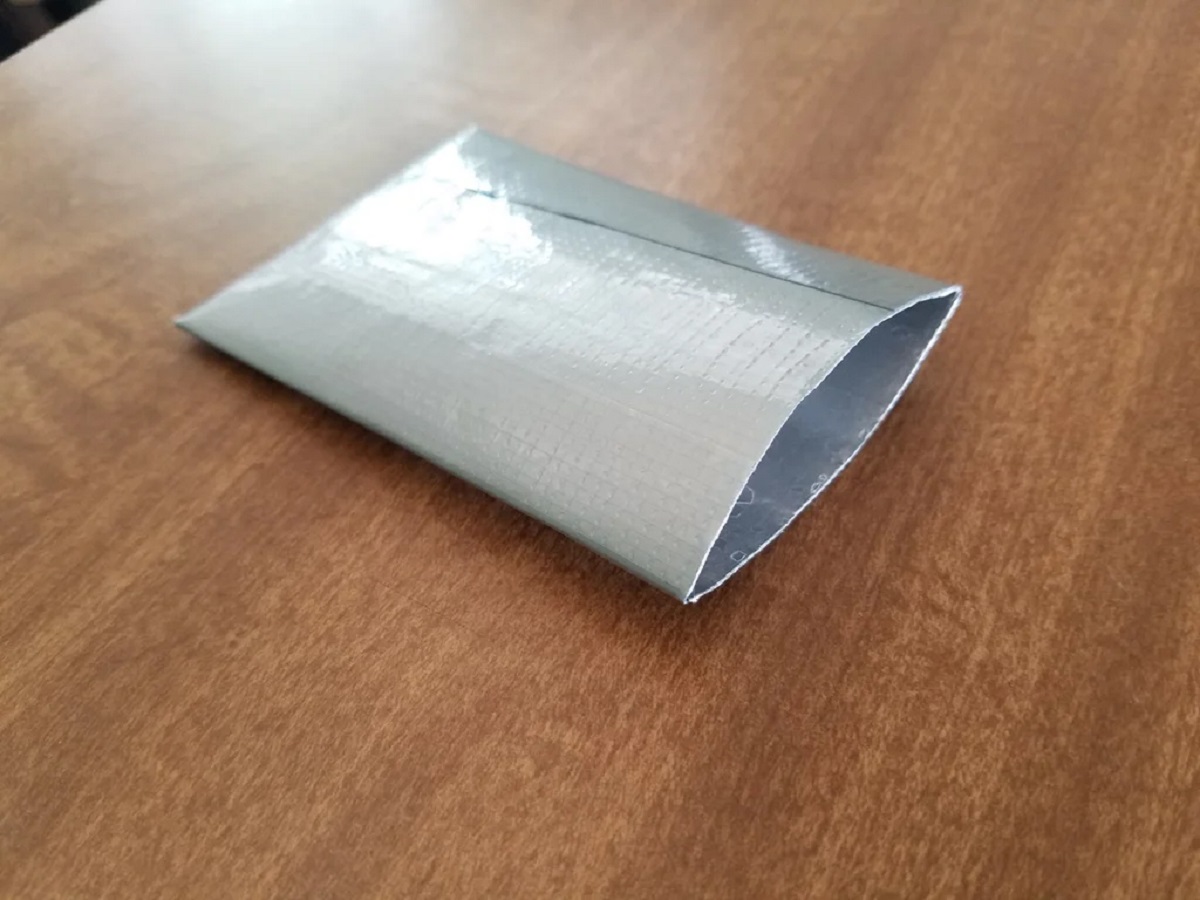
- Wrap the first layer tightly around the card, pressing the foil firmly against the surface to eliminate air pockets.
- Add a second layer of foil, wrapping it in a slightly different direction than the first layer. This helps cover any imperfections or gaps from the initial wrap.
- Ensure the entire card is fully enclosed with no exposed edges or openings. Pinch the foil closed at the seams to create a continuous conductive surface.
This two-layer method dramatically improves reliability by covering imperfections and reducing signal leakage. If you want to make an RFID protector that actually works for daily carry, this wrapping technique is the minimum standard.
When to use three or more layers
Three or more layers of foil provide maximum DIY shielding and an extra safety margin, particularly if the foil gets folded or worn, or for stronger signal resistance. Adding a third layer is a good idea if you plan to keep the foil-wrapped card in a pocket where it will bend and crinkle over time. However, beyond three layers, the improvement in RFID blocking becomes minimal; the key factor for effectiveness is tight sealing and full enclosure, not just stacking more foil. The quality of the seal, how completely the conductive material surrounds the card, matters far more than the number of layers once you have two or three in place.
How aluminum foil blocks RFID signals
Aluminum foil blocks RFID signals by acting as a basic Faraday cage, reflecting and disrupting the electromagnetic waves used by RFID systems. When a reader tries to scan a card wrapped in foil, the signal is blocked or weakened, preventing the chip from responding and causing the scan to fail. The foil does not absorb the signal in a way that destroys data; it simply creates an electromagnetic barrier that the reader cannot penetrate. You can test this shielding effect yourself if you scan rfid with iPhone before and after wrapping a card. This is the same principle used in purpose-built RFID-blocking products, though foil is far less durable.
Testing your DIY foil RFID shield
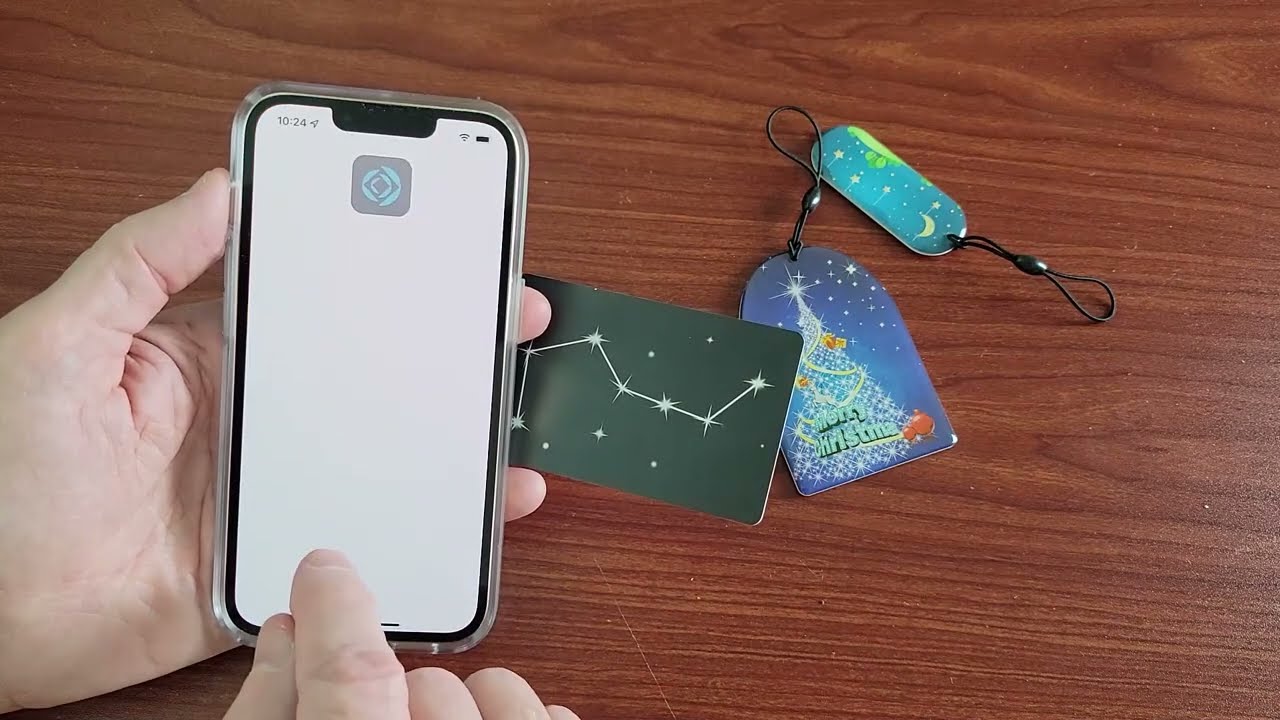
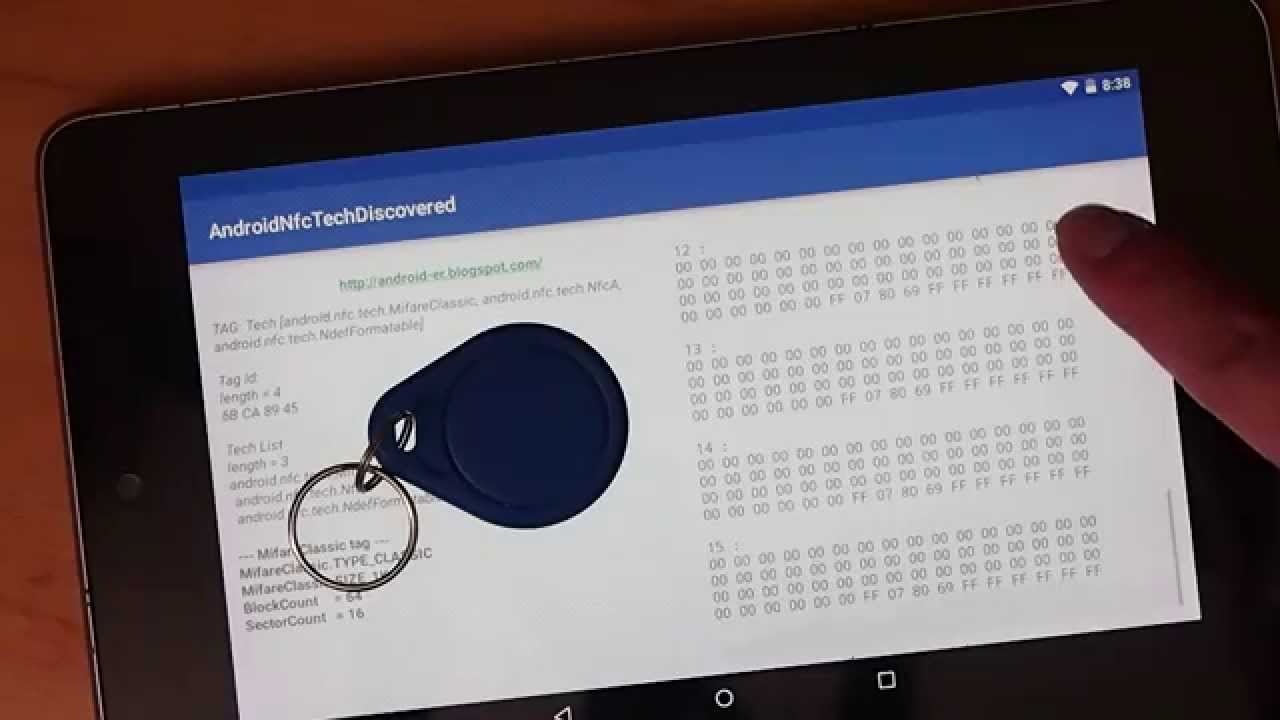
To confirm your shield works, test it with a smartphone NFC/RFID reader app. Before wrapping, hold the card near your phone to verify the app can read it. Then, wrap the card in your two layers of foil and try scanning it again. If the app no longer detects the card, your shield is effective. If it still registers, check for gaps or tears in the foil and re-wrap the card, ensuring a tighter seal.
Limitations of foil as a long-term solution
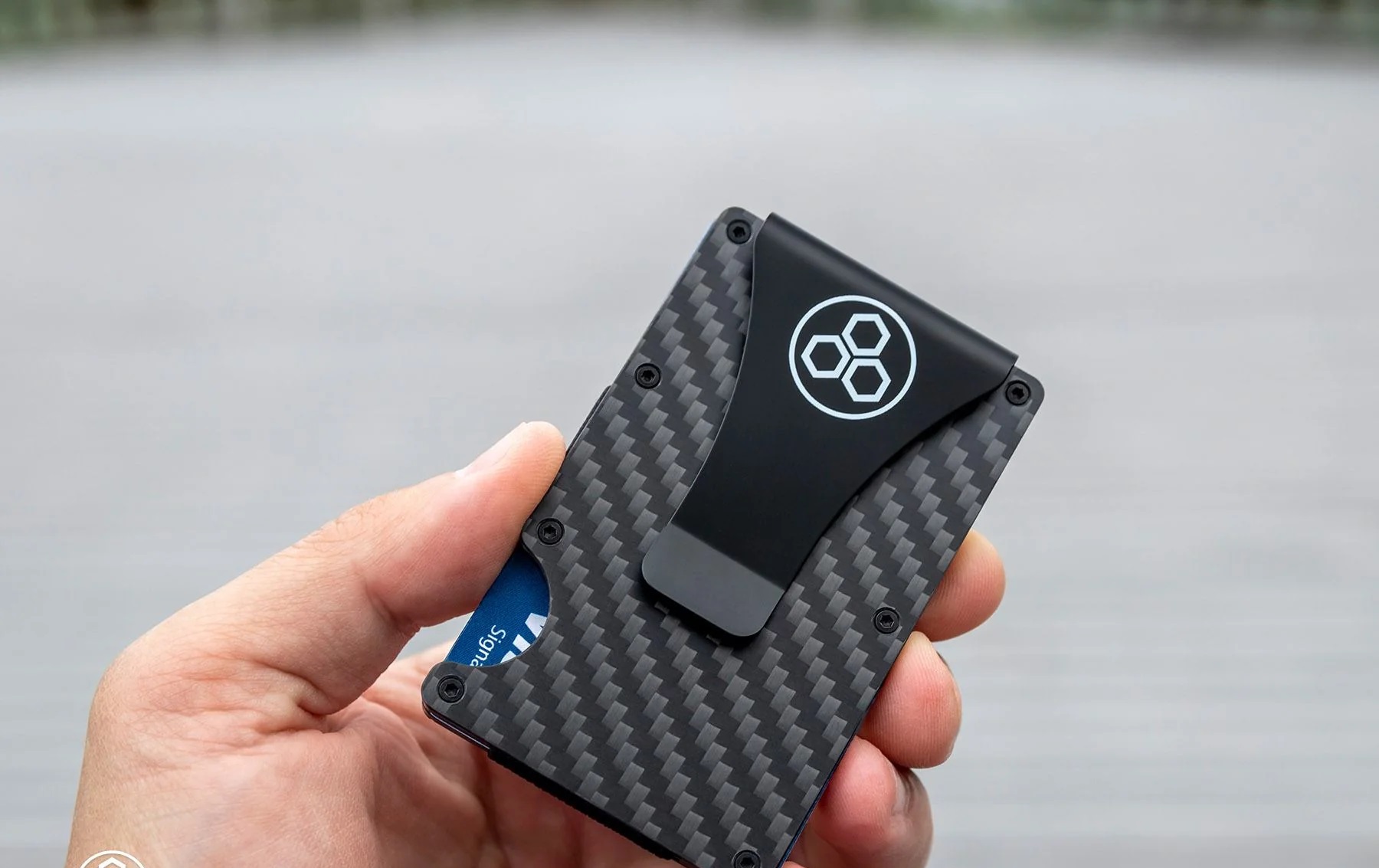
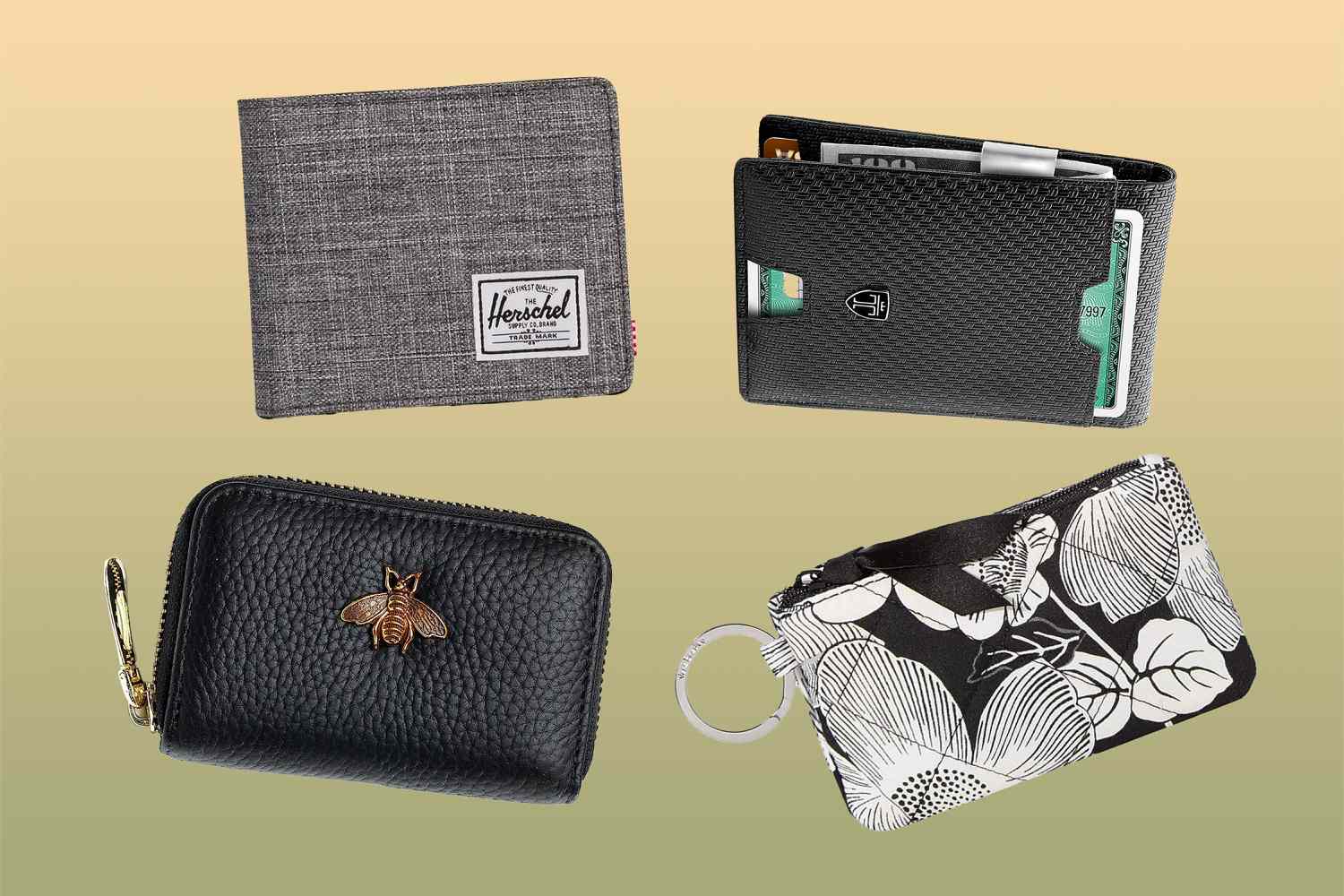
Aluminum foil is not a perfect long-term solution for RFID blocking; it is fragile, inconvenient, and its protection can unravel in real-world use. The foil tears easily, creases can create gaps, and the wrapping can come loose after being jostled in a wallet or bag. For everyday carry, purpose-built RFID-blocking products are generally more reliable, durable, and convenient. Foil is an excellent temporary or emergency measure, but for consistent protection of credit cards and passports, a dedicated RFID-blocking sleeve or wallet is a far better investment.