What Really Happens When You Block Someone on iMessage
When you block someone on iMessage, the blocked person receives no notification, their messages appear as "Delivered" on their end but never reach you, their calls go straight to voicemail without ringing your device, and the block applies across Phone, FaceTime, and Mail on all your Apple devices signed in with the same Apple ID. This means the block creates a silent, invisible barrier: you stop receiving their communication entirely, while they remain unaware that you've blocked them.
What the Blocked Person Sees and Hears
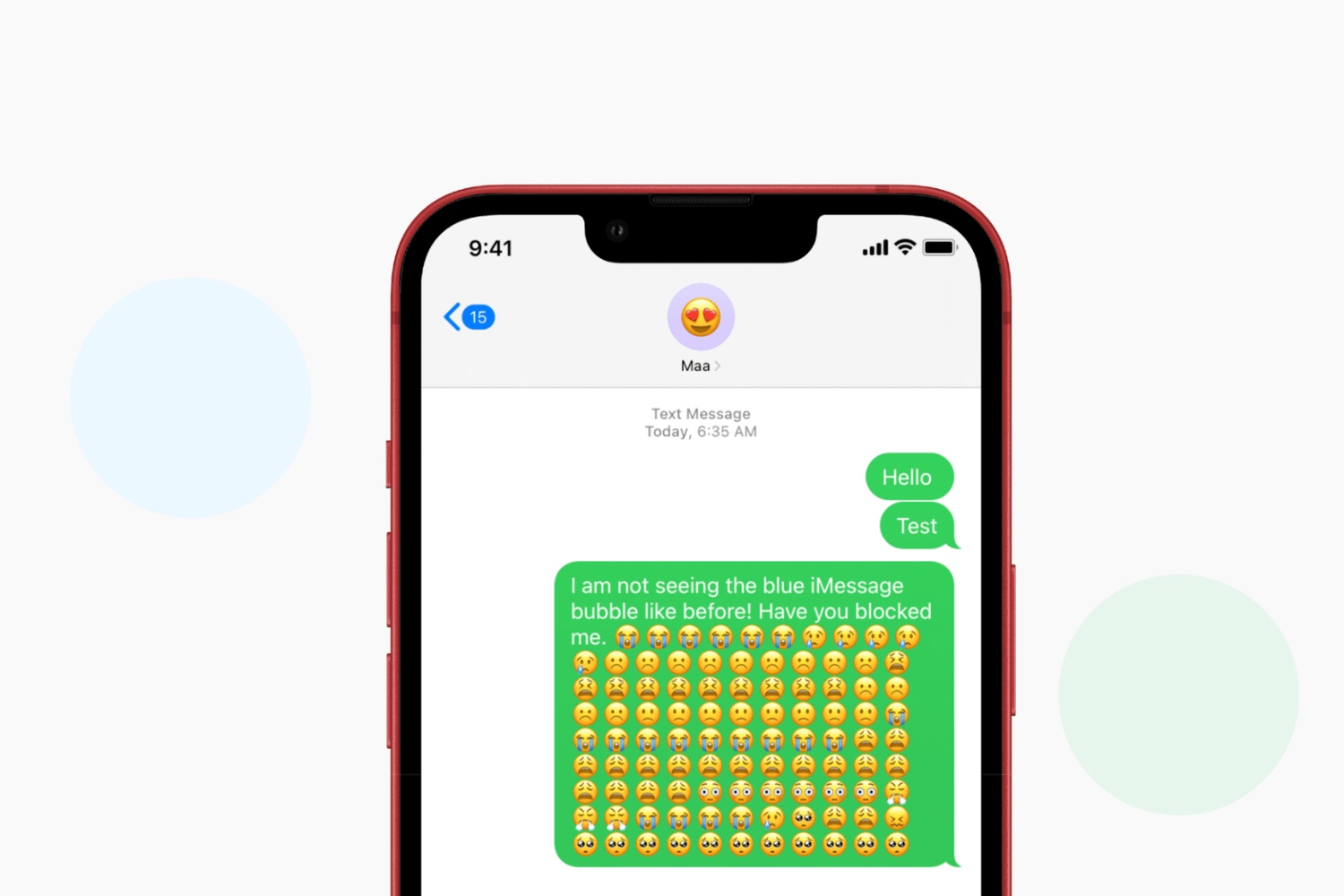
The most confusing part of blocking someone on iMessage is the illusion it creates for the sender. When the blocked person sends you a message, they see the "Delivered" status appear under their message bubble. This makes them believe their message reached you successfully. In reality, the message never touches your device, it vanishes into a digital void. The "Delivered" status is a deliberate design choice by Apple to prevent the blocked person from discovering they've been blocked, avoiding confrontation or escalation.
There is no notification, pop-up, or error message telling them they've been blocked. The conversation simply continues to look normal from their side. They may keep sending messages, each one showing "Delivered," but you'll never see any of them. This silence can be confusing for the sender, who has no way of knowing their messages are being intercepted.
Phone calls follow a similar pattern. When the blocked person calls you, their call goes directly to your voicemail. Your phone never rings, no notification appears, and your device remains completely silent. From the caller's perspective, the phone rings normally before being forwarded to voicemail, they hear the usual ringing tone, then your voicemail greeting. They have no indication that you never received the call. You won't see a missed call notification, and the call won't appear in your recent calls list. However, the voicemail itself will be stored in your voicemail box, though you won't receive any notification about it.
How Blocking Affects Group Chats
Group chats create a unique one-way mirror effect when you block someone. If you and the blocked person share a group conversation, you will no longer see their messages. You won't receive notifications when they send messages to the group.
However, the blocked person can still see your messages in that group chat. They'll see everything you post, along with all other participants' messages. This asymmetry means you're effectively muted to each other, but only in one direction. The blocked person retains full visibility of your activity within the group, while you're shielded from theirs. This can create awkward dynamics if you're in a shared group with mutual friends or colleagues, as the blocked person might respond to things you say, but you'll never see their replies.
If you want to completely remove yourself from this situation, you can leave the group chat altogether. Leaving the group ensures you no longer see any messages from anyone in that conversation, including the blocked person. Alternatively, if you unblock them later, their past messages from the blocked period will remain hidden, unblocking doesn't retroactively reveal messages sent while the block was active.
What Blocking Does Not Do
Blocking someone on iMessage has important limitations you should understand before relying on it as your only privacy measure. First, the blocked person can still see your iMessage status and old read receipts. If you had read receipts enabled before blocking them, they can still see the "Read" status on messages you received before the block. This visibility persists even though they can't contact you.
Second, blocking on iMessage only affects Apple's native communication apps: Messages, Phone, FaceTime, and Mail. It does not extend to third-party apps. The blocked person can still contact you through WhatsApp, Facebook Messenger, Instagram, Telegram, or any other messaging platform where you have an account. They can also send you regular SMS text messages if you have a phone number, though those will appear as green bubbles and may still come through, depending on your settings. If you want to block someone completely across all platforms, you'll need to block them individually in each app or service.
Additionally, blocking doesn't delete existing conversations. Any messages you exchanged before the block remain visible in your chat history. The block only prevents new messages from arriving. If you want to remove the conversation history, you'll need to delete the conversation manually after blocking.
How to Block and Unblock a Contact
Blocking someone on iMessage is straightforward, and there are two main methods depending on your iOS version.
Block from the Messages App
- Open the Messages app and select the conversation with the person you want to block.
- Tap the contact's name or number at the top of the conversation.
- Tap the Info button (the "i" icon) or their profile picture/arrow.
- Scroll down and tap "Block this Caller" or "Block Contact."
- Confirm your choice when prompted.
Block from Settings (iOS 16 and later)
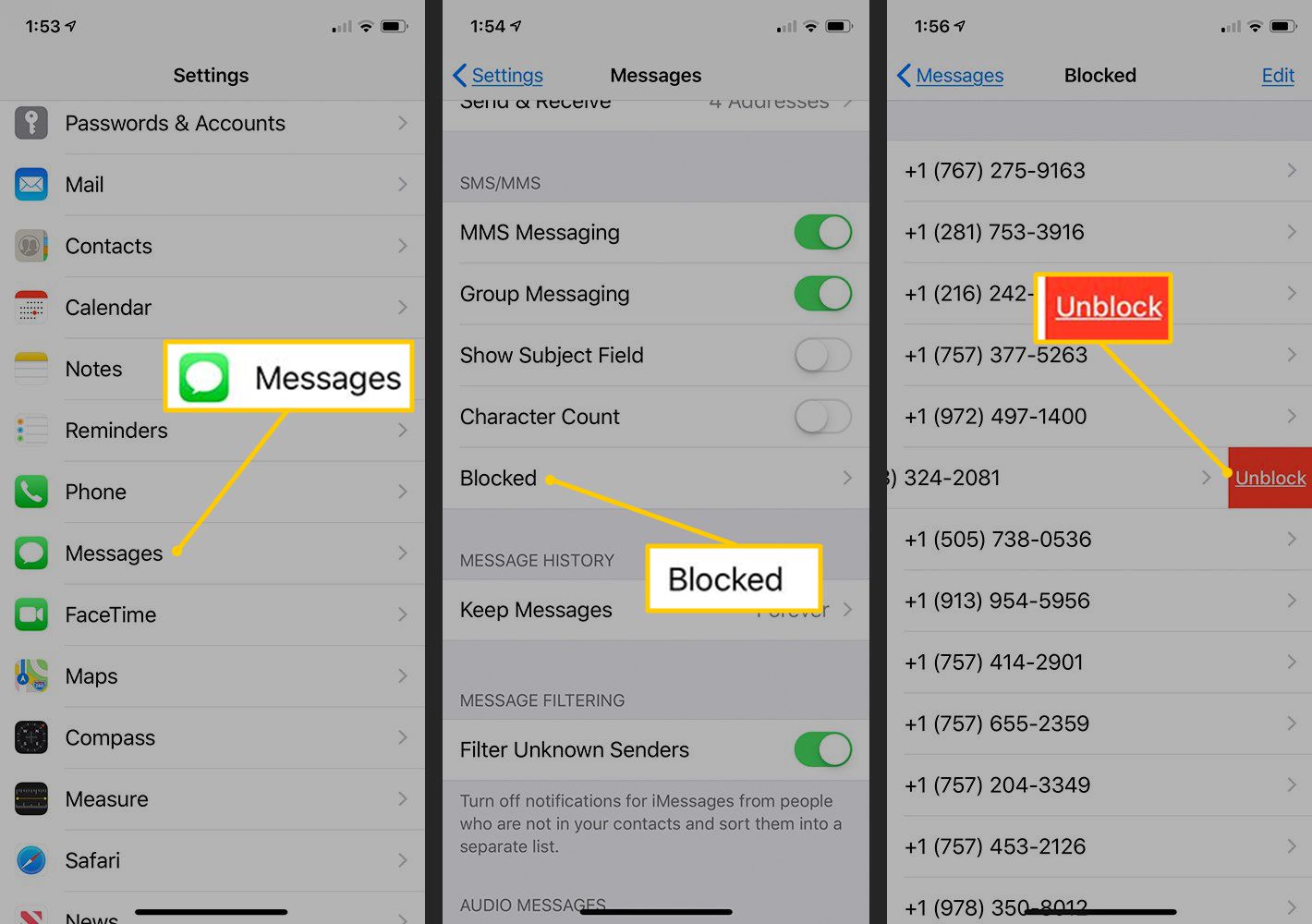
- Open the Settings app on your iPhone or iPad.
- Navigate to "Privacy & Security" (on iOS 26 and later) or "Messages" (on earlier iOS versions).
- Tap "Blocked Contacts" (under Privacy & Security) or "Blocked" (under Messages).
- Tap "Add Blocked Contact" and select the person from your contacts list.
To unblock someone, follow the same path. In Settings, go to "Privacy & Security" > "Blocked Contacts," then tap "Edit" or swipe left on the contact's name and tap "Unblock" or the minus sign. Once unblocked, they can contact you again normally. Note that unblocking doesn't restore any messages sent while the block was active, those are permanently lost.
\nRelated reading: Can Someone See When You Listen To An Audio Message iMessage and How To Hide Conversations On iMessage.