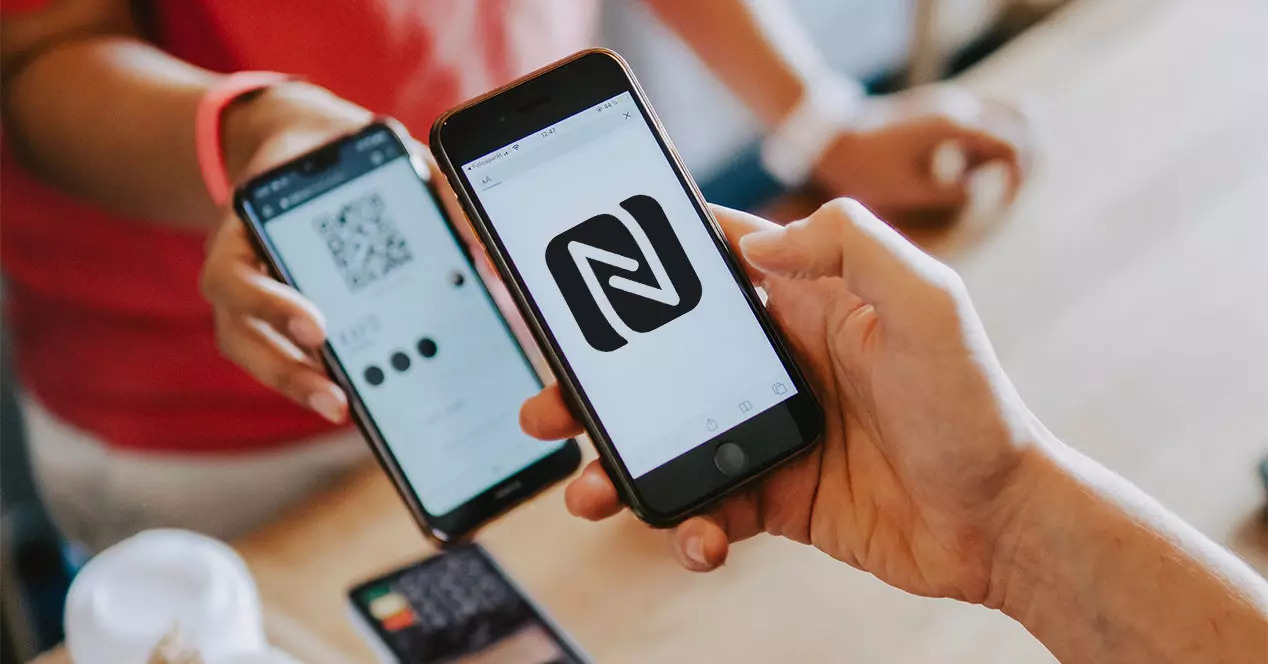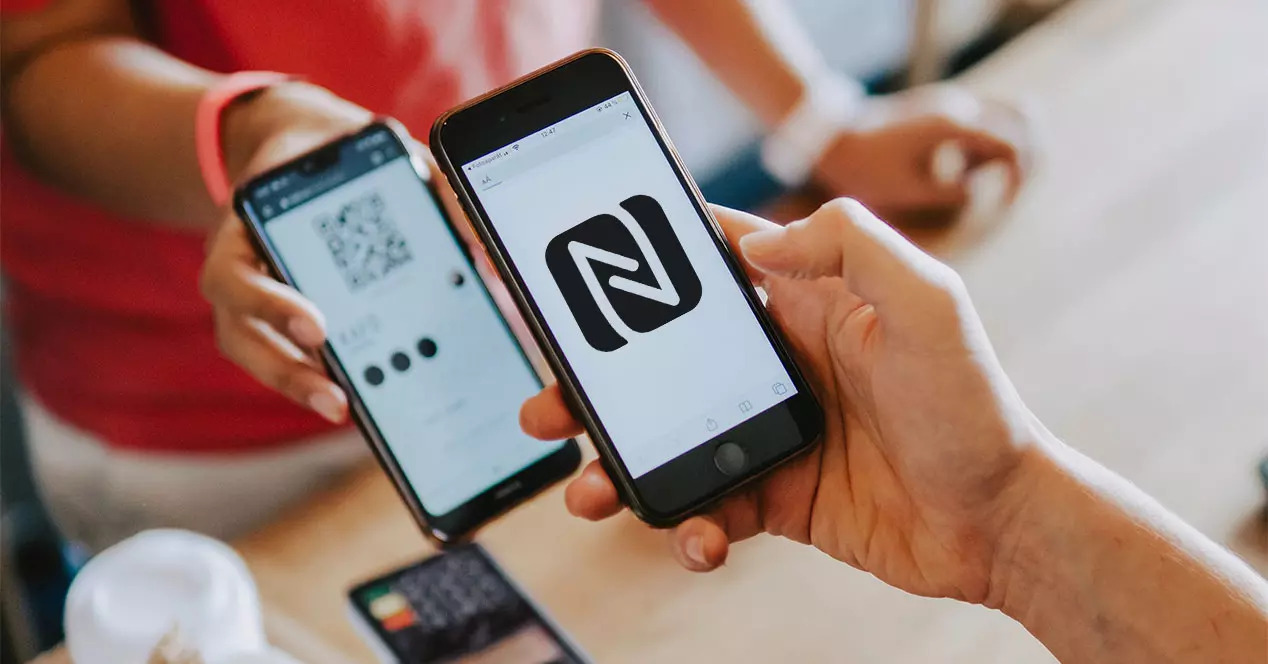
You cannot directly copy an arbitrary NFC access card to your iPhone for emulation, but you can copy NFC card to iPhone in two specific ways: by adding issuer-approved cards to Apple Wallet, or by using a third-party app to read a card and write its data to a blank NFC tag. Apple restricts the iPhone's Secure Enclave to only emulate cards that have an official partnership with Apple, meaning most building access cards and transit cards cannot be cloned for phone-based use. If your card uses older RFID technology instead, you can copy rfid card to iPhone using a dedicated hardware reader that bridges the frequency gap. For the cards you can't copy, you might instead use your phone as an NFC card by loading a compatible digital pass into Apple Wallet.
Can you copy an NFC card to iPhone?
The short answer is no, if you want your iPhone to act exactly like your physical access card. Apple locks down the iPhone's NFC hardware so that it can only emulate cards that have been officially added to Apple Wallet through a partnership with the card issuer. This means you cannot use a generic app to read your office badge and then tap your phone at the door reader. What you can do is either add a supported card to Wallet (if your issuer participates) or read the data from an NFC card and write it to a blank writable NFC tag, but that tag is a separate physical object, not your iPhone itself.
What is an NFC card?
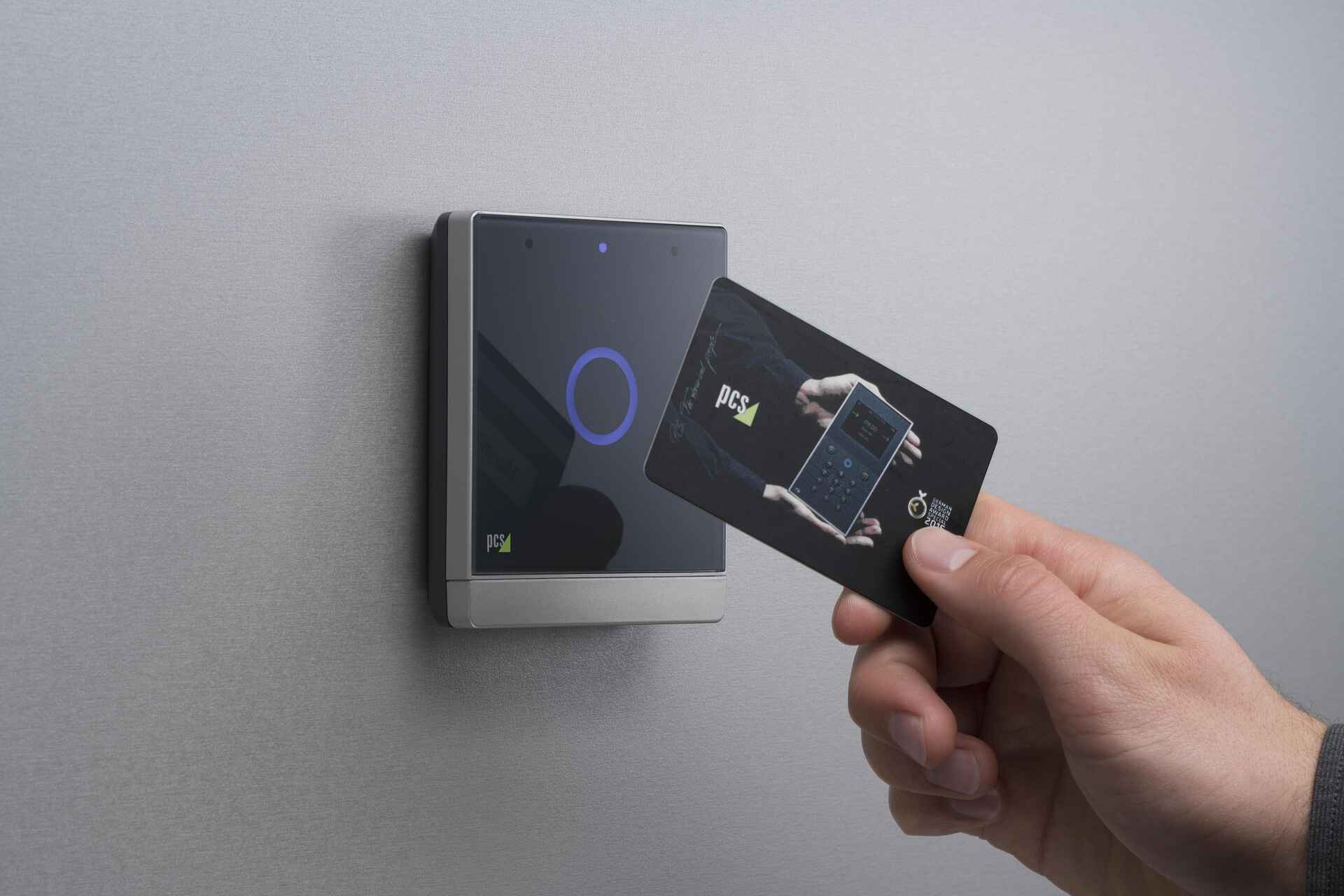
An NFC card is a plastic card with an embedded chip that uses Near Field Communication to wirelessly exchange data when held close to a reader. These cards are common for access control (office doors, gyms), public transit fare payment, and contactless payments. NFC operates at a shorter range than RFID, typically requiring the card to be within a few centimeters of the reader, which makes it more secure against accidental or unauthorized reads. Unlike older magnetic stripe cards, NFC cards can support encryption and authentication protocols, making them harder to clone without the proper cryptographic keys.
The official way: adding supported cards to Apple Wallet
Apple Wallet supports adding specific types of NFC-enabled cards, but only if the card issuer officially supports integration with Apple Wallet. This is the only legitimate method to use your iPhone in place of a physical NFC card.
- Open the Wallet app on your iPhone.
- Tap the Add button (+).
- Select the type of card you want to add, such as "Transit Card" or "Student ID."
- Choose your card or school from the list, then follow the on-screen prompts.
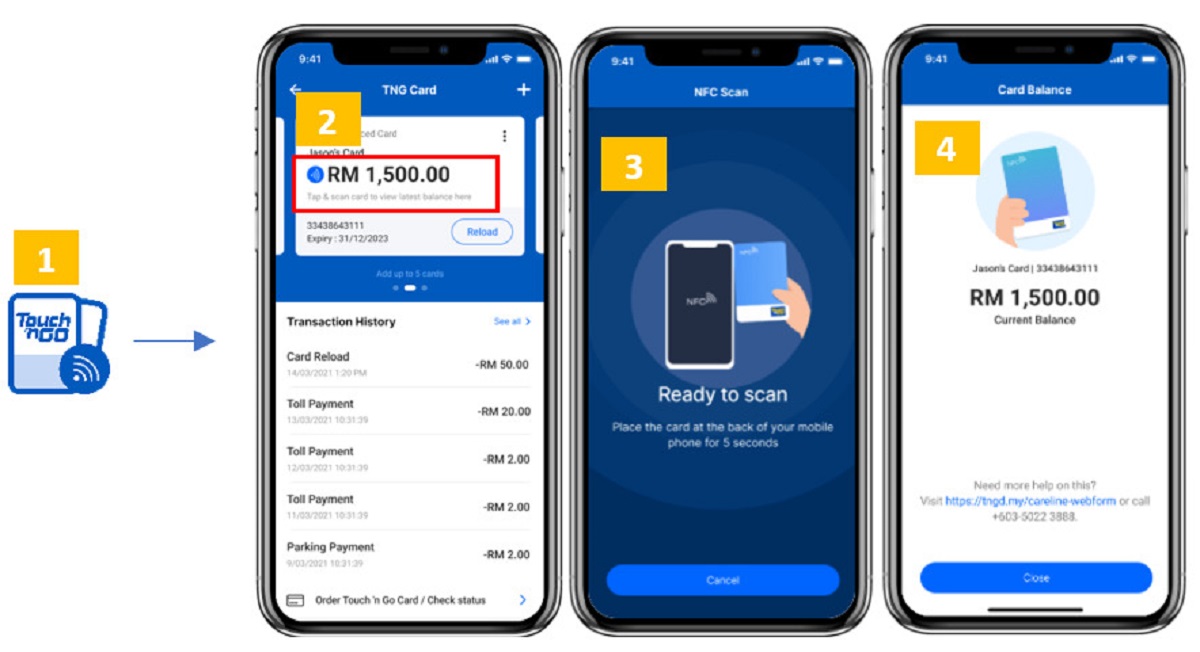
- For transit cards, you may be asked to transfer an existing physical card by placing your iPhone on top of it.
- For student IDs, sign into your school's app, tap "Add to Apple Wallet," and follow the instructions.
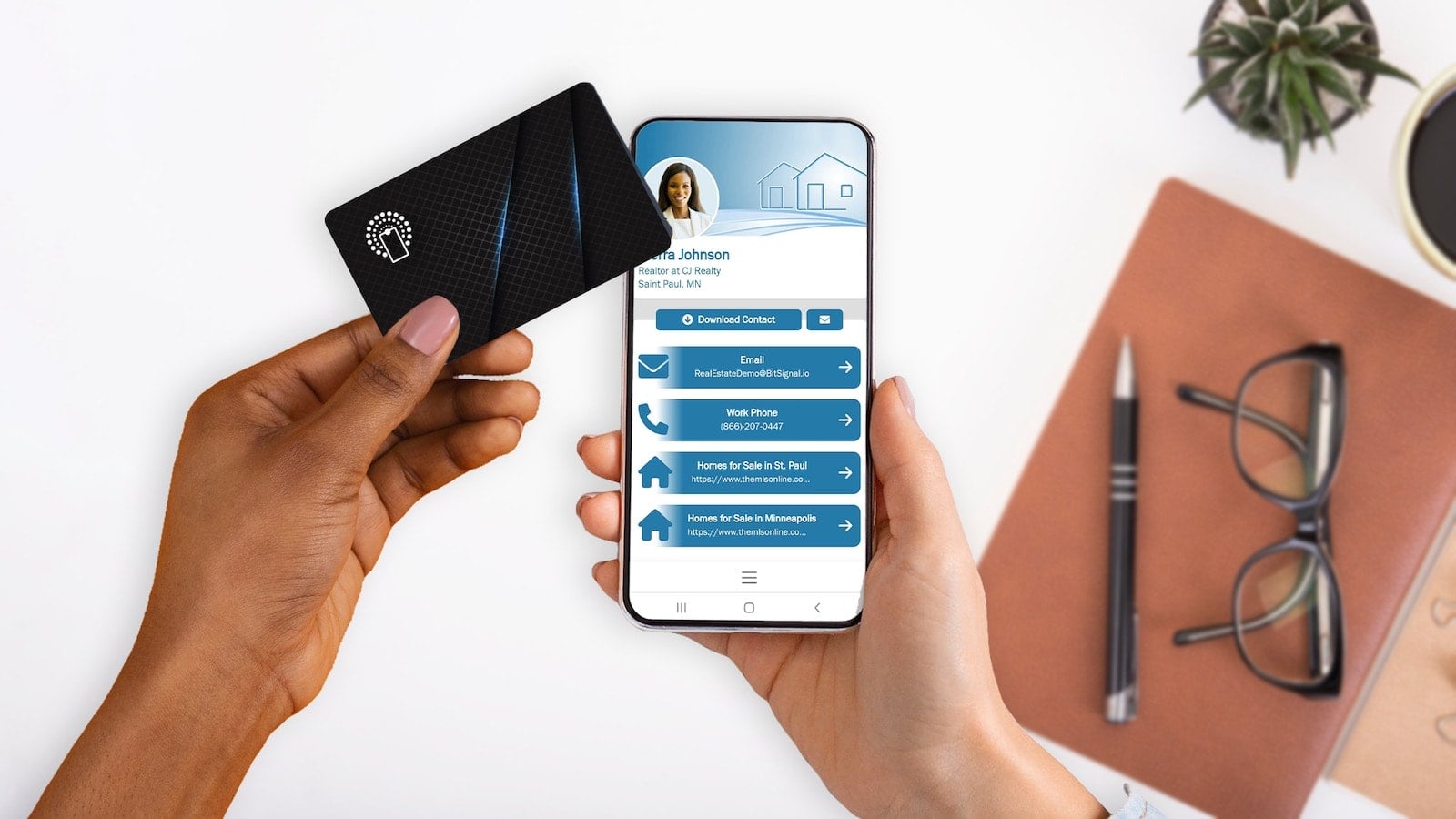
Once added, you can use your iPhone by holding it near a compatible reader, just like you would with the physical card. This method works for transit cards, student IDs, and certain digital keys for cars, homes, hotels, and corporate badges, but only when the issuer has partnered with Apple.
How to copy an NFC card to a blank tag using your iPhone
If your card is not supported by Apple Wallet, you can still copy its data to a blank NFC tag using a third-party app. This does not make your iPhone emulate the card; it creates a separate physical tag that you can carry or stick somewhere.
- Install a compatible NFC reading and writing app from the App Store.
- Launch the app and grant permission for it to access your iPhone's NFC reader.
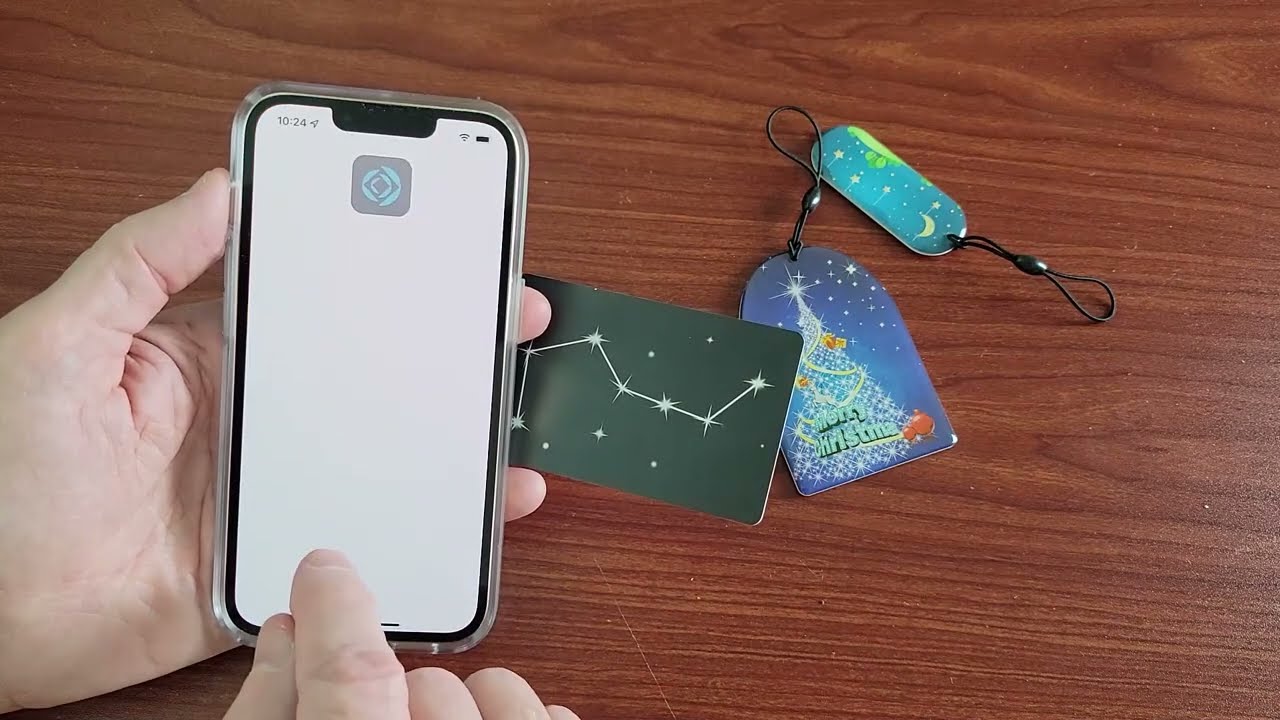
- Hold your original NFC card near the top of your iPhone. Move it around slightly until the app detects the chip.
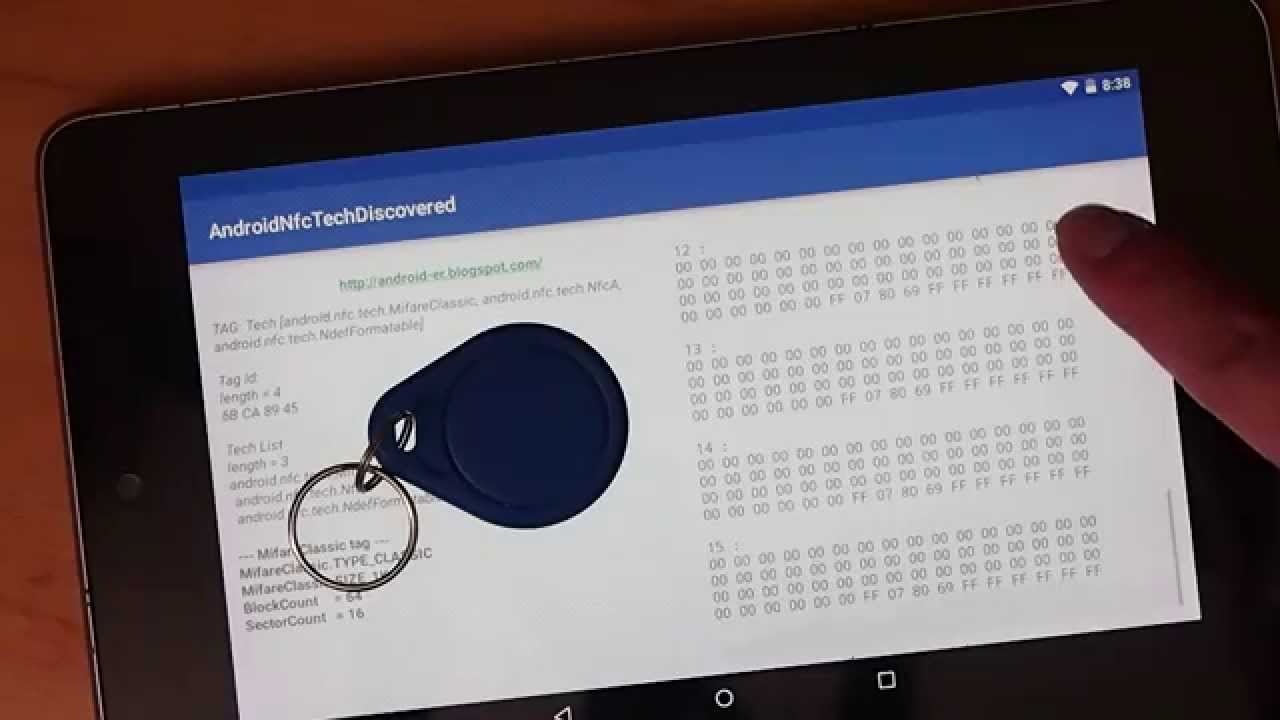
- Tap the "Read" button in the app. The app will display the data stored on the card, which may include a UID (unique identifier) and other information.
- Remove the original card.
- Place a blank writable NFC tag near your iPhone.
- Tap the "Write" button in the app. The app will copy the data from the card onto the blank tag.
- Remove the tag and test it by holding it near an NFC reader to confirm the copy works.
This method works only if the original card does not use strong encryption or rolling codes. Many modern access cards and transit cards use cryptographic authentication that prevents simple copying. If you want to make rfid protector sleeves or wallets to shield your cards from unauthorized scans, you can use the same blank NFC tags in a different way, by writing a blocking command or simply using the tag as a physical shield when placed over the card.
What about jailbreaking?
Some older guides suggest jailbreaking your iPhone to bypass Apple's NFC restrictions and emulate cards directly. This approach is not recommended for several reasons. Jailbreaking voids your iPhone warranty, exposes your device to security vulnerabilities, and is incompatible with modern iOS versions. Apple regularly patches jailbreak exploits, meaning the method stops working after an update. Even with a jailbreak, most modern access cards use encryption that cannot be emulated without the issuer's cryptographic keys. The risks far outweigh any potential benefit, and you should avoid this method entirely.
Troubleshooting common NFC issues
When reading or writing NFC data with your iPhone, you may encounter problems. Here are practical fixes for the most common issues.
- Alignment: The NFC reader is at the top of your iPhone. Make sure the card's chip (usually near the center of the card) is placed flat against that area. Try different angles and positions.
- Compatibility: Not all iPhone models can write NFC tags. iPhone 7 and newer can read NFC, but only iPhone XS and newer can write to blank tags using third-party apps. Check your model in Settings > General > About.
- App permissions: The third-party app must have permission to access NFC. Go to Settings > Privacy > NFC & Reader Mode and ensure the app is enabled.
- Card quality: Damaged or low-quality NFC cards may not read reliably. If the card has been bent or exposed to water, the chip may be damaged.
- Encrypted cards: If your card uses encryption or rolling codes, the app will read only the UID or a partial data set, and the copied tag will not work at the reader. This is common with modern office badges and transit cards.
- Restart and update: If nothing works, restart your iPhone and check for iOS updates. Apple occasionally fixes NFC bugs in software updates.