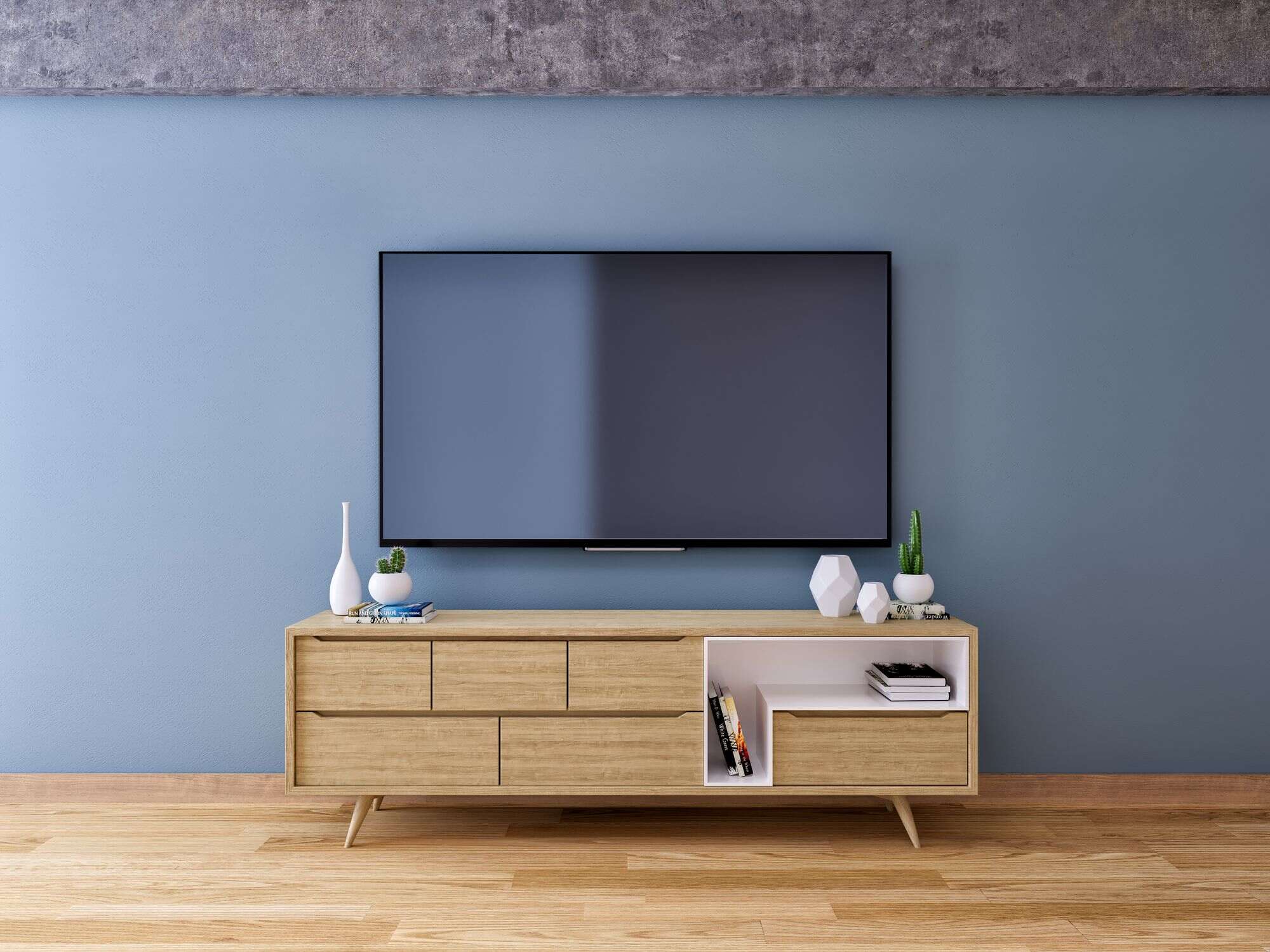
To clean my QLED TV screen safely, you only need a soft, dry microfiber cloth and a small bowl of distilled water, no sprays, no chemicals, no special kits. The entire process takes a few minutes of gentle wiping, and doing it correctly protects the delicate anti-glare coating and keeps your picture looking crisp instead of streaky or scratched.
Before you clean my qled TV screen: what you'll need
Gather just two items: a clean, dry microfiber cloth (the kind made for eyeglasses or electronics, not a rough household rag) and a small bowl of distilled water. Tap water contains minerals that can leave residue on the screen, so distilled water is the only liquid you should consider using. Before you touch the screen at all, turn off your QLED TV and unplug it from the wall. This is a mandatory safety step, it eliminates any risk of electric shock and makes dust and smudges easier to see against the dark, off screen. Allow the TV to cool down for a few minutes if it has been running, since a warm screen is more fragile.
The safe cleaning method for your QLED screen
Start with dry dusting. Take your dry microfiber cloth and gently wipe the entire screen using light, circular motions, working from the top down. This removes loose dust and particles that could otherwise scratch the surface when you go to wipe smudges. Do not press hard, QLED screens are fragile, and excessive pressure can cause permanent damage to the display panel beneath the glass.
For fingerprints or stubborn smudges, lightly dampen a corner of the microfiber cloth with distilled water. The cloth should be damp, not soaked, squeeze out any excess liquid until no water drips from it. Never spray water or any cleaning solution directly onto the screen, as moisture can seep into the edges and damage internal components or cause an electric shock. With the damp corner, wipe the affected areas again in gentle circular motions, starting from the center and moving outward toward the edges. Take your time and avoid rubbing back and forth aggressively.
After you have removed the smudges, immediately dry the screen using a separate dry microfiber cloth. Use the same light circular motions to remove all moisture before it evaporates and leaves streaks. Check the screen from different angles and under lighting to spot any remaining residue; if you see streaks, repeat the damp-wipe and dry steps only on those spots.
One critical warning: never use alcohol, window cleaners, soap, scouring powder, wax, or any cleanser containing solvents like benzene, ammonia, or acetone on your QLED screen. Samsung’s official guidelines specifically prohibit alcohol and ammonia-based products because they can strip the protective film and permanently damage the anti-glare coating. Even if you are tempted to reach for a glass cleaner to cut through grease, do not, distilled water is the only safe liquid for your screen.
How to clean the frame and back of the TV
Once the screen is clean and dry, move to the plastic frame and the back panel. Use a separate dry microfiber cloth to wipe away dust and dirt from these surfaces, paying attention to corners and edges where grime collects. For stubborn marks on the frame, dampen the cloth with distilled water (again, only slightly) and wipe gently, then dry immediately with a clean cloth. Be careful around ventilation holes and grills, do not let any moisture enter these openings, as liquid can reach internal electronics and cause short circuits. Keep the cloth away from ports, vents, and any visible seams where water could drip inside.
Common mistakes that can ruin your QLED TV
Knowing what not to do is just as important as knowing the correct method. Here is a clear list of mistakes that can permanently damage your QLED TV:
- Using paper towels, tissues, or rough cloths, these scratch the screen and strip its anti-glare coating.
- Applying window cleaners, glass sprays, or any product containing alcohol, ammonia, or acetone, these chemicals eat away the protective film and leave permanent discoloration.
- Pressing hard on the screen or scrubbing vigorously, QLED panels are thin and fragile, and heavy pressure can crack pixels or distort the display.
- Spraying any liquid directly onto the screen, moisture can drip into the edges and damage internal circuitry or create an electrical hazard.
- Using a dirty or reused microfiber cloth, if the cloth has picked up grit or oil, you are simply grinding particles into the screen. Wash your cloth by hand with mild soap, rinse thoroughly, and let it air dry before using it again.
- Cleaning while the TV is still warm or plugged in, heat makes the screen more susceptible to damage, and an active power connection turns a simple cleaning into a safety risk.
If you ever find yourself wondering how to clean your smartphone, the same basic rules apply: a dry microfiber cloth and distilled water are all you need, and harsh chemicals are off-limits for both devices. But your QLED TV screen is larger and more delicate than a phone display, so the stakes for using the wrong tool or technique are higher, one bad wipe can leave permanent streaks or scratches that ruin your viewing experience.
Stick to the dry cloth for routine dusting, use a barely damp cloth only for stubborn smudges, dry immediately afterward, and never introduce any cleaning solution beyond distilled water. That routine will keep your QLED screen looking flawless without voiding the warranty or risking damage to the panel.
\nRelated reading: Why My Tempered Glass Screen Protector Doesn't Fit Even With The Right Screen Size and Why Is My LG Smart TV Screen So Dark.