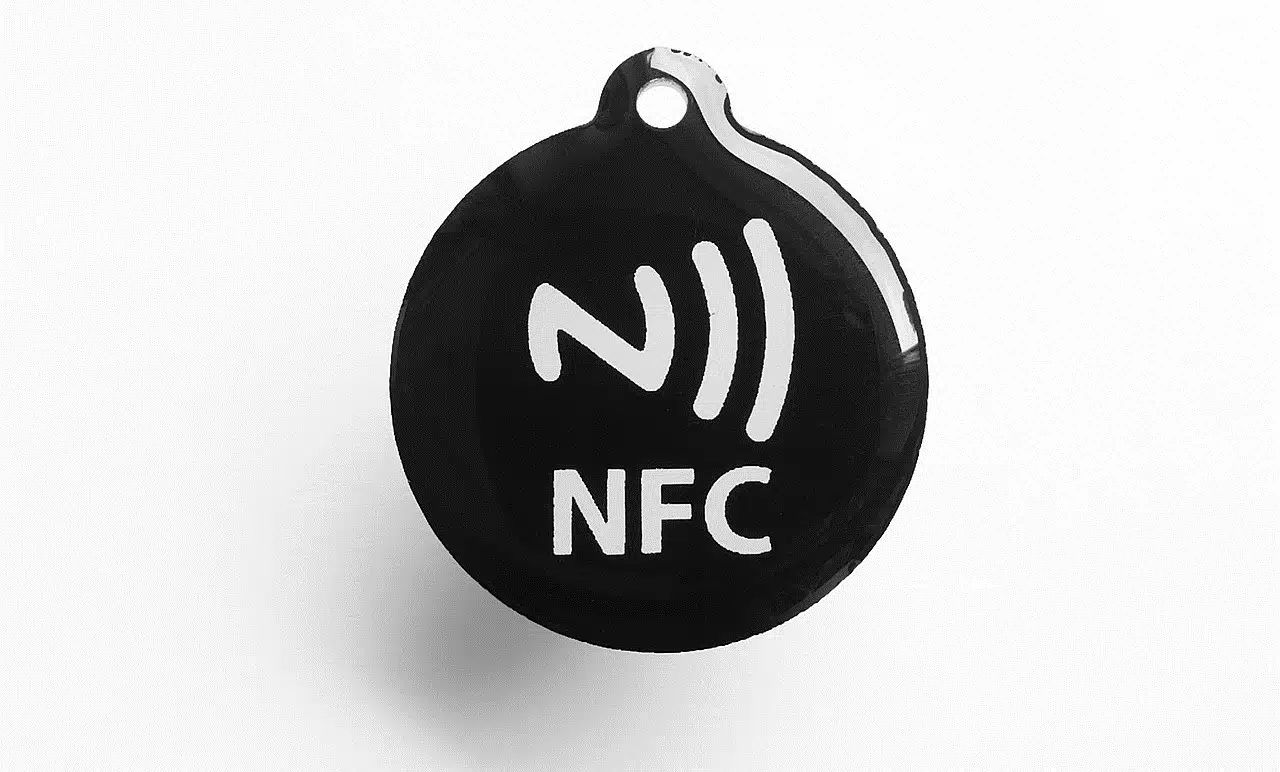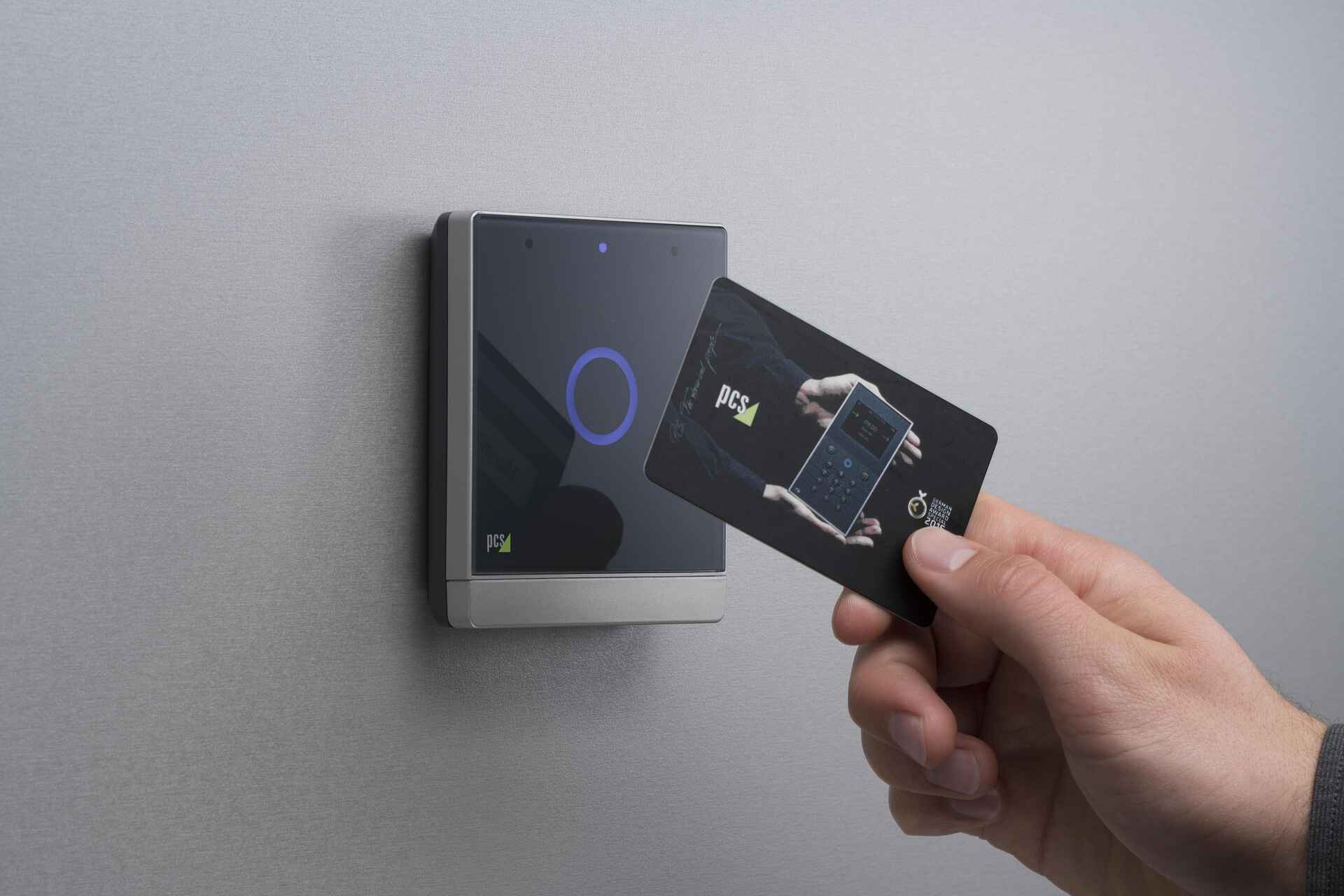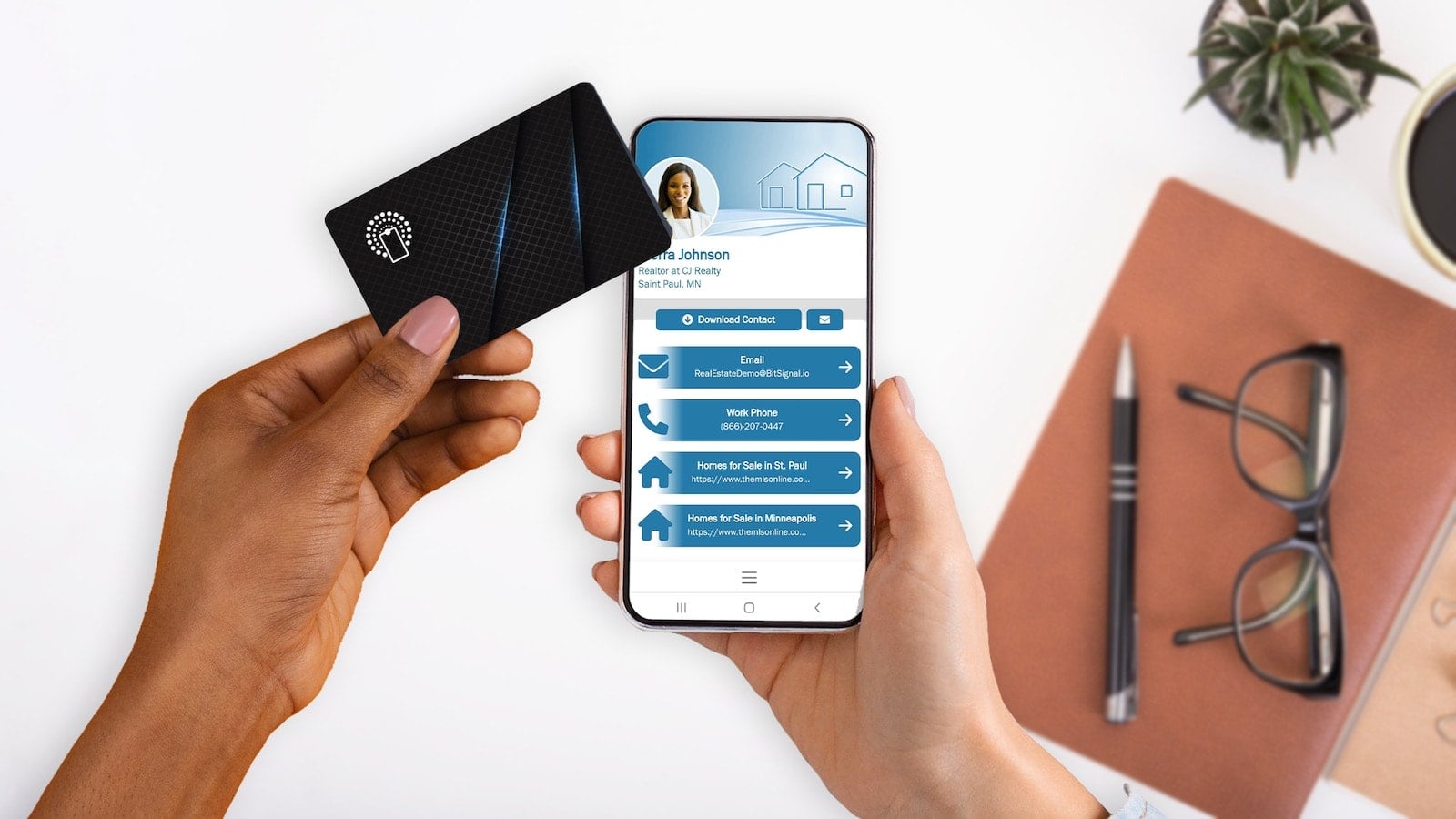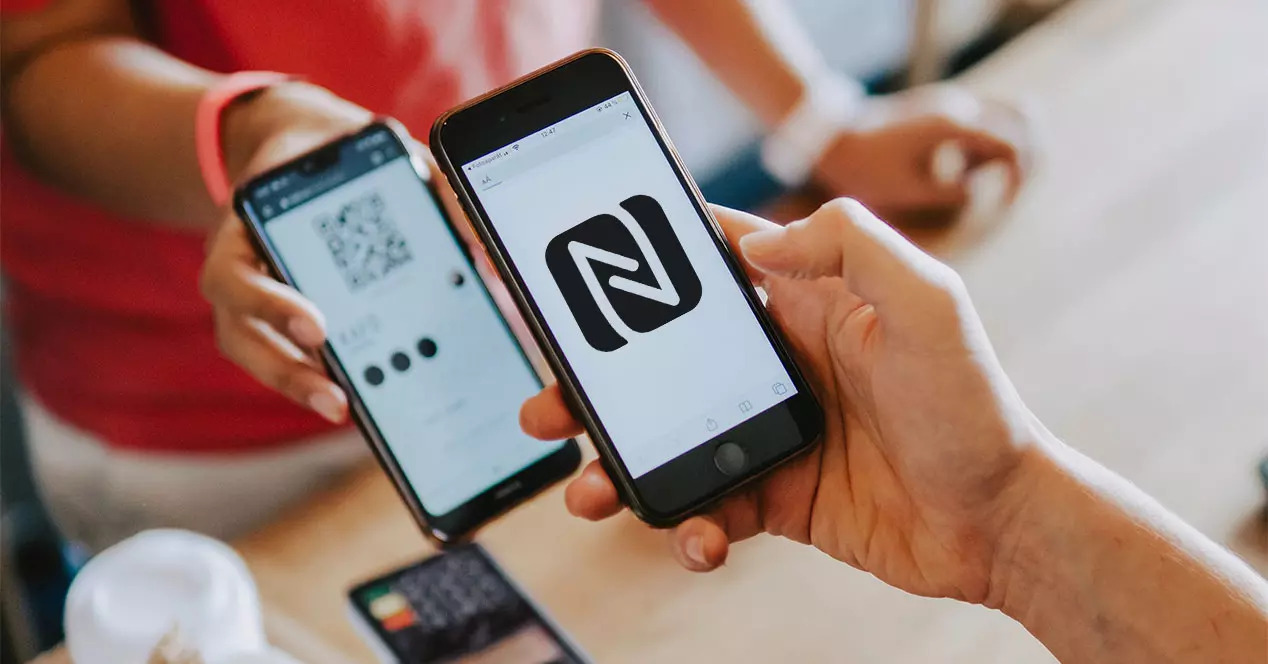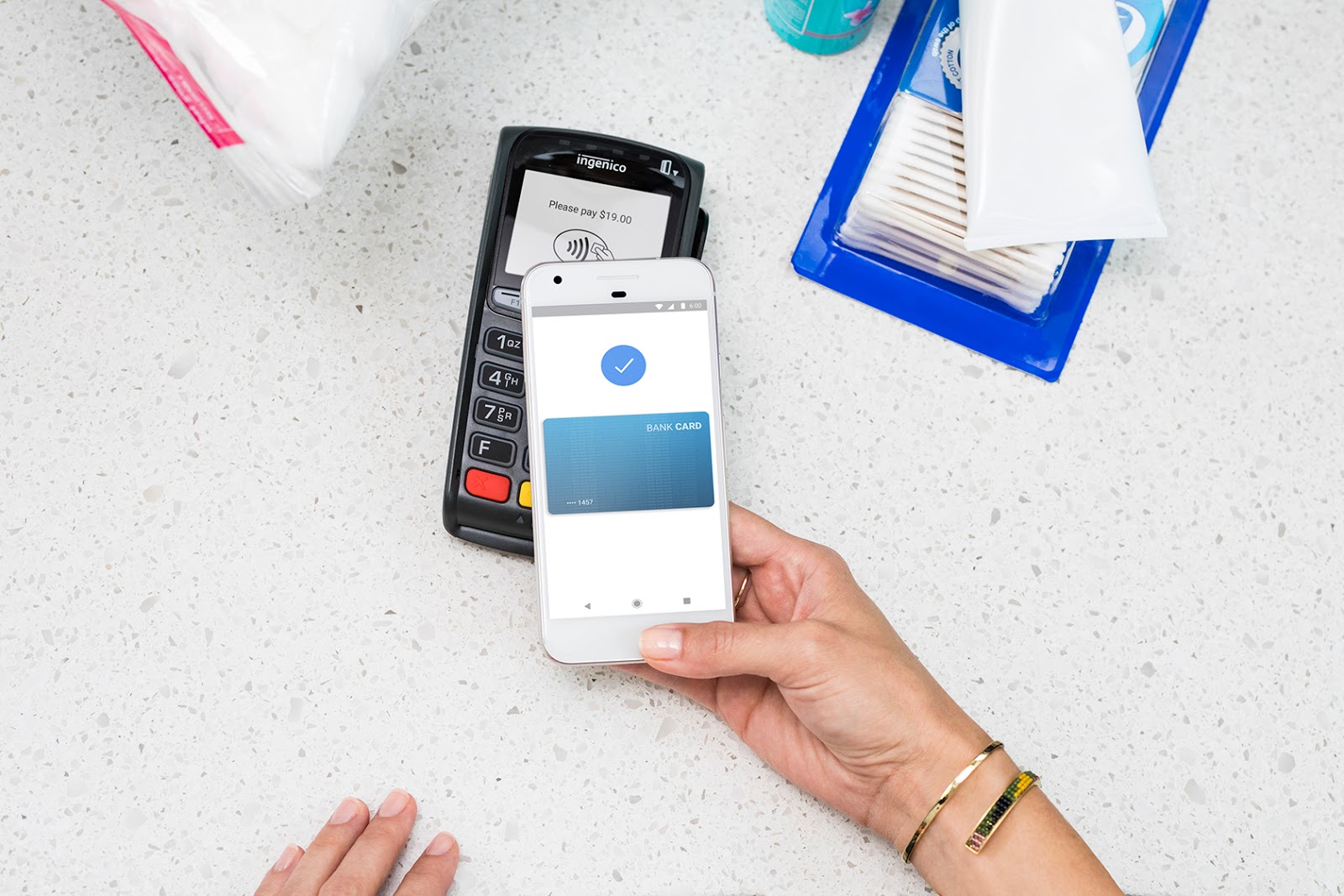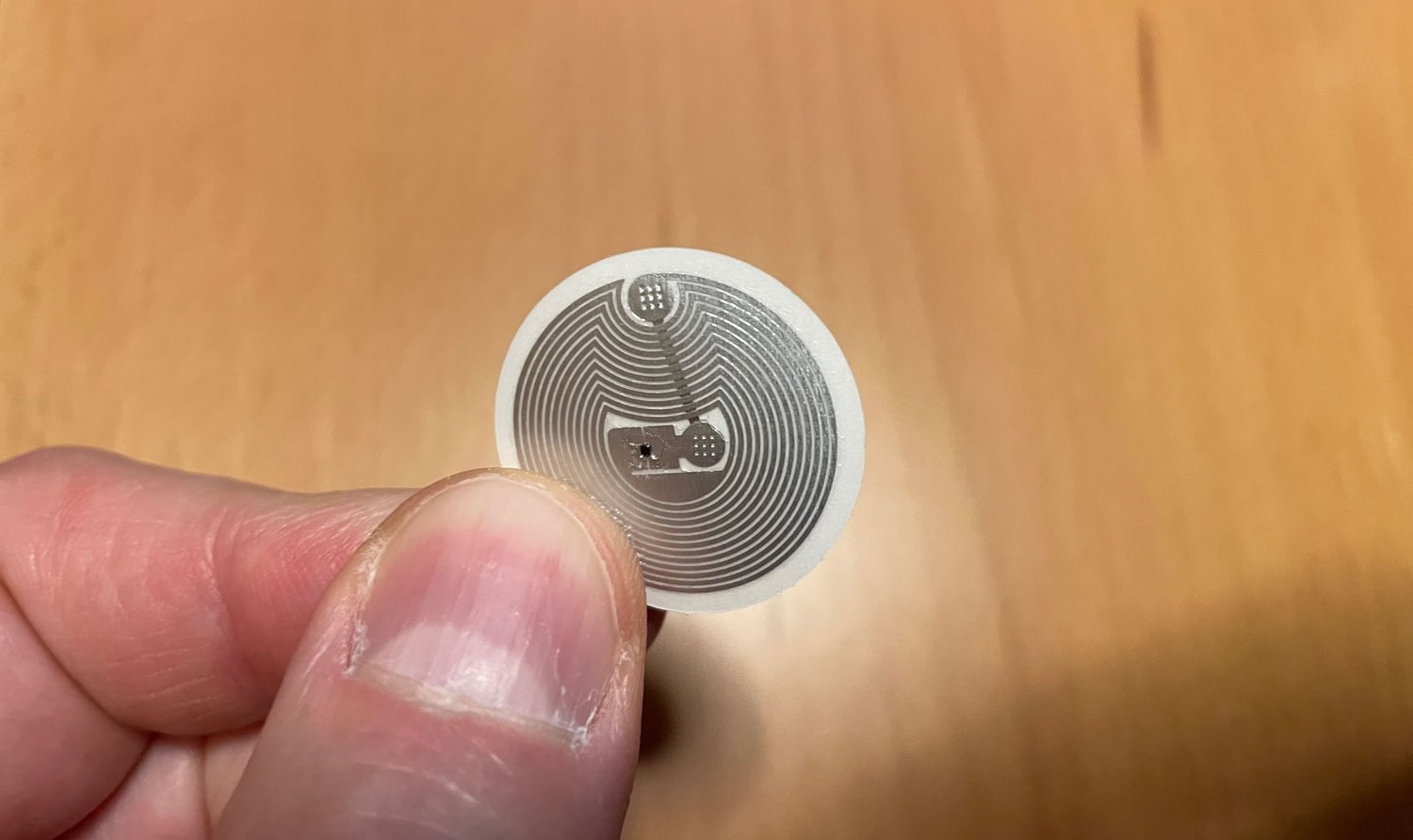
A website NFC tag is a small, passive Near Field Communication (NFC) chip embedded in a physical object that stores a website URL; when you tap your smartphone against it, the device automatically opens that web page in your browser, requiring no QR scan or manual typing. If you want to reuse an existing tag for a different URL, you can simply copy an NFC tag to overwrite its stored data. This tap-and-go experience makes it the fastest way to connect a physical item, like a business card, poster, or product, to a specific online destination.
What is a website NFC tag?
A website NFC tag is a passive NFC chip housed inside a sticker, card, key fob, or other physical object. Its sole purpose is to hold a web address (URL) in its memory. When an NFC-enabled smartphone is tapped against or brought within 2-4 cm of the tag, the phone reads the stored URL and instantly opens it in the device’s default browser, which is exactly what it mean when it says "NFC tag detected" on your screen. No app, camera scan, or text entry is needed, just a tap.
How does a website NFC tag work?
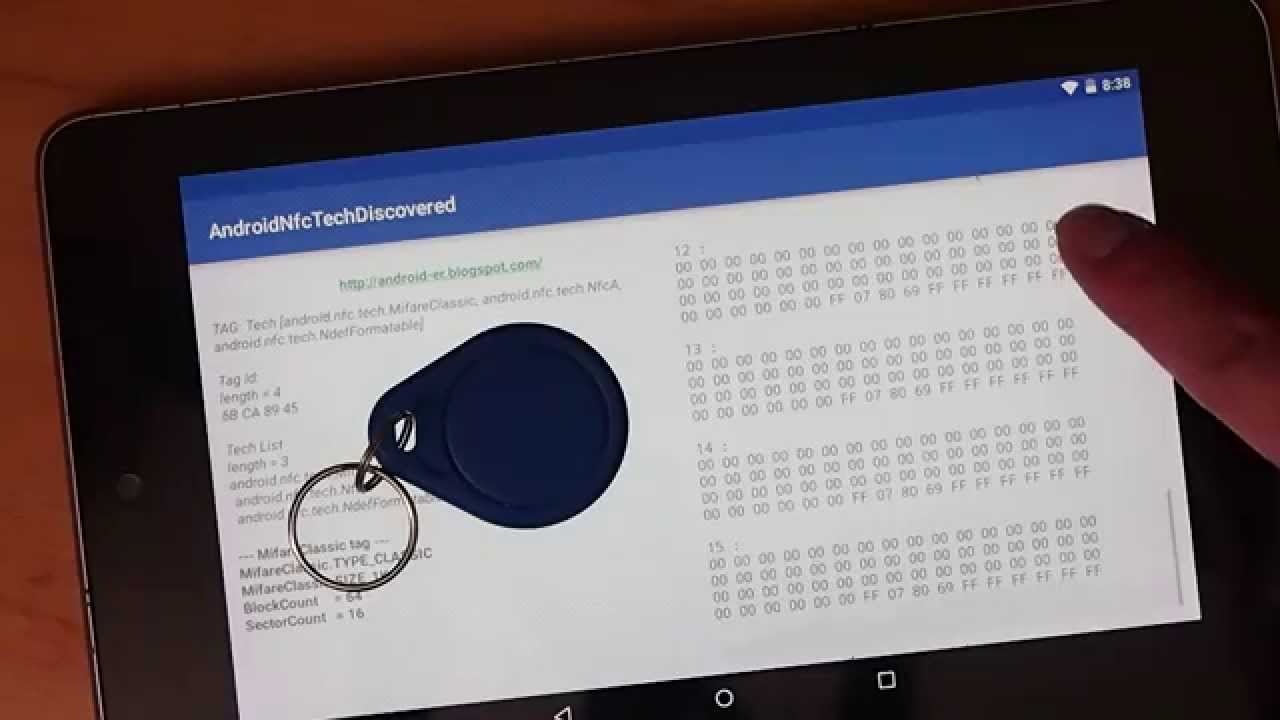
The technical mechanism relies on a standardized data format called NDEF (NFC Data Exchange Format). During programming, the URL is encoded into the tag’s memory using this format. When you tap the tag, your phone’s NFC reader sends a small electromagnetic field that powers the passive chip through induction. The chip then transmits the NDEF message back to the phone, which interprets the URL and launches the browser. The read range is typically 0-20 mm, though larger antennas can extend it up to 40 mm. On Android, NFC must be enabled in the Connections settings. iPhones (iPhone 7 and newer with iOS 13+) have NFC always on and support native reading of URL-encoded tags without needing an app to initiate the scan.
Choosing the right NFC tag for a website URL
Not all NFC tags are identical. The most common and widely compatible types for URLs are NFC Forum Type 2 tags, specifically the NTAG213, NTAG215, and NTAG216. The NTAG213 offers 144 bytes of usable memory, which is sufficient for short URLs. The NTAG215 provides 504 bytes, and the NTAG216 offers 888 bytes, both suitable for longer NDEF records or more complex data. If you plan to place a tag on a metal surface, avoid standard tags, metal detunes the antenna and makes the tag unreadable. Instead, use an anti-metal NFC tag, which includes a ferrite layer to shield the chip from interference.
How to program a website NFC tag step by step
Programming a tag requires an NFC-enabled smartphone and a free app. Follow these steps:
- Enable NFC on your Android phone by going to Settings > Connections and toggling NFC on. iPhones (iPhone 7 and newer with iOS 13+) have NFC always active.
- Open a free NFC programming app such as NFC Tools or NFC TagWriter.
- Enter the full HTTPS URL you want the tag to open. Ensure the URL is accurate and contains no accidental spaces, as these can cause errors.
- The app will encode the URL onto the chip.
- Test the tag by tapping it with your phone. The browser should open the correct page instantly.
- Lock the tag using the app’s lock or read-only function. This prevents unauthorized reprogramming with malicious links.
Dynamic URLs and remote updates
Instead of writing a final URL directly, you can program the tag with a short link from a URL-shortening platform that supports editing. This creates a dynamic URL. Later, you can change the destination address remotely through the platform’s dashboard without replacing the physical tag. This is especially useful for campaigns where the linked content may change over time.
Common applications for website NFC tags
Website NFC tags serve many real-world purposes. Businesses place them on product packaging to direct customers to product pages. Restaurants and shops use them to link directly to Google review pages, making it easy for patrons to leave feedback. Social media profiles, app store download pages, and event check-in systems all benefit from the instant tap. Museums and galleries attach tags next to exhibits to provide visitors with additional information or audio guides. Real estate agents place tags on “For Sale” signs to let potential buyers view virtual tours and floor plans instantly.
Best practices and troubleshooting
To ensure reliable performance, avoid placing standard tags directly on metal surfaces, use anti-metal tags instead. Position the tag where it is visible and easy to tap, and always use HTTPS URLs for security. Test the tag on multiple devices, including both Android and iPhone models, to confirm compatibility. For anti-phishing security, the NFC Forum’s Signature Record Type Definition (RTD) can be used to protect the integrity and authenticity of the NDEF message, verifying that the URL has not been tampered with.
If you need to block or shield NFC communication for security reasons, you can make an RFID protector by layering aluminum foil or a specialized shielding fabric inside a card sleeve or wallet pocket, which prevents unwanted scans.