Configuring your QuickBooks desktop settings and defaults
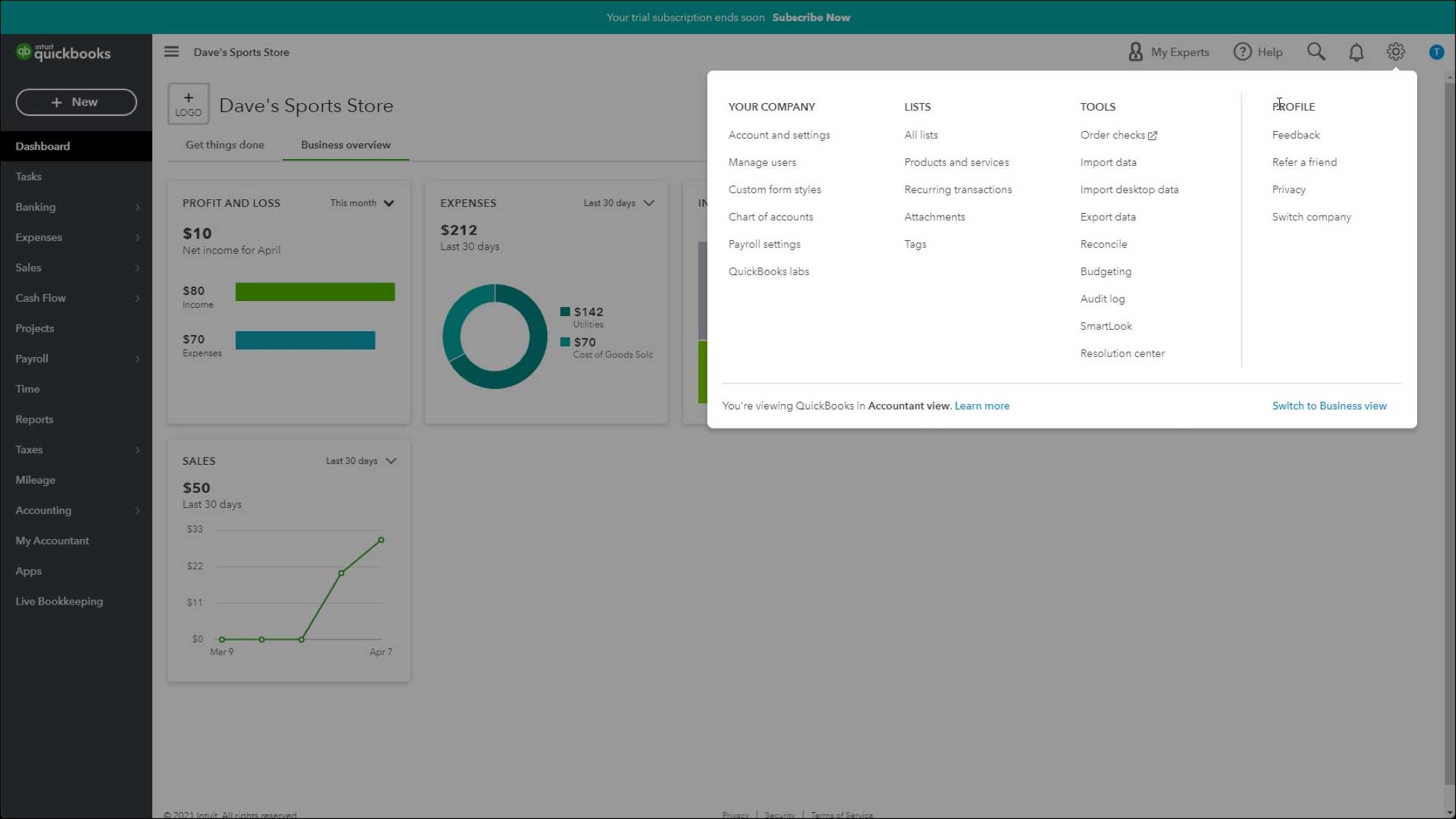
To get your QuickBooks desktop settings right, open the Edit menu and choose Preferences. Each tab holds its own set of toggles and default values. Because the settings in quickbooks desktop are stored as a live session edit, there is no universal save button. Every change you make is applied immediately, but only while the Preferences window remains open. This is why understanding what does revert mean in quickbooks matters. Clicking Cancel closes the window, but any changes already made have been applied immediately. Clicking OK closes the window and retains all changes made across tabs, as edits are applied immediately. The most dangerous button is Revert, because the Revert button restoring all Preferences tabs means it undoes every unsaved modification across the entire window, not just the tab you are looking at. If you adjusted inventory defaults on one tab and then changed sales tax settings on another, hitting Revert only restores the defaults on the current tab. You also need to know the QuickBooks Desktop default customer ledger. The program silently uses the income type you designated for customers and the expense type for vendors, which can be set in the preferences. Checking those defaults before entering any transactions saves you from chasing mispostings later. Only QuickBooks applies changes immediately, and the Revert button restores defaults for the current tab only.
Recording money in and out
When you bring in credit card activity, the cleanest approach is to use the bank feed or a downloaded QBO file. Avoid typing each charge manually. If you choose the manual route, match the transaction date and amount exactly to your statement. Then assign the correct expense category before you save. You can also import credit card transactions into quickbooks desktop from a CSV. First check that your chart of accounts already has the categories you need. Otherwise you will spend extra time reclassifying later. For capital infusions, you should record investments in quickbooks as an equity transaction, not as income. Putting investment money into a revenue category will inflate your profit and throw off your tax reporting. Employee gifts follow a different rule. You can categorize employee gifts in quickbooks as a non-taxable fringe benefit under a dedicated payroll expense line. This treatment only works if the total per employee stays under the IRS annual limit. A common mistake is to lump these into "Office Expenses" or "Meals," which makes year-end reconciliation harder.
Fixing misclassified transactions and tax forms
When a credit card charge posts to the wrong category, you can move a miscategorized credit card charge from an expense account to the correct liability account in QuickBooks Desktop by opening the original transaction. Change the account field to the liability entry and re-save. This single-edit approach works because QuickBooks Desktop treats each change as a live session edit. There is no universal save button. Clicking 'Revert' at any point undoes every unsaved change across all Preferences tabs. It does not just undo the tab you are viewing. This can wipe out unrelated adjustments you made moments earlier. To avoid that, always save your work on one tab before switching to another.
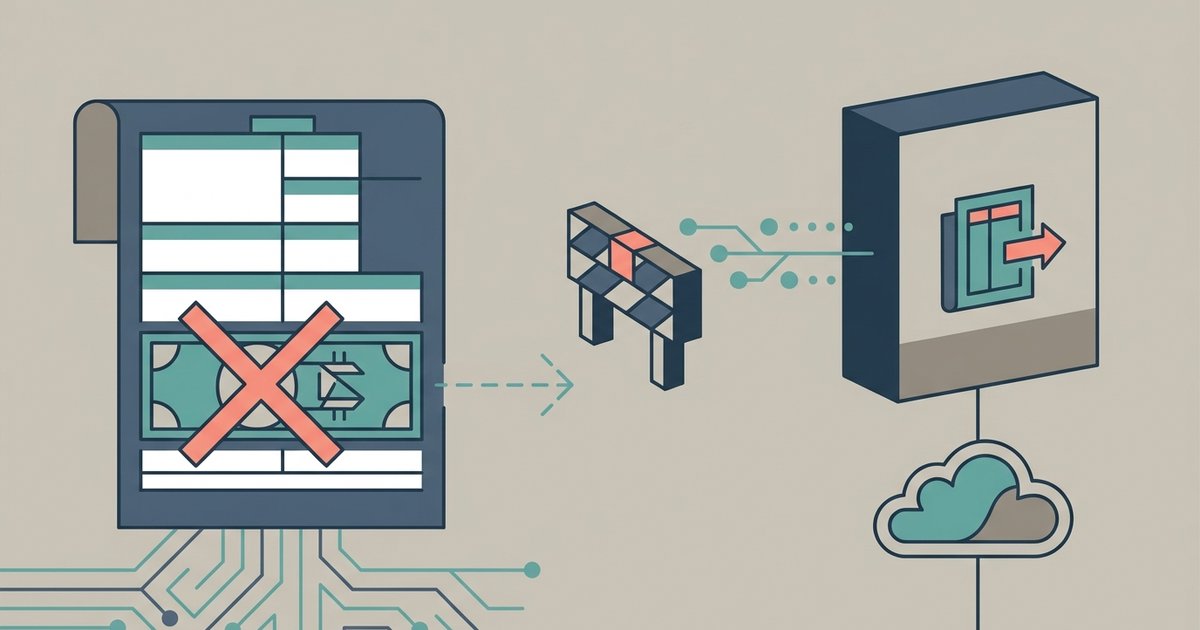
For tax form accuracy, you need to prevent QuickBooks Desktop from automatically lumping non-wage payments into 1099-NEC boxes. This happens when a vendor is marked as a 1099 vendor and the transaction uses an expense category that QuickBooks maps to box 1. Instead, assign the transaction to a non-1099 posting, or go to the vendor's record and clear the "Vendor eligible for 1099" checkbox. If you have already posted payments to the wrong category, edit each transaction and change the account field to one that is not mapped to 1099-NEC. After correcting the assignments, run the 1099 Review report to confirm no non-wage amounts remain in the box. Only QuickBooks Desktop requires you to manually clear a vendor-level checkbox to stop automatic 1099-NEC mapping.