QuickBooks Desktop does not automatically assign a hidden default ledger; if you never set one, the customer or vendor record simply stores a blank default account, forcing the system to prompt you to choose an account each time you create a transaction.
Why the quickbooks default ledger is blank
When you open a customer or vendor record in QuickBooks Desktop and leave the "Account" field empty, the software stores a null value, not a placeholder like "Uncategorized Income" or "Uncategorized Expense." This null triggers a mandatory prompt every time you create an invoice, receive payment, write a check, or enter a bill for that entity. The prompt says something like "You haven't selected an account for this customer. Please choose one now." Until you pick a destination, QuickBooks Desktop will not complete the transaction. The term you might encounter when troubleshooting this behavior is "revert," which refers to undoing a previous default assignment back to this blank state, effectively clearing the stored posting target so the prompt returns. No hidden ledger catches transactions when the default is blank; the system forces explicit action from you.
Where unexpected postings actually come from
Despite the blank default, transactions often land in ledgers nobody intended. The most common cause is an accidental default set during data import. When you use the feature to "import credit card transactions into quickbooks desktop," the import wizard may ask you to map each credit card to a QuickBooks income or expense destination. If you map a vendor's transactions to, say, "Office Supplies" during the import, QuickBooks Desktop saves that mapping as the vendor's default expense posting target. Subsequent checks or bills for that vendor then automatically land in Office Supplies without prompting. Another scenario occurs when you click through the prompt too quickly and select the wrong entry from the dropdown, then click "Save", that selection becomes the permanent default. Finally, if you ever edited the vendor record's "Account" field on the Additional Info tab or the customer's Payment Settings tab and set a destination, that choice will silently direct all future transactions. No system default exists; the posting target you see is one you inadvertently set.
Verifying what a customer or vendor actually has on file
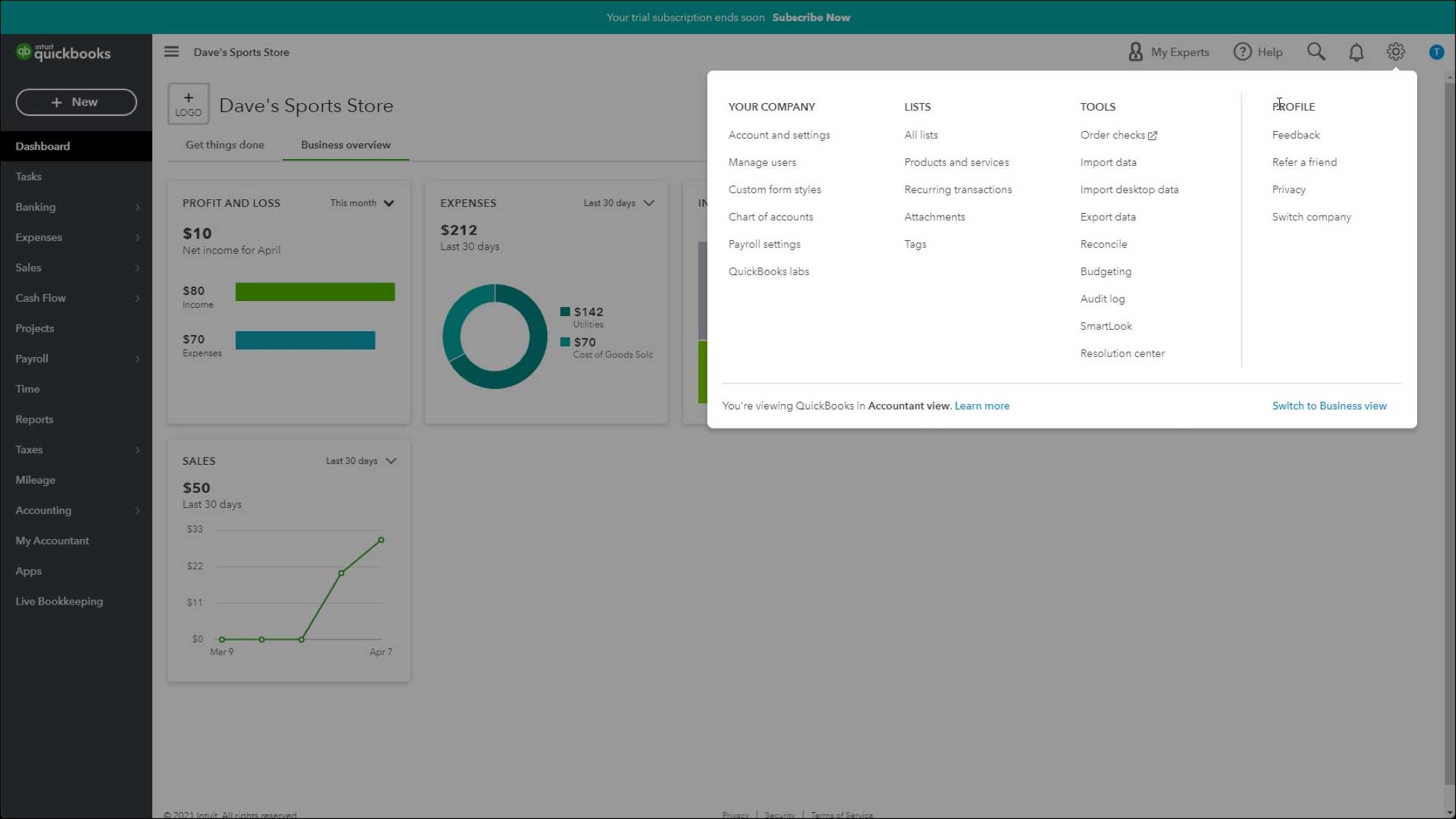
To confirm whether a customer or vendor has a blank default or an unintended posting destination, open the record directly. For a customer, go to the Customer Center, double-click the customer name, then locate the tab or field where the default account is stored. Look at the field labeled "Account", if it is empty, no default exists. If it shows a posting target, that destination will be used for all new invoices and payments. For a vendor, open the Vendor Center, double-click the vendor, then locate the tab or field where the default expense account is stored. The field "Expense Account" shows the default. If it is blank, you will get the prompt each time. If it shows a destination, that is the current default. To clear an unwanted default, delete the entry from the field and click "OK." This returns the record to a blank state, restoring the prompt. For help locating the tab or field itself, the article "settings in quickbooks desktop" explains how to navigate to the Edit window for any record. Always verify the record before assuming QuickBooks Desktop used a hidden ledger, it never does.
QuickBooks Desktop never silently posts to a fallback ledger; every transaction destination traces back to a choice you made, whether you remember making it or not. For a deeper look at how these choices shape your data, explore the broader topic of QuickBooks Desktop: Settings and Transactions, where your QuickBooks Desktop settings govern every financial move.