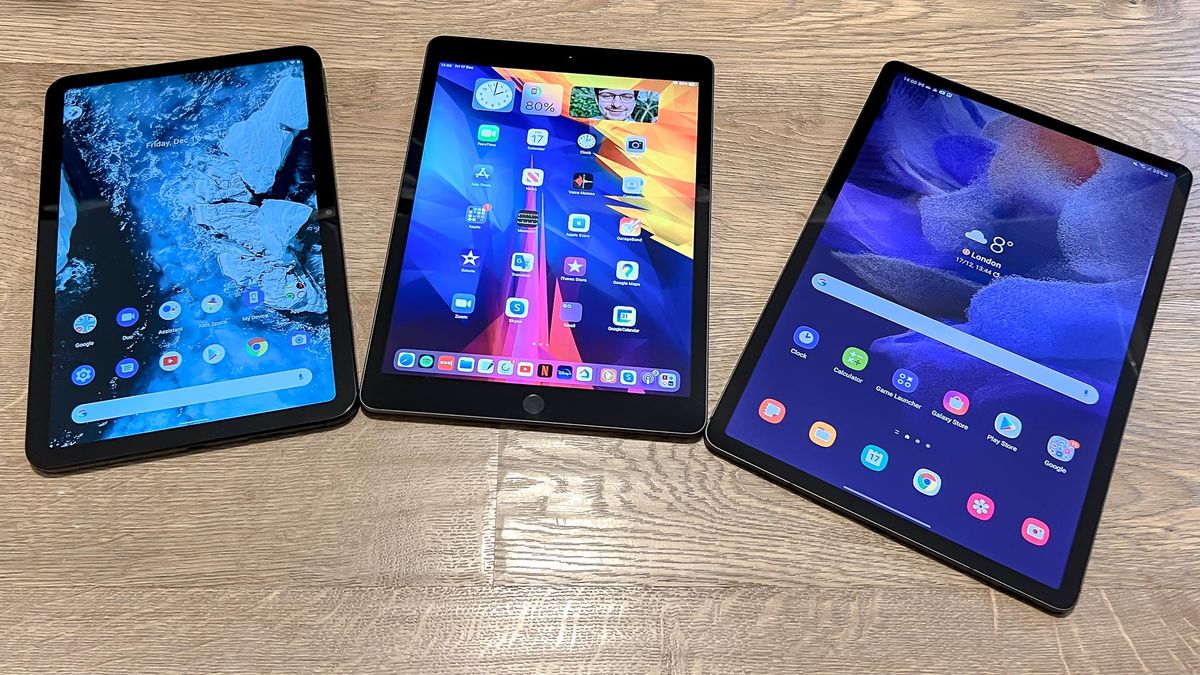
To switch users on Android tablet, you can move between profiles in just a few taps from the Quick Settings panel, the lock screen, or the Settings app. Android tablets support multiple user profiles, so each person gets their own home screen, apps, and settings on a shared device. Below are the three quickest ways to switch users on your Android tablet, plus how to add and manage profiles for family or work separation.
Before you start: Add a new user profile
Before you can switch between accounts, you need at least two profiles set up. The device owner (the first account) adds new users from the system settings. On most Android tablets, open Settings > System > Multiple users, then tap Add user and follow the on-screen prompts. On Samsung Galaxy tablets, go to Settings > Accounts and backup > Users, then tap Add user or profile and choose User.
You’ll need to set up a screen lock (PIN, pattern, or password) for the administrator account if you haven’t already, this is required before adding new users. The new profile will then go through a short setup process similar to a fresh Android device, including signing in to a Google account and choosing a lock screen for that user.
Method 1: Switch users from the Quick Settings panel
The fastest way to switch users on an Android tablet is from the Quick Settings panel, no need to unlock first. Swipe down from the top of the screen once or twice (depending on your device) to reveal the full Quick Settings. Look for the person-shaped user icon, usually near the top-right corner, and tap it. This opens a list of all profiles on the tablet; tap the one you want to switch to. The tablet will load that user’s home screen and apps within a few seconds. This method is ideal for quick handoffs, like letting a family member jump in for a game or a video call.
Method 2: Switch users from the lock screen
You can also switch users directly from the lock screen without unlocking the current profile. Wake the tablet by pressing the power button, then look for the profile icon in the top-right corner of the lock screen. Tap it, and you’ll see all available user profiles. Select the one you want, and the tablet will prompt for that user’s PIN, pattern, or password if they have one set. This is handy when you’re handing the tablet to someone else and want to skip the current user’s unlock screen entirely. The lock screen switcher is a standard feature on most Android tablets, though the exact icon placement may vary slightly by manufacturer.
Method 3: Switch users through the Settings menu
If you prefer a more traditional route, the Settings menu gives you full control over user management. On most Android tablets, open Settings > System > Multiple users. You’ll see a list of all profiles; tap the one you want to switch to. On Samsung Galaxy tablets, the path is Settings > Accounts and backup > Users, then tap the profile you wish to open. This method also lets you manage user permissions, add or remove accounts, and adjust privacy settings, useful if you need to fine-tune what each profile can access. While it takes a few more taps than the Quick Settings panel, it’s the most thorough way to handle multi-user tasks.
Understanding guest mode and restricted profiles
Beyond standard user profiles, Android tablets offer two special account types. Guest mode creates a temporary profile with a clean, factory-default Android experience, ideal for lending your tablet to a visitor. After the guest finishes, you can wipe all their data in one tap, returning the tablet to its previous state. Restricted profiles are available specifically on tablets and let the owner limit which apps and content a user can access. This makes them perfect for children or for kiosk-style setups where you only want a few apps available. Both options live in the same user settings menu (Settings > System > Multiple users, or Settings > Accounts and backup > Users on Samsung).
Managing multiple users effectively
When you have several profiles, keep a few key facts in mind. The original owner (administrator) has full control over the device, including the ability to create, modify, or delete other accounts. Each additional profile consumes storage space on the tablet, apps, photos, and downloads add up quickly across multiple users. Background users may also be restricted: secondary profiles running in the background might not display the user interface or activate Bluetooth services, and the system may halt them to conserve memory. Multi-user support is standard on Android 5.0 (Lollipop) and newer, though some advanced features require Android 9 or later. Also, not all tablets support multiple users, manufacturers can limit the maximum number of profiles, typically between 2 and 10. If you’re using a Samsung Galaxy tablet, you can rest assured that multi-user accounts and guest mode are fully supported, as documented in official Samsung support materials.
\nRelated reading: How To Change Your Email Signature In Gmail, How To Find Keyboard On Android Tablet, and Why Is My Tablet Keyboard Split.