To setup Gmail on Android tablet, open the Gmail app, tap your profile picture, and choose “Add another account.” This guide shows you exactly how to add a Gmail or other email account to the Gmail app on your Android tablet, using only the verified steps that work.
How to setup Gmail on Android tablet by adding your Google account
The primary and most reliable method for adding your Gmail address is done entirely within the Gmail app. Start by locating the Gmail app on your tablet’s home screen or app drawer and tap to open it. If you are setting up Gmail for the first time, you will see a welcome screen; tap “Get started” to begin. For existing users, tap your profile picture in the top right corner of the screen. From the drop-down menu that appears, select “Add another account.” A new window will pop up listing different email providers; tap “Google” to proceed. The next screen will prompt you to enter your Gmail address or phone number. Type it in and tap “Next,” then enter your password and tap “Next” again. Follow the on-screen prompts to agree to Google’s terms and conditions, and choose your sync options. You can verify the setup was successful by checking that your inbox appears with your existing messages.
Adding a non-Gmail address like Outlook or Yahoo
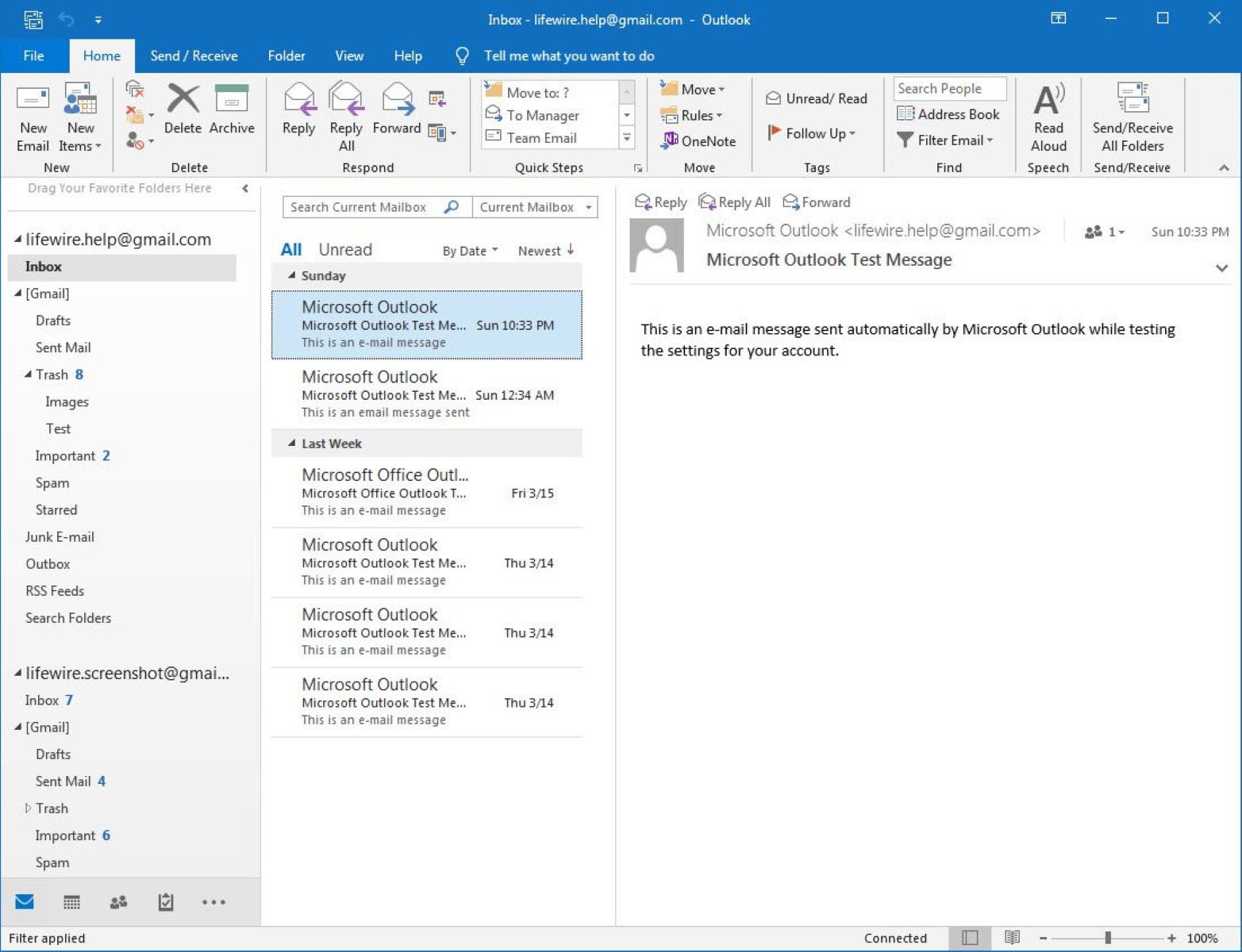
If you want to add a non-Gmail email account such as Outlook, Yahoo, or any other provider to the Gmail app, the process is just as straightforward. Open the Gmail app and tap your profile picture in the top right corner, then select “Add another account.” From the list of email providers, choose your specific provider, such as Outlook, Yahoo, or Hotmail, or tap “Other” if your provider isn’t listed. If prompted, choose “Personal (IMAP)” as the account type, which is the recommended option for most third-party accounts. The Gmail app will then attempt to configure the settings automatically. For unlisted email providers, you may need to manually enter the IMAP and SMTP server settings; these can usually be found on the provider’s website under their help or support section. Once you’ve entered all the required information, tap “Next,” and the app will verify your details and sync your inbox. You’ll know it’s done when you see your emails appear in the app, and you can switch between your Gmail and non-Gmail accounts by tapping your profile picture.
Troubleshooting common sync problems
Even with a smooth setup, you might occasionally run into sync issues with your Gmail app on Android tablet. Here are quick, actionable fixes to get things working again. If that doesn’t help, update the Gmail app to the latest version by going to the Google Play Store, searching for Gmail, and tapping “Update” if available. Check your internet connection by opening a web page or streaming a video; if you’re on Wi-Fi, try toggling it off and on, or switch to mobile data. Ensure you have sufficient device storage; if your tablet is low on space, delete unused apps or files. Finally, clear the Gmail app’s cache and data, which can resolve persistent issues without deleting your mail or signing you out, go to Settings > Apps > Gmail > Storage > Clear Cache, then Clear Data, and reopen the app.
A final tip for best performance
To keep your Gmail running smoothly on your Android tablet, it’s advisable to use the most recent version of Android on your device and regularly update the Gmail app. The Gmail app supports dynamic emails on Android devices running a minimum of Android 5.0 (Lollipop) with System WebView version 74 or later, but staying current with OS and app updates ensures optimal compatibility and prevents potential issues. To check for updates, go to Settings > System > Advanced > System update, and for the Gmail app, visit the Google Play Store and tap “Update” next to Gmail if needed. This simple habit will help you avoid sync errors and enjoy the latest features without interruption.
\nRelated reading: How To Change Your Email Signature In Gmail, How To Tell If Someone Read Your Email On Gmail, and How To Rotate Tablet Screen.