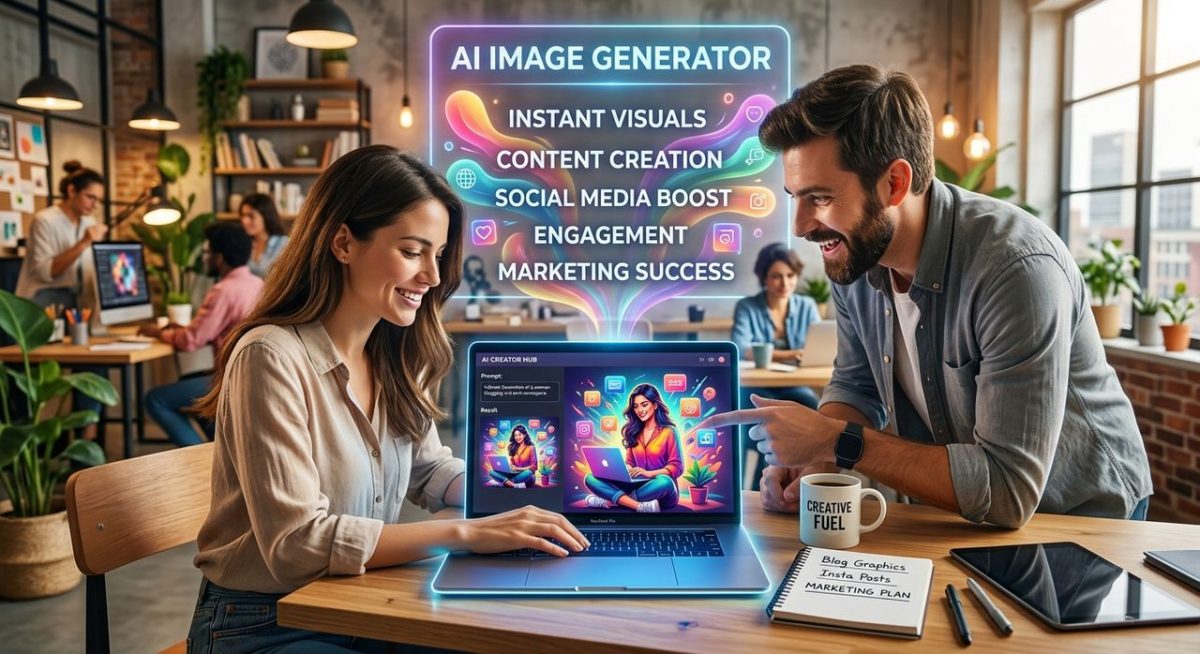
Three years ago, if you wanted a polished product photo for your blog or online store, you had two options: hire a photographer or spend weeks learning Photoshop. Both cost money most small creators do not have. That barrier has quietly collapsed. A new generation of browser-based AI tools now handles tasks that once required professional studios, expensive software licenses, and years of editing experience, and they do it in seconds.
Today’s AI image tools have reshaped what small creators can publish, at any budget.
– Ecommerce sellers and bloggers can generate studio-quality product images without owning a camera or paying for a shoot.
– Cluttered backgrounds that once required a Photoshop subscription can be stripped away in a single click.
– Low-resolution source images can be recovered and sharpened to meet the pixel demands of high-DPI screens and print.
Why Professional Visuals Used to Be Out of Reach
Photography has always had a cost problem for independent creators. A professional studio session can run hundreds of dollars per hour. Stock image licenses add up fast, especially when you need unique content that does not look recycled. And editing software, even subscription-based versions, assumes you already know what you are doing.
For a solo blogger writing about kitchen gadgets or a small Etsy seller listing handmade jewelry, the math never worked out. The people who most needed great visuals were the ones with the least budget to produce them.
The underlying technology behind today’s AI image tools draws on generative artificial intelligence, a field that has matured dramatically since 2020. Models trained on billions of images can now synthesize photorealistic results from simple text prompts or source photos, without any manual retouching by the user.
How Bloggers Are Using AI Image Tools Right Now
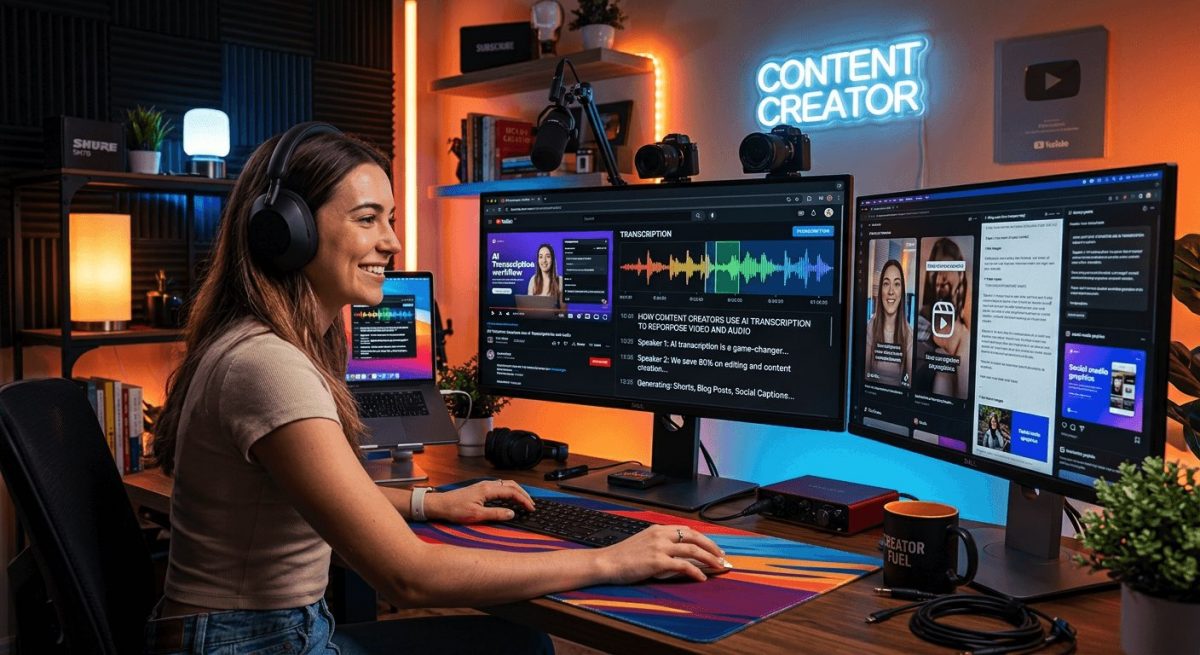
Content creators have been among the fastest adopters of browser-based AI tools, and for good reason. A food blogger needs a clean hero shot for every post. A tech reviewer needs product mockups to illustrate comparisons. A travel writer needs featured images that do not look like they came from a free stock site everyone has already seen.
The shift happened when tools moved from desktop software to the browser. No installation. No steep learning curve. Just upload a photo or enter a prompt, and the AI handles the rest.
For ecommerce sellers in particular, an AI product photo generator has become a practical alternative to booking studio time. You can input a basic snapshot of your product and receive a polished image set against a clean background that looks like it came from a brand shoot. For someone selling ten different candles or handcrafted bags on a marketplace, that change alone reshapes the entire launch process.
The Post-Shoot Editing Workflow Nobody Talks About
Getting the photo is only half the job. What happens after the shoot is where most amateur creators lose hours and, often, confidence.
The most common post-shoot problem is the background. A product photographed on a kitchen counter, a cluttered desk, or a bedspread does not look professional, even if the product itself is beautiful. For years, fixing this required Photoshop’s selection tools and a working knowledge of layer masks. Most small creators either gave up or posted the messy version.
Image segmentation technology, the computer vision process that identifies and separates objects in a photo, has been refined to the point where browser tools can perform it accurately in seconds. A reliable background remover now handles subjects with complex edges like hair, fur, or intricate jewelry without leaving jagged artifacts around the cutout. The result is a transparent PNG you can drop onto any background you choose.
This has changed the workflow for product marketers who source images from suppliers. Factory photos often arrive with distracting backgrounds, watermarks, or mixed lighting. Rather than requesting new assets, marketers can strip and replace backgrounds themselves, then reuse the cleaned image across multiple platforms without any additional cost.
What to Do With Low-Resolution Source Photos
Not every source image starts in good shape. Phone cameras have improved, but older product photos, supplier images, and screenshots often arrive at resolutions that look fine on a small screen but fall apart on a retina display or in print.
This is where an AI image upscaler earns its place in the workflow. AI-powered upscaling does not just stretch pixels the way traditional resizing does. It uses neural networks to synthesize the detail that should be present, producing a sharper, higher-resolution output that holds up at larger sizes.
For a marketer who receives a 600-pixel product photo from a supplier and needs it to fill a banner at 2400 pixels wide, that is the difference between publishing on schedule and delaying the campaign. For a blogger migrating old posts to a redesigned site with larger featured image slots, it means the back catalog does not have to look blurry next to newer content.
Old Workflow vs. AI-Assisted Workflow: Side by Side
| Task | Traditional Workflow | AI-Assisted Workflow |
|---|---|---|
| Product photography | Hire photographer or rent studio | Generate from prompt or source photo |
| Background removal | Photoshop selection tools, manual masking | One-click browser tool |
| Low-res image recovery | Accept quality loss or reshoot | AI upscaling in seconds |
| Time per image | Hours to days | Minutes |
| Cost per image | High (software, labor, studio) | Low to zero |
Five Types of Content Creators Who Benefit Most
The tools described above are not niche. They apply across a wide range of creator types. Here is a practical breakdown of who gains the most from adopting them:
- Ecommerce sellers on marketplaces who need consistent, clean product images but cannot afford repeated studio sessions throughout the year.
- Affiliate bloggers who review products they do not own and need mockup visuals that match their written content without sourcing from press kits.
- Social media managers who produce high volumes of visual content and need to maintain brand consistency without a full design team on retainer.
- Newsletter writers who embed original images in each issue and want visuals that do not look borrowed or generic from overused stock libraries.
- Freelance content creators pitching to clients who need polished visual portfolios but cannot absorb production costs before they have signed contracts.
What These Tools Still Cannot Do
It would be misleading to say AI image tools replace every aspect of professional photography. They do not. A product that requires tactile detail, such as textured leather or handwoven fabric, still photographs better in controlled studio lighting with a skilled photographer who understands how materials behave under specific conditions.
Emotional, human storytelling photography, the kind that shows real people using a product in authentic moments, is still better captured by a camera and a photographer who can direct a scene. AI tools are also not ideal when a brand needs imagery that reflects a very specific visual identity established over years of deliberate investment.
The honest position is that AI tools fill the gap for creators who have been producing nothing, or producing low-quality visuals, because the barrier was simply too high. They are a pragmatic upgrade from that status quo, not a replacement for high-end creative work when that work genuinely matters.
Where the Cost Barrier Actually Disappeared
The real story here is not that AI got better at generating images. It is that the tools became free, or nearly free, and browser-based. That combination removed two distinct barriers at once: cost and technical complexity.
A blogger who would have spent three hours watching Photoshop tutorials can now remove a background in thirty seconds. A seller who would have paid for a studio session can generate images that compete with those shots directly in a browser tab. The skills that used to determine who could publish professional-looking content have shifted. It is no longer about who owns the best software or who can afford the best photographer. It is about who knows these tools exist.
AI Visuals Are Now a Publishing Standard, Not a Luxury
The wider market has shifted. Readers and shoppers have seen enough polished visuals that low-quality images now read as a trust signal problem. A blurry product photo or a cluttered background does not just look bad, it costs conversions. Marketplaces know this, which is why many now enforce minimum image quality standards for listings.
For bloggers and marketers working without a production budget, AI image tools have quietly become the infrastructure that makes publishing at a professional standard possible. The barrier was never about creative talent. It was about access. That access is now available in any browser, on any device, without a subscription or a design degree to your name.