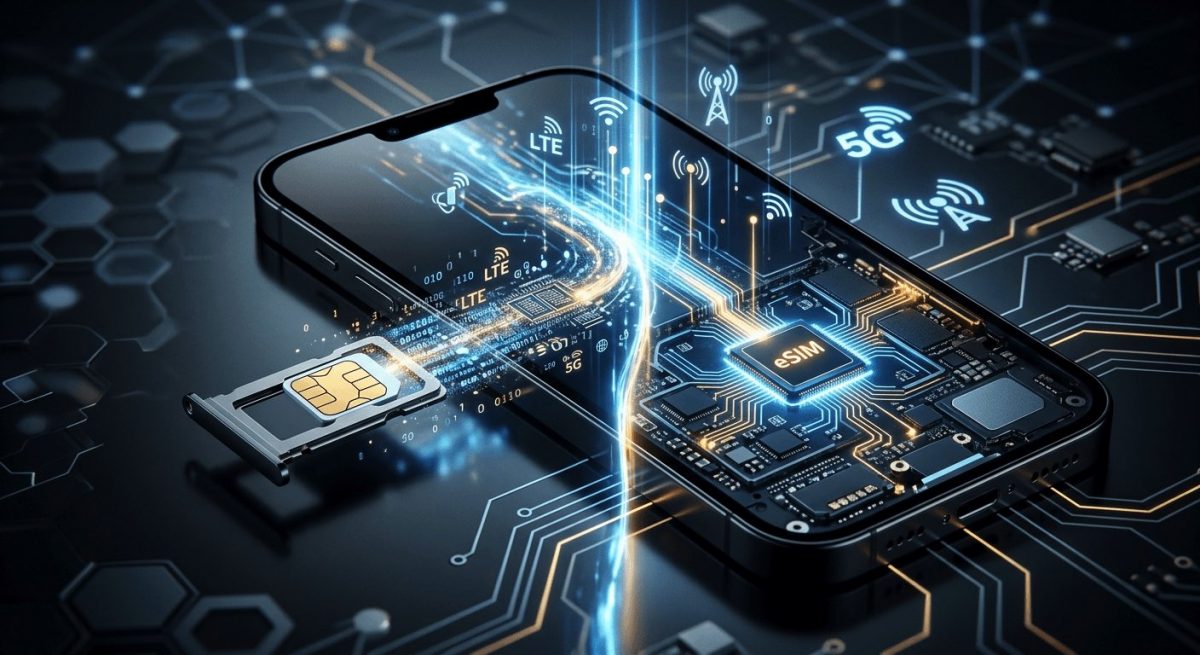
Your next phone might not have a SIM card slot. That’s not speculation anymore. Apple shipped US iPhone 14 models without a physical SIM tray at all, and Samsung and Google have been aggressively trimming trays from their flagship lines ever since. The shift happening right now is one of the biggest hardware changes in smartphone design in years, and most people don’t fully understand why manufacturers are so eager to move on.
Key Takeaway: Major smartphone manufacturers including Apple, Samsung, and Google are replacing physical SIM trays with embedded SIMs, driven by hardware design advantages including space savings, better water resistance, and simpler manufacturing. The switch also gives consumers more flexibility to change carriers digitally, though it requires carrier support and a compatible handset before you can make the jump.
The SIM Card Had a Good Run
The SIM card has been a fixture of mobile connectivity since the early 1990s. What started as a credit-card-sized chip gradually shrank through Mini-SIM, Micro-SIM, and Nano-SIM formats over the decades. Each generation got smaller, but the basic concept stayed the same: a removable, physical chip that identifies your device on a carrier’s network.
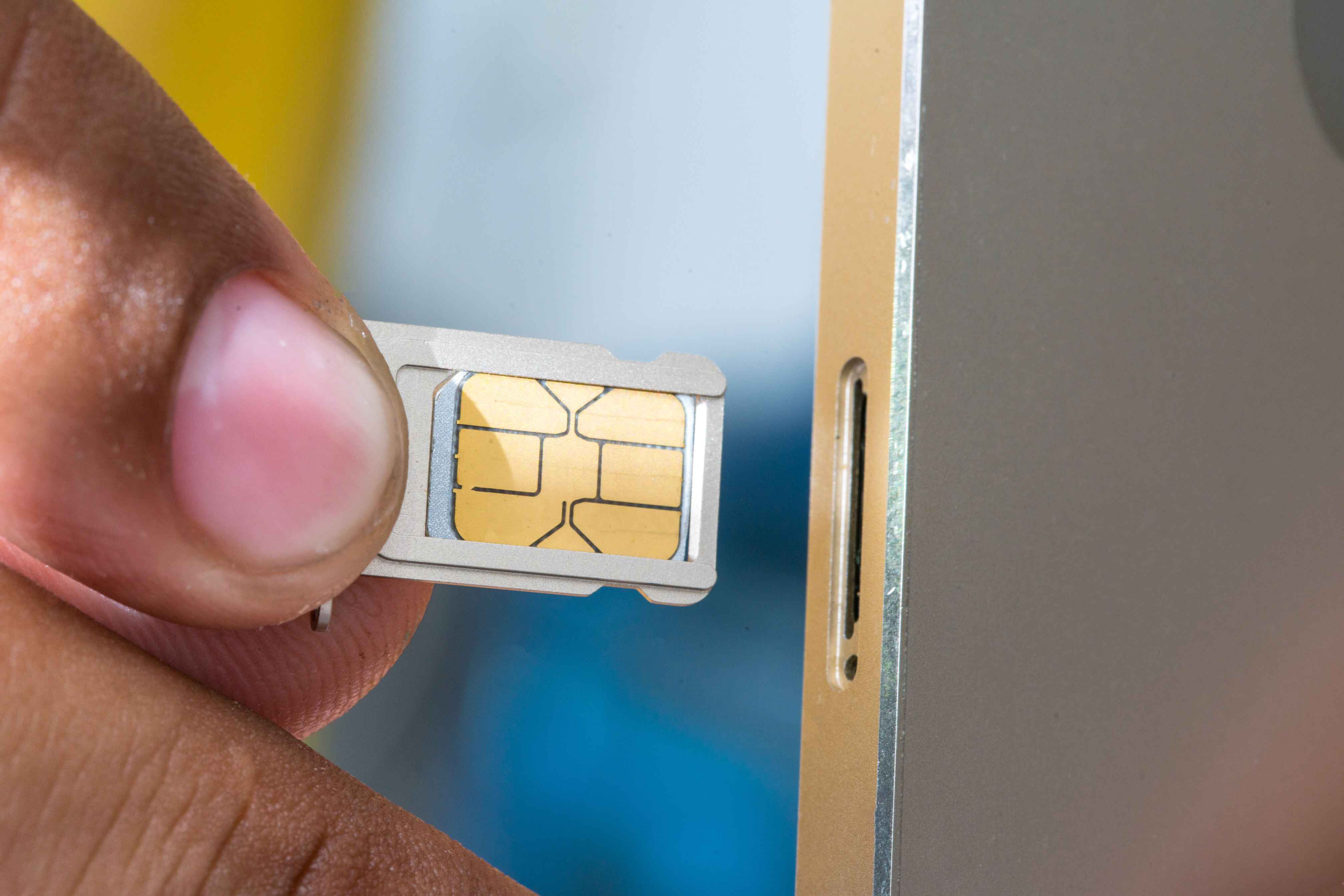
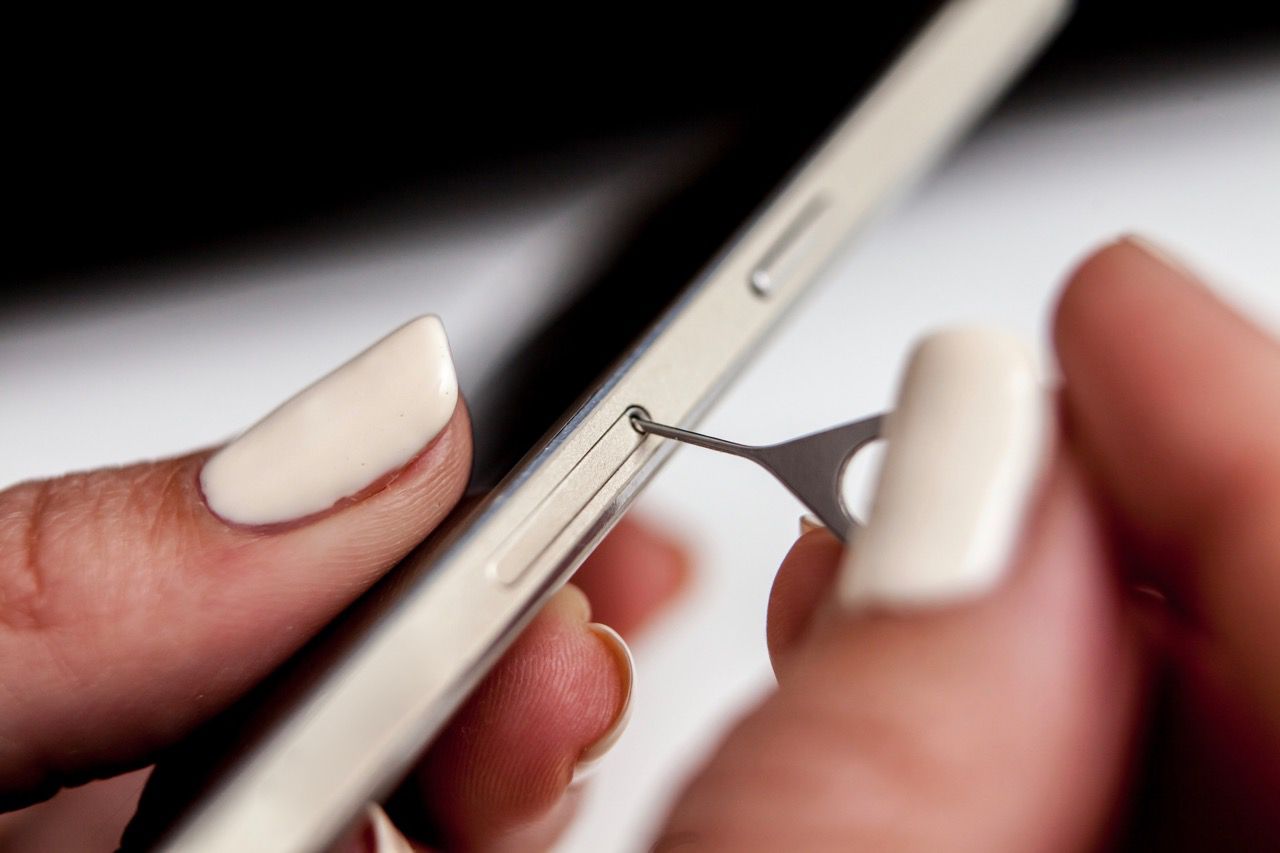
The tray that holds that chip requires a slot cut into the phone’s chassis, a small spring-loaded mechanism, a tray made of metal or plastic, and clearance inside the device. That’s a meaningful chunk of real estate in a product where every cubic millimeter matters. Engineers have long wanted to reclaim it.
What an eSIM Actually Is
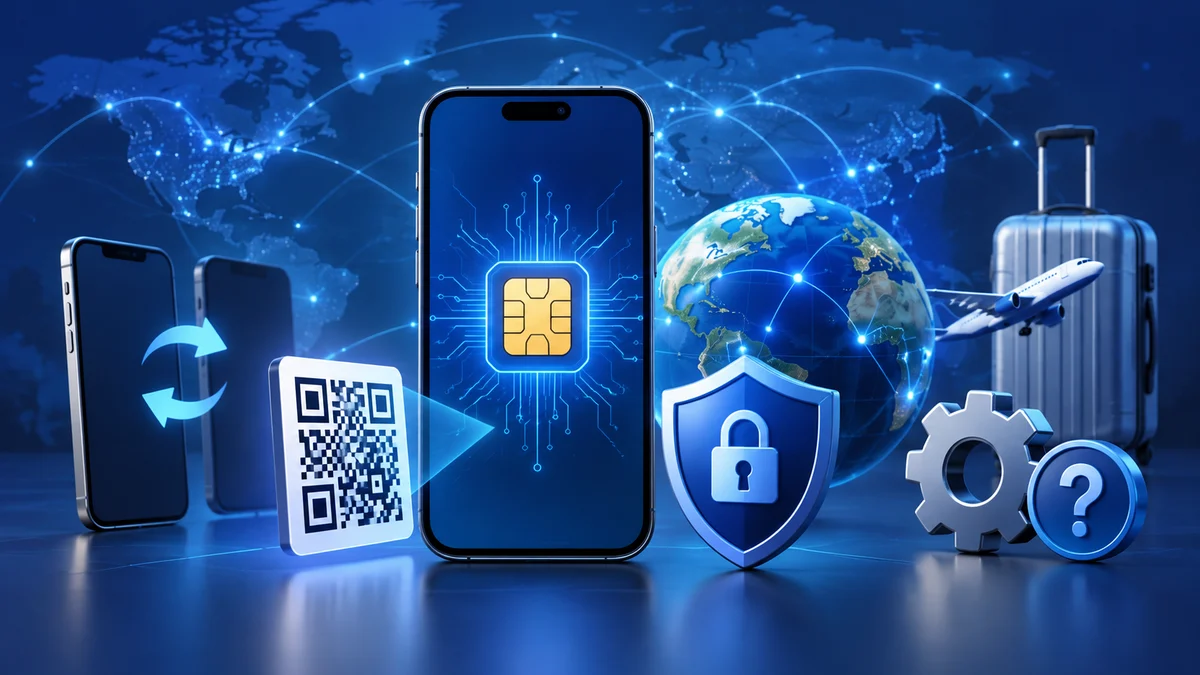
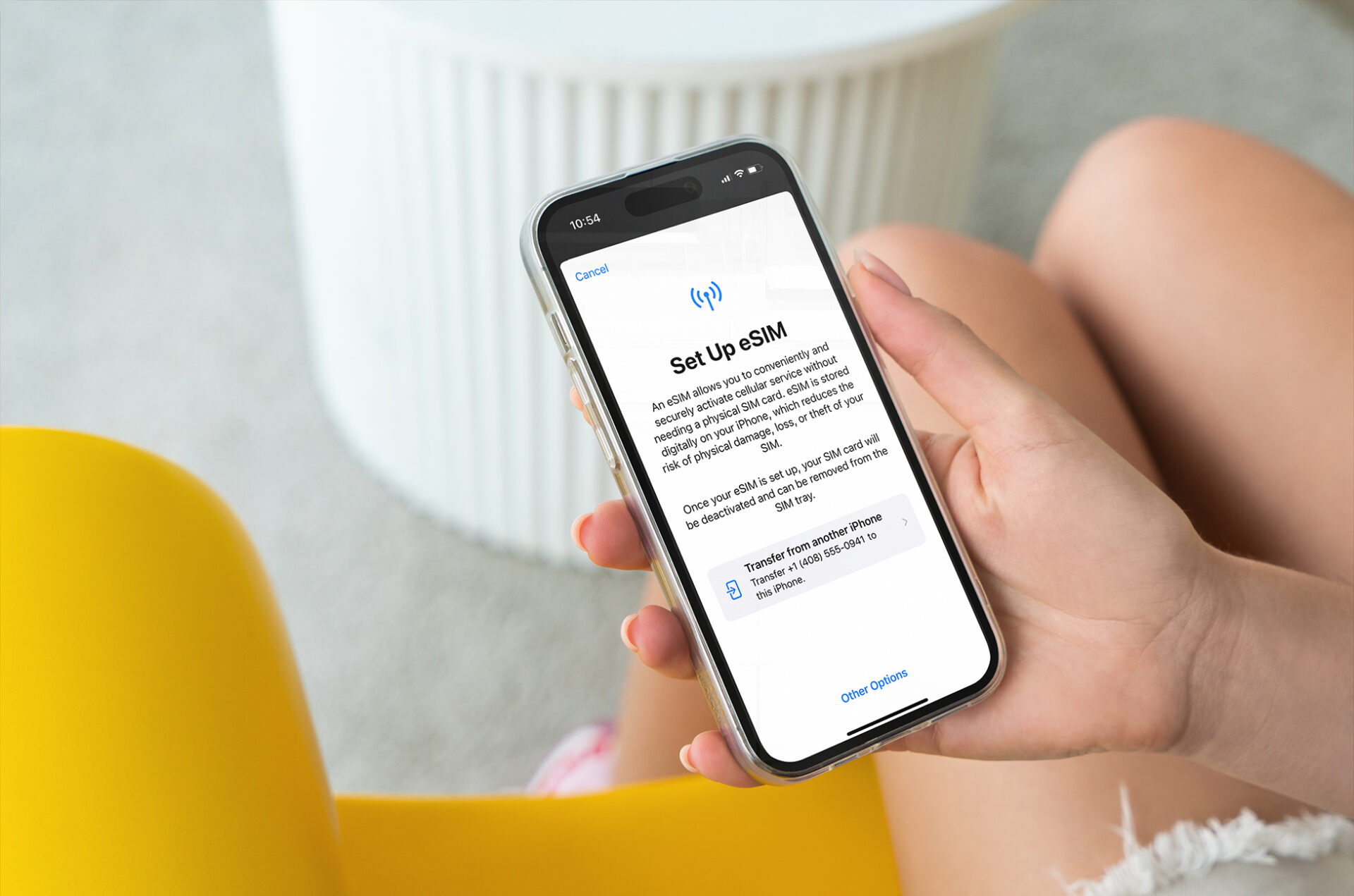
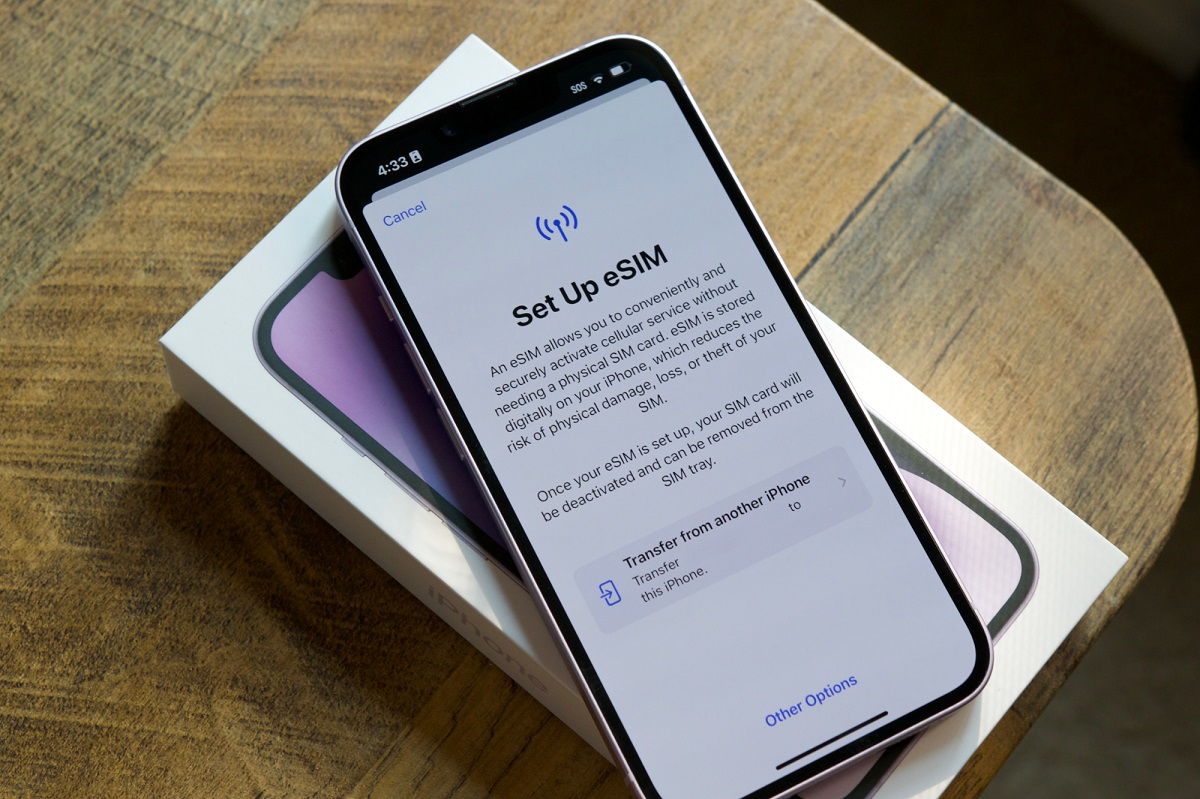
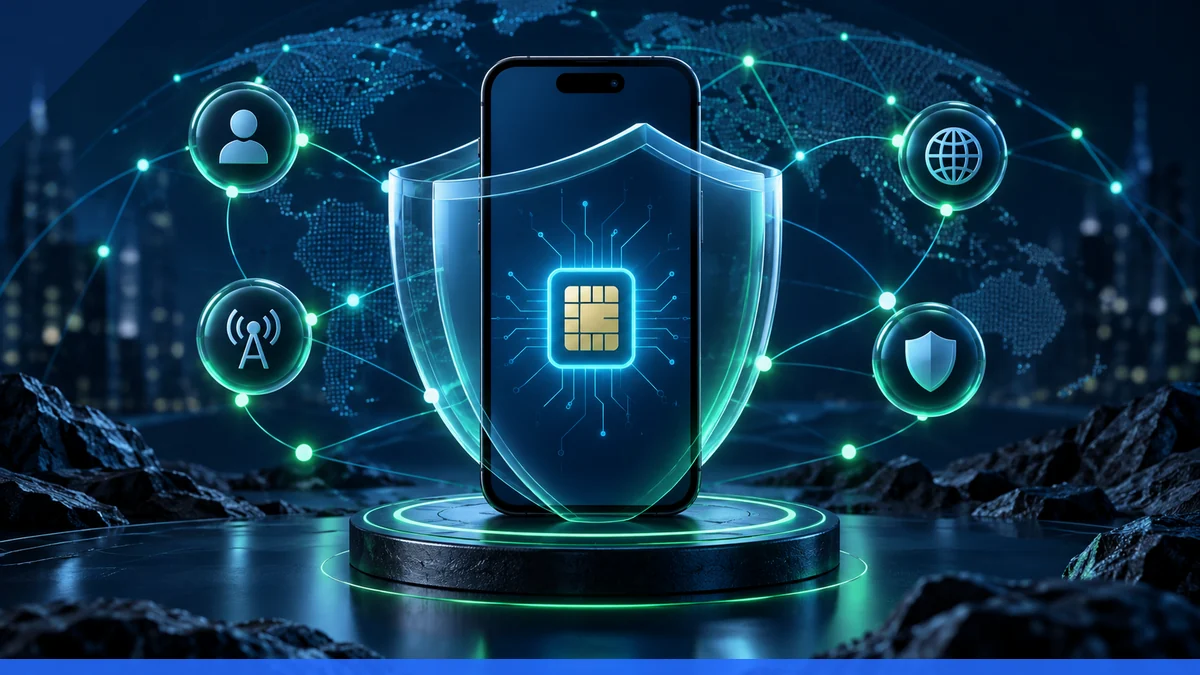
An eSIM, or embedded SIM, is a small chip soldered directly onto the phone’s motherboard during manufacturing. There’s no tray, no card, and nothing to lose at the airport. The GSMA, the industry body responsible for global eSIM standards, defines how carriers provision and manage these embedded chips remotely. That means you can activate a plan, switch carriers, or add a travel SIM entirely through software.
That’s the core change. What was once a physical object you swapped by hand is now a software operation handled through a carrier app or a QR code scan.
The Hardware Case for Going Trayless
The engineering arguments for eSIM are straightforward once you look at what the SIM tray actually costs in terms of design.
- Removing the tray reclaims internal volume that can go toward a larger battery, better cooling, or a slimmer body profile
- Eliminating the slot opening in the chassis improves water and dust resistance, making it easier to achieve higher IP ratings without additional sealing complexity
Those two points alone explain a lot of the manufacturer’s enthusiasm. A higher IP rating is a genuine selling point. A bigger battery is an even bigger one. And a thinner chassis is something design teams have been chasing for decades.
Beyond space and sealing, there’s a manufacturing angle too. Fewer physical components means fewer assembly steps, fewer potential failure points, and simplified quality control on the production line. At scale, that adds up.
How eSIM and Physical SIM Actually Differ
The functional gap between the two formats is smaller than most people expect. Both authenticate your device on a carrier’s network and enable calls, texts, and data. The differences are largely about how you manage your connection.
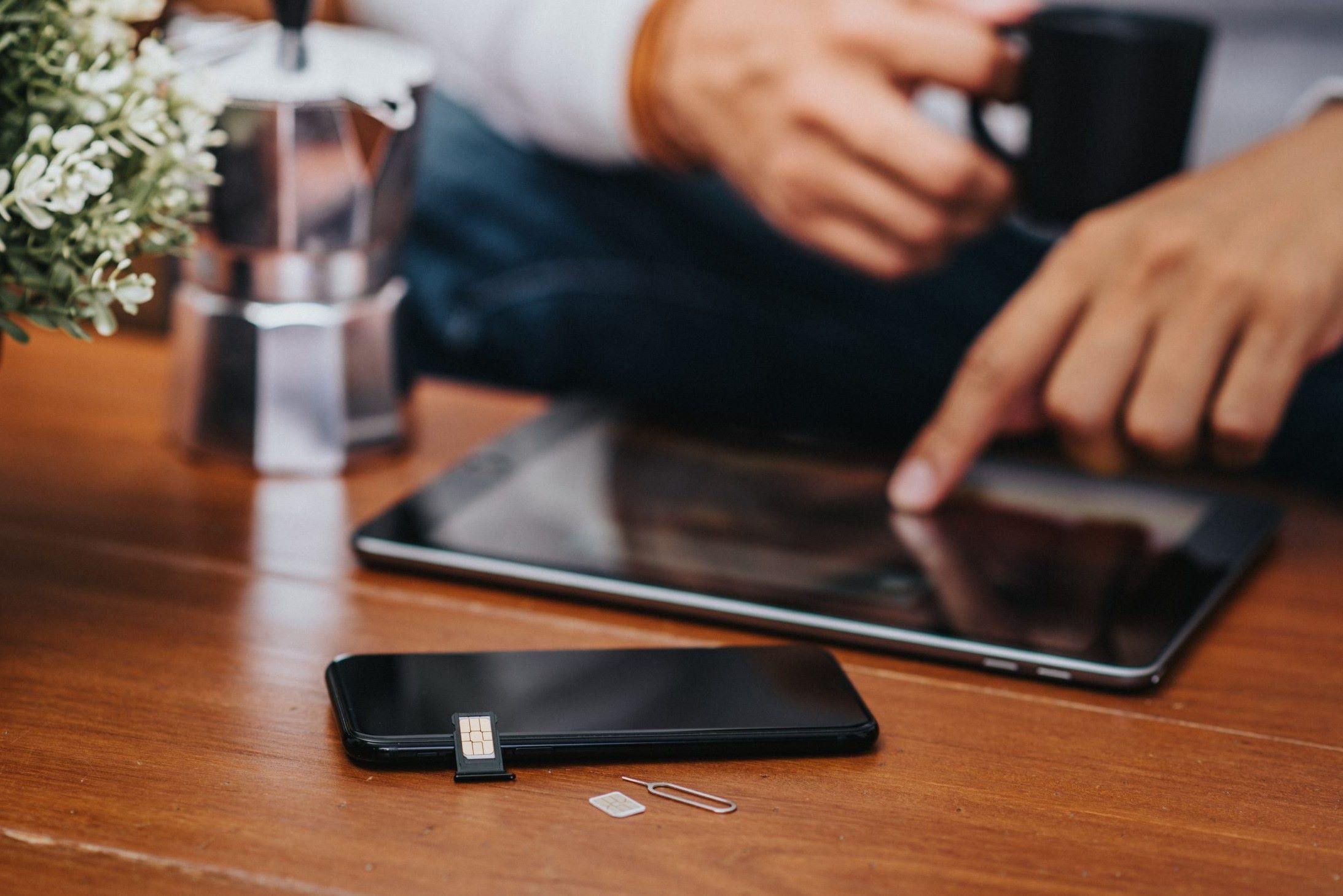
A detailed breakdown of eSIM vs SIM shows that an eSIM lets you store multiple carrier profiles on a single chip and switch between them digitally, which is useful for travel, separating work and personal lines, or testing a new carrier without fully committing. Physical SIMs require you to obtain a new card from a carrier, physically install it, and store or recycle the old one.
For most everyday users, the biggest practical difference is the activation process. With an eSIM, you scan a QR code or tap through an app. With a physical SIM, you wait for a card to arrive or visit a store in person.
Why Apple Moved First
Apple’s decision to go fully eSIM-only in the US with iPhone 14 was a calculated move. The company had been testing dual SIM setups, with one physical and one eSIM slot, since the iPhone XS. By 2022, it had enough carrier support in the US market to pull the tray entirely.
The Verge reported that Apple’s trayless pivot caught some carriers off guard but was ultimately driven by consumer research showing that most US buyers never swapped SIM cards manually. The tray was, for most users, a feature they never touched.
Apple also benefits from tight control over its supply chain and carrier relationships, which made negotiating eSIM support across major US carriers easier than it might be for manufacturers with less leverage.
Samsung and Google Are Following the Same Path
Samsung and Google have taken a more cautious approach, keeping physical SIM slots in many global markets where carrier eSIM support is still inconsistent. But their flagship lines tell a clear directional story.
Google Pixel 7 and later models support eSIM as the primary connectivity option in key markets. Samsung’s Galaxy S series has offered dual SIM plus eSIM configurations that signal where the company is heading, even if full tray removal hasn’t happened globally yet.
Tech writers and analysts tracking smartphone hardware shifts have noted a consistent pattern: physical trays are being positioned as a regional accommodation, not a permanent feature of modern flagship phones.
What This Means for Switching Carriers
One of the most consumer-friendly arguments for eSIM is how much easier it makes changing carriers. In markets with strong eSIM support, you can switch your provider in minutes without visiting a store or waiting for a card to arrive by mail.
That said, eSIM availability varies significantly by carrier and region. Before committing to a new plan or choosing a phone without a physical SIM slot, many asks “is my phone unlocked” with your target carrier is a practical step that can save real frustration down the road.
The activation process also varies. Some carriers use QR codes. Others use apps. A few still require a brief call to customer service. It’s smoother than it used to be, but it isn’t completely frictionless everywhere just yet.
Where the Friction Still Lives
The eSIM transition has real complications, and it’s worth being clear-eyed about them.
- International travelers in regions with limited eSIM carrier support may still find physical SIMs more practical for local data plans, since prepaid eSIM options aren’t universal
- Older devices, budget phones, and many Android handsets in emerging markets still ship with physical SIM trays because the infrastructure for digital provisioning isn’t consistent enough to support a full switch
These friction points are shrinking every year as more carriers add eSIM support and more handsets ship with it as standard. But they haven’t disappeared yet, and for some users in some markets, the physical SIM card remains the more practical option.
The SIM Tray Is Phasing Out, Not Disappearing Overnight
The trajectory is clear. Apple has already committed to eSIM-only in its most important market. Samsung and Google are moving in the same direction. Chipset manufacturers are making eSIM support easier and cheaper to implement, which means the technology will filter down to mid-range phones faster than many people expect.
The physical SIM card lasted over three decades in mobile phones, surviving format changes and network generations from 2G through 5G. The eSIM doesn’t replace what the SIM did. It moves the function off a removable card and into the chip already on the board, letting manufacturers build phones that are thinner, more waterproof, and slightly simpler to produce.
For consumers, the change mostly shows up as a different activation experience, more flexibility on carrier switching, and phones with one fewer hole in the side. That last part, it turns out, matters a lot more to engineers than most of us expected.
More eSIM resources: Browse our eSIM guides and troubleshooting resources for compatibility, setup, travel-data and account-safety advice.