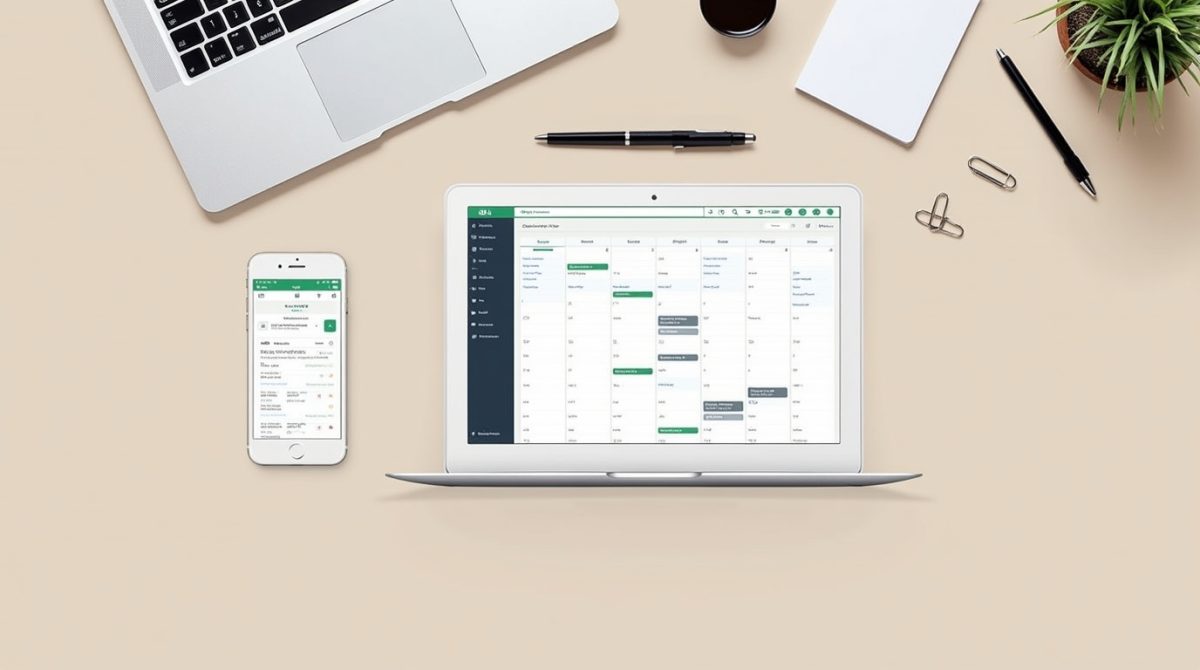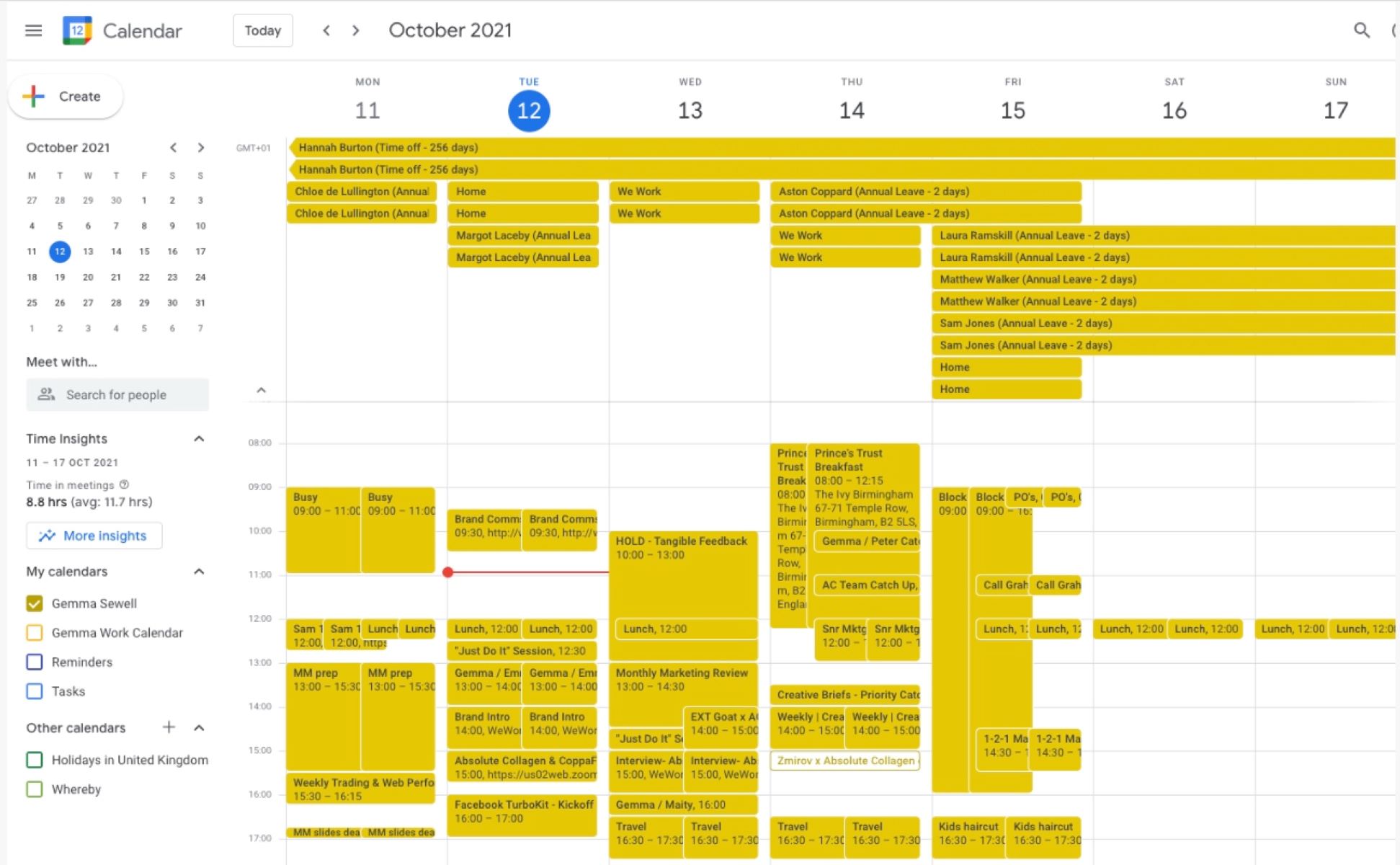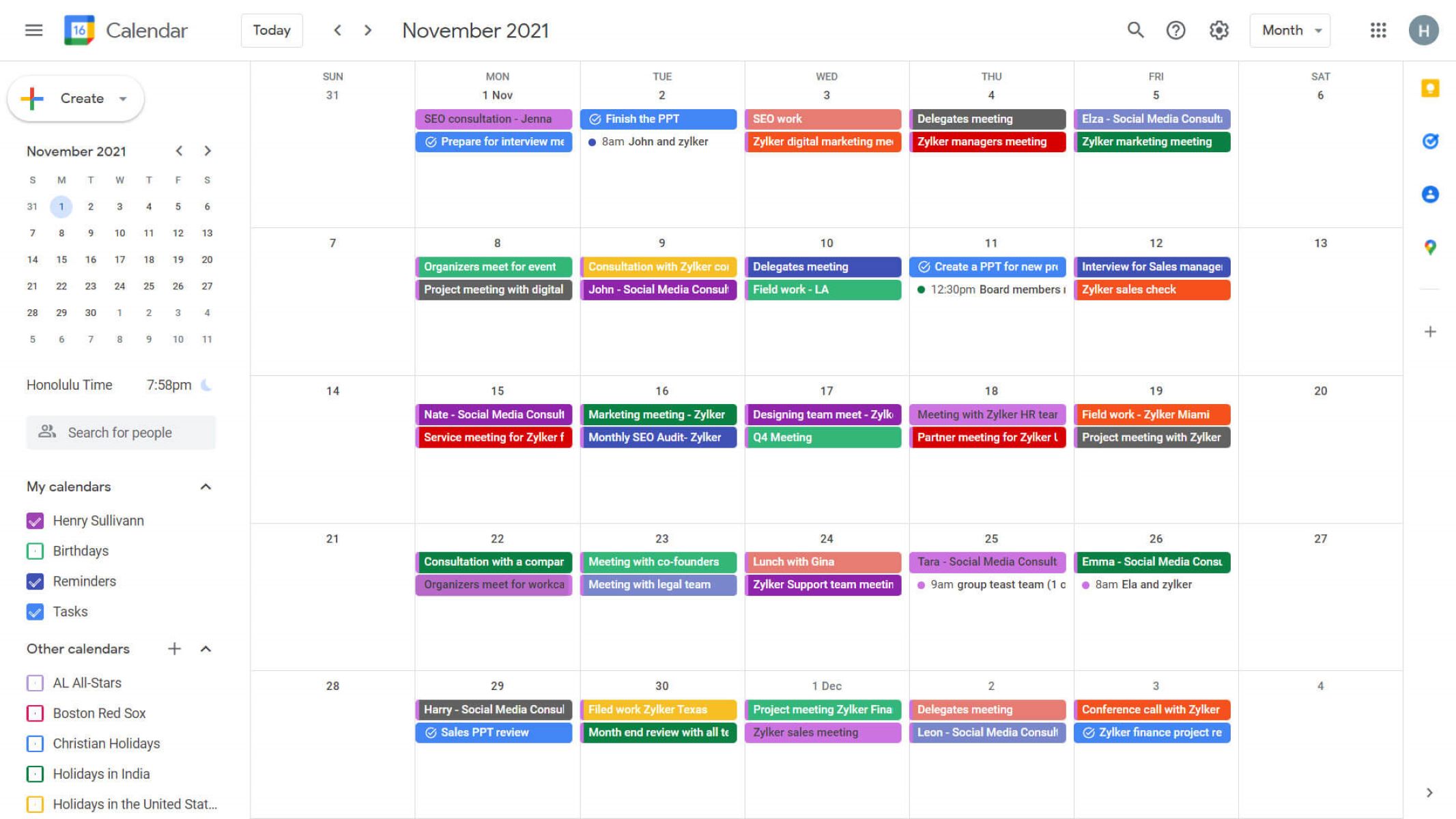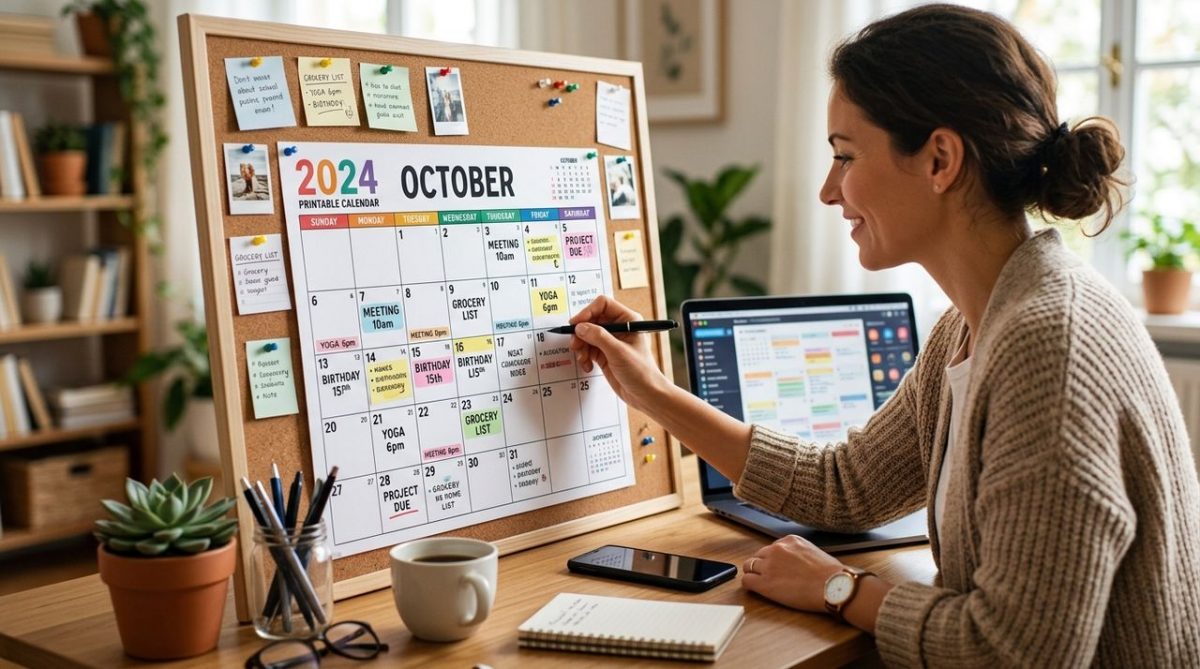
Your phone has a calendar. Your laptop has one too. There is probably a shared calendar on your work account, and another inside that productivity app you downloaded three months ago and barely touched. So why are people still printing paper calendars and taping them to walls?
The answer is not nostalgia. It is a deliberate choice about where your attention goes.
Paper planners are a focus tool, not a throwback, and the science behind handwriting gives a clear reason to choose them over yet another app.
– Writing by hand activates deeper cognitive processing in the brain, making appointments and goals easier to remember.
– A physical calendar removes the notification layer that makes digital tools so persistently disruptive.
– Structured paper layouts give visual thinkers a clear map of their week without the complexity of any app.
What the Research Actually Says About Handwriting
This is not a “screens are bad” argument. It is about how the brain handles information differently depending on the input method.
Studies have shown for years that writing by hand engages the brain more actively than typing. A widely cited finding from Princeton and UCLA researchers found that students who took notes longhand understood concepts more deeply than those who typed, even when the typists recorded more words. The act of slowing down to write forces the brain to summarize and process, rather than transcribe mechanically.
The same principle applies to planning. When you write a task or appointment into a paper calendar, you are not just logging it. You are rehearsing it. The physical act of writing creates a stronger memory trace than tapping a few keys and moving on.
Research into attentional control also supports this idea. Our ability to focus is not unlimited. It gets depleted by constant switching between tasks, apps, and notifications. Every time you open a digital calendar, you also open a door to everything else on that device.
The Notification Problem Is Real
Tech people understand this better than most. They build the systems. They know what happens inside the apps.
Every digital productivity tool is competing for your attention. Calendar apps send reminders. They sync across devices, pinging on your phone, your laptop, and your watch simultaneously. They suggest smart scheduling based on your habits. They connect to email, meetings, and contacts.
This connectivity is genuinely useful in some situations. But it also means opening your calendar can become a ten-minute detour through notifications, emails, and pop-ups before you ever see what you actually opened the app to check.
A printed calendar does exactly one thing. It shows you your schedule. No interruptions. No upsells. No AI suggestions.
Why Tech-Curious People Are Choosing Paper
There is an irony worth naming here. The people most likely to appreciate a printable calendar are often the ones who understand digital tools the best. When you spend all day working with apps, you know exactly how much attention they consume. Choosing paper is not ignorance of the alternative. It is a conscious opt-out.
This is sometimes called intentional friction, the idea that adding a small physical step, like printing and filling in a calendar, makes the act of planning more deliberate and more effective. You are not just organizing your schedule. You are committing to it.
How a Structured Weekly Layout Changes Everything
Not all paper calendars are equal. A monthly view gives you the big picture, but it can feel overwhelming. A daily planner is too narrow for anyone managing multiple projects or roles. The weekly format sits in a useful middle ground.
A weekly planner gives you enough space to map out your goals across five or seven days while keeping everything visible at once. For people who find digital apps either too cluttered or too rigid, this layout is a practical starting point worth trying immediately.
The visual layout matters more than people realize. When all seven days sit on a single sheet in front of you, patterns become obvious. You can see immediately when you have overloaded Tuesday, or when Friday has nothing blocked for the deep work you keep putting off. That spatial awareness is harder to get from a scrolling app interface.
This layout is especially useful for people who:
- Work across multiple projects with different rhythms and deadlines
- Find themselves forgetting appointments they added digitally
- Prefer analog inputs during creative or strategic thinking sessions
- Want a planning ritual that does not require a device to be useful
Printing Is Not the Friction You Think It Is
One common pushback is that printing adds a step, and steps are friction. But consider how much friction already exists inside digital calendars. You open the app, wait for sync, deal with a notification, dismiss a suggested event, and then finally add what you actually came to add.
Printing a weekly template takes less than two minutes. You do one print run for the whole week, and then you have a permanent, always-visible reference that needs no charging and no internet connection.
Here is a straightforward process many people use to make it work:
- Print your weekly layout on Sunday evening or Monday morning.
- Block out fixed commitments first: meetings, appointments, and hard deadlines.
- Add your top three goals for the week across whatever days make sense.
- Keep the sheet somewhere visible, not tucked in a folder or notebook.
- At the end of each day, mark off what is done and flag anything that needs to shift.
That is the whole system. No app. No subscription. No learning curve.
Paper and Digital Can Work Together
This is not a binary choice. Most people who use printable calendars still use digital tools for certain things. The combination tends to look like this:
- Digital calendar for shared events, meeting invites, and anything other people need to coordinate
- Paper planner for personal goals, deep work blocks, and anything requiring real reflection
The physical calendar handles the cognitive work. The digital calendar handles the coordination work. Neither one tries to do both, and neither one ends up doing neither well.
Handwriting as a practice has centuries of evidence behind it for this exact reason. The hand-brain connection is not a quirk. It is how humans encoded and remembered information long before screens existed, and the underlying neurology has not changed just because the tools have.
Where the Real Value Shows Up
The clearest sign that a printable calendar is working is not that you feel more organized immediately. It is that you stop losing track of things you used to forget.
Appointments you wrote down actually get attended. The week you laid out on paper resembles the week you actually lived. Tasks stop falling through the gap between “I will add that later” and “I forgot I was supposed to do that.”
That reliability is what makes printable calendars worth using even in a world full of apps. They are not competing with your phone. They are filling in the space where your phone keeps dropping the ball.
Paper Planners Still Make Sense in a Screen-Heavy World
The tech-curious crowd is not anti-technology. They are pro-outcome. If a paper calendar delivers better focus, fewer forgotten tasks, and less time lost to notification spirals, that is a measurably good outcome.
The apps will keep improving. They will get smarter and more connected. And some people will keep printing a clean weekly layout on Monday morning and getting more done because of it.
Not because they are avoiding the future. Because they know exactly what they need to get through the week.
\nRelated reading: 8 Best Meeting Scheduler Apps in 2026, How AI Email Assistants Can Finally Tame Your Cluttered Inbox, and Turning Meeting and Lecture Recordings Into Notes You Can Search.