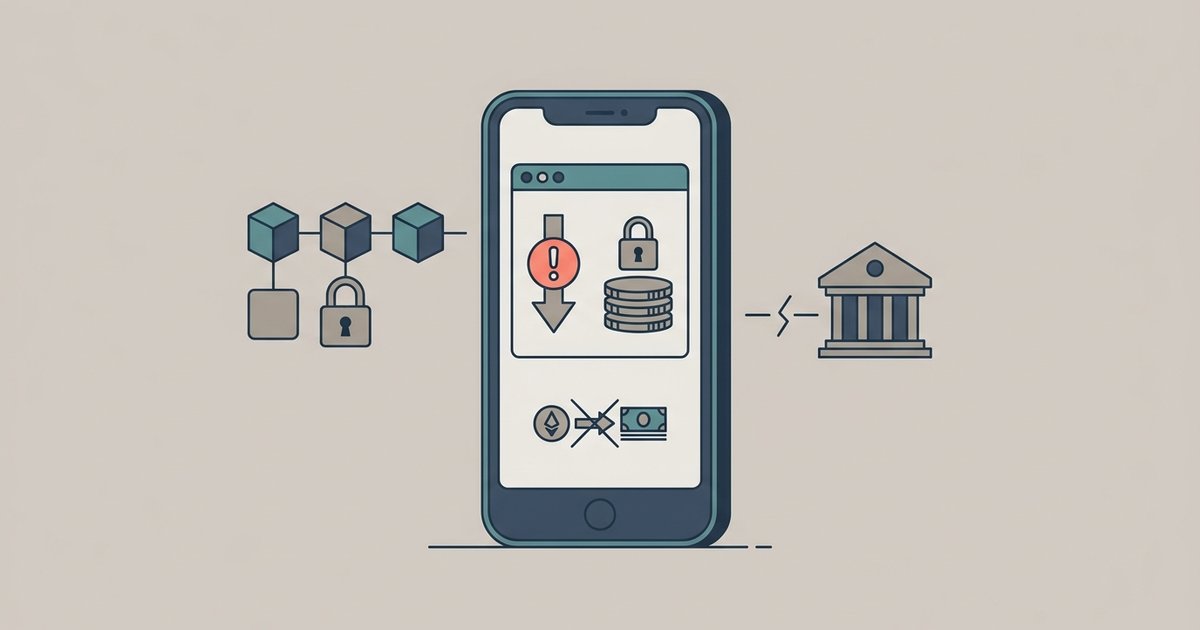
Selling to fiat is only half the process; your withdrawal is likely failing due to identity verification gaps, a name mismatch between your exchange and bank accounts, or your bank blocking the transfer.
Your identity verification or crypto withdrawal failed checks are incomplete
Most exchanges enforce tiered Know Your Customer (KYC) levels. You can often trade crypto with basic verification, just an ID scan and a selfie, but withdrawing fiat to a bank may require a higher verification tier, which could involve additional documentation. If your verification lapsed because the document expired, or if you never completed the second tier, the exchange will silently block the withdrawal. The error message rarely says "upgrade your KYC"; it typically reads "withdrawal unavailable" or "transaction rejected". To fix this, navigate to your profile settings and check your verification status for fiat withdrawals. If it is incomplete, upload the required document and wait for manual approval, which can take hours or days. Once verified, you can transfer crypto to fiat wallet to complete the cash-out process.
The name on your banking profile doesn't match exactly
Even a single character mismatch between the exchange holder name and the banking profile name triggers an automatic rejection. Middle initials cause frequent problems: if your exchange record says "John A. Smith" but your banking record says "John Smith", the automated system flags it as a mismatch. Maiden names, hyphenated surnames, and business profiles create the same issue. When you set up the withdrawal, the exchange sends a name-check request to the institution; the institution returns a "name mismatch" code, and the exchange cancels the transfer without a clear explanation. To avoid this, verify that every character, including spaces, hyphens, and suffixes, matches exactly. If your banking profile uses a nickname or a shortened version, update your exchange profile to match, or contact the exchange's support to request a manual override.
Your bank is rejecting the deposit
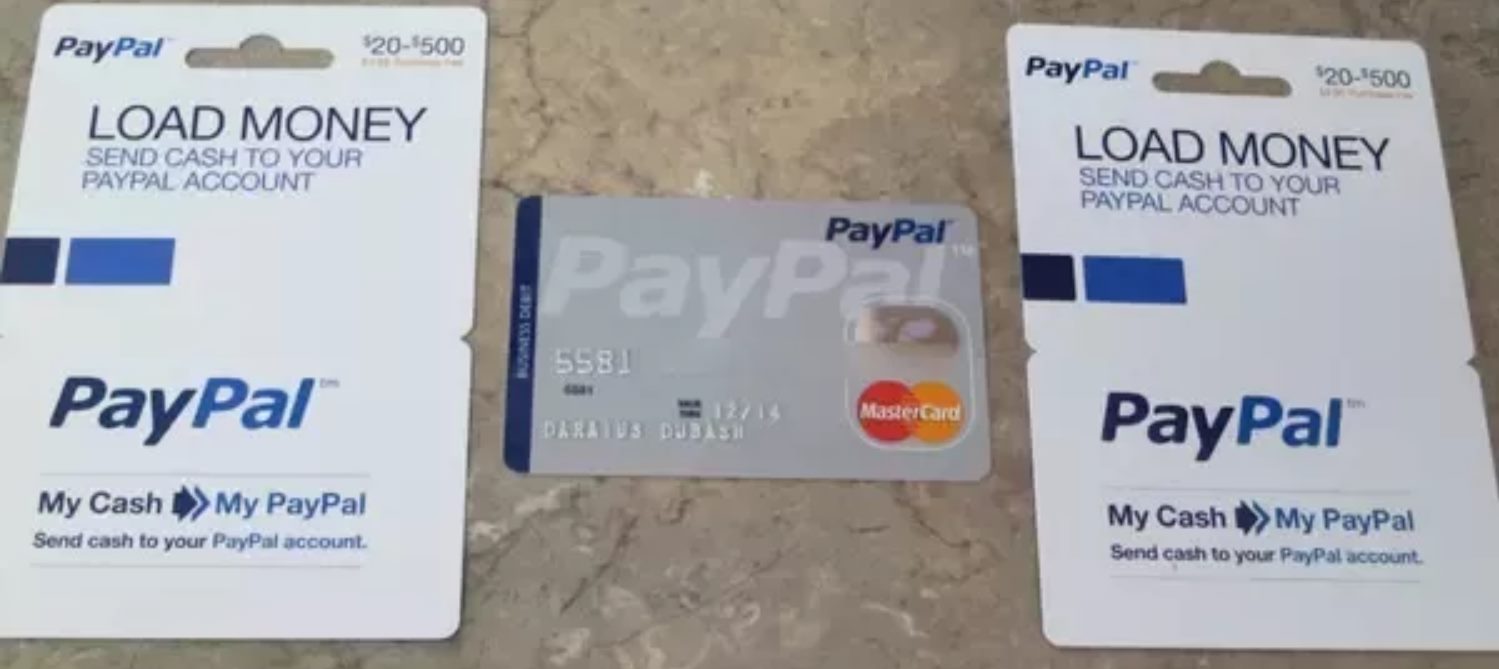
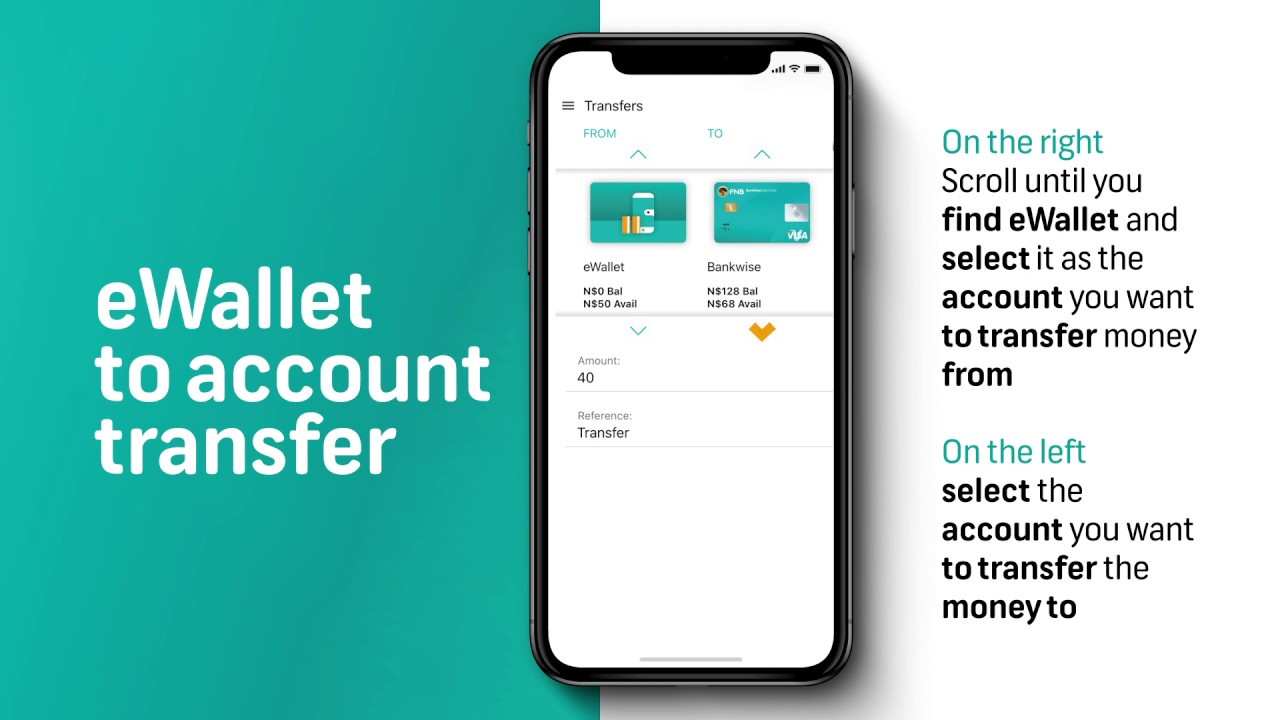
Even after the exchange successfully sends the funds, your bank can reject the deposit and return the money, causing the withdrawal to show as failed on your end. Banks often flag incoming transfers from crypto exchanges as high-risk, especially if the transaction originates from a foreign entity or exceeds a daily limit you did not set. Some banks automatically block any transfer that contains "crypto" or "exchange" in the description. To check, log into your bank's online portal, review your transaction history for rejected or pending deposits, and call the bank's fraud department. Ask them to whitelist the exchange's originating record or to raise your daily ACH or wire limit. If the bank refuses, you may need to use a different withdrawal method, such as a PayPal-linked debit card or a third-party service that helps you transfer money from crypto to bank account without triggering bank flags. For long-term holdings, you might request a money transfer to a Vanguard account, which uses a brokerage as an intermediary that banks trust more. If you hold funds in an e-wallet like Skrill or Revolut, you can use a direct transfer e-wallet to bank account feature, which bypasses the exchange's withdrawal pipeline entirely.
A fiat withdrawal failure is never a single-point error, it is the visible symptom of a silent handshake failure between the exchange's compliance database, your identity documents, and your bank's risk engine, and the exchange will not tell you which of the three rejected you.