You cannot reverse a Bitcoin transaction, but you can and should report a bitcoin scam to every authority that has the power to act. Because cryptocurrency payments are irreversible once confirmed on the blockchain, your realistic goal is not to claw back funds yourself, but to trigger investigations that might freeze assets or lead to a criminal conviction. This guide focuses on the only legitimate actions that can help: gathering evidence, filing official reports, and warning others.
Can you get your money back from a bitcoin scam?
The honest answer is that recovery is rare, and anyone who promises otherwise is lying to you. Bitcoin transactions are generally irreversible once confirmed on the blockchain, which means no bank, exchange, or support agent can simply press "undo" on your payment. The only realistic path to seeing any money returned is through law enforcement action that identifies the scammer and seizes their assets, a process that takes months or years and has no guaranteed outcome. Be extremely wary of "cryptocurrency recovery services" or individuals who claim they can recover lost funds for an upfront fee, as these are almost always additional scams targeting victims. Your best move is to report the crime through official channels and accept that the primary value of your report is preventing future victims.
Step 1: Gather all evidence of the scam
Your first action is to build a complete evidence file, because every report you file will require specific details. Collect the transaction ID (TXID) from the blockchain, the exact wallet addresses involved, and the date and time of every transfer. Screenshot all communications with the scammer, emails, direct messages, social media profiles, and website pages, and save them as PDFs or images with visible timestamps. If you have the scammer's name, phone number, or any payment details they gave you (like a bank account or email address), write those down too. Store everything in a folder on your computer and a cloud backup, because you will need to reference this material repeatedly.
Step 2: Report the scam to your crypto exchange or platform
Contact the exchange or platform you used to send the Bitcoin, not to ask for a reversal, but to flag the scammer's account and report the fraudulent activity. Most major exchanges have a dedicated fraud reporting form or support ticket system; use it to submit your evidence and clearly state that you were defrauded. The exchange cannot return your funds, but they can freeze the scammer's account if the Bitcoin is still sitting there, and they may ban the wallet address from their platform to prevent further harm. You should also report the scam to any other exchange or service the scammer mentioned, since they may have accounts elsewhere that can be suspended.
Step 3: File a report with law enforcement
This is the most important step, because law enforcement agencies do not charge victims a fee for investigating crimes or recovering funds, and they are the only entities with the legal power to seize assets. Start by filing a report with your local police department, providing them with your evidence file and the transaction details. Then file a complaint with your country's national cybercrime unit: in the United States, that means the FBI's Internet Crime Complaint Center (IC3); in the UK, Action Fraud; in Canada, the Canadian Anti-Fraud Centre. These agencies aggregate reports to identify patterns, build cases against repeat offenders, and coordinate with international partners. Even if your individual loss is small, your report could be the one that connects a larger investigation.
Step 4: Warn others to prevent further victims
Sharing your experience is a concrete way to make the scammer's job harder, because it removes their ability to use the same script on new targets. Post a detailed warning on social media platforms like Twitter, Facebook, and Reddit, including the scammer's wallet address, website, and any phone numbers or emails they used. Submit your story to dedicated scam alert websites like ScamAdviser, TrustPilot, and the Bitcoin Abuse database, where other potential victims will search before sending money. If the scammer operated through a specific Telegram group, Discord server, or forum, post your warning there as well. The more public your report, the fewer people the scammer can reach.
Step 5: Protect yourself from recovery scams
Within days of reporting your loss, you will likely be contacted by "recovery experts" who claim they can trace and retrieve your Bitcoin for a small upfront fee. These are the same criminals who scammed you, or copycats who bought your information from them, and they will take your fee and disappear. Legitimate law enforcement and regulatory agencies never charge victims for their services, so any request for payment is a red flag. Ignore any unsolicited messages offering recovery, block the sender, and add their details to your evidence file. Remember that the only people who can recover funds are law enforcement with a court order, and they will never ask you to pay them directly.
Learn from the experience and secure your crypto
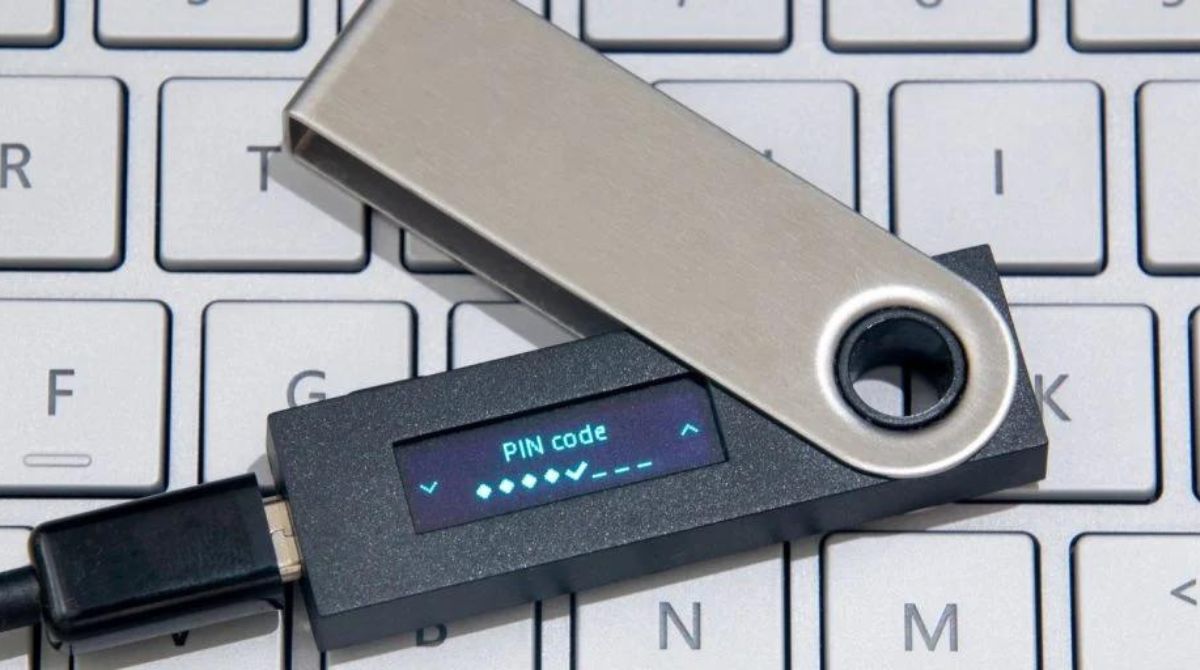
Once you have filed your reports and warned others, turn your attention to preventing this from happening again. Move any remaining cryptocurrency off exchanges and into a hardware wallet, a physical device that stores your private keys offline, making it impossible for scammers to drain remotely. Enable two-factor authentication on every account you use, and never share your seed phrase or private keys with anyone, no matter what they promise. Research any investment opportunity for at least a week before sending money, and be deeply suspicious of anyone who demands payment in cryptocurrency, pressures you to act quickly, or guarantees returns. The time you spend securing your assets now is the best investment you can make after a loss.
\nRelated reading: How to Know When it’s the Right Time to Buy Bitcoin, How To Store Bitcoin, and How To Make A Raspberry Pi Bitcoin Miner.