Total costs typically range from 0.5% to 5% of the transaction value, consisting of a trading spread (0.1%–2%), an exchange conversion fee (0.5%–2%), a blockchain network fee ($1–$30+), and a fiat withdrawal fee ($0–$25).
The four crypto withdrawal fees that stack up
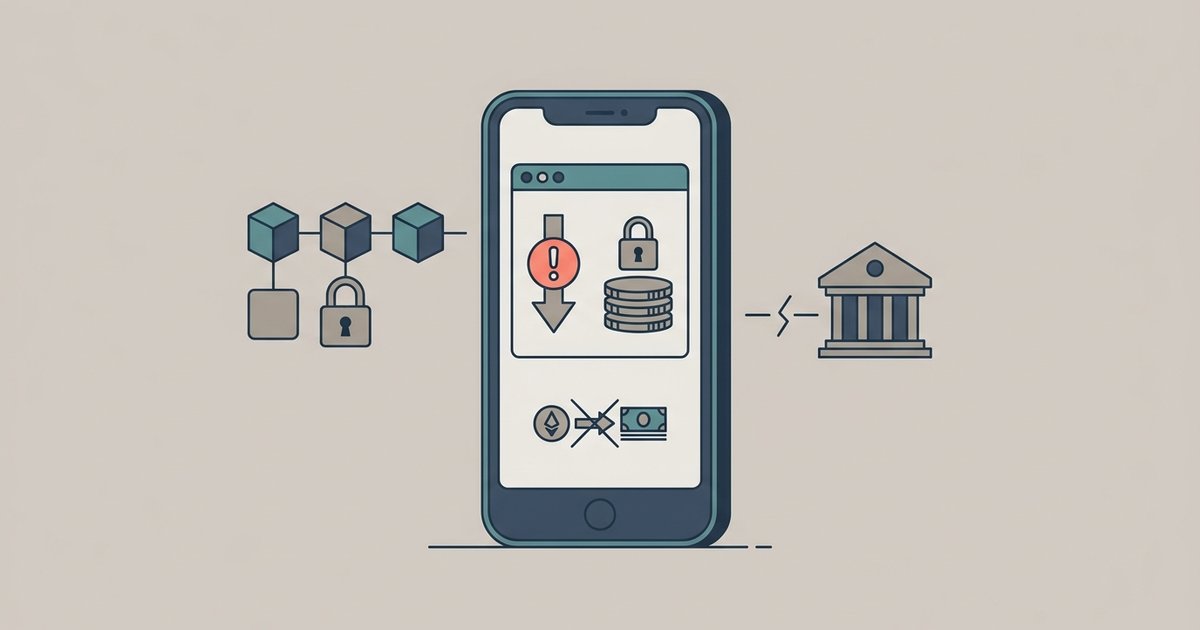
Total costs typically range from 0.5% to 5% of the transaction value. They consist of a trading spread, an exchange conversion fee, a blockchain network fee, and a fiat withdrawal fee. The trading spread is the first cost. It is the gap between the market price of your crypto and the price the exchange offers when you sell. On Coinbase Advanced, the spread runs roughly 0.1% on large orders. A standard Coinbase user sees 1% to 2% because the platform widens the gap. After you sell, the exchange levies a conversion fee. This is typically 0.5% to 2% of the trade amount. Binance charges 0.1% for makers and 0.1% for takers, while Gemini ActiveTrader charges 0.35%. Check each exchange’s published fee schedule for the current rate. Then comes the blockchain network fee. It pays miners or validators to move your crypto from your wallet to the exchange’s wallet before conversion. Ethereum gas fees can spike during congestion, while Solana or Polygon cost far less. Confirm the live network fee on the exchange’s withdrawal screen before you send. Finally, the fiat withdrawal fee hits when you move dollars or euros to your bank. Kraken charges $4-$35 for domestic wires, PayPal applies a fee for instant transfers, and some small exchanges charge a premium for international wires. Always verify the withdrawal fee on your platform’s funding page. You pay these four separate charges whenever you transfer money from crypto to bank account, and each conversion event can also create a taxable capital gain or loss, so review the tax implications of converting crypto to fiat before withdrawing to avoid an unexpected bill. Their sum determines whether you lose a little or a lot on a cash-out.
Why the advertised fee is misleading
Platforms often advertise “zero fees” for crypto-to-fiat conversions. They recover costs by widening the spread to 2% or more. If Bitcoin’s true market price is $60,000, a “zero-fee” exchange might offer you $58,800 per coin. That is a hidden 2% loss. To calculate the true percentage you lose, take the difference between the market price and the price you actually receive. Add any explicit conversion fee. Then add the network fee and withdrawal fee as a percentage of your total. For example, sell $1,000 of Ethereum on a “zero-fee” exchange with a 1.5% spread. Add a network fee and a withdrawal fee. Your total loss is $25, or 2.5%. Always compare the final dollar amount that lands in your bank account, not the headline rate.
The only number that matters is the final fiat deposit in your bank statement, because every exchange can bury its real price inside the spread.
When instant cash-out costs more than waiting
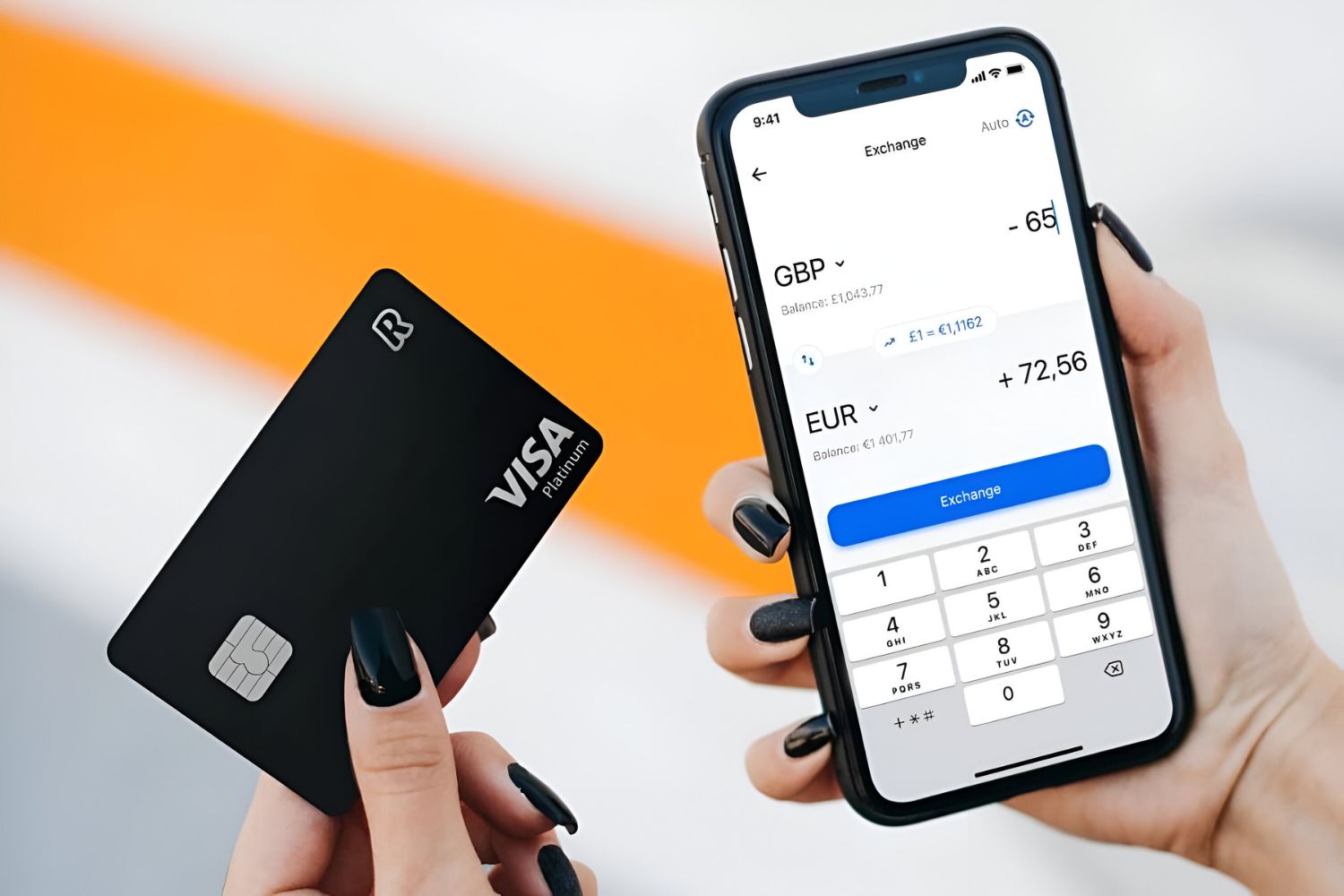
Book a standard ACH transfer and wait one to three business days to pay only the base spread and conversion fee. Instant or same-day withdrawals charge a premium because the platform fronts the fiat before the bank settlement clears. Coinbase’s instant cash-out costs a 2% fee on top of the spread. If you need $500 instantly, you might pay extra. Waiting two days saves that entire amount. PayPal’s instant transfer to a debit card costs 1.5% of the amount and caps at $15. Choose the standard bank transfer instead and pay nothing. Services like Revolut charge 0.5% for instant settlement. Select the standard SEPA transfer that clears in one business day and pay 0%.
The network fee trap with Ethereum and bitcoin
Ignore the default network. Open the withdrawal screen and pick the chain with the lowest fee that your wallet supports. Choosing the wrong withdrawal network can turn a cheap fee into an expensive charge. If you send Bitcoin on the legacy network, fees average $5 to $15. If you send Ethereum via the mainnet during peak usage, gas can hit far higher. Stablecoins like USDC or USDT change the math because you can move them on cheaper chains like Polygon, Solana, or BNB Smart Chain. Fees there stay under $0.50. When you request a money transfer to a Vanguard account, the broker usually accepts only ACH or wire. First convert to fiat on an exchange. Then withdraw via ACH and pay nothing, or choose wire and pay the broker’s stated incoming wire fee. Verify Vanguard’s current wire instructions on their official banking page. Similarly, if you transfer e-wallet to bank account using a service like Skrill or Neteller, the internal conversion fee is 1% to 3%. A bank transfer withdrawal fee also applies. Check Skrill’s and Neteller’s official fee pages for the exact charges before you move funds.