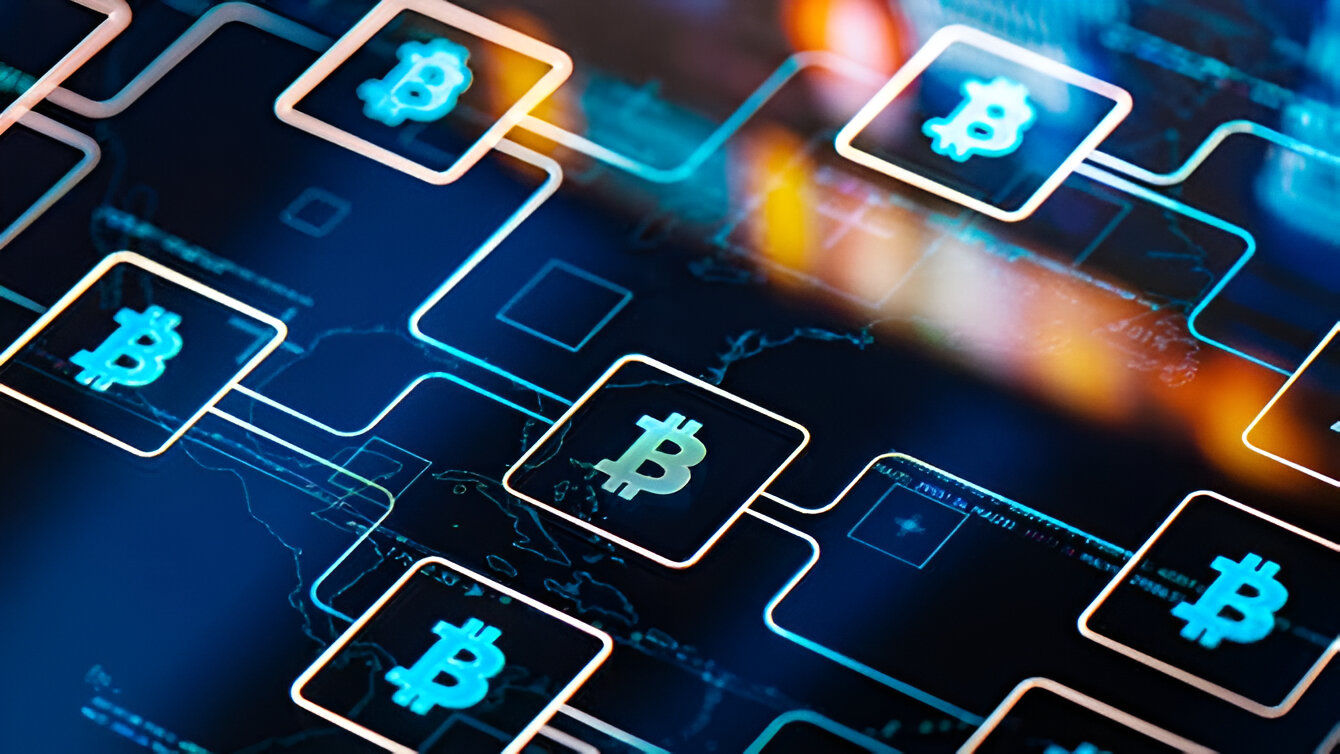
A blockchain API is a set of protocols and tools that lets developers read and write data to a blockchain network, like Ethereum or Bitcoin, without having to run their own full node or manage the underlying infrastructure. In simple terms, it acts as a bridge: instead of syncing the entire blockchain and maintaining complex software, you make a simple HTTP request to a provider's server, and it returns the data or submits the transaction for you. This is the most practical way for most developers to build on-chain applications, because it removes the heavy lifting of node operation and lets you focus on your app's core logic.
What is a blockchain API?
To understand a blockchain API, start with the general concept of an API (Application Programming Interface). An API is a set of rules that allows one piece of software to talk to another. For example, a weather app doesn't build its own satellites; it calls a weather API to get forecasts. A blockchain API works the same way, but for blockchain networks. It gives you a standardized interface to query data from the chain (like account balances or transaction history) and to send data to the chain (like submitting a new transaction). Without a blockchain API, you'd need to run a full node, a program that downloads and validates every block, which requires significant storage, bandwidth, and setup time. A blockchain API handles all that complexity for you, offering a simple endpoint that returns the information you need in a format like JSON.
What can you do with a blockchain API?
The core functionalities of a blockchain API revolve around reading and writing data. On the read side, you can query blocks to see recent activity, fetch the details of a specific transaction, check the token balance of any wallet address, and read events emitted by smart contracts, like when a trade occurs on a decentralized exchange. On the write side, you can submit signed transactions to the network, which is how you move funds or trigger a smart contract function. Many APIs also let you monitor wallet activity in real time, so you can build alerts for incoming payments or track a whale's movements. These operations cover the vast majority of what developers need to build a dApp (decentralized application), and they save you from having to write and maintain your own blockchain client software.
Popular blockchain API providers
Several established providers offer blockchain APIs, each with a slightly different focus. Infura is one of the most well-known, offering reliable access to Ethereum and IPFS, and it's widely used in production dApps. Alchemy takes a developer-experience-first approach, providing purpose-built APIs for specific tasks like tracking NFT ownership, monitoring token transfers, or sponsoring gas fees for users. Etherscan, best known for its block explorer, also offers a powerful API that gives you access to verified on-chain data across more than 60 EVM-compatible chains, including account balances, transaction logs, and contract interactions. There's also Amazon Managed Blockchain (AMB) Access, which is a serverless option from AWS that lets you interact with major networks like Ethereum, Bitcoin, and Polygon PoS without managing any nodes. Most providers operate on a tiered model: a free tier with rate limits (e.g., a certain number of requests per second or per day) and paid tiers that offer higher limits and additional features. Choosing the right provider depends on your project's scale, chain support, and the specific data you need.
How to start using a blockchain API
Getting started is straightforward, and you can make your first request in a few minutes. Here’s a simple 3-step process for beginners.
- Choose a provider that fits your needs. If you're building on Ethereum, Infura and Alchemy are solid choices. If you need multi-chain data, Etherscan is a good option. For a serverless, AWS-integrated solution, consider AMB Access.
- Create an account with your chosen provider and obtain an API key. This key is your unique identifier, and you'll include it in your requests so the provider can authenticate you and apply your rate limits.
- Make your first API call. Using a tool like `curl` in your terminal or a code snippet in JavaScript (using `fetch` or a library like `axios`), send a request to the provider's endpoint. For example, you might call a method to get the latest block number or the balance of a known address.
Once you see the JSON response with the data, you've successfully interacted with a blockchain via an API. From there, you can start building your application around that data.
Common use cases for blockchain APIs
The practical applications of blockchain APIs are broad, and they answer the question of why this technology matters. One common use case is building a block explorer, a website that lets users search for transactions, addresses, and blocks. Instead of indexing the entire blockchain yourself, you can use an API to fetch that data on demand. Another use case is monitoring address activity, which is essential for businesses that need to track customer payments, detect suspicious wallets, or trigger automated actions when a specific address receives funds. For analysts, blockchain APIs enable historical analysis, allowing you to query past transactions, compute metrics like total value locked (TVL), or study market trends. You can also use an API for transaction verification, confirming that a payment was actually made and confirmed on-chain before delivering a service. Finally, developers often use blockchain APIs for data indexing, building their own databases of on-chain events to power custom analytics dashboards or to feed data into machine learning models. In each of these cases, the API saves you from the enormous overhead of running your own node and building the indexing infrastructure from scratch, letting you focus on the unique value of your application.
\nRelated reading: Proof Of Work And Proof Of Stake: Know The Difference, What Is A Trading Node, and What Is Happening With XRP.