You can't see the token on-chain yet, but you can verify the signed mint authorization and metadata URI stored in the marketplace's smart contract to confirm it will mint exactly as described upon sale.
Why a verify lazy minted NFT check matters before purchase
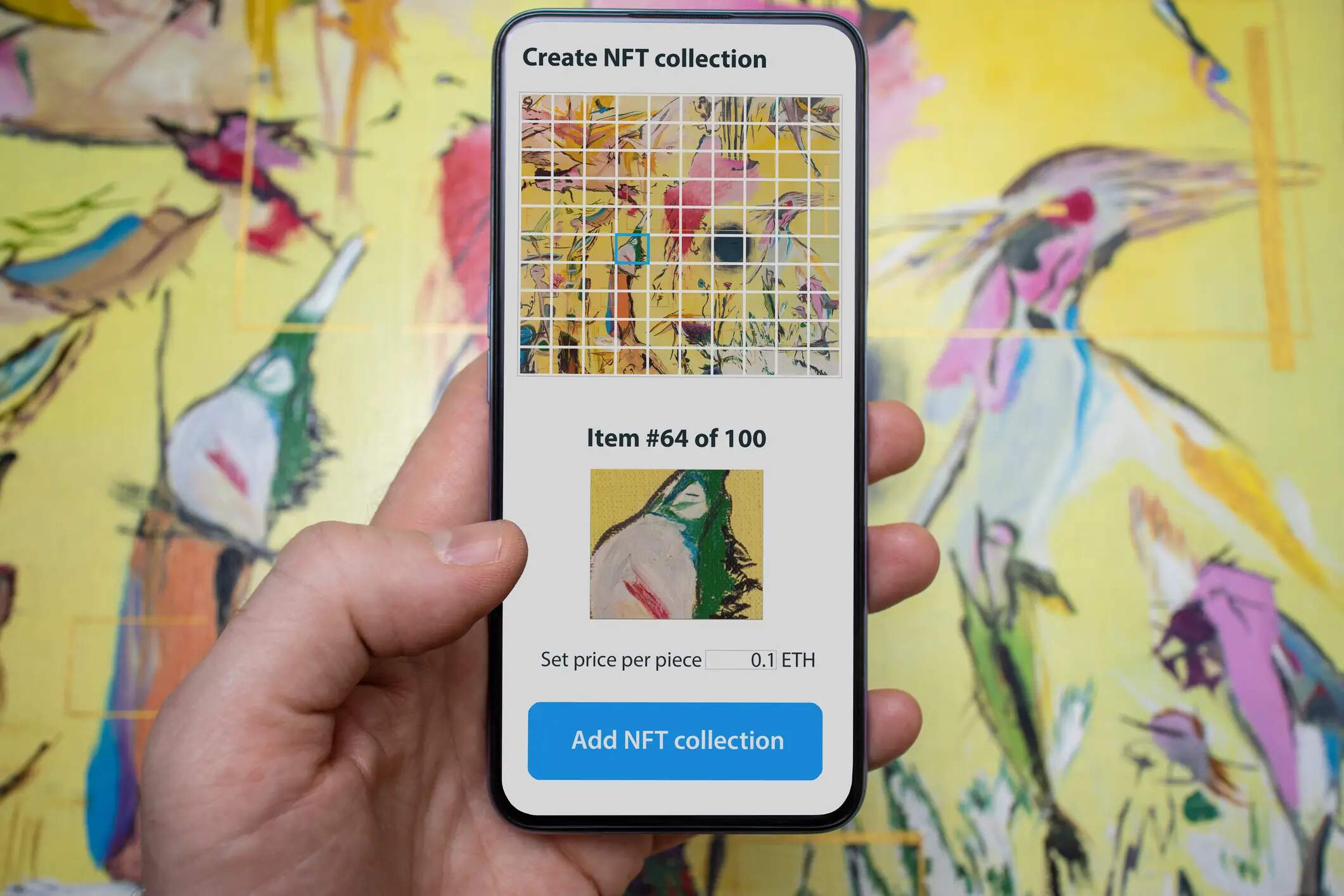
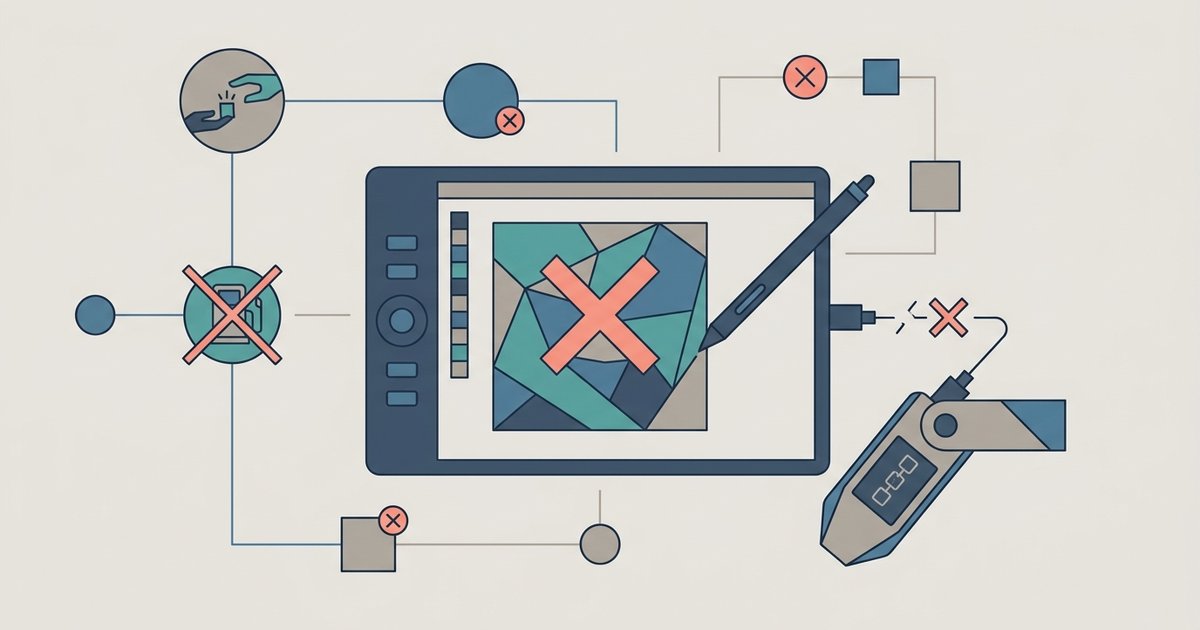
Lazy minting works by having the creator sign a cryptographic voucher off-chain. This voucher specifies the token details, royalties, and recipient. It is stored in the marketplace’s smart contract as a “maker order” or “listing,” not as an ERC-721 token. The actual ERC-721 agreement never receives a mint call until a buyer confirms payment. Block explorers like Etherscan will show zero tokens for that collection until the sale executes. The marketplace contract holds only the signed authorization, not the token itself. This design lets creators mint an NFT for free without paying gas upfront. The buyer covers the minting cost at purchase. Because the token does not exist yet, you cannot search for its token ID or view its descriptor file on OpenSea’s item page until after the sale. If you change your mind about a listing, you can still cancel a lazy minted NFT without paying gas since no on-chain token has been created.
Checking the signed authorization
To verify the lazy minted NFT, open the marketplace’s smart contract on Etherscan. Find the function that stores maker orders, often named createOrder or listItem. Look for the event logs emitted when the listing was created, typically under the “Logs” tab. The event will contain the creator’s address, the token URI (a URL pointing to JSON descriptor data), the royalty percentage, and the creator’s signature. Click on the transaction hash of the listing event to see the full makerOrder data decoded. Confirm the token URI resolves to valid JSON with an image URL, name, and description. The signature proves the creator authorized this exact descriptor file. If the URI points to a dead link or mismatched file, the NFT will not mint correctly, so you should also confirm the asset meets the file formats and sizes OpenSea lazy minting supports to avoid a failed transaction. For a fractional NFT project, the same verification applies. The voucher specifies the fractional token agreement and the split parameters. Confirm those are locked in the marketplace order. For listings using a proxy arrangement (common on platforms like OpenSea Seaport), you may need to read the proxy’s storage slot directly. Use Etherscan’s “Read as Proxy” feature to see the underlying order data.
When verification fails
If the descriptor URI returns a 404 or contains broken image links, the NFT will mint with missing or corrupted data. This makes it worthless. An invalid signature means the listing is fraudulent and the token will never mint. This happens when the recovered signer does not match the creator’s address. Some marketplaces use a proxy arrangement that hides the maker order in an immutable storage slot. You cannot read it via standard Etherscan functions. In that case, you cannot verify the descriptor or signature before purchase. The NFT may fail to mint entirely if the proxy’s logic changes. Always avoid listings where the descriptor URI is an IPFS hash you cannot resolve. Also avoid listings where the royalty parameter is set to zero. The creator could later add a royalty that exceeds the sale price. If you are building a collection and want to start an NFT project using lazy minting, test the verification process on a testnet first. Confirm your proxy arrangement exposes the signed voucher. For listings tied to an NFT domain, the voucher must include the domain’s resolver address and the token URI for the domain’s descriptor file. Verify those match the domain’s on-chain records before buying.
The verification process involves reading the marketplace's stored data to ensure the creator's signature, token URI, and royalty parameters are locked in and immutable.