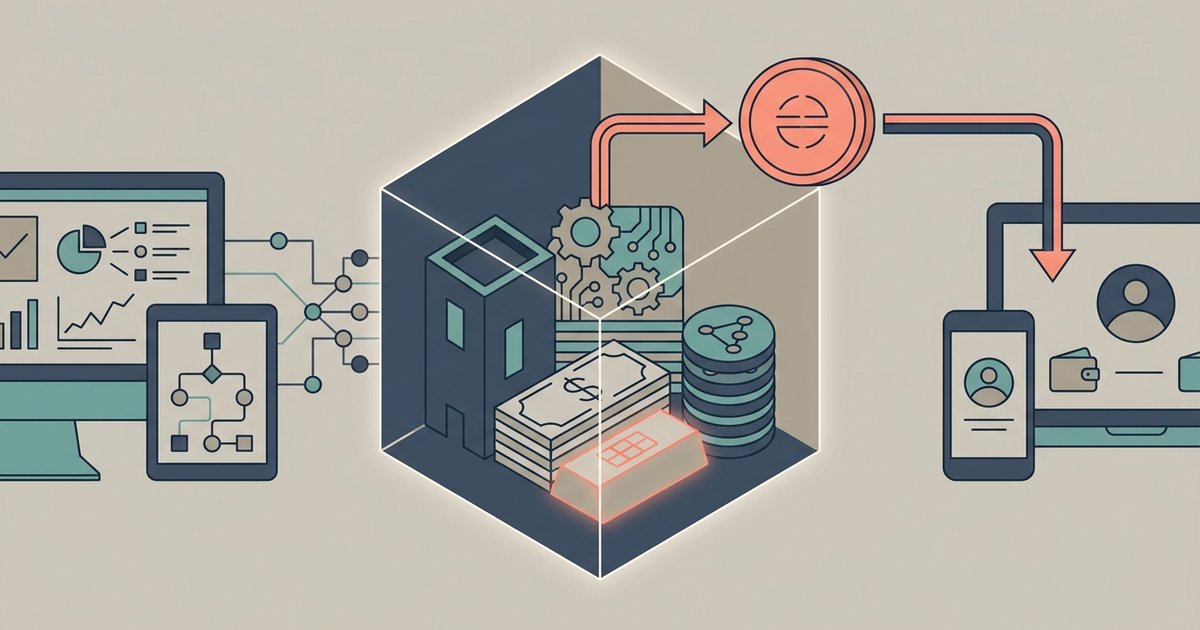
Stablecoin lending pools are backed by the borrower's deposited collateral—typically volatile assets like ETH or WBTC, stablecoins, or LP tokens—which can be verified on-chain through the protocol's dashboard or a...
You can't see the token on-chain yet, but you can verify the signed mint authorization and metadata URI stored in the marketplace's smart contract to confirm it will mint exactly...
A blockchain bridge failure splits value into two irrecoverable halves: the synthetic assets on the destination chain lose their backing and become worthless, while the original assets remain permanently locked...
Use a paymaster contract on an account abstraction chain to sponsor gas fees, paired with session keys so users never see a token balance, approve transaction, or sign a gas...
To build ICO smart contracts, you create an ERC-20 compliant token contract and a separate crowdsale contract using Solidity on Ethereum, automating token issuance, distribution, and fund collection. Before deploying,...
To understand how to read smart contracts, you inspect their code on a blockchain explorer like Etherscan, which translates the deployed program into a human-readable format. This skill is essential...
The Ethereum Virtual Machine (EVM) is the global, decentralized computer that powers Ethereum, the runtime environment where every smart contract is executed and every state change is validated. In simple...
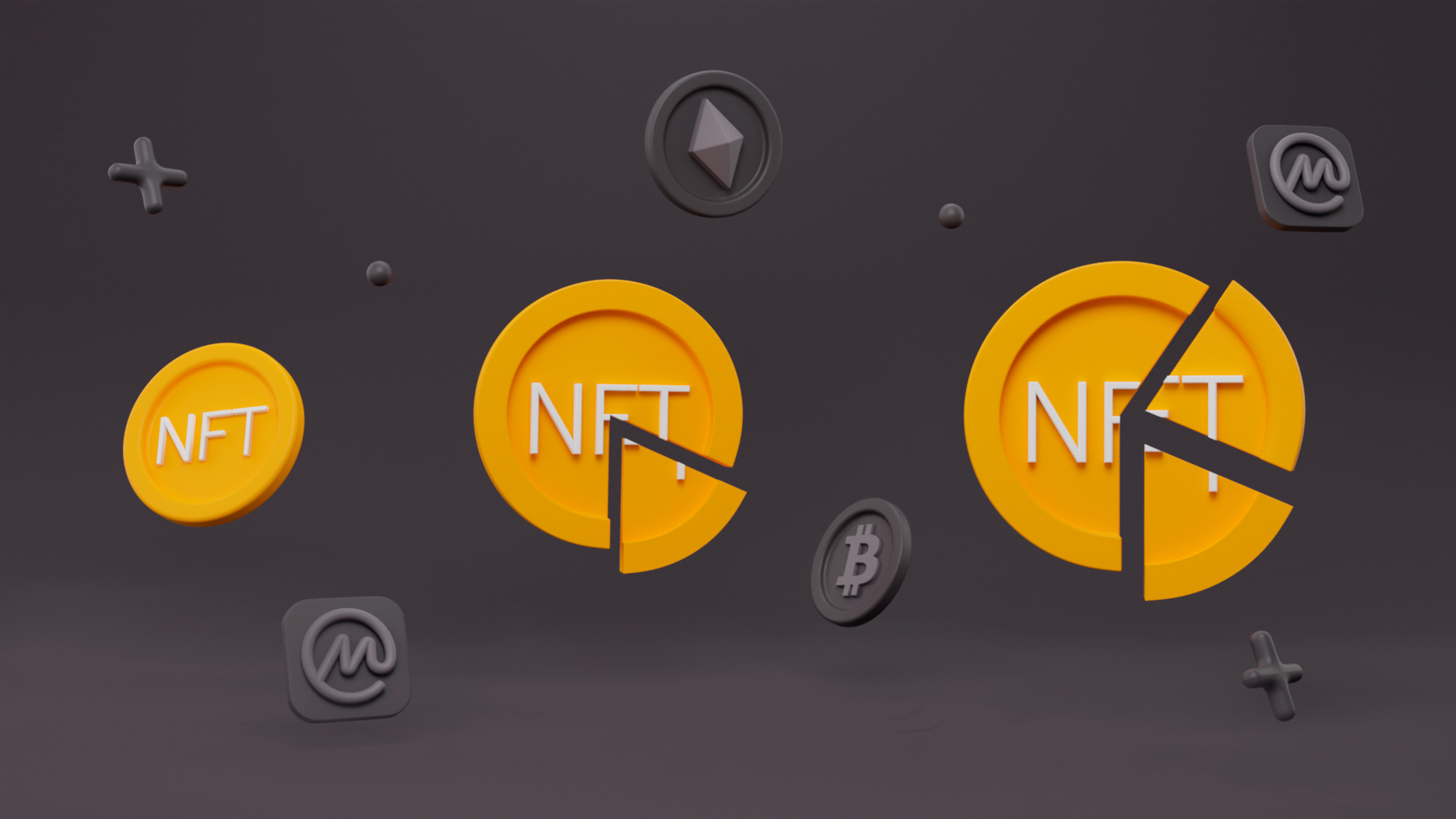
A fractional NFT (F-NFT) is a single non-fungible token that has been divided into smaller, fungible units, allowing multiple investors to gain partial ownership of a high-value digital asset. This...
To start an NFT project, you need a clear concept, a blockchain to build on, and a step-by-step process to create, mint, and market your collection, all without writing a...
To create stablecoin, you must define a specific use case, choose a pegged asset, design a stability mechanism, implement smart contracts, and launch with sufficient liquidity. This process requires technical...
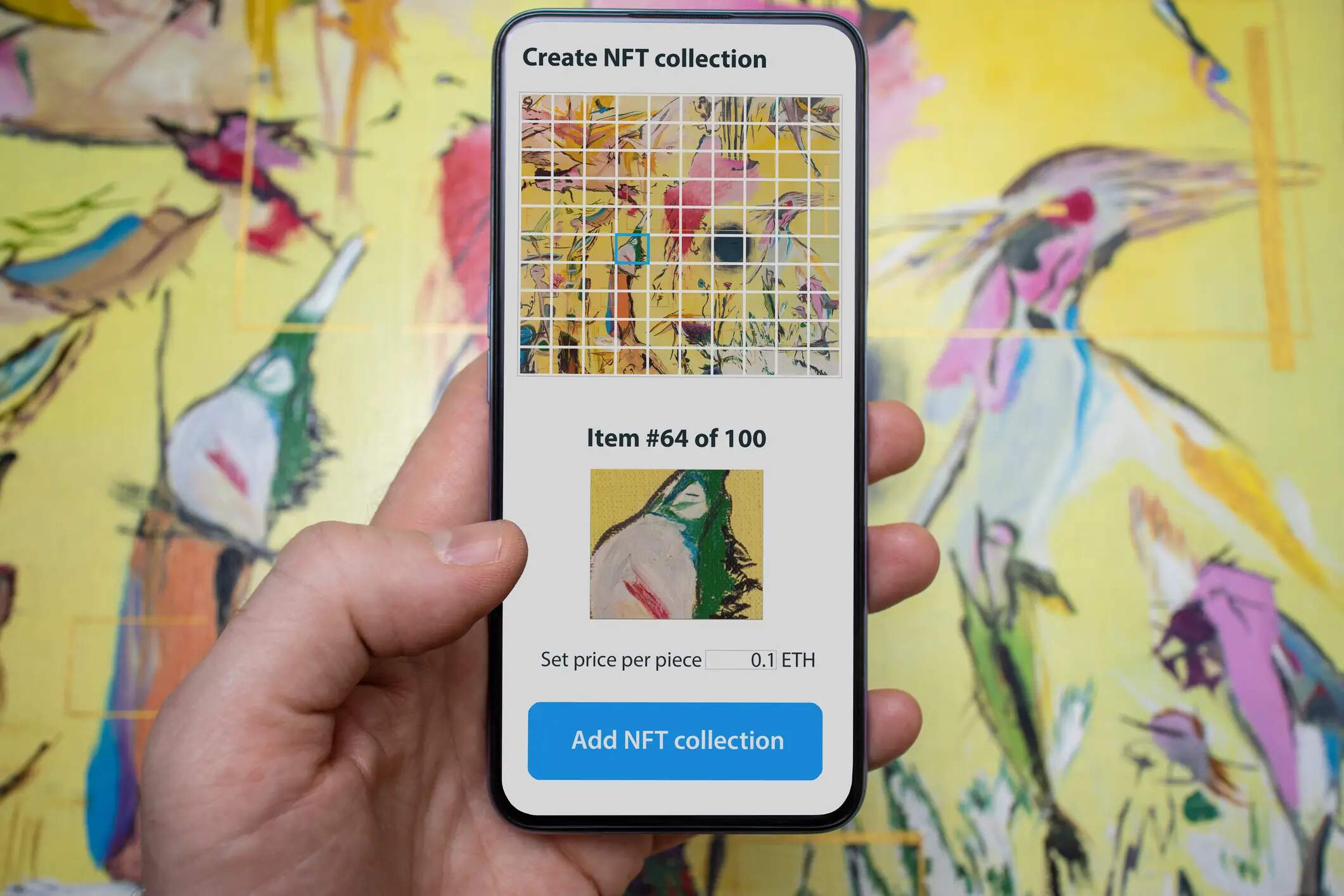
To create an NFT collection, you need to plan your artwork, deploy a smart contract on a blockchain like Ethereum or Polygon, and mint each token individually using a platform...
Bridging in crypto is the process of transferring digital assets or data between different blockchain networks. A crypto bridge works by locking or burning assets on a source chain and...
This website uses cookies so that we can provide you with the best user experience possible. Cookie information is stored in your browser and performs functions such as recognising you when you return to our website and helping our team to understand which sections of the website you find most interesting and useful.
Strictly Necessary Cookies
Strictly Necessary Cookie should be enabled at all times so that we can save your preferences for cookie settings.
If you disable this cookie, we will not be able to save your preferences. This means that every time you visit this website you will need to enable or disable cookies again.