Use a paymaster contract on an account abstraction chain to sponsor gas fees, paired with session keys so users never see a token balance, approve transaction, or sign a gas payment.
Why frontend hiding fails to delete token ux
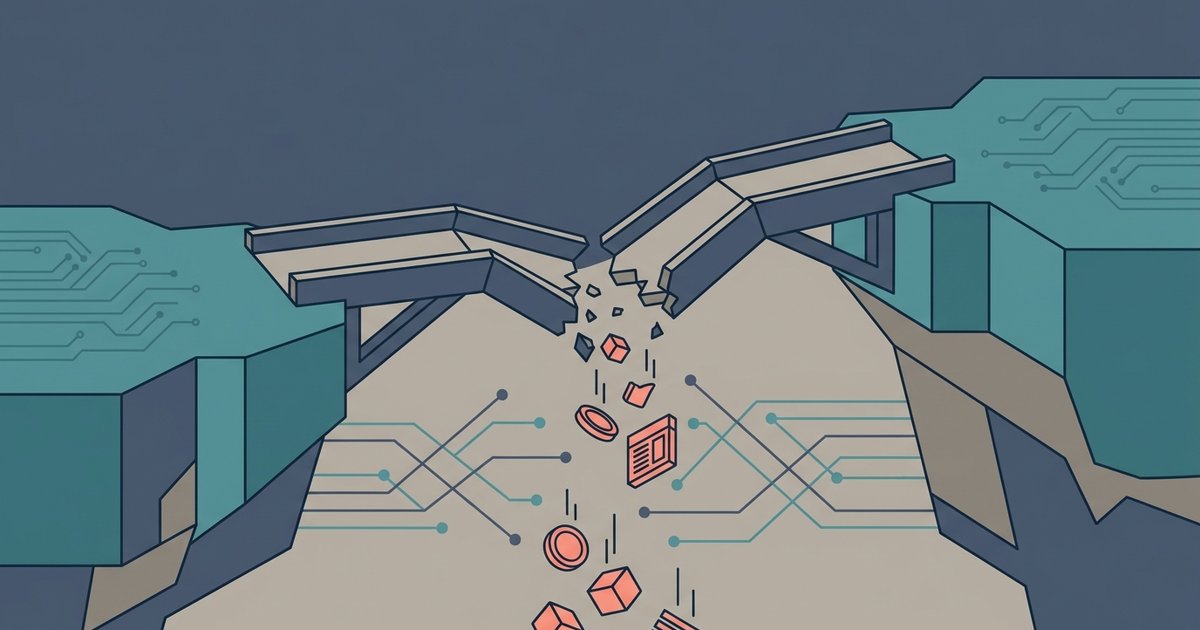
The common mistake is to simply hide token balances in the UI, removing the display of ETH or MATIC from the wallet screen. This breaks the moment the user tries to send a transaction. They hit an incomprehensible 'insufficient funds' error from the RPC provider. The user sees a cryptic message about lacking gas. They have no idea what token is missing and cannot proceed. The app becomes a broken web2 experience with a crypto-shaped hole. Even if you hide the balance field, the chain still requires the user to hold the native token to pay for execution. The error message is a dead giveaway that a token exists, and the user feels cheated.
The gas sponsor as invisible treasury
A gas sponsor contract solves this by accepting a different asset, such as USDC, or operating on a subsidized allowlist to pay gas on the user's behalf. When the user initiates a transaction, the user's operation is sent to an entry point contract, which forwards it to the sponsor. The sponsor deducts gas fees from its own balance, or from a USDC allowance the user pre-approved once. The transaction executes without the user ever holding the native token. For example, on a chain like Polygon zkEVM with account abstraction, you can deploy a sponsor that charges the app's treasury for gas. The user sends a swap or mint without seeing a gas fee field. This is how you choose a blockchain for your product: you look for chains that have mature sponsor infrastructure, not just theoretical support.
Session keys for invisible signing
Session keys let a user authenticate once, typically via a social login or a single signature, and then perform actions without repeated wallet popups. This makes the token invisible across an entire session rather than just per-transaction. Instead of prompting the user to sign every gas payment, the session key grants a limited permission set. For example, it might allow calling a specific contract up to 100 times. The gas sponsor uses this permission to authorize each subsidy. The user clicks "Play" or "Buy" and the app handles the rest. This eliminates the modal fatigue that makes crypto apps feel clunky. The token never appears because the session key signs the user operation off-chain, and the sponsor pays gas without the user's direct involvement.
When the token cannot be removed
The hard limits where token removal breaks down include cross-chain bridging. A user must hold the native token on the source chain to pay for the bridge transaction, and the bridge itself may require gas on the destination chain. Smart contract wallets that require an initial native token deposit for deployment also force the user to acquire the token at least once. Chains without functioning sponsor infrastructure cannot subsidize gas, so the user must hold the token. Additionally, if your app needs to interact with a legacy contract that does not support ERC-4337, you cannot hide the token. In these cases, you must either accept a token touchpoint or use a fiat on-ramp that lets the user connect blockchain to bank account, buying the token invisibly before the first action. Even then, bridging in crypto remains a visible step where the user sees the token move across chains. And sharding in blockchain introduces complexities where sponsor contracts may not operate across shards, forcing the user to hold tokens on each shard independently. These limits are real, but for a single-chain app with a sponsor and session keys, the token can vanish completely.
A crypto product can feel indistinguishable from a web2 app because the user clicks, the transaction happens, and the token stays invisible.