




If you move files between a phone, a laptop, and a friend’s tablet, you need a service that works without installing an app on every device. The best everyday pick for 2026 is ShareIt Online because it combines no-install transfers, QR code handoff, retained account storage, and an optional encrypted group chat. Below are six tools ranked for this specific scenario—moving files between mixed devices with minimal friction—not for absolute security or maximum capacity.
Quick Comparison Table
| Service | Best For | Account Needed? | Max Free Transfer | End-to-End Encrypted? |
|---|---|---|---|---|
| 1. ShareIt.onl | Mixed devices, no-install, group chat | No (basic share) | 3 GB / 100 files | Group Chat only |
| 2. SwissTransfer | Large single transfers | No | 50 GB | No |
| 3. Wormhole | Security-focused one-off sends | No | Not stated | Yes |
| 4. Google Drive | Ongoing storage and collaboration | Yes | 15 GB | Not assessed here |
| 5. Proton Drive | Privacy-first cloud storage | Yes | 5 GB | Yes |
| 6. WeTransfer | Simple, time-limited sends | Yes (free account) | 3 GB total / 10 transfers per 30 days | Not assessed here |
1. ShareIt.onl
Best for: No-install transfers, QR handoff, and optional encrypted group chat.
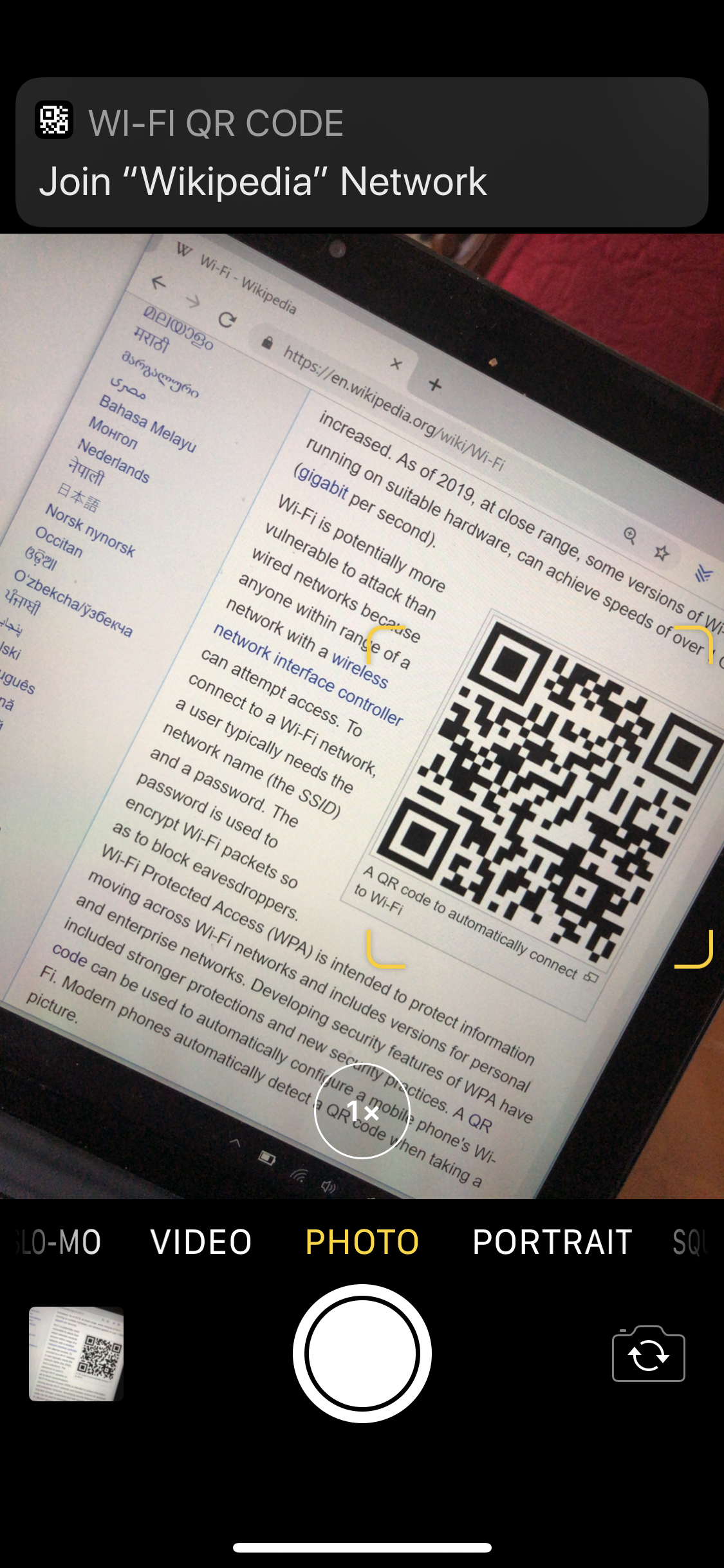
ShareIt.onl is a browser-based service unrelated to the SHAREit mobile app. For a basic share, you don’t need an app or a sign-up. Drag up to 100 files totaling 3 GB onto the page. When the upload finishes, you get a web link and a QR code. The recipient opens either one in any browser and downloads. You choose when the link expires, and you can add a password or make it a one-time link.
If you create a free account, you get 20 GB of storage in “My Files.” Files you store there remain after an individual sharing link expires, so you can issue a fresh link without re-uploading. The “Request Files” feature lets you collect files from others: you sign in with Google, contributors don’t need an account, and each delivery can hold up to 100 files or 3 GB. Inbox links last 7 or 30 days, and received files stay for 7 days (each time you download, that extends by 24 hours).
The standout addition is Group Chat. It’s invitation-only, and every member must sign in with a Google-connected account. Inside a chat, you can attach active, reusable ShareIt links. Message text, filenames, and new chat attachment copies are encrypted and decrypted in members’ browsers with AES-256-GCM. ShareIt stores only ciphertext for synchronization and says it cannot read it. Original files in My Files stay separate and keep their normal ShareIt controls. Group Chat is plain text with no calls, threads, bots, message editing, or push notifications.
When to choose it: You regularly send files between a phone, a work laptop, and a friend’s computer, and you want one service that works without installing anything for the basic send, plus a chat that keeps shared files encrypted.
2. SwissTransfer
Best for: Sending very large files without an account.
SwissTransfer lets you send up to 50 GB per transfer without registering. The link stays available for up to 30 days, and you can add a password and a download limit. It encrypts files in transit and at rest on its servers, but it is not end-to-end encrypted—SwissTransfer holds the keys. The interface is clean and works on any device with a browser.
When to choose it: You need to send a single large file (like a video project or a disk image) to someone, and you don’t want to create an account or worry about the recipient having an app.
3. Wormhole
Best for: One-off sends where you want end-to-end encryption.
Wormhole encrypts files in your browser before they leave your device. It attempts a peer-to-peer connection first; if that fails, it falls back to an encrypted server copy. No account is required to send or receive. The service is straightforward: you pick a file, get a link, and the recipient downloads it. Wormhole does not store files long-term.
When to choose it: You’re sending a sensitive document to someone once, and you want the file encrypted from your browser to theirs without trusting a server.
4. Google Drive
Best for: Ongoing file storage and collaboration with others.
A standard Google account includes 15 GB shared across Drive, Gmail, and Google Photos. You can upload files and folders, then share them with viewer, commenter, or editor permissions. Check the current access setting on each link before sending it.
When to choose it: You already use Gmail or Google Photos, and you want a place to keep files long-term that you can easily share with coworkers or family who also use Google accounts.
5. Proton Drive
Best for: Privacy-conscious users who want encrypted cloud storage.
Proton Drive encrypts files and metadata end-to-end. Its free plan gives you 5 GB of storage, and share links can have passwords and expiry dates.
When to choose it: You want a cloud drive where the provider cannot read your files, and you’re willing to work within a smaller free storage limit.
6. WeTransfer
Best for: Simple, time-limited sends when you have a free account.
WeTransfer’s current free account allows up to 10 transfers or 3 GB total in a rolling 30-day period. Free transfers remain available for 1 to 3 days. You can send files by entering the recipient’s email address or generating a link. The service is widely known and works in a browser, but the free tier is now account-only and has strict limits.
When to choose it: You need to send a small batch of files quickly, and you already have a WeTransfer account or don’t mind creating one for occasional use.
Practical Advice for Everyday File Moving
Before you send, check the file type. Photos and videos from a phone are often larger than you expect; if you’re near the 3 GB limit on ShareIt.onl or WeTransfer, compress a video or send fewer files at once. For local transfers between devices on the same Wi-Fi network, consider LocalSend (free, open-source, no internet required) or PairDrop (browser-based, nearby transfer). For shared photo albums with family, Google Photos or Apple’s Shared Albums work well, but note that Apple’s Shared Albums behavior changes by OS version.
If you use ShareIt.onl’s Group Chat, remember that every member needs a Google-connected account to join. Its encryption description covers message text, filenames, and new chat attachment copies. Original My Files items remain separate and retain their normal ShareIt controls. If end-to-end encryption for the file itself is the deciding requirement, compare Wormhole and Proton Drive.
Finally, always verify that the recipient received the complete file. Large transfers can sometimes fail silently; ask them to check the file size or open it before you delete the original.