




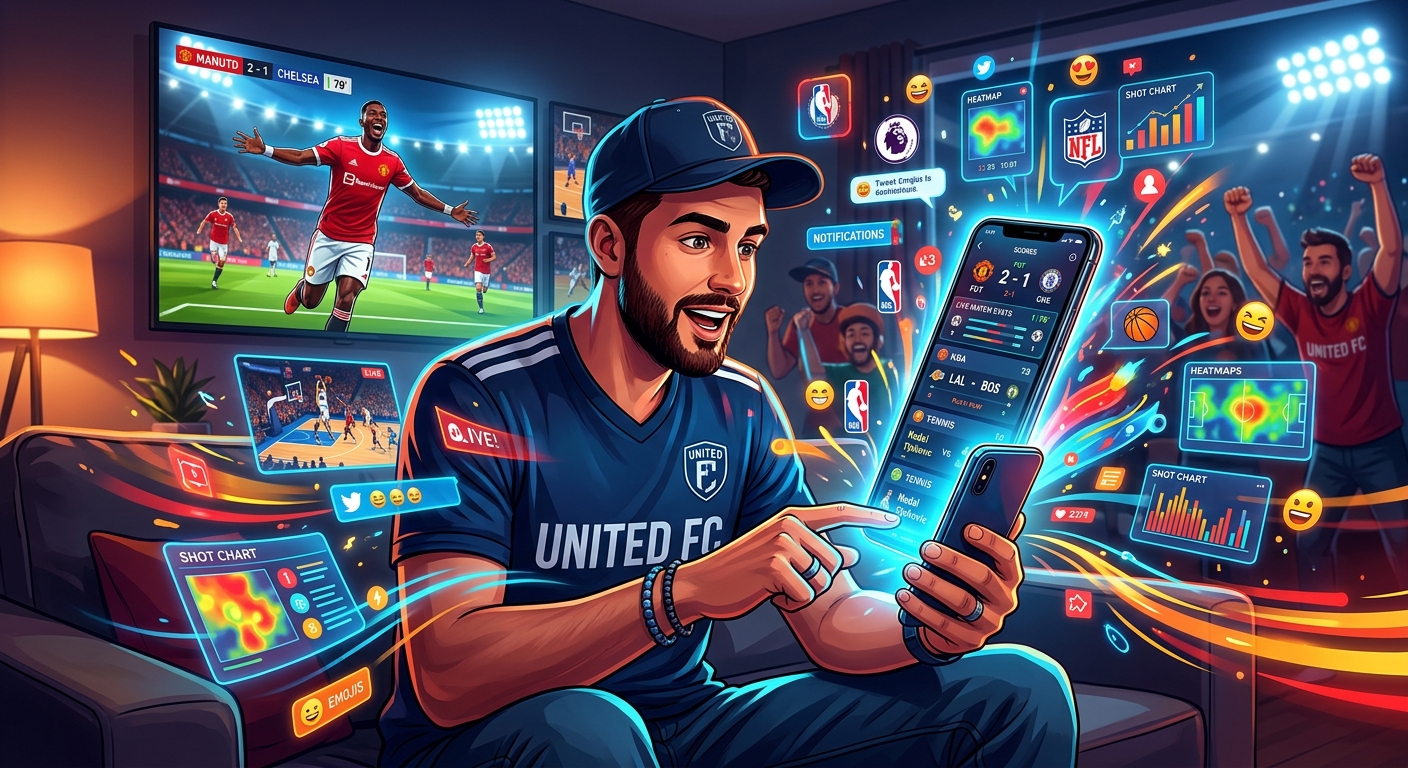
Missing a match used to mean missing everything. You would catch the score the next morning in a newspaper, or piece it together from a friend's recap. That lag between the final whistle and your knowledge of the result felt normal, because there was no alternative. Today, a phone notification lands in your pocket before the commentator has finished celebrating. The gap between what happened and what you know has collapsed to near zero, and that shift has quietly reshaped what it means to be a sports fan.
The Big Picture
Real-time sports apps have made following a team an active, always-on experience rather than a passive, schedule-dependent one.
- Push notifications deliver match events instantly, keeping fans informed even mid-commute
- Live score aggregators compile data from dozens of leagues into one clean, accessible view
- Data-rich dashboards give ordinary fans the context that was once reserved for journalists and analysts
The End of Waiting for Highlights
For most of sports history, fans were passive receivers of information. Broadcasters and newspapers controlled the timing. You watched the game when it aired, or you waited. The idea of tracking a match in real time from a device in your pocket, while doing something else entirely, simply was not possible.
That changed with smartphones. Not overnight, but gradually. First came basic score apps. Then live updates. Then full data feeds pulled directly from league sources. The result is a fan base that no longer waits for anything, if they choose not to.
Research into daily app engagement among adults shows that push notifications rank among the most relied-upon tools for staying current with news and events. Sports fans are among the heaviest users of that behavior. A growing share of people check scores or match updates several times per match window, even when they are not watching. The habit has become reflexive. It feels odd not to check.
What Push Alerts Actually Do to Fan Behavior
A push notification for a goal scored is a small thing. On paper, it is just text and a timestamp. In practice, it changes your entire relationship with a match you are not watching.
You are in a meeting. Your screen is face down. The phone buzzes. You glance, see a score update, and in three seconds you know your team has gone ahead. You carry that information with you for the next hour. You feel something. The app turned a passive non-viewer into an active participant.
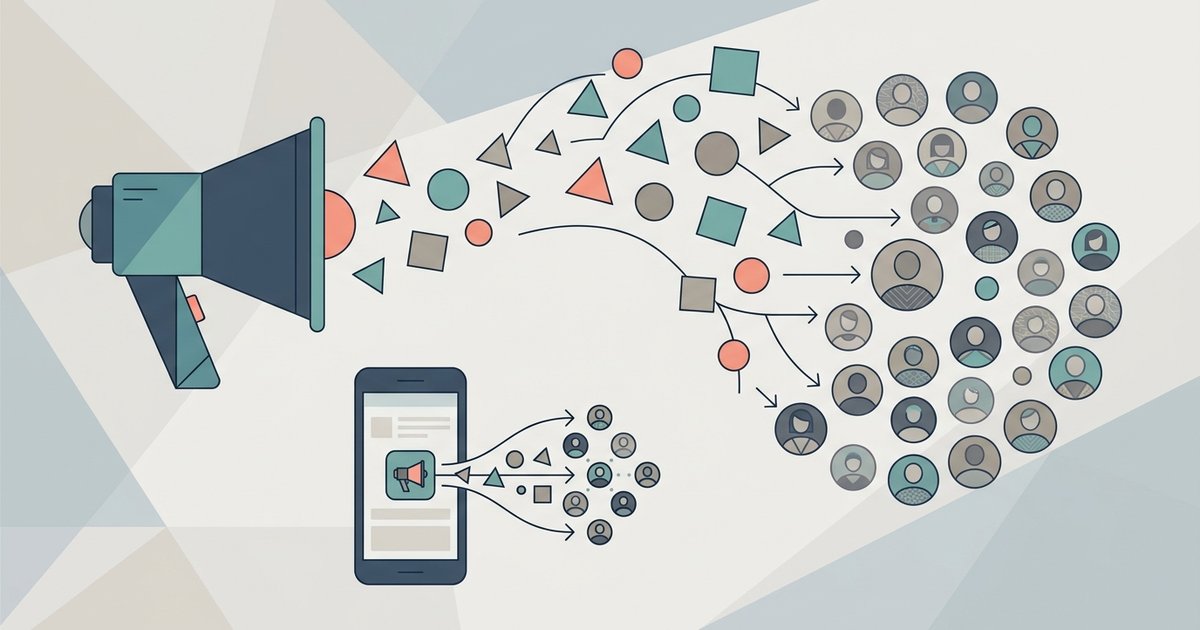
This is the core mechanic these platforms are built around. They do not ask you to rearrange your life around a broadcast schedule. They fit into your existing rhythm and deliver the important moments as they happen.
The better platforms go further. They push pre-match lineups, injury alerts, half-time summaries, and full-time recaps. A fan who never watched a single minute of a game can finish the day knowing exactly what happened, who stood out, and what it means for the standings.
Live Score Aggregators and How They Pull Data Together
Live score aggregators are the backbone of this ecosystem. These are platforms built around a single idea: pull real-time league data and present it cleanly, so a fan can check in at any moment and understand the state of play across every competition they follow.
The experience is direct. You load the page. You see live scores, completed results, and upcoming fixtures in one place. There is no navigation maze. No video ad plays before you can find what you need.
For fans of North American soccer, checking MLS results is a clean example of this kind of instant-access tool at work. Completed match scores and standings are right there, with no account required, no subscription wall, and no download prompt. It is the kind of low-friction entry point that fits a two-minute check during a lunch break.
That directness matters. The best aggregators respect the user's time. They assume you know what you want, and they get out of the way.
The Data Pipeline Behind Every Score Update
Under the surface of every live score update is a data pipeline. Sports data providers collect feed information directly from official league sources, compile it, and distribute it to platforms via APIs. The processing happens in milliseconds.
Different providers serve different parts of the chain. Official leagues publish their own APIs. Third-party aggregators compile data across dozens of competitions. Individual apps and websites consume that feed and render it in whatever format fits their product. The fan sees a clean number on a screen. Behind that number is a chain of systems moving information from a stadium server to your pocket.
The reliability of real-time sports data has improved enormously over the past decade. Latency that was once measured in minutes is now measured in seconds or less. That improvement is what makes the push notification model work. A goal alert that arrives three minutes late is not useful. One that arrives in under thirty seconds changes behavior.
How Fans Fold These Tools into Their Daily Lives
The ways fans use these apps day to day vary by person and situation. Common patterns that have emerged across the fan community include:
- Following two or three teams across different leagues with a single aggregator open in one browser tab
- Setting alerts only for goals and final scores, filtering out the volume of minor event notifications throughout a match
- Checking standings after each match week to understand table implications before reading any post-match analysis
- Using pre-match data like form guides and head-to-head records to build expectations going into a fixture
- Sharing score updates in group chats, turning the app into a social bridge between fans in different locations
These are not the behaviors of casual observers. They reflect people who are genuinely invested in the sport and using technology to stay close to it even when life gets in the way.
From Score Feeds to Personalized Dashboards
The newer generation of sports apps moves well beyond simple score delivery. They let users build personalized feeds that surface only what they care about.
You can follow specific players. You can track a league's top scorer in real time. You can pull expected goals figures, possession stats, and pressing metrics alongside the live score. The floor for what a free sports app delivers in 2026 would have been a professional analyst's toolkit just ten years ago.
This density of data has a flip side. Too much information, presented without hierarchy, can make an app exhausting to use. The platforms that get this right make deliberate choices about what to surface by default and what to tuck into settings menus. The goal is the same as the simple live score page: give people what they came for, fast.
Building Your Own Real-Time Sports Setup
If you want a real-time sports setup but are not sure where to begin, a straightforward step-by-step approach removes most of the guesswork:
- Pick one or two leagues you follow most closely and find the dedicated results page or aggregator that covers them cleanly.
- Install one general-purpose sports app and spend fifteen minutes configuring your team and league preferences before relying on it daily.
- Set alert filters so you only receive goal and final score notifications, not every minor match event throughout the ninety minutes.
- Bookmark one or two league-specific results pages for moments when you want more detail than an app's summary card provides.
- Add a standings widget to your phone home screen if your platform supports it, so table context is always one glance away.
The setup takes under an hour. After that, staying current with the matches you care about becomes nearly effortless.
Fandom Has Not Changed, but the Friction Has
The love of a sport and the attachment to a team predate every app on your phone. What technology has done is reduce the cost of staying connected. Distance, time zones, conflicting schedules, and broadcast paywalls are still real barriers. Their power over fans, though, has weakened considerably.
A fan living in a different country from their team's home ground can now follow every match in near real time. A parent with two young children who cannot commit to a ninety-minute broadcast can still know the score by bedtime. A person who works evenings can catch up on an entire match week during a single commute the next morning.
Real-time sports apps did not create fandom. They just stopped letting life get in the way of it as often. The technology is not the story. The story is the fan on a train, watching a score tick over on their phone screen, feeling every bit as connected as the person sitting in the stadium.